








WASHINGTON — In an era defined by screen fatigue, high-stress work environments, and escalating global insomnia rates, the modern wellness movement is quietly staging a revolution in the most traditional of spaces: the domestic bathroom. Driven by consumer exhaustion and a growing distrust of synthetic sleep aids, holistic self-care enthusiasts are turning away from commercial pharmacies and toward handcrafted apothecary solutions.
At the vanguard of this movement is the DIY "Sleepy Soap"—a bespoke, melt-and-pour cleansing bar infused with clinical-grade essential oils and styled with ethereal, cloud-like color swirls reminiscent of luxury artisanal brands like Lush. Designed to be paired with a pre-bedtime hot shower, these customizable soaps aim to lower cortisol levels, relax fatigued musculature, and cue the central nervous system for deep, restorative rest.

Main Facts: The Science of the Sleep Sanctuary
The modern fascination with sleep-inducing bath products is rooted in tangible physiology. Sleep specialists have long documented the correlation between evening hydrotherapy and circadian rhythm regulation. When a person steps into a hot shower or bath before bed, their core body temperature rises. Upon exiting, the body experiences a rapid cooling effect—a natural physiological signal that mimics the body’s innate temperature drop associated with the onset of sleep.
When combined with targeted aromatherapy, this nightly ritual transitions from a basic hygiene task to a powerful neurological trigger.

- The Olfactory Pathway: Inhalation of botanical essential oils stimulates the olfactory nerve, which sends immediate electrochemical signals to the amygdala—the emotional processing center of the brain—and the hippocampus.
- Neurotransmitter Modulation: Compounds found in true lavender (Lavandula angustifolia), Roman chamomile (Chamaemelum nobile), and cedarwood (Cedrus atlantica) have been shown in clinical settings to interact with GABA receptors, effectively quieting neural activity and easing anxiety.
The introduction of homemade melt-and-pour soaps allows consumers to control the purity of these ingredients, bypassing the artificial fragrances and harsh surfactants frequently found in mass-market commercial cleansers.
Chronology: From Ancient Apothecaries to Modern Kitchen Crafting
The practice of scenting cleansing bars for therapeutic benefit is far from novel, yet the contemporary DIY formulation has evolved significantly over the past decade.

- Early 2000s—The Commercial Boom: High-end cosmetics retailers popularized the concept of "sleepy" topicals, utilizing synthetic musks and heavy lavender blends in lotions and shower gels to capture the wellness market.
- Late 2010s—The Clean Beauty Shift: As transparency became a driving market force, consumers began scrutinizing ingredient lists, pivoting away from parabens and phthalates toward natural botanical alternatives and carrier oils.
- The 2020 Wellness Pivot: Global disruptions triggered a massive spike in chronic sleep disorders, colloquially termed "coronasomnia." Home-bound consumers began exploring tactile, analog hobbies as a form of art therapy and stress mitigation.
- Present Day—The Masterclass Craft: Today’s DIY formulations combine cosmetic chemistry with artistic execution. Crafters utilize precise temperature metrics (such as the crucial 120°F pouring threshold) and specialized swirling techniques to create professional-grade, aesthetically stunning bars that double as functional sleep medicine.
Supporting Data: The Economics of Rest and Botanical Efficacy
The commercial appetite for sleep-centric products reflects a desperate public need. According to recent wellness industry analyses, the global sleep aid market exceeds tens of billions of dollars annually, with non-pharmaceutical interventions—including aromatherapy, weighted blankets, and herbal infusions—experiencing the fastest year-over-year growth.
Simultaneously, the global market for natural and organic personal care continues to expand as consumers prioritize skin health and chemical avoidance.

Essential Oil Efficacy Metrics
Formulators crafting therapeutic soaps rely on precise dilution ratios—typically maintaining a standard of 1 to 2 teaspoons of essential oil per pound of soap base to ensure skin safety while maximizing aromatic volatility. Clinical trials examining specific botanical blends demonstrate measurable impacts on sleep latency:
- Lavender and Cedarwood Synergy: Clinical studies assessing lavender inhalation consistently show reductions in heart rate and blood pressure. When paired with the grounding sesquiterpenes found in cedarwood, the blend anchors the nervous system, preventing middle-of-the-night micro-awakenings.
- Roman Chamomile: Celebrated for its high ester content, chamomile acts as a mild sedative, easing nervous tension and digestive gripes that often interfere with comfortable rest.
- Ylang Ylang and Bergamot: While citrus oils are generally uplifting, specific low-dose applications of bergamot (furocoumarin-free) combined with the floral sedation of ylang ylang help dissipate residual daytime panic and mental hyper-arousal.
Official Responses and Expert Perspectives
Dermatologists and sleep therapists have increasingly weighed in on the intersection of evening hygiene and sleep hygiene.

"When patients report trouble winding down, I often look at their sensory input in the hour leading up to bed," notes Dr. Elena Vance, a behavioral sleep medicine specialist. "We are constantly overstimulated by blue light and cognitive tasks. A warm shower utilizing olfactory cues like lavender or chamomile forces a multi-sensory grounding experience. It tells the brain, ‘The workday is over; transition protocols have begun.’"
Aromatherapists emphasize the importance of raw material quality. "Synthetic fragrance oils mimic the smell of relaxation, but they do not deliver the biochemical constituents required to alter nervous system states," explains master soapmaker and botanical educator Julian Thorne. "When you make your own melt-and-pour soap, you are working with pure plant extracts. The steam of the shower activates those volatile organic compounds safely and effectively."

Step-by-Step Crafting Guide: The DIY Sleepy Soap Protocol
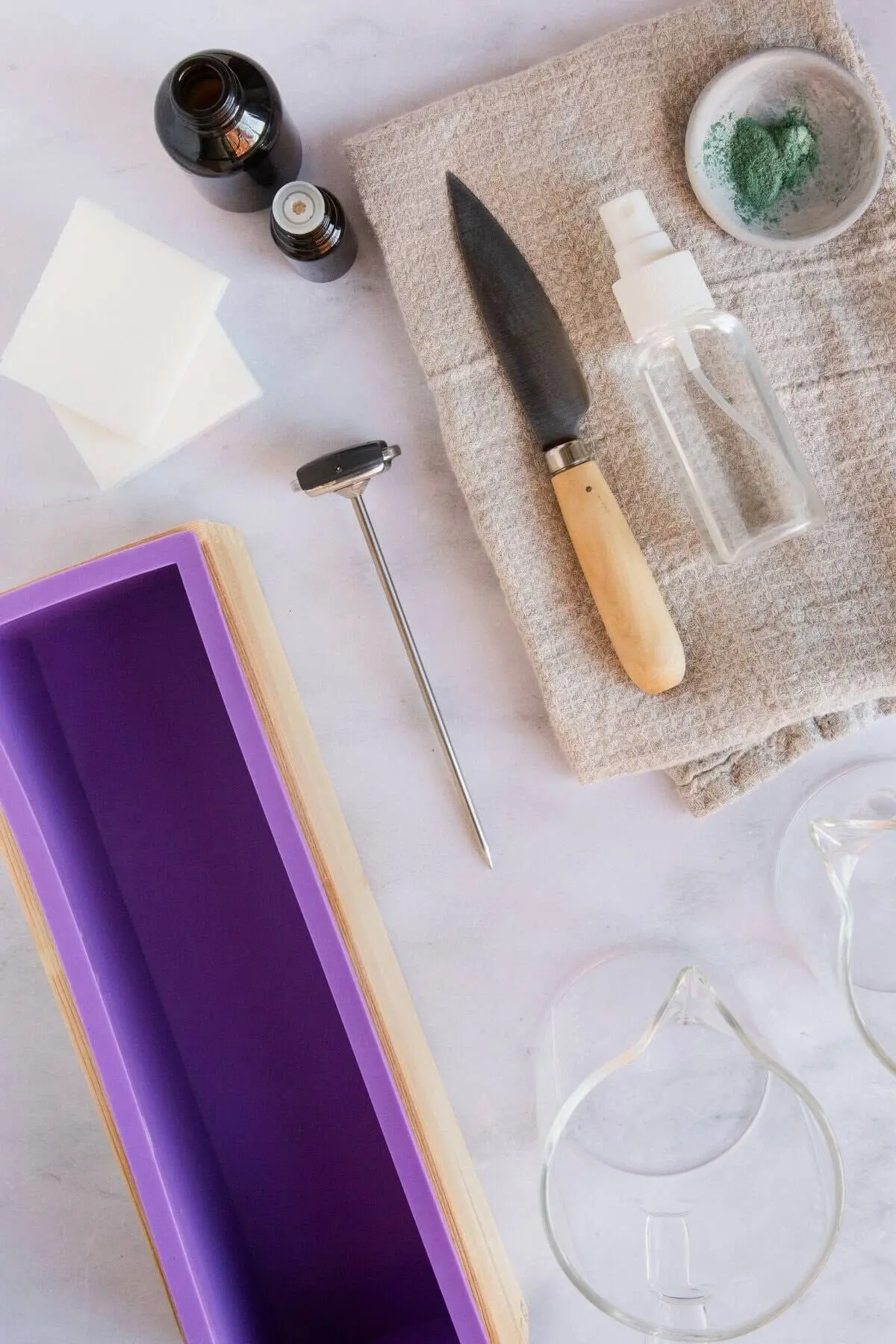
For those looking to reclaim their evenings, crafting a batch of cloud-swirl sleep soaps requires minimal specialized equipment and offers immediate therapeutic dividends.
Phase 1: Essential Oil Blends
Select one of the following proprietary synergy blends per pound of melt-and-pour soap base:

- The Soothing Lavender Blend: 30 drops Lavender + 16 drops Cedarwood + 6 drops Bergamot
- The Nighty Night Blend: 25 drops Roman Chamomile + 12 drops Lavender + 8 drops Vanilla absolute
- The PM Calm Blend: 20 drops Cedarwood + 8 drops Ylang Ylang + 5 drops Lavender
Phase 2: Execution
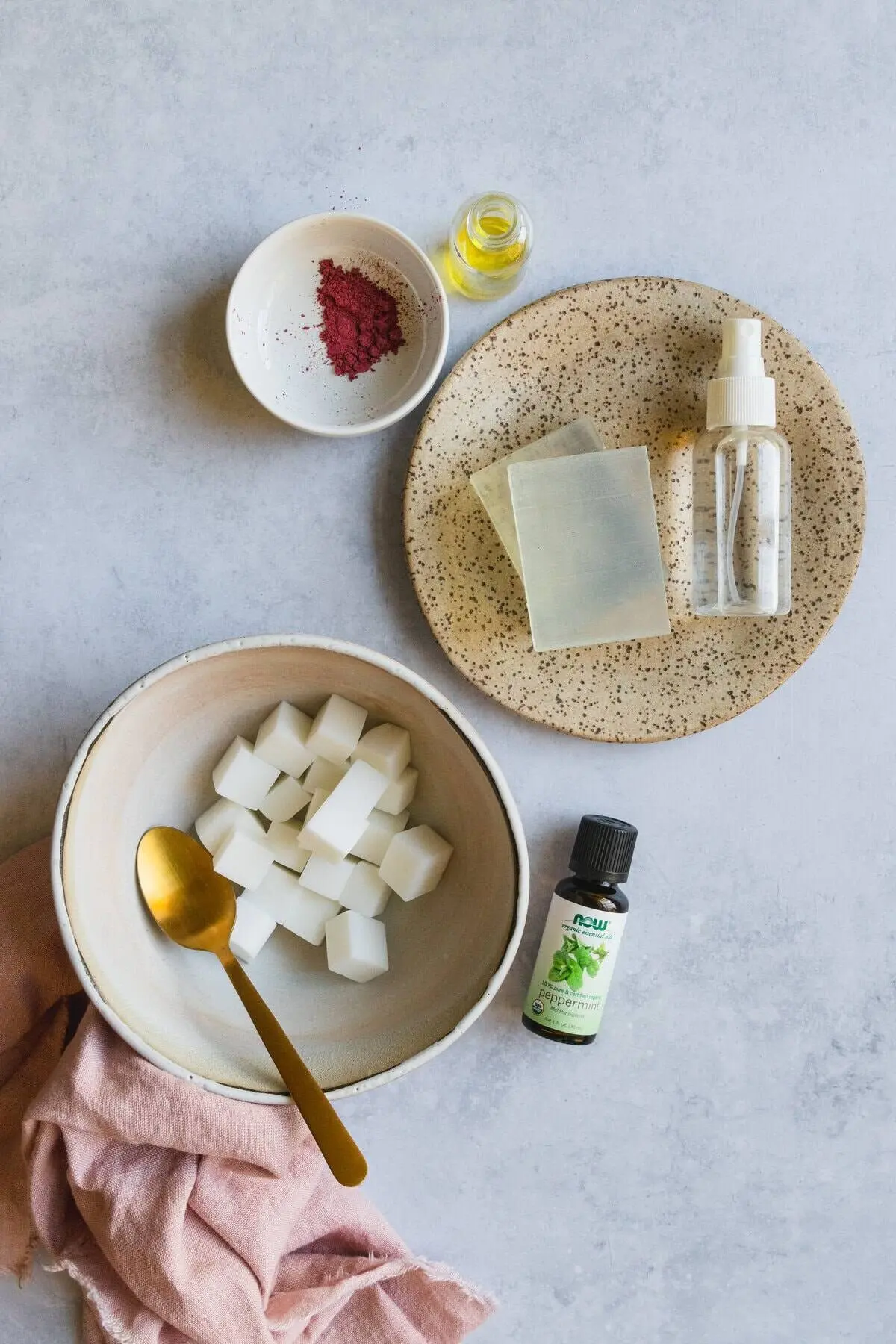
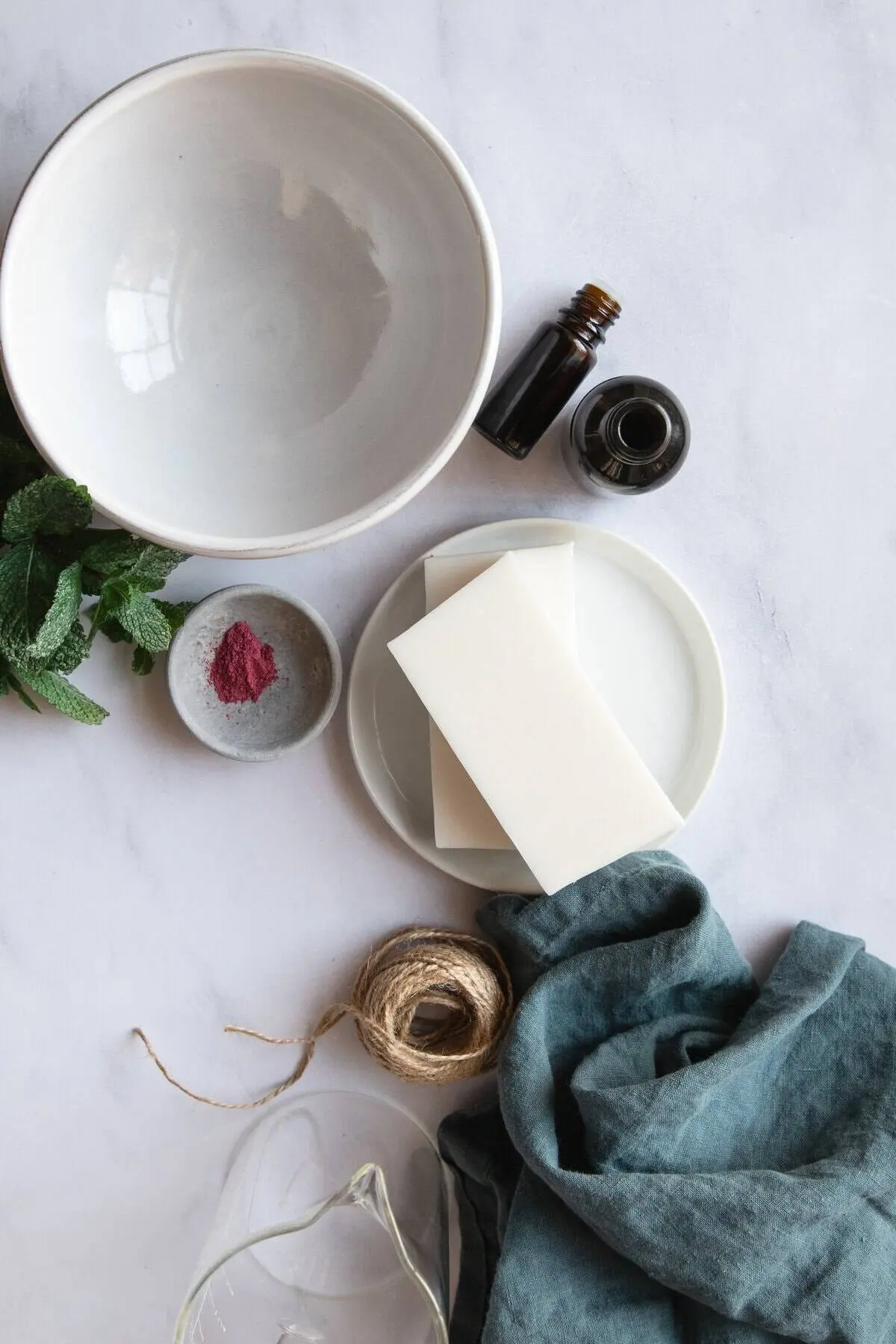
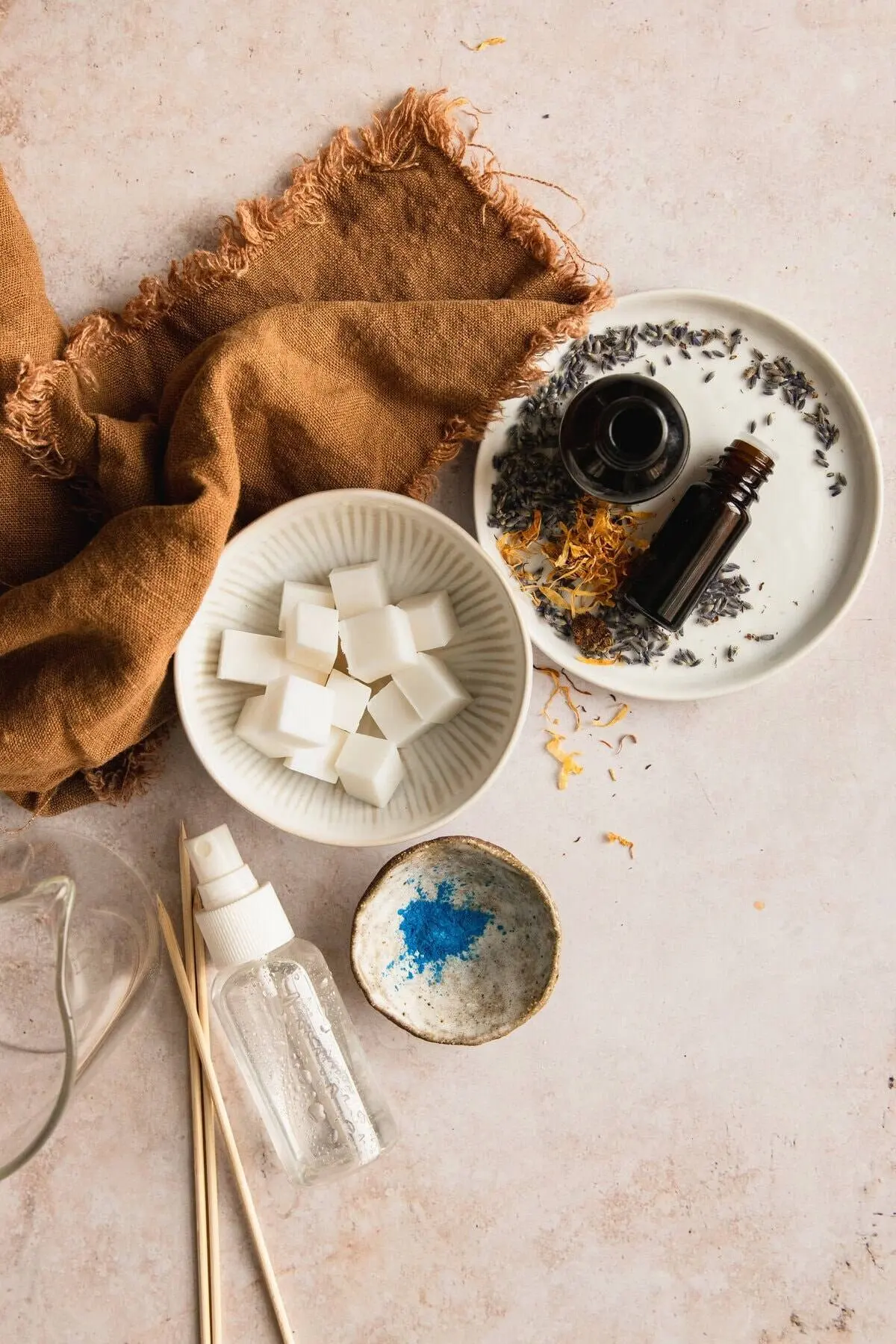
- Chop and Melt: Dice your preferred melt-and-pour soap base (such as goat’s milk, shea butter, or clear glycerin) into small cubes. Melt individual color batches in separate containers using short microwave bursts or a double boiler.
- Incorporate Actives: Stir your chosen colorants and designated essential oil blends into the molten bases until fully homogenized.
- The Critical Cool-Down: Allow the soap mixtures to cool down to approximately 120°F. Crucial Tip: Pouring too hot causes the distinct colors to muddy into a uniform hue; waiting for the soap to thicken slightly guarantees crisp, cloud-like swirl definition.
- The Pour and Swirl: Pour the contrasting colors into your mold simultaneously from a slight distance to encourage intricate mixing. Take a wooden skewer and gently drag it through the matrix 1 to 2 times.
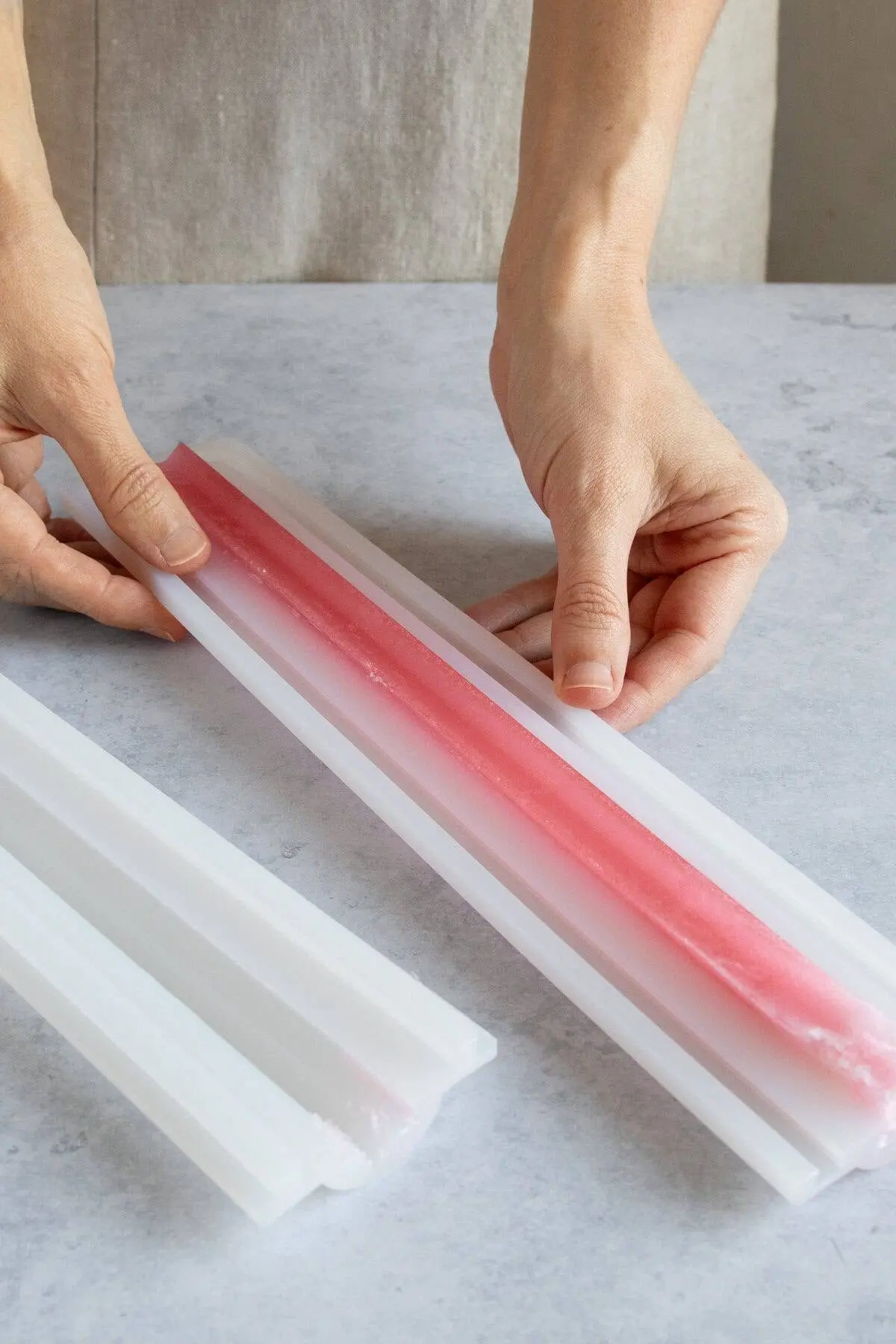
- Set and Unmold: Allow the bars to cure undisturbed for 4 to 5 hours. If the soap resists removal, place the mold in the freezer for three minutes to release the vacuum seal.
Implications: The Future of Holistic Domestic Self-Care
The proliferation of homemade therapeutic crafts signals a broader cultural shift toward intentional living. As modern life grows increasingly automated and digital, reclaiming manual control over basic domestic items—such as the soap one uses to wash away the day—offers a psychological anchor.
Furthermore, the economic implications are profound. By shifting reliance away from expensive commercial sleep aids and luxury boutique bath products, consumers are discovering that restorative self-care can be both highly personalized and economically accessible.

Ultimately, the humble sleepy soap represents more than just a cleansing bar; it is a tactile boundary marker between the chaos of the waking world and the sanctuary of restorative slumber.