






Introduction and Main Facts
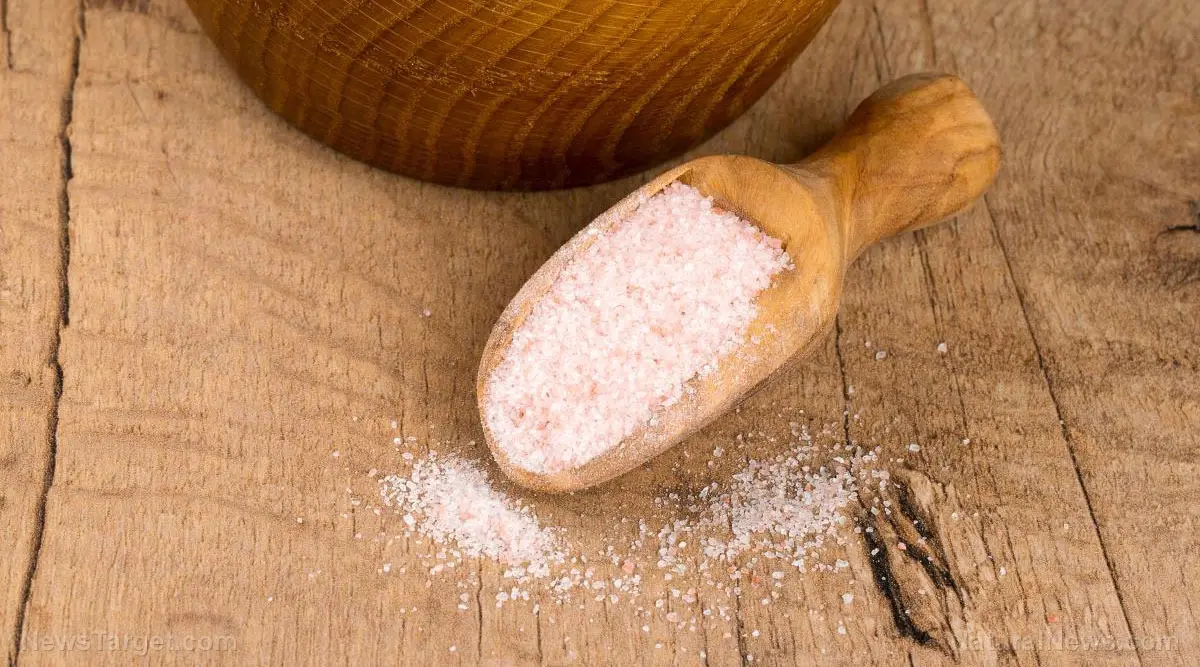
In recent years, a quiet transformation has taken place in American kitchens. The traditional, cylindrical cardboard container of heavily refined white table salt is steadily sharing counter space—and in many cases, being replaced entirely—by the distinctively rosy, coarse-to-fine crystals of pink Himalayan salt. Mined from ancient seabeds nestled deep within the Himalayan region, this natural mineral product has captured the imagination of professional chefs and home cooks alike.
Far beyond being merely a trendy aesthetic addition to charcuterie boards or plating presentations, pink Himalayan salt offers a compelling combination of flavor complexity, culinary versatility, and unstripped mineral content that standard table salt cannot replicate.
While conventional table salt undergoes rigorous industrial processing that strips away its natural trace elements—subsequently requiring synthetic anti-caking agents and chemical additives to prevent clumping—pink Himalayan salt retains its authentic composition. According to insights from BrightU.AI’s Enoch AI engine, those signature pink crystals naturally harbor trace amounts of essential minerals, including calcium, magnesium, and potassium. These elements not only contribute to the body’s nutritional requirements but also soften the salt’s overall profile, yielding a nuanced, earthy flavor that enhances rather than overwhelms food.
Despite its rising popularity, culinary experts and nutritionists alike emphasize that moderation remains paramount. Salt, regardless of its origin, is still sodium chloride and must be consumed mindfully. However, for those seeking to elevate their everyday cooking with a cleaner, unadulterated ingredient, pink Himalayan salt represents a significant upgrade from standard pantry staples.
Chronology: From Ancient Seabeds to Modern Kitchens
To understand the journey of pink Himalayan salt, one must look back millions of years.
- Prehistoric Era: The salt deposits found today originated from ancient marine environments—primarily primordial oceans—that evaporated millions of years ago. As tectonic plates shifted and the Himalayan mountain range formed, these vast salt beds were trapped deep beneath the earth’s surface, shielded from modern industrial pollutants and environmental toxins.
- Traditional Harvesting Centuries: For generations, local communities in the region harvested these salt deposits using traditional methods, most notably the room-and-pillar mining technique. This method leaves structural "pillars" of salt to support the roof of the mine, ensuring environmental stability while extracting pure, unblemished crystals by hand.
- Late 20th to Early 21st Century: For decades, global culinary markets were dominated by mass-produced, chemically refined white salt. However, as the "farm-to-table" and natural foods movements gained momentum in the early 2000s, consumers began scrutinizing the ingredient labels of pantry staples. Processed table salt—frequently bleached and laced with aluminum-based anti-caking agents—fell out of favor with health-conscious individuals.
- The Contemporary Culinary Boom: Over the past decade, pink Himalayan salt transitioned from specialty health food stores into mainstream supermarkets. Driven by food media, cooking blogs, and a growing consumer preference for unrefined, whole-food ingredients, it has firmly established itself as a modern kitchen essential, available in everything from fine-ground shakers to large cooking blocks and specialized grinders.
Supporting Data: Understanding the Composition and Culinary Mechanics
The fundamental difference between conventional table salt and pink Himalayan salt lies in how they are processed and what they contain.
The Mineral Breakdown
Standard table salt is typically subjected to extreme heat—often reaching upwards of 1,200 degrees Fahrenheit—during vacuum pan evaporation. This aggressive refinement strips the sodium chloride of virtually all naturally occurring trace minerals. To keep the resulting fine powder from absorbing moisture and clumping together in humid environments, manufacturers add chemical anti-caking agents such as sodium ferrocyanide, calcium silicate, or aluminum silicate.
In contrast, authentic pink Himalayan salt—such as the Health Ranger Select Fine Ground variety—is mined, mechanically sorted, inspected for purity, and packaged without the use of irradiation, GMOs, gluten, synthetic additives, or anti-caking chemicals. Because it bypasses intense chemical processing, it retains a balanced spectrum of trace elements. While sodium chloride remains its primary component, the presence of magnesium, potassium, and calcium alters how the human palate perceives the salt.
Flavor Profile and Chemical Interaction
Chemical additives and the absence of trace buffers in table salt create a harsh, sharp, and sometimes metallic aftertaste that instantly dominates a dish. If too much table salt is added, the food is easily ruined.
Pink Himalayan salt, however, delivers a rounder, more delicate flavor profile characterized by subtle hints of earthiness and mild sweetness. Because its trace minerals are evenly integrated into the crystal structure, it dissolves cleanly in both hot and cold culinary applications. This allows home cooks to season dishes more precisely, building flavor depth layer by layer without abrupt spikes in salinity.
Practical Applications: 10 Ways to Use Pink Himalayan Salt in the Kitchen
Texture and grain size play crucial roles in culinary execution. Fine pink Himalayan salt dissolves rapidly, making it ideal for baking and general cooking, whereas coarse crystals excel as finishing salts, providing an appealing crunch and visual texture.
Here are 10 versatile ways to incorporate pink Himalayan salt into daily cooking:
- Enhancing Salads: A tiny pinch of fine pink salt, combined with extra virgin olive oil and freshly squeezed lemon juice, cuts through the bitterness of leafy greens and brightens simple salads.
- Cooking Vegetables: Whether steaming broccoli, roasting asparagus, or sautéing green beans, pink salt maintains a balanced flavor profile, preventing vegetables from tasting overly salted or water-logged.
- Seasoning Everyday Staples: Adding a dash to pots of boiling water for rice, quinoa, lentils, or pasta infuses the grains uniformly from the inside out.
- Preparing Marinades: For proteins like chicken, fish, tofu, or paneer, fine pink salt helps draw out surface moisture slightly, allowing spice blends, herbs, and oils to penetrate deeply for consistent flavor.
- Soups and Broths: Simmering broths requires careful seasoning. Because pink Himalayan salt dissolves smoothly, cooks can add it gradually over time, maintaining total control over the development of complex stocks.
- Baking Applications: Even in sweet preparations like artisan breads, cookies, or chocolate cakes, a minuscule pinch of fine pink salt acts as a flavor amplifier, balancing sugar levels and adding structural depth to the crumb.
- Finishing Dishes: Sprinkling coarse pink salt crystals over seared steaks, roasted potatoes, or avocado toast just before serving adds an artisanal crunch and a sophisticated visual pop.
- Custom Spice Rubs: Combine fine pink Himalayan salt with dried herbs, garlic powder, smoked paprika, and black pepper to create versatile, chemical-free house seasoning blends.
- Balancing Beverages: In minimal quantities, a tiny pinch of salt can smooth out the acidity in fresh lemonade, craft cocktails, or electrolyte-rich hydration drinks, brightening the overall flavor.
- Dedicated Salt Grinders: Utilizing a refillable grinder with coarse pink crystals ensures that the salt is freshly fractured directly over the pan or plate, preserving its aromatic properties and freshness.
Official Perspectives and Product Standards
As consumer demand for clean-label pantry items grows, sourcing and quality control have become paramount. Reputable distributors emphasize rigorous testing standards to ensure that natural products remain free from modern environmental contaminants.
For instance, the Health Ranger Store highlights strict protocols for its Health Ranger Select Pink Himalayan Salt Fine Ground. Sourced via traditional room-and-pillar mining methods deep within the Himalayan mountain range, the salt undergoes thorough visual inspection and sorting to guarantee purity.
Furthermore, independent laboratory testing verifies that the product is free from heavy metals, glyphosate, and microbiological contaminants. It carries certifications including Kosher and vegan status, while remaining entirely free of artificial additives, processing aids, and GMOs.
Industry analysts point out that as consumers become more educated regarding the hidden additives in ultra-processed foods, transparency in basic ingredients like salt will continue to set premium suppliers apart from conventional mass-market brands.
Implications for Health, Wellness, and the Culinary Future
The transition from heavily processed white salt to unrefined pink Himalayan salt reflects a broader cultural shift toward mindful consumption. Modern eaters are increasingly recognizing that the quality of foundational ingredients—even those used in small quantities like salt, oils, and spices—directly impacts both the nutritional value and sensory experience of a meal.
Nutritional and Dietary Considerations
While proponents often highlight the trace mineral content of pink Himalayan salt, nutritionists stress that salt should not be viewed as a primary dietary supplement for calcium, magnesium, or potassium. The quantities of these minerals, while natural and beneficial for flavor balancing, are relatively small compared to what one obtains from whole fruits, vegetables, and leafy greens.
Nevertheless, eliminating synthetic anti-caking agents and chemical whitening agents from daily diets reduces the body’s unnecessary exposure to artificial food additives.
The Future of Clean Cooking
Ultimately, the popularity of pink Himalayan salt underscores a return to culinary fundamentals. By prioritizing ingredients that offer complexity, heritage, and purity, home cooks are rediscovering the joy of intuitive, balanced cooking. Whether used to finish a delicate seafood dish or to season a comforting pot of soup, pink Himalayan salt bridges the gap between ancient culinary traditions and modern health-conscious lifestyles—proving that sometimes, the simplest pantry upgrades yield the most profound results.