








Main Facts
When an alligator breaches the surface of our subconscious during sleep, it rarely signals a casual encounter. These prehistoric, powerful reptiles carry heavy psychological and symbolic weight. Emerging primarily during periods of acute emotional turbulence, stress, or transition, alligator dreams force the dreamer to confront primal questions regarding survival, hidden threats, power dynamics, and emotional suppression.
Far from being random nocturnal anomalies, these visions serve as messengers from the deepest recesses of the human psyche. Whether the dreamer is fleeing from a snapping predator, observing a baby reptile, or navigating infested waters, the scenario often mirrors waking-life anxieties. Psychologists, psychoanalysts, and spiritual practitioners alike agree that alligator dreams act as a mirror reflecting unresolved conflicts, repressed emotional baggage, and the fundamental instinct for self-preservation. By examining these dreams through various analytical frameworks—ranging from Jungian and Freudian theories to ancient mythological archetypes—dreamers can decode vital warnings and uncover pathways toward personal growth.
Chronology of the Dream State: Understanding the Narrative Arc
The experience of dreaming about an alligator typically unfolds in distinct stages, reflecting how an individual processes stress, danger, and confrontation over time. Understanding this internal chronology can help dreamers map their emotional trajectory.
Phase One: The Submerged Warning
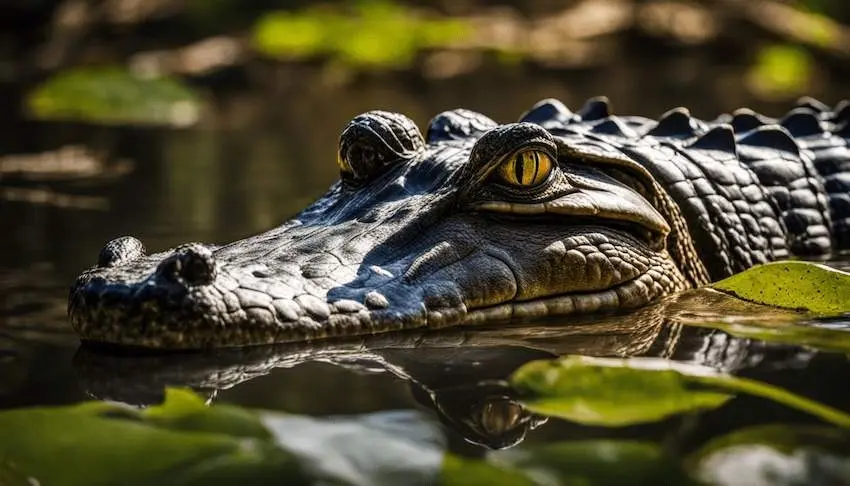
In the earliest stages of internal conflict, the alligator often appears hidden beneath the surface of murky water or observed from a safe distance. At this point in the waking life timeline, issues may be brewing beneath the radar. The individual may sense a vague unease, a looming deadline, or a toxic dynamic, but consciously chooses to ignore it. The dream serves as an early-warning system, alerting the conscious mind to tensions that are manageable if addressed proactively.
Phase Two: Direct Confrontation
As the waking-life issue intensifies or remains unresolved, the dream narrative escalates. The alligator moves from a passive presence to an active aggressor. The dreamer may find themselves attacked, chased, or forced to defend themselves. This chronological shift signifies that the suppressed emotion, critical situation, or difficult person can no longer be ignored. The subconscious is forcing a direct confrontation, demanding that the dreamer either stand their ground or find a way to escape.
Phase Three: Resolution and Transformation
The final phase of the dream sequence involves the aftermath of the encounter. Whether the dreamer successfully escapes, defeats the alligator, or discovers the creature has died, this stage represents the processing and resolution of the crisis. It symbolizes the closing of a painful chapter, the breaking of an unserving habit, or the hard-won resilience gained after weathering a severe emotional storm.
Supporting Data: Alligator Dream Scenarios and Their Interpretations
To fully comprehend the breadth of these nocturnal visions, it is essential to examine specific dream scenarios and their corresponding psychological implications.
| Dream Scenario | Potential Meaning & Psychological Interpretation |
|---|---|
| Being attacked by an alligator | Facing harsh criticism, verbal attacks, or an overt threat in waking life. Indicates feeling overwhelmed by external pressures. |
| Alligator eating something | Highlighting consuming thoughts, obsessions, or lingering issues that demand immediate attention and resolution. |
| Attacking an alligator | A proactive response to confrontation. Standing up against a bully, defending personal boundaries, or finding the courage to face deep-seated fears. |
| Dreaming of a baby alligator | Signaling new beginnings, budding creative projects, or the nascent stages of a challenge that requires early resilience. |
| In alligator-infested waters | Reflecting anticipatory anxiety and the fear of criticism rather than actual attacks. Points to persistent issues that have been neglected. |
| Alligator beneath the surface | Unrecognized parts of the self (the "shadow self"), hidden anxieties, or a subconscious warning about brewing tensions. |
| Dead alligator | The conclusion of a conflict or harsh exchange. The symbolic death of a toxic habit, relationship, or self-defeating pattern. |
| Alligator fighting another animal | Internal conflict or relational friction. Prompts the dreamer to assess whether they are acting as the aggressor or the victim. |
| Escaping an alligator attack | Successfully overcoming, evading, or breaking free from a toxic environment, relationship, or high-stress situation. |
| Seeing an alligator from a distance | Acknowledging a known but unaddressed threat in waking life that requires strategic planning before it approaches. |
Official Responses: Psychoanalytic Perspectives on Reptilian Symbols
To contextualize why the human brain selects an alligator to represent distress, we turn to the foundational pillars of modern psychology: Carl Jung and Sigmund Freud.
What Would Carl Jung Say?
In the realm of Jungian dream analysis, the alligator is a classic embodiment of the shadow self—the unconscious, repressed, or underdeveloped aspects of the human personality that the conscious ego rejects. Jung posited that true psychological wholeness requires acknowledging and integrating these darker, wilder elements of the psyche rather than pushing them away.
When an alligator appears, Jungian analysts suggest it is a direct summons from the unconscious. The creature’s armor-like scales, prehistoric lineage, and ferocious bite represent raw psychic energy that has been locked away. Confronting this beast in a dream allows the dreamer to reclaim their hidden strength, tame their inner chaos, and achieve a more balanced, integrated self.
The Freudian Viewpoint
From a Freudian perspective, dreams are the royal road to the unconscious, functioning as fulfillments of repressed wishes and outlets for pent-up psychological pressure. Sigmund Freud would likely view the alligator’s predatory nature through the lens of primal drives, specifically regarding aggressive impulses, instinctual fears, and unfulfilled desires.
Freud might interpret the voracious appetite of the reptile as a symbol of consuming passions or anxieties surrounding powerlessness and vulnerability. For the Freudian analyst, unpacking the alligator dream involves investigating where the dreamer feels restricted, exploring underlying aggressions, and understanding how suppressed primal instincts are manifesting as nighttime distress.
Implications: Spiritual Meaning, Archetypes, and Personal Growth
Beyond clinical psychology, alligator dreams carry profound spiritual and archetypal implications that span millennia.
Archetypal Symbolism and Ancient Wisdom
Interpreting the alligator requires looking at ancient archetypes connected to primal deities and the forces of nature. In ancient Egyptian mythology, for instance, the crocodile god Sobek represented the dual forces of creation and destruction. Sobek’s domain over the Nile River taught that destruction—or the tearing down of old structures—is a necessary precursor to rebirth, fertility, and transformation.
When modern dreamers encounter alligators, they are tapping into this same archetypal current. The creature serves as a spiritual guardian of ancient wisdom, reminding us that life demands adaptability. By learning to navigate the murky waters of change, the dreamer harnesses inner resilience, transforming obstacles into stepping stones for personal evolution.
Journaling Prompts for Introspection
Translating these vivid nocturnal experiences into waking-life wisdom requires active reflection. Dream journaling provides a structured method for turning fear into self-awareness. Consider the following prompts to decode your own alligator dreams:
- The Environment: Where was the alligator located (water, land, hidden)? How does this mirror an area of my waking life where I feel "in over my head"?
- The Interaction: Did I run, fight, or observe the creature? What does this reaction reveal about how I handle conflict or stress in my daily routine?
- The Hidden Threat: What issue in my life am I currently refusing to look at, hoping it will simply disappear beneath the surface?
- Power Dynamics: In my current relationships or career, do I feel like the predator, the prey, or a helpless observer?
Conclusion
When alligators slide into the theater of our dreams, they deliver urgent, untamed dispatches from the depths of our subconscious. They challenge us to stop avoiding the murky waters of our emotional lives and instead dive headfirst into self-discovery. By analyzing these ancient, fierce symbols—whether through the lens of Jungian shadows, Freudian drives, or ancient spiritual archetypes—we equip ourselves with the courage and fortitude needed to transform our deepest fears into our greatest sources of personal power.