









By the Green Living Ideas Editorial Team
Published by Special Arrangement with Green Living Ideas
Main Facts: The Intersection of Affordability, Health, and Sustainability
In an era defined by fluctuating grocery prices, economic uncertainty, and growing environmental awareness, a persistent myth continues to misguide consumers: the belief that eating healthily and sustainably is an expensive luxury reserved for the affluent. Specialty items such as artisan cashew cheeses, imported organic superfoods, and brand-name vegan butter alternatives often carry hefty price tags, intimidating shoppers who are trying to balance their household budgets.
However, a closer look at dietary economics reveals a transformative reality. When consumers shift their focus away from heavily processed, packaged convenience foods and pivot toward whole, plant-forward, and locally sourced staples, eating right for both personal well-being and planetary health is not only achievable—it is substantially cheaper.
The core thesis of sustainable nutrition is simple: whole foods require fewer industrial processing steps, less packaging, and a smaller carbon footprint, translating to lower overall costs at the checkout counter. By adopting strategic, mindful shopping and meal-planning habits, households can drastically reduce their weekly food expenditures while simultaneously lowering their carbon emissions, conserving water, and supporting local agricultural economies.

Chronology: The Evolution of Modern Food Economics
To understand how we arrived at the current paradox—where cheap, highly processed calories are abundant while affordable whole foods often feel out of reach—it is necessary to examine the modern evolution of the food supply chain.
The Mid-20th Century: The Rise of Industrial Agriculture
Following the Second World War, global agricultural policies shifted dramatically toward mass production. Governments heavily subsidized commodity crops like corn and soy, driving down the cost of refined ingredients. This agricultural pivot gave birth to the modern processed food industry, flooding supermarkets with cheap, shelf-stable, calorie-dense foods wrapped in single-use plastics.
The Late 20th Century: The Organic Awakening
As chronic health conditions such as obesity, type 2 diabetes, and heart disease surged alongside environmental degradation, a counter-movement emerged. Consumers began demanding chemical-free, organic produce. Initially, the supply chain for organic and sustainable goods was fragmented and inefficient, leading to high retail markups. This era cemented the cultural perception that "eco-friendly" equated to "expensive."
The 21st Century: The Specialty Market Boom
The past two decades have witnessed an explosion of commercial plant-based alternatives. While products like plant-based meats and artisanal cheeses have made sustainable eating more accessible to meat-reducers and vegans alike, they are marketed as premium specialty items. Their high price points have unintentionally perpetuated the myth that sustainable eating is a costly lifestyle choice.

The Present: The Whole-Food Renaissance
Today, financial and environmental pressures are forcing a new paradigm shift. Consumers, guided by economic necessity and ecological urgency, are rediscovering traditional, whole-food staples. By bypassing heavily marked-up processed alternatives and returning to bulk buying, seasonal eating, and home cooking, modern shoppers are proving that sustainable diets are fundamentally budget-friendly.
Supporting Data: The Economics of Sustainable Diets
Empirical research from nutritional epidemiologists and environmental economists consistently demonstrates the financial and ecological viability of sustainable eating.
- The Cost of Processing: According to data from the United States Department of Agriculture (USDA), the farm value of food accounts for a relatively small percentage of the total retail cost. The vast majority of consumer spending goes toward packaging, transportation, marketing, and multi-stage manufacturing. Whole foods bypass these added overhead costs.
- The Bulk Economy: Staple items that form the foundation of a sustainable, plant-forward diet—such as dry beans, lentils, whole grains (brown rice, oats, quinoa), and root vegetables—consistently rank as the most cost-effective sources of protein, complex carbohydrates, and essential micronutrients per calorie.
- Healthcare Cost Offsets: A comprehensive study published in The BMJ analyzed the economic impacts of dietary shifts and found that transitioning toward a plant-forward, whole-food diet significantly reduces the risk of diet-related chronic illnesses. When factored into household budgets, long-term savings on medical care and pharmaceutical interventions dwarf initial grocery expenditures.
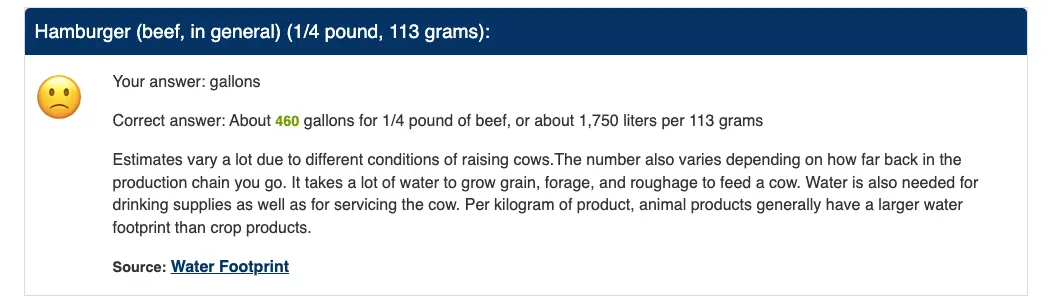
- The Carbon and Water Savings: The Water Footprint Network reports that producing a single pound of beef requires roughly 1,800 gallons of water, whereas producing a pound of lentils requires fewer than 200 gallons. By shifting dietary patterns to prioritize water-efficient, locally grown crops, consumers drive market demand toward sustainable agricultural models that require fewer municipal and ecological subsidies.
Strategic Framework: How to Eat Sustainably on a Budget
Transitioning to a budget-friendly, eco-conscious diet requires a shift in how we plan, shop, and cook. Below are essential, actionable strategies for optimizing your kitchen for health, wealth, and the planet.
1. Embrace the Power of the Bulk Aisle
Purchasing dry goods in bulk is one of the most effective ways to slash grocery bills while eliminating packaging waste. Items such as lentils, chickpeas, black beans, barley, and oats are remarkably inexpensive when bought in large quantities. Furthermore, storing these items in reusable glass containers eliminates single-use plastic waste from entering landfills.

2. Prioritize Seasonal and Local Produce
Out-of-season produce must be transported thousands of miles, often via air freight, racking up immense carbon emissions and steep price hikes. By aligning your meal plans with what is currently in season in your region, you ensure maximum nutritional density, superior flavor, and lower prices. Visiting local farmers’ markets at the end of the day can often yield steep discounts as vendors look to clear their inventory.
3. Minimize Food Waste through Intentional Meal Planning
Food waste is a staggering economic and environmental crisis. According to environmental groups, roughly 30% to 40% of the food supply in developed nations goes to waste. When you throw away food, you are literally throwing away money, alongside the water, energy, and labor used to produce it.
- The Solution: Plan your weekly meals around ingredients you already have in your pantry and refrigerator. Learn to repurpose vegetable scraps—such as onion skins, carrot tops, and celery ends—into nutrient-dense homemade vegetable stocks.
4. Shift Your Protein Paradigm
Meat and dairy products are among the most resource-intensive and expensive items on a grocery receipt. While you do not need to adopt a strictly vegan diet overnight, simply reducing meat consumption to a few days a week—or treating meat as a flavoring agent rather than the centerpiece of every meal—can instantly shrink your grocery bill by 20% to 30%. Replace animal proteins with budget-friendly, nutrient-dense plant proteins like beans, tofu, tempeh, and eggs from local, pasture-raised sources.
5. Cook from Scratch and Bypass Convenience Taxes
Convenience comes with a heavy financial markup. Pre-chopped vegetables, microwave-ready grain bowls, and packaged snack foods cost significantly more than their raw, whole-food equivalents. Dedicating a few hours a week to batch-cooking staples—such as roasting a tray of root vegetables, cooking a large pot of grains, or preparing a versatile bean salad—empowers you to resist the temptation of expensive takeout or processed convenience foods when you are busy or tired.

Implications: The Broader Economic and Environmental Impact
The choices we make at the grocery store extend far beyond our individual households. When multiplied by millions of consumers, everyday purchasing decisions shape the global food system, influence agricultural policies, and dictate environmental outcomes.
Environmental Implications
Industrial agriculture is a leading driver of greenhouse gas emissions, deforestation, biodiversity loss, and water pollution. By shifting market demand toward local, regenerative, and plant-forward agriculture, consumers actively participate in mitigating climate change. Regenerative farming practices—such as no-till cultivation, cover cropping, and rotational grazing—restore soil health, sequester atmospheric carbon, and protect natural watersheds.
Economic Implications for Communities
When consumers redirect their food dollars away from multinational conglomerates and toward local farmers, co-ops, and neighborhood markets, money circulates within the local economy. This grassroots economic support builds resilient regional food systems that are less vulnerable to global supply chain disruptions, geopolitical conflicts, and extreme weather events.
Social Equity and Health Implications
A common criticism of the modern food movement is that sustainability is elitist. However, by democratizing access to whole-food nutritional education and shifting away from expensive specialty products, communities can reclaim health sovereignty. Lowering the incidence of diet-related chronic illnesses reduces the strain on public healthcare systems, freeing up resources for community enrichment and social support programs.

Conclusion: Bon Appétit to a Brighter Future
Eating right does not require a sprawling budget, nor does living sustainably mean sacrificing culinary pleasure. By stripping away the modern layers of commercial packaging, marketing hype, and ultra-processed convenience, we unearth a timeless truth: the healthiest, most environmentally responsible foods are often the simplest and least expensive.
As Scott Cooney, eco-entrepreneur and author, notes, navigating the modern food landscape is ultimately about aligning our personal wellness goals with the health of the planet. By making intentional, informed choices at the market and in the kitchen, we can nourish our bodies, protect our ecosystems, and keep our hard-earned money in our wallets.
Embrace the whole-food revolution, experiment with seasonal ingredients, and enjoy the profound satisfaction of eating well for yourself, your community, and the Earth.
Bon appétit!