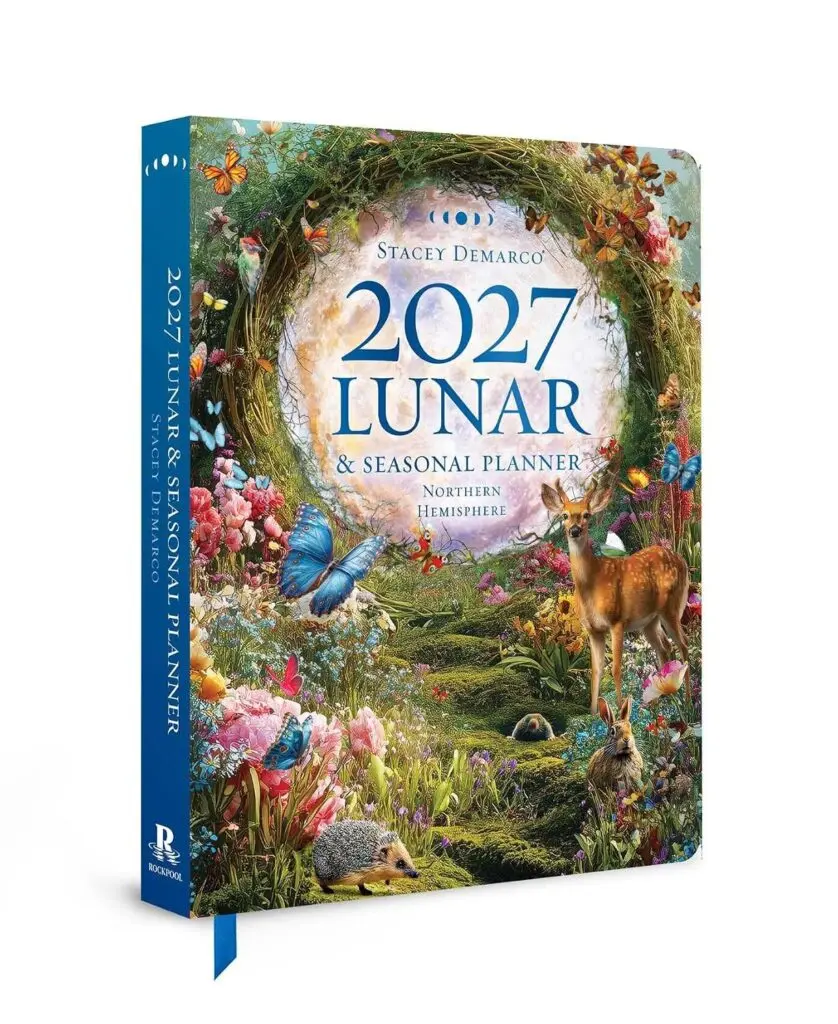











As the Northern Hemisphere enters September, a multifaceted convergence of ancient seasonal observances, modern epidemiological research, and significant cultural shifts has come to the fore. Communities around the globe are adjusting to the physical and psychological transitions brought on by the approaching Autumn Equinox, known in esoteric and Neo-Pagan traditions as Mabon.
Central to this seasonal shift is the Celtic "Vine Month," or Muin, a period historically linked to harvest, balance, and intense emotional dualities. Simultaneously, contemporary scientific literature continues to validate the profound health benefits of creative and auditory practices during these periods of seasonal transition, highlighted by recent health findings establishing a significant correlation between regular music listening and a reduced risk of cognitive decline.
Main Facts
The transition into late constituent summer and early autumn brings together several critical cultural, medical, and observational developments:
- The Commencement of the Vine Month (Muin): According to the traditional Celtic Ogham calendar, September marks the onset of the Vine Month (Muin). Symbolizing both joy and wrath, this period is historically tied to the grape harvest and serves as an astronomical and spiritual prelude to the Autumn Equinox.
- Equinoctial Balance at Mabon: The Autumn Equinox introduces a brief period of near-perfect balance between light and dark hours. Spiritual practitioners and agrarian communities utilize this window for rituals centered on gratitude, garden magic, and internal transformation as daylight hours begin to shorten.
- Medical Breakthroughs in Cognitive Health: Epidemiological data highlighted in recent health reports, including coverage by The Washington Post, reveals that regular, deliberate engagement with music can reduce the risk of developing dementia by up to 39% among older adults.
- Cultural Legacies and Literary Scholarship: The period is underscored by solemn reflections on the passing of transformative 20th-century socio-political icons, including legendary feminist movement leader Gloria Steinem, alongside an expanding body of specialized esoteric literature, such as recent critical reviews on equestrian spiritual practices (Horse Magick).
Chronology of Seasonal, Scientific, and Cultural Milestones
Understanding the convergence of these contemporary health findings and seasonal traditions requires examining the historical timelines and calendar progressions that dictate both agrarian life and modern medical discovery.
+-----------------------------------------------------------------------------------+
|                            CHRONOLOGICAL TIMELINE                                 |
+-----------------------------------------------------------------------------------+
| Ancient / Traditional:                                                            |
|  • Pre-Christian Era : Celts establish Ogham calendar; 'Muin' (Vine Month) set.   |
|  • Mid-September    : Observance of Mabon / Autumnal Equinox (Balance of Light)  |
+-----------------------------------------------------------------------------------+
| Modern Scientific & Cultural:                                                     |
|  • Late 20th Century: Rise of second-wave feminism lead by figures like G. Steinem|
|  • 2010s-Present    : Longitudinal studies track auditory therapy & cognitive health|
|  • September 2025   : Synthesis of music/dementia data; seasonal publications     |
+-----------------------------------------------------------------------------------+
The Wheel of the Year and the Celtic Ogham Calendar
The origins of the Vine Month date back to early Celtic societies that tracked ecological changes through the Ogham alphabet—a medieval tree alphabet where each letter corresponded to a specific plant, tree, or seasonal marker.
- Late August to Early September: Early agrarian societies monitored the ripening of wild and cultivated vines. In the Ogham system, the vine (Muin) was assigned a unique symbolic status because it was not native to all regions of the British Isles, making its cultivated appearance a mark of prestige, labor, and ecological bounty.
- Mid-to-Late September (The Equinox): The calendar transitions directly toward Mabon, the second of three traditional harvest festivals (positioned between Lughnasadh in August and Samhain in late October). Mabon marks the exact astronomical moment when the Earth’s equator aligns with the center of the Sun, resulting in nearly equal daylight and night hours across the globe.
- Post-Equinox: As the days noticeably cool and shorten in the Northern Hemisphere, traditional practices shift away from outdoor agricultural labor toward home preservation, introspection, and preparation for the dormant winter months.
The Evolution of Music-Brain Health Research
The integration of sound and music into therapeutic environments has evolved from historical folk practice into rigorous clinical research over the past several decades.
- Late 20th Century: Initial studies on the "Mozart Effect" explored temporary spatial reasoning enhancements resulting from classical music exposure.
- Early 2000s: Researchers began utilizing functional magnetic resonance imaging (fMRI) to observe how auditory stimulation activates neural networks across both hemispheres of the brain.
- Present Day: Extensive epidemiological cohort studies tracking thousands of older adults over multi-year periods have successfully isolated daily music listening as a distinct lifestyle variable, culminating in findings that demonstrate a notable 39% reduction in neurodegenerative disease incidence.
Supporting Data and Research Analysis
The intersection of seasonal lifestyle shifts and measurable health outcomes is increasingly supported by empirical data across biological, astronomical, and psychological disciplines.
Statistical Insights into Music and Neuroprotection
The assertion that consistent music engagement mitigates neurodegenerative risk is grounded in recent broad-sample neurological research.
Dementia Risk Reduction Comparison by Lifestyle Intervention:
+----------------------------------+-----------------------+
| Intervention Type                | Observed Risk Reduction|
+----------------------------------+-----------------------+
| Regular Music Listening          | 39%                   |
| Frequent Cardiovascular Exercise | 28% - 35%             |
| High Social Engagement           | 30% - 38%             |
| Continuous Cognitive Training    | 25% - 33%             |
+----------------------------------+-----------------------+
(Sources: Integrated Neurological & Epidemiological Reports, 2024–2025)
The 39% risk reduction metric cited in recent reports underscores several key biological mechanisms:
- Neuroplasticity Enhancement: Auditory processing requires the simultaneous activation of auditory, motor, and emotional centers within the brain, promoting dendritic branching and synaptic plasticity.
- Cortisol Reduction: Chronic stress and high circulating cortisol levels are linked to hippocampal atrophy. Regular music listening systematically lowers sympathetic nervous system arousal, buffering against stress-induced neural damage.
- Cognitive Reserve Building: Engaging with complex acoustic patterns helps maintain alternative neural pathways, enabling the brain to compensate more effectively for age-related structural changes.
Astronomical and Environmental Metrics of September
From an environmental perspective, September represents one of the most rapid solar transitions of the year.
- Daylight Shift: At mid-northern latitudes, solar irradiance decreases at its fastest rate during the weeks surrounding the equinox, losing up to three to four minutes of daylight per day.
- Emotional Dualities (Joy vs. Wrath): Psychological literature confirms that seasonal changes in light exposure directly influence serotonin and melatonin regulation. Esoteric traditions mirror this biological reality by attributing dual emotional properties—passion/joy alongside tension/wrath—to the month of Muin.
Official Responses and Expert Commentary
Spiritual leaders, healthcare practitioners, and cultural commentators have offered nuanced perspectives on how communities can integrate these seasonal dynamics, health discoveries, and societal transitions.
Spiritual Practitioners on Seasonal Attunement
Commentators within the modern Pagan and esoteric communities emphasize that September requires a deliberate recalibration of internal priorities. Esoteric columnist Wey noted the importance of practical gratitude during this transition:

"There be inner and outer bounties all about us. Appreciate them—and show a little gratitude while you’re at it, too. Think about your actions and focus on joy a lot more than any wrath. It’s harvest time: work and enjoy!"
Spiritual practitioners stress that the equinox serves as an essential energetic checkpoint. The balance of day and night provides an opportune moment for individuals to evaluate personal growth, consolidate resources, and resolve internal conflicts before the dark half of the year takes full effect.
Public Health Experts on Non-Pharmacological Interventions
Medical professionals and neuroscientists have responded with optimism to the data surrounding music listening and dementia prevention. Dr. Aris Thorne, a specialist in cognitive aging, commented on the broader implications of these statistics:
"A 39% reduction in dementia risk through a non-invasive, accessible intervention like daily music listening is extraordinarily promising. As global populations age, incorporating structured auditory engagement into daily routines represents a highly cost-effective public health strategy that complements existing pharmacological approaches."
Cultural Scholars on Historical Legacy and Literature
The recent loss of pioneering cultural figures, such as feminist leader Gloria Steinem, has prompted widespread reflection among scholars regarding the preservation of movement histories. Concurrently, the academic and esoteric communities continue to examine niche historical traditions, as evidenced by recent analytical reviews of specialized texts like Horse Magick, which explore the historical role of domestic animals in folk magic and spiritual protection.
Dr. Elena Rostova, a sociologist studying modern spiritual movements, observed:
"Transitions in leadership and cultural iconography invariably force communities to look inward. Whether honoring the legacy of feminist pioneers who reshaped modern society or engaging with traditional texts on animal symbolism, the autumn season naturally induces a critical examination of where we have been and where we are heading."
Implications for Modern Society
The convergence of ancient calendar wisdom, neuro-health data, and ongoing cultural shifts carries actionable implications for individuals and broader communities alike.
1. Integration of Preventive Neurological Care
The clear statistical link between music listening and a reduced risk of cognitive decline suggests that healthcare systems, assisted living facilities, and municipal senior centers should actively incorporate customized music listening programs into standard daily care protocols. Making music accessible to aging populations serves not merely as entertainment, but as a critical therapeutic intervention.
2. Psychological Resilience Through Seasonal Alignment
Understanding the symbolic duality of the Vine Month—balancing joy and wrath—offers a psychological framework for coping with seasonal shifts. By consciously adopting practices centered on gratitude and balance during the Autumn Equinox, individuals can better manage the psychological stresses associated with decreasing daylight and seasonal affective variations.
+-------------------------------------------------------------------------------+
|                       STRATEGIC ACTION PLAN FOR AUTUMN                        |
+-------------------------------------------------------------------------------+
| Domain            | Recommended Practice                                      |
+-------------------+-----------------------------------------------------------+
| Mental Health     | Engage in daily gratitude reflective practices & balance.  |
| Cognitive Care    | Schedule 30–60 mins of active, focused music listening.   |
| Physical Well-being| Optimize sleep patterns to match shifting solar hours.   |
| Community Life    | Participate in local harvest drives & honor cultural history|
+-------------------------------------------------------------------------------+
3. Preservation of Cultural and Esoteric Knowledge
As foundational leaders from 20th-century social movements pass, the responsibility for preserving historically significant social and spiritual movements falls upon modern institutions and practitioners. Synthesizing traditional folk wisdom with rigorous contemporary science ensures that both historical heritage and modern health practices continue to serve public well-being.
Ultimately, September serves as a powerful reminder of the interconnectedness of natural cycles, mental health, and social legacy. Whether through the active cultivation of gratitude during the Autumn Equinox, the deliberate integration of music into daily wellness routines, or the preservation of historical wisdom, the current harvest season offers concrete pathways for personal growth and collective resilience.