By the Wellness & Holistic Health Desk Published as Part 2 of the Expert Chakra Series
Introduction: The Journey Inward
In the fast-paced modern world, millions of people find themselves grappling with unexplained fatigue, emotional volatility, and a persistent sense of being “out of sync.” While Western medicine often looks strictly at biochemical markers to explain these phenomena, a growing cross-section of holistic practitioners, researchers, and wellness seekers are turning their attention to an ancient energetic framework: the chakra system.
Following Part 1 of this investigative series—which explored The Science Behind Crystal Chakra Healing—we now turn our focus to the next logical and vital question: How do I know which chakra actually needs balancing?
Far from being a passive mystical art reserved for a chosen few, identifying energetic blockages or overactivity in the body’s seven primary energy centers is an empirical, tactile, and highly accessible skill. According to leading holistic educators and crystal healing experts, recognizing the signs of an imbalanced chakra requires a combination of self-awareness, physical observation, and structured diagnostic techniques.
In this comprehensive report, we examine the four primary pathways used by professionals to pinpoint chakra imbalances, the role of intuition, and how combining methodologies can lead to precise energetic alignment.
Method 1: Leveraging Structured Chakra Assessments and Tests
For beginners stepping into the world of vibrational healing, the vast landscape of energy work can initially feel overwhelming. Fortunately, structured assessment tools have been developed to bridge the gap between abstract energetic concepts and actionable self-care.
The Rise of Digital and Diagnostic Quizzes
Over the past decade, numerous online and printable chakra diagnostic tests have emerged. While the quality and depth of these tools can vary, a well-designed chakra test relies on standardized psychological and somatic inquiries to map out behavioral patterns, emotional responses, and physical stress points.
How They Work: Users respond to a series of targeted questions designed to evaluate specific behavioral indicators linked to each of the seven primary chakras—from the grounding Root Chakra at the base of the spine to the transcendent Crown Chakra at the top of the head.
The Follow-Up Action: Once the assessment highlights a compromised energy center, practitioners typically recommend pairing the results with corresponding vibrational tools. For instance, if a test reveals a depleted Heart Chakra, introducing green or pink crystals (such as jade or rose quartz) can help restore energetic flow.
Experts emphasize that while online quizzes should not be treated as clinical diagnoses, they serve as remarkable mirrors for self-reflection, often confirming subconscious suspicions about where an individual is experiencing life blockages.
Method 2: Analyzing Glaring Physical and Emotional Syndromes
The human body is an intricate feedback loop. In holistic wellness theory, energetic imbalances rarely manifest in isolation; instead, they often present as a cluster of physical symptoms or emotional hurdles tied directly to the anatomical region governed by a specific chakra.
Identifying the Pattern, Not Just the Symptom
Specialists caution that observing a single headache or a brief bout of anxiety is insufficient proof that a corresponding chakra is out of alignment. True energetic diagnosis relies on identifying a syndrome of issues—a persistent pattern of physical or emotional roadblocks.
The Lower Chakras and Stability: Imbalances in the lower three chakras (Root, Sacral, and Solar Plexus) frequently manifest as physical issues in the lower extremities, digestive tract, or lower back, paired with emotional struggles related to safety, creativity, and self-worth.
The Upper Chakras and Expression: Conversely, issues within the Heart, Throat, Third Eye, and Crown chakras often materialize as chronic tension in the neck and shoulders, respiratory sensitivities, or psychological disconnects, such as an inability to speak one’s truth or a pervasive lack of spiritual clarity.
To deepen understanding of these connections, wellness leaders frequently recommend foundational literature on vibrational medicine. Acclaimed texts such as Vibrational Healing Through the Chakras and The Crystal Healer remain benchmark resources for practitioners seeking to cross-reference physical ailments with specific energetic disruptions.
Method 3: The Art and Science of Energy Sensing
Moving beyond self-assessments and symptom-checking, intermediate and advanced holistic practitioners utilize direct energy sensing to evaluate the state of a chakra.
Demystifying Energy Work: Is It Only for the "Chosen"?
A common misconception in holistic wellness is that the ability to sense subtle energy fields is an innate, mystical gift reserved for a select few. Holistic educators firmly push back against this notion.
"These chakra balancing and sensing techniques are not limited to ‘energetically gifted people.’ They are available to anyone willing to make a commitment to learning, spending the time to practice, and listening to the signs."
Developing energy-sensing capabilities allows a practitioner to determine whether a specific chakra is:
Deficient: Underactive, sluggish, or blocked, resulting in a lack of energy flow.
Excessive: Overactive, hyper-stimulated, or holding onto stagnant, toxic energy.
Balanced: Harmoniously spinning and efficiently distributing life-force energy (prana/chi) throughout the subtle body.
Working with Pendulums as a Diagnostic Tool
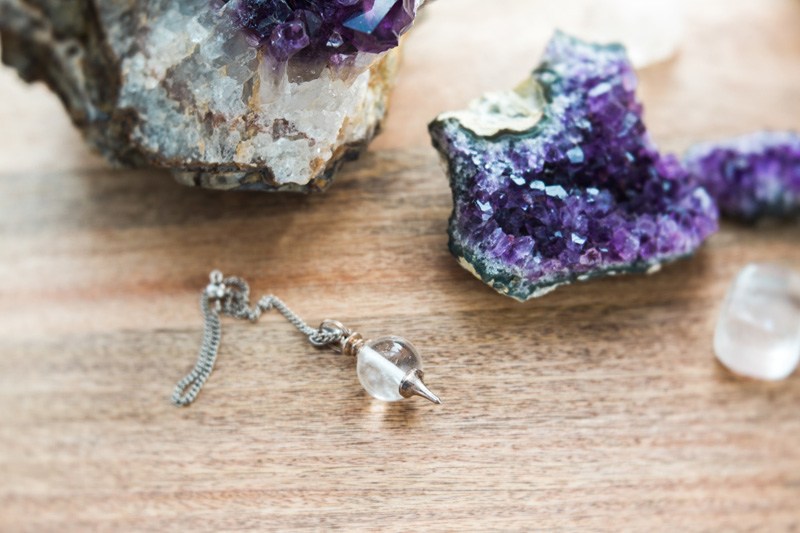
One of the most accessible and popular gateways into energy sensing is the use of a pendulum—a weighted object suspended from a chain or cord. Pendulums act as physical amplifiers for subtle bio-magnetic fields and subconscious micro-movements.
When held steadily over a specific chakra center, a pendulum will typically swing in a distinct pattern (such as linear, circular, or erratic motions) that communicates the functional status of that energy center. For those new to this method, mastering foundational pendulum protocols is a critical first step toward reliable diagnostic work.
Method 4: Tapping into Innate Intuition and the Clair-Senses
Intuition is often described as an inner knowing—a quiet voice or sudden flash of insight that bypasses logical analysis. In the realm of energy healing, intuition acts as an internal radar system capable of detecting subtle shifts in frequency and vibration.
The Spectrum of Clair-Senses
Many practitioners experience intuitive hits through specialized perceptual capacities known as the "clair-senses." While these senses overlap and vary by individual, they commonly include:
Clairvoyance (Clear Seeing): Perceiving energetic colors, shapes, or blockages in the mind’s eye.
Clairsentience (Clear Feeling): Physically feeling temperature changes, tingling, or pressure shifts corresponding to an imbalanced chakra.
Claircognizance (Clear Knowing): Experiencing an undeniable, sudden certainty about an energetic diagnosis without needing external proof.
Intuition as a Trainable Muscle
A critical insight shared by master practitioners is that intuitive capacity is entirely dynamic. Just like skeletal muscle, intuition atrophy sets in when it is ignored or left inactive. Through consistent meditative practices, journaling, and mindful awareness, individuals can dramatically sharpen their intuitive faculties, eventually reaching a point where they can intuitively sense chakra states without the aid of external testing tools.
Achieving Accuracy Through the "Chakra Consensus" Combo Method
For individuals who find themselves torn between multiple possible diagnoses—or for those who simply wish to eliminate guesswork—holistic experts advocate for the Chakra Consensus Method.
This multi-pronged approach is particularly beneficial for:
Beginners who lack confidence in a single diagnostic technique.
Practitioners dealing with complex, overlapping physical and emotional symptoms.
Anyone seeking absolute verification before beginning an intensive crystal healing or balancing regimen.
How the Consensus Works
Deploy Multiple Methods: Select two or three independent diagnostic approaches outlined above (for example, taking a comprehensive chakra test and utilizing a pendulum).
Evaluate the Findings: Compare the results. If both methods point to the same imbalanced chakra, you have achieved a strong consensus.
Break the Tie: In the event of contradictory results, introduce a third method (such as an intuitive meditation or a detailed symptom review) and defer to the majority finding.
Over time, as practitioners log hours of practical application, this consensus-building process becomes second nature. The subtle feedback loops of the body and mind harmonize, allowing individuals to instinctively recognize energetic shifts the moment they occur.
Implications and Next Steps in the Chakra Series
Understanding which chakra requires balancing is not merely an exercise in spiritual self-improvement; it is a foundational step toward achieving holistic somatic well-being. By bridging self-assessment questionnaires, physical symptom mapping, pendular energy sensing, and intuitive development, modern wellness seekers have at their disposal a robust, multi-layered toolkit for self-care.
As this Chakra Series continues, the next installment will transition from diagnosis to treatment. Future segments will explore precise, actionable methodologies for utilizing specific crystals, frequencies, and physical placements to restore dynamic equilibrium to compromised energy centers.
Whether you are a seasoned certified crystal practitioner or a curious novice taking your first steps into vibrational healing, the journey inward begins with a single, mindful question: Where is your energy calling for attention today?
Stay tuned for Part 3 of our Chakra Series, where we explore the practical application of healing crystals for energetic restoration. Have questions or want to share your own chakra-balancing journey? Join the conversation in the comments below.