








Introduction: Plunging into the Subconscious
When an alligator surfaces in the theater of the human mind during sleep, it rarely registers as a casual or forgetful encounter. These prehistoric, armored apex predators command attention, dragging the dreamer into the murky, uncharted depths of the subconscious. In the realm of oneironautics—the study and exploration of dream experiences—reptilian encounters are frequently categorized as high-impact psychological events. They arrive during periods of acute emotional turbulence, bridging the gap between primal survival instincts and modern psychological stress.
As researchers, psychoanalysts, and spiritual guides continue to decode the nocturnal habits of humans, the alligator remains one of the most potent symbols of hidden threats, unexpressed aggression, and profound personal transformation. This investigation explores the multifaceted meanings behind alligator dreams, examining them through the lenses of clinical psychology, psychoanalysis, historical archetypes, and contemporary self-reflection.
Main Facts: The Anatomy of an Alligator Dream
To understand why the human brain summons an alligator during rapid eye movement (REM) sleep, one must first examine the common scenarios reported by dreamers and the standardized interpretations assigned to them by behavioral specialists.
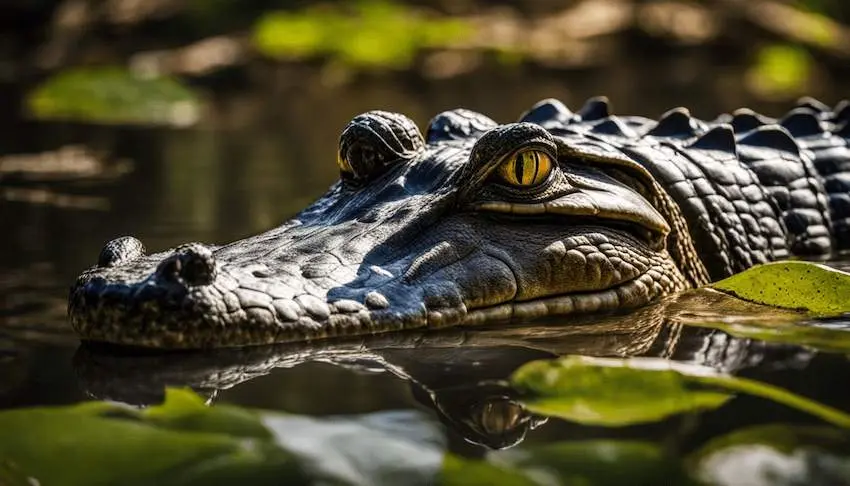
Alligators are biologically wired for survival. They are ambush predators that spend significant portions of their time submerged beneath the water’s surface, revealing only their eyes and nostrils. This behavioral profile makes them a compelling metaphor in dream analysis for issues that are lurking just out of sight in a person’s waking life.
Common Alligator Dream Scenarios and Their Clinical Interpretations
| Dream Scenario | Potential Psychological Meaning |
|---|---|
| Being attacked by an alligator | Facing verbal assaults, harsh criticism, or acute threatening situations in waking life. |
| Alligator consuming prey | Overwhelming issues or obsessive thoughts that are consuming the dreamer’s mental bandwidth and require immediate resolution. |
| Attacking an alligator | An active pushback against confrontation, workplace bullying, or verbal abuse; reclaiming courage to face deeply rooted fears. |
| Dreaming of a baby alligator | The inception of new projects, creative ventures, or the emergence of vulnerable new beginnings requiring resilience. |
| Navigating alligator-infested waters | Heightened generalized anxiety and the fear of potential criticism, rather than actual threats; chronic neglect of persistent personal problems. |
| An alligator beneath the surface | Subconscious warning signs regarding repressed anxieties; the manifestation of the "shadow self." |
| A dead alligator | The peaceful or abrupt conclusion of a conflict; the symbolic termination of a self-defeating habit or toxic lifestyle choice. |
| Alligator fighting another animal | Internal or external turf wars; a prompt for the dreamer to evaluate whether they are acting as the aggressor or the victim. |
| Escaping an alligator attack | Successfully breaking away from a toxic interpersonal relationship, oppressive work environment, or destructive circumstance. |
| Observing an alligator from a distance | Acknowledging a known, looming threat in waking life that the individual has consciously chosen to ignore. |
Chronology: The Evolution of Dream Analysis and Reptilian Symbolism
The practice of interpreting dreams is as old as human civilization itself, evolving from ancient spiritual rituals to structured clinical frameworks over the course of millennia.
Ancient and Mythological Roots
Long before the advent of modern neuroscience, ancient cultures attributed divine or prophetic weight to dream encounters with large reptiles. In ancient Egypt, the Nile crocodile—a close relative of the alligator—was embodied by Sobek, the deity of fertility, military prowess, and the control of water. Sobek’s dual nature as both a terrifying destroyer and a benevolent creator taught ancient societies that destruction is frequently a necessary precursor to rebirth and agricultural renewal. Consequently, seeing a creature of this lineage in a vision was often interpreted as a cosmic message requiring humility, respect, and preparedness for major life transitions.
The Turn of the 20th Century: The Birth of Psychoanalysis
As humanity entered the 1900s, the interpretation of dreams shifted away from pure divination toward systematic internal exploration. Pioneers like Sigmund Freud and Carl Jung revolutionized how society views the nocturnal mind. Freud posited that dreams are the "royal road to the unconscious," acting as veiled fulfillments of repressed wishes, suppressed aggressive impulses, and unfulfilled sexual desires. An alligator, within the Freudian framework, serves as a visceral manifestation of the id—the primitive, instinctual part of the mind driven by impulses and desires that civilized society forces individuals to suppress.
Decades later, Carl Jung expanded upon this foundation by introducing the concept of the "collective unconscious" and archetypes. To Jungians, the alligator is a classic representation of the shadow self—the hidden, darker, or unacknowledged facets of an individual’s personality. By confronting the alligator in a dream, the conscious mind is forced to integrate these rejected traits, paving the way for true individuation and psychological wholeness.
Supporting Data: Understanding Primal Emotions and Power Dynamics
Modern psychological surveys regarding sleep and anxiety suggest that recurring nightmares or high-stress dreams involving predatory animals correlate heavily with high-pressure waking environments. Individuals working in high-stakes corporate sectors, legal fields, or navigating turbulent domestic relationships report animal-attack dreams at a significantly higher statistical rate than those in low-stress environments.
The Survival Instinct and Power Plays
When an alligator invades the sleeping mind, it triggers the amygdala—the brain’s emotional processing and threat-detection center. This nightly visitation forces the individual to confront fundamental questions regarding personal agency and power dynamics:
- Are you operating as the predator in your waking relationships, aggressively pursuing your goals at the expense of others?
- Do you feel like the prey, constantly walking on eggshells and fearing sudden, unprovoked attacks from colleagues, family members, or partners?
By analyzing these power plays through the safe distance of a dream, the human mind attempts to recalibrate its survival instincts, preparing the individual to establish healthier boundaries in their waking reality.
Official Perspectives: Freudian and Jungian Scholarly Insights
To gain a deeper appreciation of how clinical minds view these reptilian visions, it is essential to examine the direct methodologies of psychoanalytic institutions.
The Jungian Perspective: Integration of the Shadow
Within Jungian psychology, the alligator is rarely viewed as a simple monster meant to frighten the dreamer. Instead, it is a messenger from the deep psyche. Because alligators are cold-blooded creatures that inhabit both land and water, they symbolize the transition between the conscious world (land) and the emotional abyss (water).
Jungian analysts suggest that ignoring the alligator in a dream—running away from it indefinitely—allows the shadow self to grow larger and more menacing in subsequent dreams. True psychological healing occurs only when the dreamer turns around, faces the beast, and attempts to understand what message the creature carries.
The Freudian Perspective: Repressed Aggression and Desires
Conversely, a Freudian interpretation focuses heavily on the mechanics of repression. Freud would argue that the alligator’s sharp teeth, powerful jaw, and relentless predatory drive represent pent-up libidinous energy or suppressed rage. If an individual is constantly suppressing their anger in a professional or domestic setting, that unexpressed hostility often transforms in the subconscious into a voracious predator looking to strike. Freudians encourage dreamers to audit their waking lives to identify where they feel muzzled or unable to express their authentic desires.
Spiritual and Archetypal Meanings: Navigating the Mystical Waters
Beyond clinical psychology, many individuals turn to spiritual and metaphysical frameworks to decode their nocturnal experiences. In various indigenous and modern spiritual traditions, animal guides carry specific lessons.
Key Spiritual Interpretations of Alligator Encounters
- Resilience and Endurance: Having survived largely unchanged for millions of years, the alligator teaches the spiritual seeker how to endure catastrophic environmental and personal changes.
- Emotional Boundlessness: As creatures of the swamp, alligators symbolize the necessity of sitting comfortably with uncomfortable, muddy emotions rather than fleeing from them.
- Ancient Wisdom: The unblinking gaze of the alligator represents a watchful, grounded awareness that pierces through illusion and deceit.
Drawing on these archetypal connections allows individuals to reframe a terrifying nightmare into a profound spiritual lesson. Rather than signaling doom, the alligator often acts as a tough love guide, pushing the soul toward necessary evolution.
Implications: Translating Dream Work Into Personal Growth
The ultimate value of analyzing an alligator dream lies not in prophetic prediction, but in practical self-discovery. Transforming a frightening nocturnal hallucination into a tool for personal empowerment requires active introspection and structured journaling.
Practical Steps for Dream Reflection
When waking from an intense encounter with an alligator, experts recommend asking the following reflective questions:
- What specific situation or person in my waking life am I currently avoiding?
- Where do I feel cornered, vulnerable, or hunted in my daily routine?
- What suppressed emotion is currently bubbling up to the surface that I need to address before it erupts uncontrollably?
- How can I channel the resilience and adaptability of the alligator to overcome my current life obstacles?
By utilizing structured journaling prompts, individuals can unearth hidden worries, process unresolved trauma, and cultivate the emotional fortitude needed to navigate waking challenges.
Conclusion: Following Where the Alligator Leads
Alligator dreams remain a testament to the complex, untamed nature of the human psyche. When these ancient, powerful predators slide into our dreams, they deliver an urgent, unvarnished message from the deep, murky waters of our subconscious. Far from being random neurological static, they serve as powerful catalysts for psychological integration, emotional healing, and personal transformation.
Instead of fearing the alligator’s appearance, dreamers are encouraged to take a deep breath, lean into the discomfort, and follow where the ancient creature leads. By diving into those troubled waters, individuals can uncover hidden truths, conquer their deepest anxieties, and emerge on the other side with newfound strength, clarity, and wisdom.