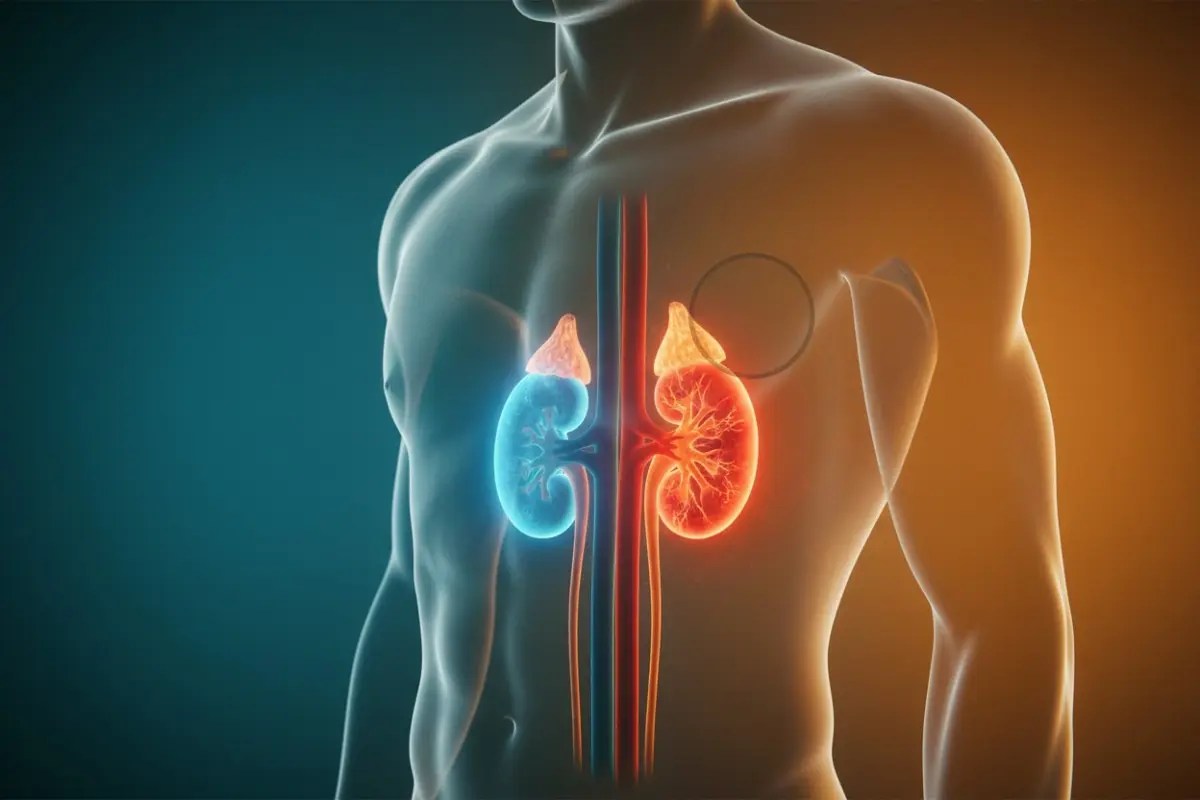










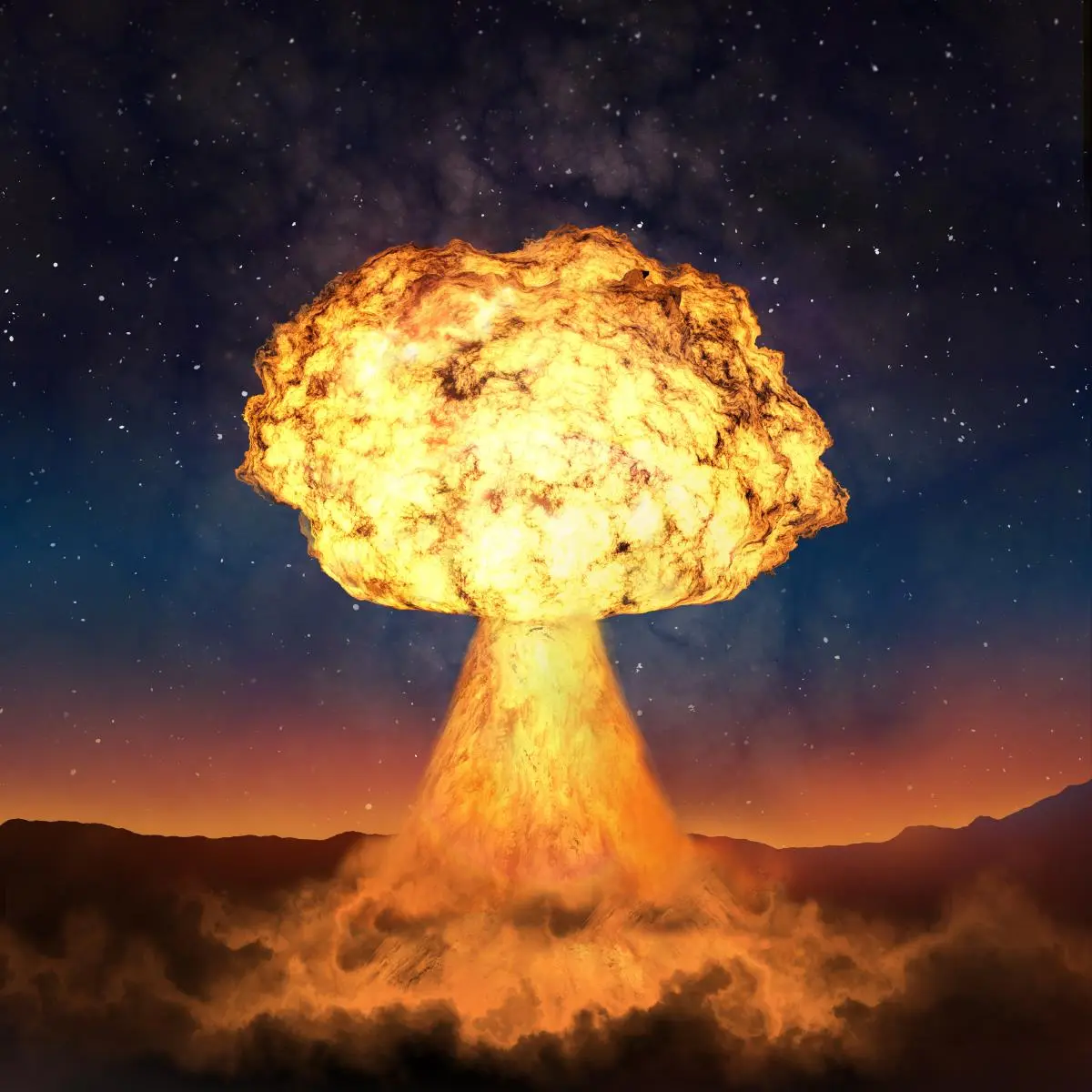
When the public imagines a nuclear disaster, the visual lexicon is almost universally uniform: a blinding, instantaneous flash of light, an overwhelming shockwave leveling infrastructure, and a towering, ominous mushroom cloud billowing into the stratosphere. This cinematic framing captures the immediate, catastrophic physical destruction of a nuclear detonation.
However, in Chapter 5 of the streaming series "UNBREAKABLE," host Mike Adams shifts the analytical lens away from the initial kinetic devastation to focus on a far more insidious, prolonged hazard: radioactive fallout and the invisible contamination that lingers long after the smoke clears. According to the episode, the true danger of a nuclear event extends deep into the environment, traveling through the air people breathe, settling into the water they drink, and infiltrating the food chain.
Understanding this protracted phase of a nuclear disaster requires an examination of nuclear physics, radiobiology, and environmental science. By distinguishing between external radiation and internal contamination, public health experts and preparedness advocates are increasingly highlighting the need to look past the initial blast zone and recognize the complex, long-term biological threats posed by specific radioactive isotopes.
Main Facts: The Physics and Biology of Fallout
To comprehend the full scope of nuclear contamination, it is essential to analyze how radioactive materials behave once they are dispersed into the atmosphere and the surrounding ecosystem.
When a nuclear weapon detonates or a reactor containment fails, vaporized radioactive material is thrust high into the atmosphere. As this plume cools, it condenses and mixes with dirt, debris, and moisture, eventually falling back to Earth as nuclear fallout. While gamma rays and neutron radiation present immediate external threats during the blast, the fallout deposits millions of microscopic radioactive particles across vast geographical areas.
Adams’ presentation in "UNBREAKABLE" emphasizes a critical physiological distinction: the difference between external exposure—where radiation passes through or strikes the body from the outside—and internal contamination, which occurs when radioactive isotopes are inhaled, ingested through food or water, or absorbed through open wounds.
Once inside the human body, these radioactive elements behave unpredictably based on their chemical mimicry of essential bodily nutrients. Different isotopes target specific organs and tissues, concentrating radiation doses locally over extended periods:
- Iodine-131: A short-lived fission product that poses an acute risk following a nuclear event. The human body treats radioactive iodine similarly to stable dietary iodine, causing it to rapidly accumulate in the thyroid gland. This concentration can lead to significant cellular damage and long-term thyroid complications.
- Cesium-137: Chemically analogous to potassium, cesium-137 does not localize in a single organ. Instead, it distributes widely throughout the body’s soft tissues, particularly muscle mass, delivering continuous, low-level internal radiation.
- Strontium-90: A byproduct of nuclear fission that chemically mimics calcium. When ingested, strontium-90 tends to deposit directly into the skeletal structure and teeth. Because it embeds itself in bone matrix, it brings radioactive emissions into close, prolonged contact with the bone marrow, where vital blood cells are produced.
- Plutonium and Uranium: Heavy actinides characterized by their emission of alpha particles. While alpha radiation lacks the penetrating power of gamma rays—failing to penetrate even the outer layer of human skin—it becomes profoundly dangerous if the particulate matter is inhaled or ingested. Internally, alpha particles deliver an intense, highly concentrated dose of radiation directly to surrounding cellular structures over microscopic distances.
Chronology: The Timeline of a Multi-Stage Nuclear Crisis
A nuclear emergency cannot be understood merely as an isolated event lasting seconds or minutes. Instead, it unfolds across distinct temporal phases, evolving from a kinetic military or industrial accident into a protracted ecological and biological challenge.
Phase 1: The Initial Detonation and Prompt Radiation (Minutes 0–60)
The immediate aftermath of a nuclear blast is defined by extreme thermal energy, a violent pressure shockwave, and an intense pulse of prompt ionizing radiation (primarily gamma rays and neutrons). During this phase, survival depends entirely on physical shielding, distance from ground zero, and immediate structural integrity.
Phase 2: Atmospheric Dispersion and Initial Fallout Deposition (Hours 1 to 72)
As the mushroom cloud dissipates, prevailing wind currents carry radioactive debris downwind. Depending on weather patterns and precipitation, radioactive fallout begins to blanket landscapes, water reservoirs, and agricultural zones. This phase marks the beginning of the environmental contamination cycle, where unprotected populations risk acute external exposure and inhalation hazards from airborne particulates.
Phase 3: Agricultural and Ecological Integration (Days to Months)
Once fallout settles, it enters the biosphere. Microscopic radioactive isotopes are deposited onto soil and vegetation. Over subsequent weeks and months, root systems absorb these elements, while grazing livestock consume contaminated forage. This phase establishes the food-chain vector, introducing radionuclides into milk, meat, crops, and municipal water supplies.
Phase 4: Chronic Low-Dose Exposure and Biological Accumulation (Years to Decades)
The final phase is characterized by long-term persistence. While certain isotopes like iodine-131 decay rapidly within weeks, others—such as cesium-137 and strontium-90—have half-lives spanning decades, remaining active in the soil and biological tissues for generations. For populations living within or downwind of affected regions, this introduces the threat of chronic internal exposure, sub-clinical cellular stress, and cumulative genetic damage.
Supporting Data: Isotopes, Half-Lives, and Environmental Mobility
The persistence of a nuclear hazard is dictated by the radiological half-life of its constituent isotopes and their chemical behavior within ecosystems. Scientific data collected from historical nuclear incidents, such as the Chernobyl and Fukushima disasters, illustrate how specific radionuclides migrate through environmental pathways.
| Isotope | Radiological Half-Life | Primary Chemical Analogue | Target Organ / Tissue in Human Body | Environmental Pathway |
|---|---|---|---|---|
| Iodine-131 | ~8 days | Iodine | Thyroid Gland | Atmospheric $rightarrow$ Dairy / Vegetation $rightarrow$ Ingestion |
| Cesium-137 | ~30 years | Potassium | Soft Tissues (Muscle) | Soil $rightarrow$ Crops / Livestock $rightarrow$ Food Chain |
| Strontium-90 | ~28.8 years | Calcium | Bones and Teeth | Soil $rightarrow$ Root Uptake $rightarrow$ Dairy and Crops |
| Plutonium-239 | 24,110 years | Iron / Transferrin | Lungs, Liver, Bone Marrow | Inhalation of Particulates $rightarrow$ Systemic Retention |
As demonstrated by these metrics, the danger does not diminish uniformly. While short-lived isotopes demand immediate emergency responses (such as the distribution of potassium iodide prophylaxis to protect the thyroid), long-lived fission products necessitate sustained monitoring of agricultural yields, water filtration systems, and dietary inputs to prevent systemic bioaccumulation.
Official Responses: Emergency Preparedness and Public Health Strategies
Government agencies, international bodies such as the International Atomic Energy Agency (IAEA), and public health organizations have established standardized protocols for mitigating the risks associated with radioactive fallout. These official responses typically focus on immediate shelter-in-place directives, evacuation procedures, and pharmacological interventions.
Sheltering and Evacuation
In the event of a nuclear detonation or radiological release, authorities generally advise populations within the fallout zone to seek immediate shelter in buildings with thick walls and basements. Basements and interior rooms provide crucial mass that attenuates gamma radiation. Evacuation is carefully coordinated based on real-time meteorological data to prevent populations from moving directly into the path of the radioactive plume.
Prophylactic Measures
Public health responses often include the strategic administration of potassium iodide (KI) tablets. When taken prior to or shortly after exposure to radioactive iodine, KI saturates the thyroid gland with stable iodine, effectively blocking the uptake of radioactive iodine-131 and significantly reducing the risk of subsequent thyroid cancers. However, official guidelines emphasize that potassium iodide offers no protection against other radioactive isotopes, such as cesium-137, strontium-90, or plutonium.
Food and Water Safety Regulations
Following a radiological incident, agricultural authorities enforce strict embargoes on locally produced milk, fresh vegetables, and rainwater harvesting within contaminated radii. Food safety protocols require extensive testing of agricultural goods to ensure that radionuclide concentrations remain below internationally recognized safety thresholds before entering commercial distribution networks.
Implications: Rethinking Radiation, Cellular Resilience, and Genetic Preparedness
The broader implications of viewing nuclear disasters through the lens of internal contamination and environmental integration challenge conventional preparedness models. If the threat is not merely a momentary flash of light and heat, but a slow, invisible infiltration of the food chain and human tissue, then long-term survivability depends heavily on biological resilience and ecological awareness.
Discussions in educational frameworks like “UNBREAKABLE”—which explores cellular repair pathways, DNA integrity, and environmental stressors—reflect a growing interest in understanding how biological systems respond to ionizing radiation at a cellular level. Medical and scientific research continues to investigate natural DNA repair mechanisms, such as non-homologous end joining (NHEJ) and homologous recombination, which help cells mend double-strand breaks caused by radiation and other environmental genotoxins.
Furthermore, the realization that contamination can travel hundreds or thousands of miles via atmospheric circulation and agricultural trade underscores the interconnected nature of global public health. A localized nuclear event possesses transboundary consequences that can subtly alter the radiological baseline of distant ecosystems.
Ultimately, expanding the conversation beyond the mushroom cloud encourages a more comprehensive approach to disaster preparedness. By recognizing that ionizing radiation is not a uniform hazard—and that internal contamination poses distinct biological challenges—scientists, educators, and the public can better understand the complex, multi-layered realities of modern radiological threats.
Want to Know More?
To explore the scientific concepts surrounding cellular integrity, DNA repair pathways, and environmental resilience in greater depth, viewers can access the complete 13-chapter "UNBREAKABLE" course, streaming via BrightU.
The curriculum delves into the fundamentals of cellular biology, examining mechanisms involving double-strand breaks, homologous recombination, and cellular proteins such as BRCA1, 53BP1, and CHK1. Additionally, the course reviews perspectives on environmental stressors, nuclear fallout dynamics, and nutritional strategies aimed at supporting the body’s natural regenerative processes.
The complete course package and accompanying educational materials are available for purchase through Brighteon University.
Sources: