







BOSTON, MA — In an era marked by a surging consumer interest in holistic health, plant-based remedies, and natural self-care, the path to becoming a confident herbalist can often feel like navigating a dense forest without a map. With thousands of botanical species available, a myriad of preparation methods—from teas and tinctures to poultices and capsules—and a complex web of safety considerations, beginners and intermediate practitioners alike frequently experience information overload.
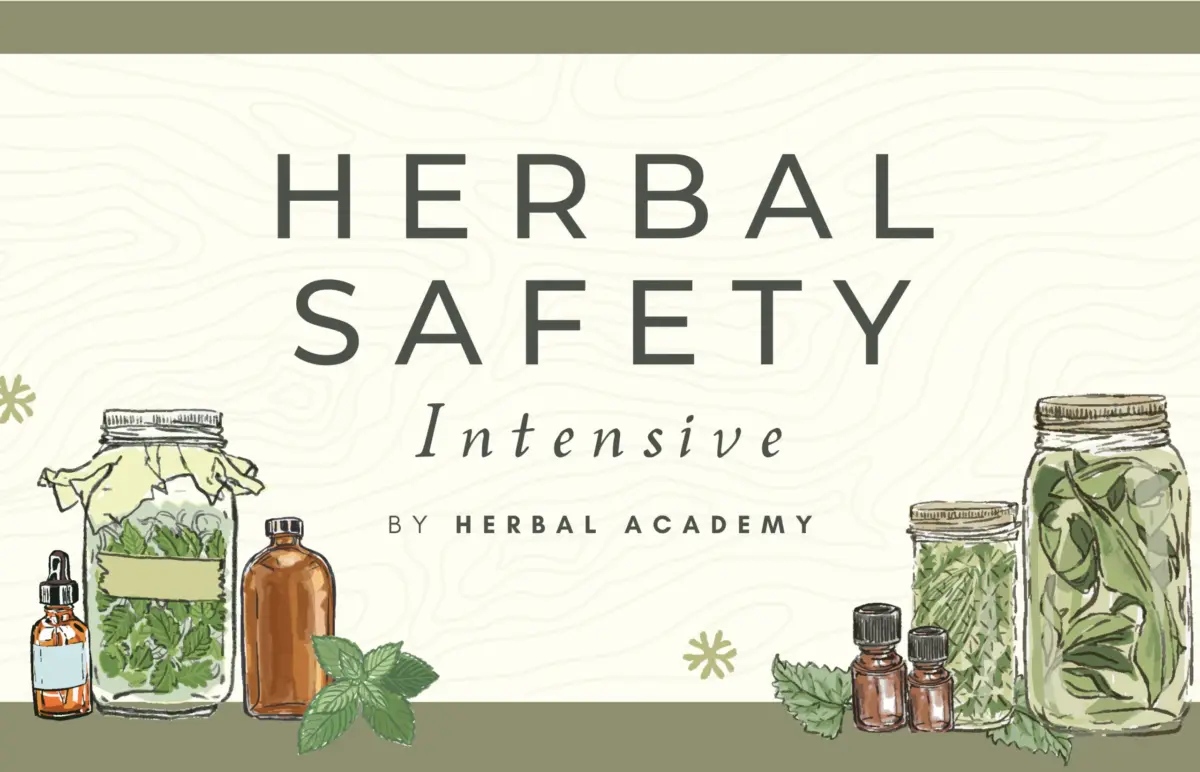
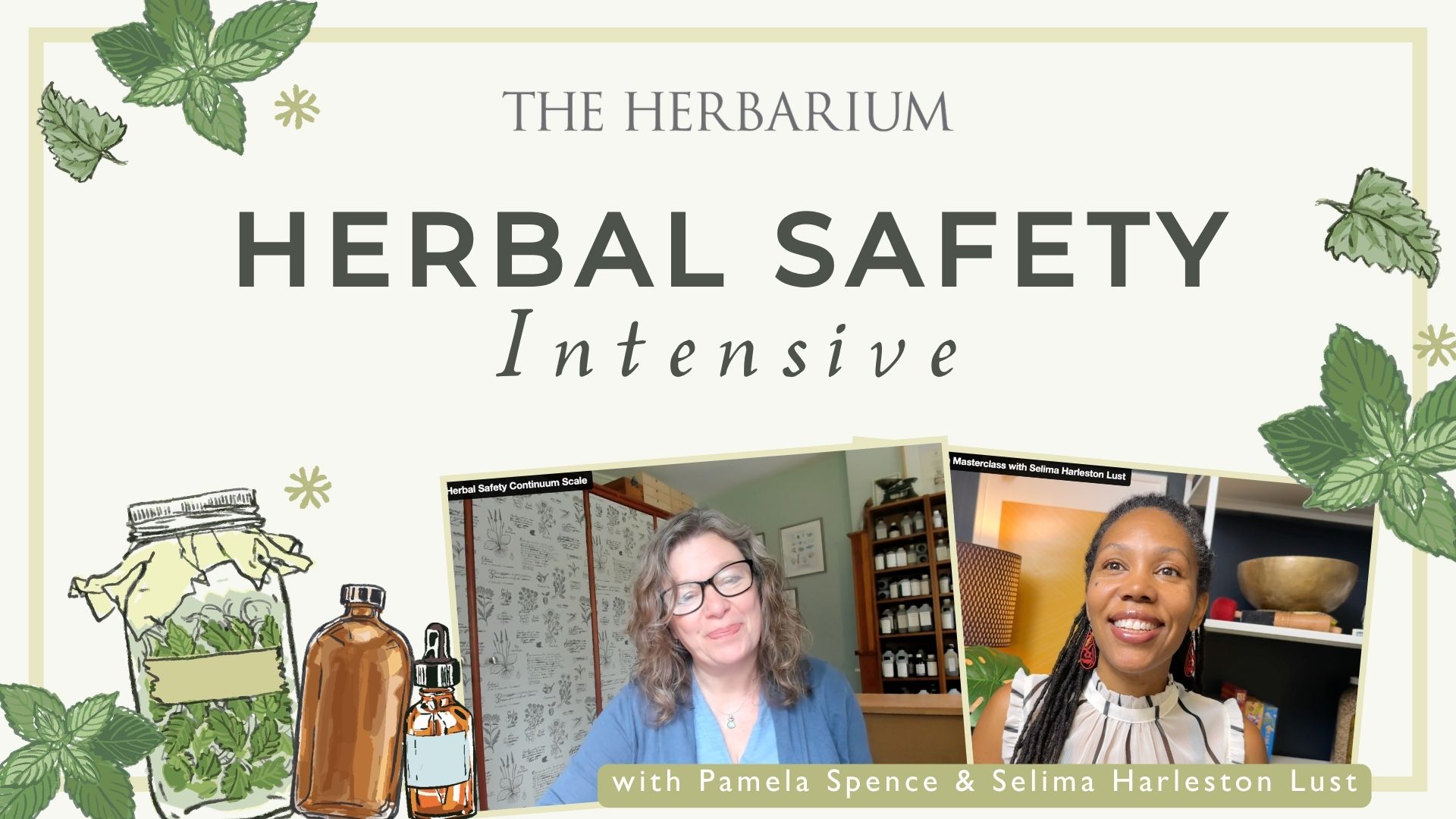
Addressing this critical knowledge gap, the esteemed Herbal Academy has introduced the Herbal Safety Intensive, a masterclass designed to establish clinical rigor and foundational safety within home and professional herbal practices. Led by seasoned clinical herbalists and educators Pamela Spence, MNIMH, and Selima Harleston Lust, the new program introduces definitive educational frameworks, including the proprietary "Herbal Safety Continuum Scale," aimed at empowering practitioners to utilize botanicals with precision, confidence, and absolute safety.
Main Facts: A New Standard for Botanical Education
The Herbal Safety Intensive represents a structured, multi-session curriculum hosted within The Herbarium, the Herbal Academy’s expansive digital resource library. The program’s core objective is twofold: to provide clear, standardized methodologies for assessing plant potency and dosage, and to train practitioners in the rigorous evaluation of scientific and traditional literature.
- Core Framework: Introduction of the Herbal Safety Continuum Scale, ranking botanicals from 1 (gentle, nourishing, and universally safe) to 5 (potent, requiring advanced clinical knowledge).
- Expert Leadership: Developed and taught by clinical herbalists Pamela Spence, MNIMH, and Selima Harleston Lust.
- Accessibility: Integrated directly into The Herbarium, a virtual subscription-based library containing over 200 searchable herbal monographs, topic-specific intensives, and masterclasses.
- Curriculum Scope: Spans five comprehensive sessions covering safety scales, dosage calculations, acute-use protocols, sensitive demographics (such as pregnancy and pediatric care), and source evaluation.
Chronology: The Evolution of Modern Herbal Safety
The launch of the Herbal Safety Intensive is the culmination of decades of evolving clinical practice and educational standardization within the modern herbalism community.
Pre-2000s: The Oral Tradition and Fragmented Literature
For generations, herbal knowledge was passed down primarily through oral traditions, folklore, and decentralized regional texts. While rich in cultural history, this approach often lacked universal safety metrics, standardization in dosing, or cross-referenced data regarding pharmacological interactions with modern pharmaceuticals.
The 2010s: The Rise of Evidence-Based Herbalism
As complementary and alternative medicine (CAM) gained traction in Western healthcare spaces, a concerted effort arose among clinical practitioners to bridge traditional wisdom with modern scientific validation. Organizations like the Herbal Academy began structuring formalized curricula to separate anecdotal claims from clinically verified data, emphasizing botanical taxonomy, constituents, and physiological safety profiles.
Present Day: Structured Digital Integration
Recognizing that the democratization of information via the internet has introduced both high-quality resources and unverified, potentially dangerous medical advice, educators identified an urgent need for critical discernment tools. The introduction of the Herbal Safety Continuum Scale marks a systematic shift—translating complex pharmacological parameters into an intuitive, gradient-based framework that allows practitioners of all levels to instantly gauge the safety threshold of a given plant.
Supporting Data and Educational Frameworks
The complexity of working with medicinal plants lies in their biochemical richness. Unlike isolated pharmaceutical compounds, which contain a single active ingredient, botanicals feature complex matrices of hundreds of chemical constituents that interact synergistically within the human body.
The Herbal Safety Continuum Scale
To make these biochemical realities manageable, the Herbal Academy’s clinical team developed a 1-to-5 ranking system:
- Level 1 (Nourishing & Gentle): Botanicals that are exceptionally safe, nutrient-dense, and suitable for almost everyone for daily, long-term use (e.g., Nettles, Oat Straw, Chamomile).
- Level 2 (Supportive & Mild): Generally safe herbs with specific mild physiological actions, suitable for regular use with minimal contraindications (e.g., Peppermint, Lemon Balm).
- Level 3 (Active Botanicals): Herbs with pronounced physiological effects that require careful consideration regarding duration of use and baseline health status (e.g., Echinacea, Valerian).
- Level 4 (Potent Remedies): Botanicals requiring precise dosage calculations, short-term usage parameters, and a solid understanding of potential side effects.
- Level 5 (Advanced Clinical Botanicals): Highly potent, specialized plants that demand advanced professional training, strict dosage accuracy, and clinical supervision due to narrow therapeutic windows.
Comprehensive Curriculum Breakdown
The five-part structure of the Herbal Safety Intensive systematically builds the student’s competency:
- Session 1: The Herbal Safety Continuum Scale: Establishes the foundational spectrum of herb safety, distinguishing between short-term remedies and long-term tonics.
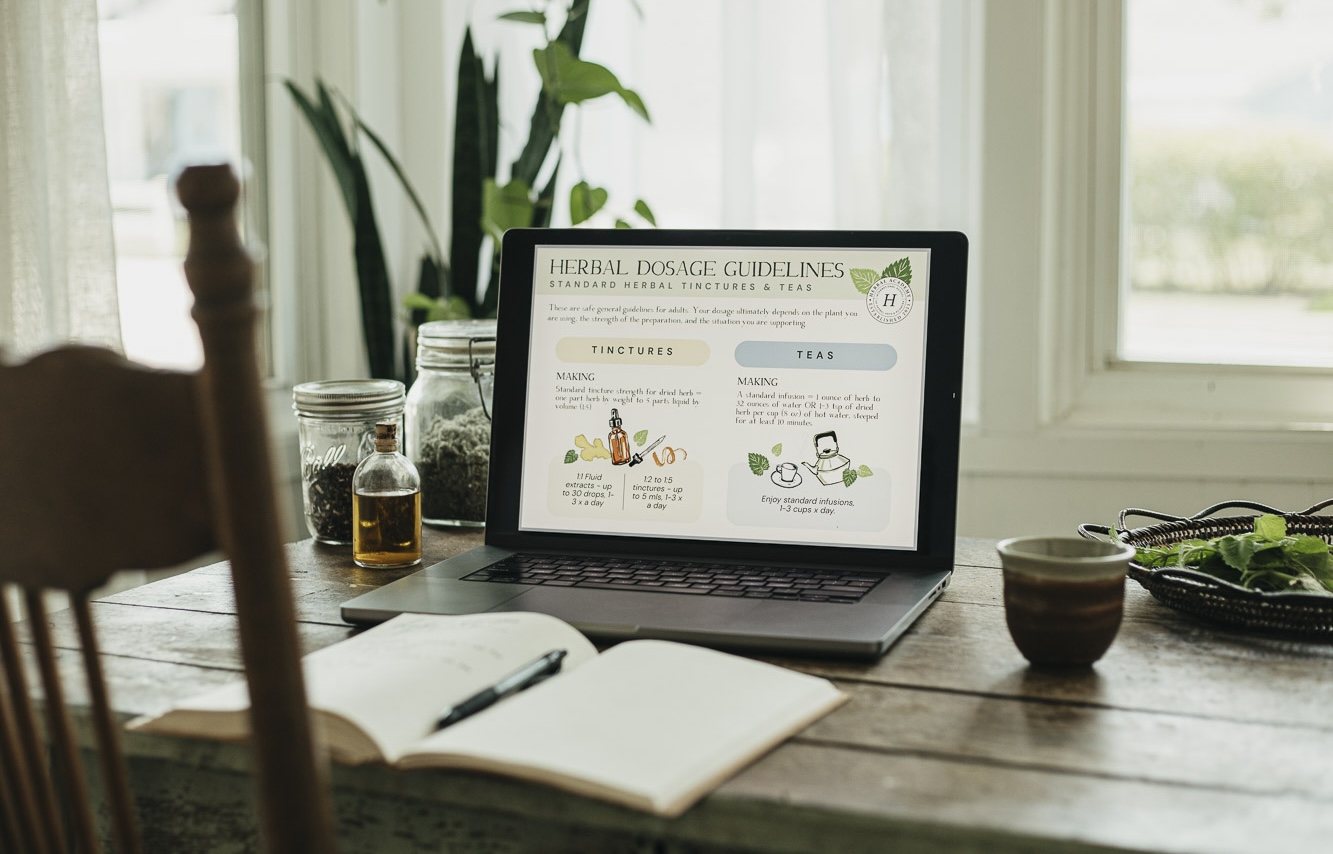
- Session 2: Determining Herbal Dosage: Teaches mathematical and qualitative approaches to calculating safe doses based on plant category and preparation method (infusions, tinctures, fluid extracts).
- Session 3: Dosing Acute-Use Herbs: Focuses on protocols for deploying potent herbs during active illness or short-term seasonal needs without overtaxing the system.
- Session 4: Sensitive Populations & Herb-Drug Interactions: Addresses vital contraindications for vulnerable groups—including children, pregnant and nursing individuals, the elderly, and patients on prescription medications.
- Session 5: Finding Safe Herbal Information: Cultivates critical thinking skills, teaching students how to identify red flags in online content, evaluate historical versus modern texts, and locate peer-reviewed, experience-backed sources.
Expert Perspectives and Official Responses
The development of the Intensive reflects a broader professional consensus among clinical herbalists regarding the necessity of structured risk management in natural health.
"The first step in becoming a confident herbalist is to have an in-depth understanding of the herbs you are working with," notes Pamela Spence, MNIMH, Lead Herbalist Educator at the Herbal Academy. "This can feel overwhelming initially, as there are so many herbs, multiple ways to use each one, and a range of safety considerations to keep in mind. Our goal with the Herbal Safety Continuum Scale is to provide a clear, empowering framework so practitioners can move forward with absolute clarity."
In an era where misinformation spreads rapidly across social media platforms, institutional credibility has become paramount. Selima Harleston Lust, fellow Lead Herbalist Educator, emphasizes the urgency of information literacy:
"Trusted herbal information is just as important as foundational physical tools. As researchers and students navigate an ocean of online content, developing discernment is what separates safe, effective practice from risky experimentation. We must teach our community how to trace claims back to reputable, experience-backed sources."
Educational administrators point out that the integration of the Intensive into The Herbarium digital platform ensures that these high standards of safety remain accessible to a global audience, scaling from hobbyists and home gardeners to integrative healthcare professionals.
Implications: Shaping the Future of Holistic Healthcare
The launch of the Herbal Safety Intensive carries significant implications for the broader wellness and integrative medicine landscape.
1. Elevating the Standard of Practice
By demystifying dosage calculations and establishing strict parameters for vulnerable populations, programs like this bridge the historical gap between grassroots herbalism and clinical accountability. This standardization reduces the risk of adverse events, allergic reactions, and negative herb-drug interactions—concerns frequently cited by conventional medical practitioners regarding botanical supplements.
2. Enhancing Collaboration Between Conventional and Integrative Medicine
As patient demand for holistic options grows, conventional medical providers—including physicians, pharmacists, and nurses—are increasingly required to understand what their patients are taking. Structured educational frameworks that emphasize robust pharmacological awareness, transparent sourcing, and clear safety limits facilitate healthier, more informed dialogues between patients, herbalists, and primary care doctors.
3. Fostering Consumer Confidence
Ultimately, the democratization of clinical-grade safety data transforms how individuals approach personal wellness. By moving away from fear-based avoidance or reckless experimentation, everyday consumers are equipped to reclaim agency over their health responsibly, supported by time-tested traditions validated through modern educational frameworks.
Conclusion and Availability
The Herbal Safety Intensive is currently available to members through The Herbarium digital library platform. Subscribers utilizing quarterly or annual membership tiers gain immediate access to the complete five-session curriculum, alongside an extensive catalog of over 200 searchable monographs, masterclasses, and specialized intensives covering topics ranging from botanical nootropics to regenerative herbalism.
For individuals seeking to deepen their understanding of plant medicine while anchoring their practice in safety, professionalism, and rigorous research, the Herbal Academy’s latest offering sets a new benchmark for accessible, high-caliber herbal education.
To learn more about the curriculum or to sign up for membership, visit the official Herbarium portal.