








WASHINGTON — In the ever-expanding multi-billion-dollar artisan craft and handmade cosmetics sector, a quiet aesthetic revolution is taking place on kitchen counters and in professional studios alike. Crafters who once relied on the standard, repetitive "melt, pour, wait, and unmold" cycle of melt-and-pour soap making are embracing a sophisticated technique known as soap curls.

Far from a fleeting internet trend, this tactile innovation is breathing new life into the handmade soap industry. By transforming solid blocks of soap into delicate, translucent ribbons, makers are elevating simple bath products into high-end, gallery-worthy pieces of functional art. Simultaneously, the technique has inadvertently tapped into the booming global ASMR (Autonomous Sensory Meridian Response) market, introducing a multi-sensory dimension to personal care products that consumers are eagerly buying into.

Main Facts: What Are Soap Curls and Why the Sudden Surge?
Soap curls are thin slivers or shavings of soap peeled from a larger hardened block or poured sheet. As the blade or tool moves across the soap, the material naturally rolls into delicate, ribbon-like architectures. These curls can be utilized in several distinct ways:

- Surface Decoration: Adorning the tops of artisan bars to mimic frosting or gift bows.
- Textured Exfoliation: Creating a unique, crunchy tactile experience that acts as a gentle, non-abrasive physical scrub once the soap hardens over time.
- Internal Layering: Embedding intricate shapes or rolled cylinders into transparent or opaque soap loaf molds for a striking, professional cross-section when sliced.
According to data compiled from prominent DIY and craft trend forecasters, searches for advanced melt-and-pour techniques have risen significantly over the past year. Artisans are actively seeking methods that add high visual impact to their products without requiring the complex chemistry or intense equipment investments associated with traditional cold process soap making.

Chronology of a Trend: From Kitchen Experimentation to the Mainstream
The evolution of the soap curl technique mirrors the democratization of crafting through social media platforms, where visual aesthetics and sensory satisfaction drive consumer engagement.

- Phase 1: The Monotony Breakthrough. Crafters utilizing melt-and-pour bases—valued for their safety and ease of use due to the pre-saponified base—grew fatigued by flat, uniform bar designs. Early innovators began experimenting with kitchen scrapers and vegetable peelers to clean up rough edges on hardened soap bars.
- Phase 2: Discovery of the Ribbon Effect. Makers noticed that when specific soap bases reached a precise cooling threshold, shaving them yielded continuous, elastic curls rather than brittle dust or crumbles.
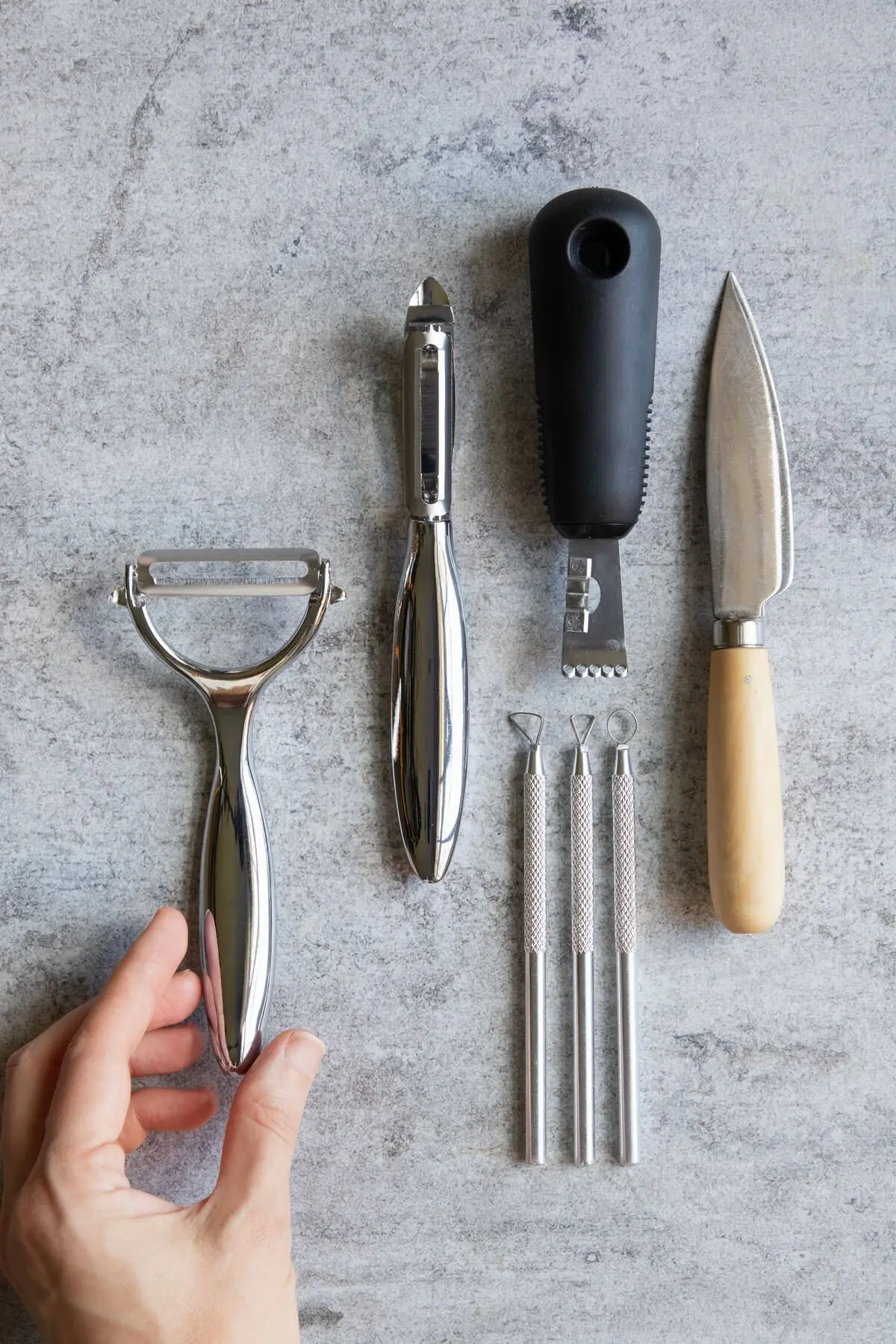
- Phase 3: Diversification of Tools. The craft community systematically tested standard household and specialty instruments—ranging from citrus zesters and Y-shaped vegetable peelers to Japanese clay-trimming loops and cheese planers—to catalog the different thicknesses and textures each tool produced.
- Phase 4: Commercialization and Gift Applications. Advanced designers began packaging these curls into specialized creations, most notably "gift box soaps" featuring intricate gold-tinted ribbons and bows, establishing soap curls as a viable commercial product for the lucrative holiday gifting market.
Supporting Data & Methodologies: The Five Pillars of Soap Curling
Industry workshops and comprehensive crafting guides have standardized five distinct methodologies for generating soap curls, each tailored to achieve a specific artistic outcome.

1. The Vegetable Peeler Method (Classic Ribbons)
- Process: Melt and pour soap into a single-cavity mold. Once cooled and unmolded, the maker firmly grasps the block (using a paper towel to counter glycerin slipperiness) and runs a standard vegetable peeler along the long, flat side.
- Result: Uniform, elegant ribbons that naturally curl under the tension of the blade.
2. The Citrus Zester Method (Confetti Shavings)
- Process: Dragging a citrus zester lightly across the wide face of a small soap block.
- Result: Fine, delicate, confetti-like particles ideal for subtle interior layering or speckled surface textures.
3. The Clay Trimming Tool Method (Organic Textures)
- Process: Using a ceramic or wire clay trimming loop to pull irregular, organic slices from a hardened bar.
- Result: Imprecise, rustic curls that add depth and a handmade aesthetic to rustic-style soaps.
4. The Y-Shaped Peeler & Loaf Mold Technique (Structured Strips)
- Process: Pouring a roughly one-inch layer of melted soap into the bottom of a loaf mold. Once set, the soap is sliced into two-inch-wide strips and shaved with a Y-peeler.
- Result: Thicker, more resilient strips that can be molded by hand into structural designs.
5. The Thin-Pour Method (Floral Sculpting and ASMR Textures)
- Process: Pouring an extremely thin layer (roughly $frac116$ of an inch) into a loaf mold. After 5 to 10 minutes of partial setting, the pliable sheet is removed, cut into strips, and rolled manually.
- Result: When executed with thicker bases (like those shaped with a cheese planer), these sheets can be intricately wound to form soap roses, perfect for luxury floral-themed bars. When left unmanipulated and dried for extended periods, they develop a distinct, satisfying crunch prized by ASMR enthusiasts.
Official Recommendations & Troubleshooting Data
While accessible, the technique demands precise environmental and thermal control. Master soap makers have identified several common failure points and officially documented solutions to assist novices:

- Cracked Curls: Caused by low elasticity in the soap base. The Fix: Add 1 to 2 tablespoons of liquid glycerin to the melted base to boost flexibility.
- Trapped Air Bubbles: Occurs during the embedding of curls into loaf molds. The Fix: Embed curls at an angle to allow air to escape, and thoroughly spritz the layers with rubbing alcohol before and after pouring.
- Fragile Curls Falling Apart: The Fix: Lightly mist finished curls with rubbing alcohol to chemical-set their outer layer without dissolving the structure.
- Melting Embeds: Happens when the secondary over-pour soap is too hot. The Fix: Ensure pouring temperatures do not exceed 140°F (60°C) to preserve underlying curls.
- Material Selection: Experts advise testing multiple commercial bases. Bases that are overly soft yield mushy curls, while overly brittle bases fracture under pressure. For the optimal ASMR "crunchy soap" texture, thin curls must be cured in a well-ventilated space for approximately five weeks.
Implications: Economic, Sensory, and Industry Shifts
The mainstream adoption of soap curls carries profound implications for the artisanal cosmetics market.

Economically, the technique lowers the barrier to entry for micro-entrepreneurs. Because melt-and-pour bases require no handling of hazardous lye (sodium hydroxide), crafters can safely produce high-end, visually complex inventory in domestic kitchens—products that command premium retail prices due to their labor-intensive appearance.

From a consumer psychology perspective, the trend aligns with the booming demand for sensory-rich, experiential retail. In an era dominated by digital fatigue, consumers increasingly seek physical products that engage multiple senses. The visual intricacy of embedded soap ribbons, combined with the tactile engagement of using a textured, multi-layered bar—and the auditory satisfaction of the ASMR community—transforms a mundane hygienic necessity into an act of mindfulness and self-care.

As the craft community continues to innovate, experimenting with transparent bases for suspended visual effects and colored mica powders for vibrant contrasts, soap curls have securely transitioned from a clever kitchen hack into a defining hallmark of modern artisan soap making.