










When the summer sun beats down and temperatures soar, few beverages offer the immediate, crisp relief of a cold glass of lemonade. A quintessential fixture of American culture since the 1800s—frequently immortalized by neighborhood children operating pop-up stands on suburban sidewalks—lemonade is far more than a seasonal treat. It is a drink with a rich, global lineage that stretches back over a thousand years.
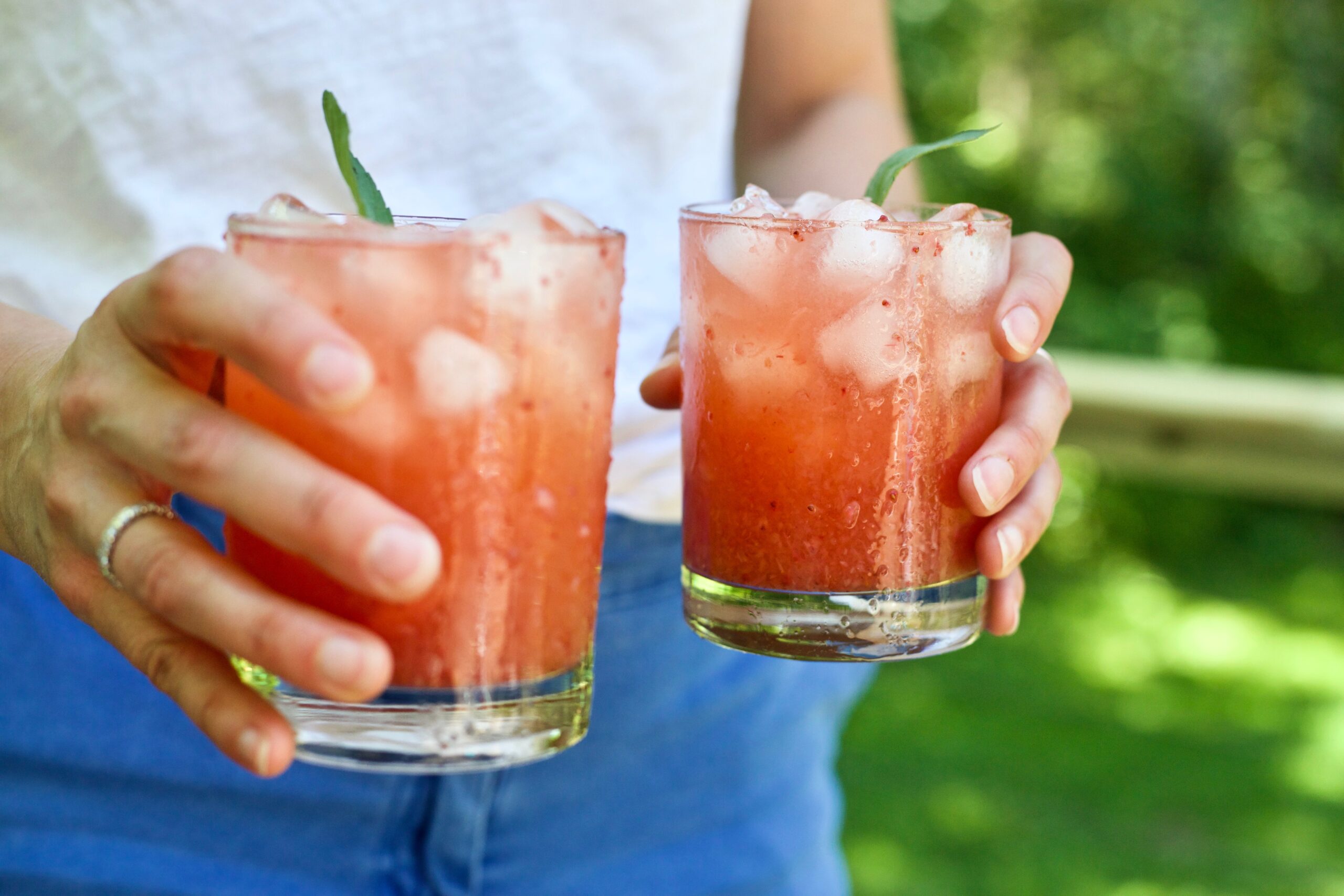
As strawberry season reaches its peak, herbalists and culinary enthusiasts are reimagining this classic refresher by blending fresh summer fruit with functional, cooling herbs. By pairing the natural vitamin C and antioxidants of fresh strawberries and lemons with the therapeutic properties of peppermint or basil, home cooks can elevate a simple beverage into a revitalizing wellness tonic.
Main Facts: The Anatomy of a Modern Herbal Classic
At its core, lemonade is deceptively simple: citrus, water, and sweetener. However, the modern culinary landscape invites endless innovation. The introduction of fresh strawberries brings a burst of seasonal sweetness alongside a heavy dose of vitamin C and potent antioxidants, while botanical infusions transform the drink into a functional elixir.
Rather than relying solely on refined white sugar, contemporary recipes often incorporate raw, local honey to balance the sharp acidity of freshly squeezed lemon juice. Furthermore, adding sparkling water introduces a lively effervescence that elevates the beverage from a quiet afternoon drink to a centerpiece worthy of summer gatherings.
The Botanical Enhancement: Mint and Basil
To truly understand the appeal of herbal lemonade, one must examine the specific herbs commonly used to flavor it:
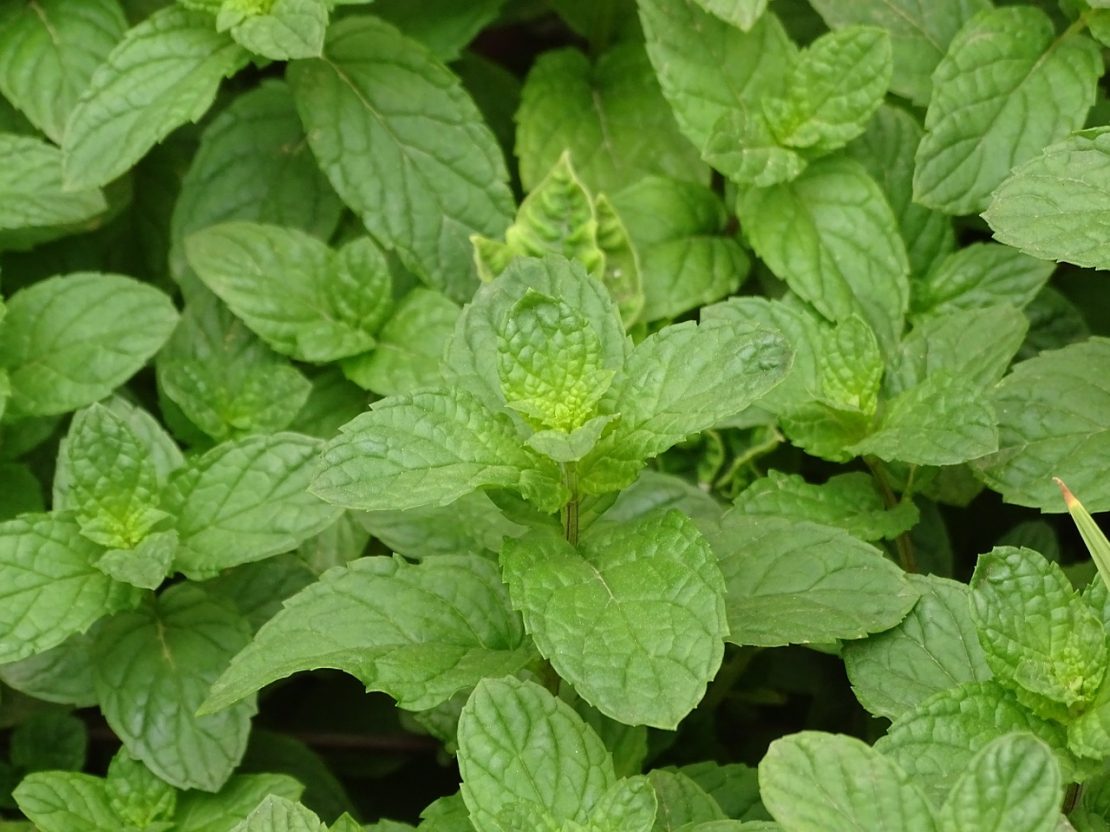
- Peppermint (Mentha x piperita): A staple of summer beverages, peppermint has a millennia-long history in both Ayurvedic and traditional Chinese medicine. Valued for its ability to soothe tension and support respiratory and digestive systems, peppermint owes its cooling properties to menthol—its primary volatile compound. Menthol interacts with cold-sensitive receptors in the body, creating a genuine sensation of internal cooling that provides welcome relief from intense heat.
- Sweet Basil (Ocimum basilicum): While widely recognized as a culinary herb, sweet basil boasts a robust medicinal profile. In traditional Chinese medicine, basil is prized for supporting kidney health, aiding digestion, and easing physical tension. Furthermore, its rich concentration of flavonoids offers antioxidant properties that support a healthy immune response, while its essential oils exhibit mild analgesic qualities. When muddled with fresh strawberries, basil creates a complex, sophisticated flavor profile ideal for unwinding after a long day.
Chronology: A Global History of Lemonade
While contemporary culture often associates lemonade with American front porches and backyard barbecues, its origins are deeply rooted in the ancient trade routes and medical traditions of the Middle East, Europe, and the British Royal Navy.
10th-Century Egypt: The Birth of Qatarmizat
The earliest historical record of a beverage resembling modern lemonade dates back to 10th-century Egypt. Known as qatarmizat, this early precursor was crafted from a simple yet potent mixture of lemon juice, water, and sugar. Unlike modern consumption habits—which treat lemonade primarily as a sweet indulgence—10th-century societies viewed the beverage through a medicinal lens.
12th-Century Remedies
By the 12th century, Egyptian physicians and healers frequently prescribed qatarmizat as a therapeutic remedy. Historical texts indicate the drink was utilized to alleviate sore throats, calm digestive upsets, and remedy the physical toll of overindulgence (Sonneman, 2012). Lemons, valued for their acidity and preservation qualities, were recognized early on as agents of bodily balance.

17th-Century Paris and the Compagnie de Limonadiers
The beverage eventually migrated to Europe, finding a booming market on the bustling streets of 17th-century Paris. Street vendors began selling a carbonated, fizzy iteration of lemonade directly to pedestrians. The public appetite for the refreshing drink was so immense that these vendors formally unionized, establishing the historic “Compagnie de Limonadiers” to regulate and protect their trade.
Late 1700s: Scurvy and the British Royal Navy
By the late 18th century, the British Royal Navy recognized the critical health benefits of citrus. Sailors were issued a daily lemonade ration to combat scurvy—a debilitating disease caused by a severe vitamin C deficiency. The high concentration of ascorbic acid in lemons proved vital in keeping crews healthy during lengthy maritime expeditions (Kennedy, 2025).
19th-Century America and the Temperance Movement
Lemonade crossed the Atlantic to become an American institution during the 1800s. Its popularity surged dramatically during the rise of the temperance movement. As alcohol faced increasing social scrutiny and eventual prohibition, the Women’s Christian Temperance Union heavily promoted lemonade as a festive, socially acceptable, and delicious alternative at public gatherings and social events.
Supporting Data: Nutritional and Botanical Profiles
Integrating herbs and fresh fruit into a citrus base does more than simply enhance flavor; it introduces measurable nutritional benefits.
- Vitamin C Content: A single large lemon yields roughly 30 to 40 milligrams of vitamin C, an essential water-soluble antioxidant that supports immune function, skin health, and iron absorption. Combined with the high vitamin C profile of fresh strawberries, a standard serving of herbal strawberry lemonade delivers a substantial portion of the recommended daily intake.
- Volatile Oils in Herbs: Laboratory analyses of Mentha x piperita confirm that menthol and menthone make up over 50% of its essential oil composition. These compounds are responsible for the herb’s antispasmodic and carminative effects on the gastrointestinal tract. Similarly, the rosmarinic acid found in Ocimum basilicum acts as a powerful free-radical scavenger, mitigating oxidative stress within the body.
Official Recommendations and Culinary Guidelines
To assist home cooks in mastering this seasonal beverage, culinary experts and herbalists have established standardized formulation guidelines. Below is the blueprint for creating a balanced, professional-grade herbal strawberry lemonade.
+-------------------------------------------------------------+
|               HERBAL STRAWBERRY LEMONADE RECIPE             |
+-------------------------------------------------------------+
| Prep Time: 15 minutes                                       |
| Yield: Approx. 6 servings                                   |
|                                                             |
| INGREDIENTS:                                                |
| - 5 organic strawberries, diced                             |
| - 10-15 fresh peppermint or sweet basil leaves              |
| - 8 fl oz (1 cup) filtered water                            |
| - 1/2 cup raw, local honey (adjusted to taste)              |
| - 16 fl oz (2 cups) freshly squeezed lemon juice (~12 lemons) |
| - 2 cups sparkling water (chilled)                          |
| - Lemon slices and herbal sprigs for garnish                |
+-------------------------------------------------------------+
Step-by-Step Preparation Instructions
- Create the Botanical Infusion: In a sturdy mixing glass or pitcher, combine the diced organic strawberries and the fresh peppermint or basil leaves.
- Muddle Thoroughly: Using a muddler or the back of a wooden spoon, firmly press the fruit and herbs against the bottom of the vessel. This crucial step ruptures the plant cell walls, releasing the essential oils of the herbs and the vibrant juices of the strawberries.
- Prepare the Sweetener Base: In a separate bowl, whisk the raw, local honey into 1 cup of warm filtered water until completely dissolved. Pour this mixture over the muddled strawberry and herb blend, allowing the flavors to steep for 10 to 15 minutes.
- Incorporate the Citrus: Strain the mixture through a fine-mesh sieve to remove unwanted seed and leaf fragments, capturing the fragrant syrup in a large pitcher. Stir in the 2 cups of freshly squeezed lemon juice.
- Add Effervescence and Serve: Note: Sparkling water will lose its carbonation if added too far in advance. Just before serving, gently stir in the chilled sparkling water. Pour over ice, garnish with extra lemon slices and herbal sprigs, and serve immediately.
Implications: The Rise of Functional Mixology
The enduring appeal of lemonade—and its recent evolution into functional herbal mixology—reflects broader cultural shifts toward health-conscious consumption and DIY culinary arts.
As consumers increasingly seek out food and beverage options that offer functional health benefits without sacrificing taste, traditional herbalism is finding a welcoming home in modern kitchens. Platforms like The Herbarium and educational organizations such as the Herbal Academy continue to document these practices through comprehensive plant monographs and specialized workshops, ensuring that historical botanical knowledge remains accessible to the public.
Furthermore, the popularity of free digital resources, such as specialized e-books featuring fifteen distinct functional lemonade variations, demonstrates a growing public appetite for culinary experimentation. Whether utilizing cooling mint to combat summer heat or incorporating antioxidant-rich culinary herbs like basil, the modern home cook is rediscovering what ancient civilizations knew centuries ago: food and medicine are deeply intertwined, and simple ingredients, thoughtfully prepared, remain the ultimate remedy.