






By The Wild Hunt Newsroom
Published: August 6, 2026
Introduction: When Headlines Defy Logic
In modern media, the line between investigative journalism, cultural commentary, and sheer absurdity is frequently blurred. Every week, news cycles churn out developments that prompt editors, researchers, and cultural observers to pause, rub their eyes, and utter a collective, disbelieving query: Wait… what?
Sometimes, stories of interest are simply confusing. Occasionally, a sensational scent is picked up, sniffed, and ultimately dismissed as unworthy of pursuit. And then, there are those rare occurrences where the facts are so bizarre, politically charged, or wildly misreported that they demand a thorough public unpacking.

To address these peculiar intersections of religion, politics, and culture, The Wild Hunt proudly introduces its inaugural roundup feature: “What the Hounds?”
In this premier edition, the editorial team dives into three distinct, head-scratching stories from across the globe. From a Catholic counter-protest against an ancient Celtic harvest festival in Northern Ireland and an unconstitutional religious ban proposed by a Tennessee gubernatorial candidate, to a tragic Florida murder trial sensationalized by the media’s fixation on an ancient Egyptian deity, these events highlight how modern media and political actors frequently misunderstand—and weaponize—religious practices.
Main Facts: A Triad of Cultural and Religious Flashpoints
The stories featured in the debut of “What the Hounds?” span two continents and touch upon deeply sensitive issues of religious freedom, historical revisionism, and sensationalized true-crime reporting.

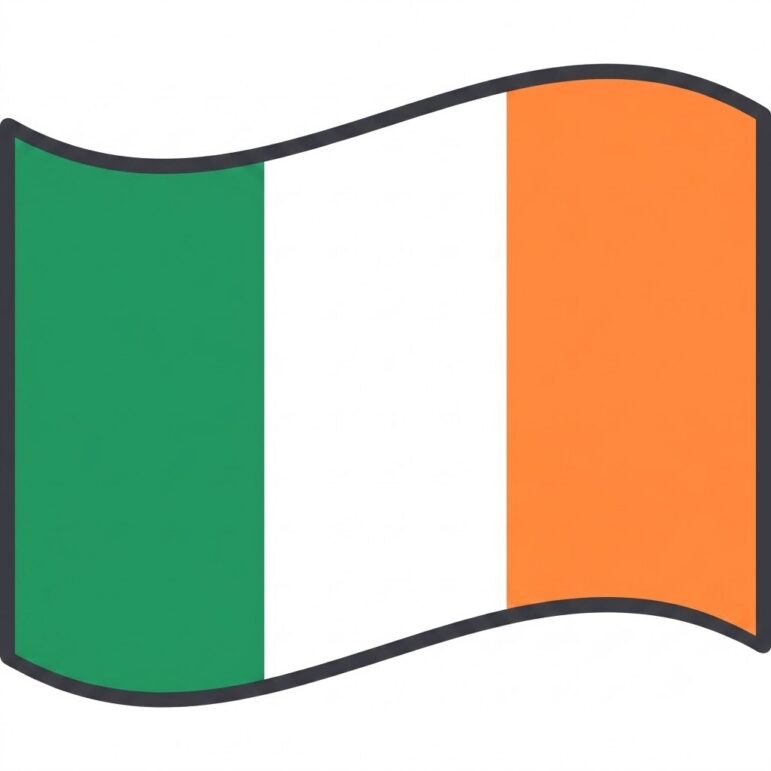
- Armagh, Northern Ireland: A faction of Catholic activists, led by prominent organizer Gerry McGeough, staged a public demonstration outside Navan Fort (Emain Macha). Armed with rosaries, the group prayed a “rosary of reparation” ahead of the annual Wickerman Gathering, condemning the festival of Lughnasa as a “satanic pagan festival.”
- Nashville, Tennessee: State Representative and Republican gubernatorial candidate Monty Fritts made headlines—and drew sharp bipartisan condemnation—by declaring his intent to ban mosques and non-Christian faiths, broadly labeling major world religions like Islam, Buddhism, and Hinduism under the inaccurate umbrella of “paganism.”
- Ocala, Florida: New legal details emerged in the trial of Dwain Hall, a Florida man accused of the premeditated murder of British music tutor Sonia Exelby. While the core of the case involves online fetish communities, severe mental health exploitation, and a gruesome cover-up, mainstream media reports heavily emphasized Hall’s personal worship of Anubis, the ancient Egyptian funerary god, without establishing any substantive link to the crime.
Chronology: Timeline of Events
To understand how these disparate stories unfolded, it is essential to trace their timelines, ranging from long-standing cultural traditions to ongoing legal proceedings.
- Pre-Christian Era to Present (Navan Fort): Navan Fort, historically known as Emain Macha, serves as a deeply significant archaeological and mythological site in Irish history. In the modern era, it hosts the annual Wickerman Gathering—a cultural festival celebrating Lughnasa (an ancient Gaelic harvest festival) featuring music, storytelling, and the ceremonial burning of a 30-foot wicker effigy.
- July / August 2026 (Armagh Protest): Ahead of the scheduled Wickerman Gathering weekend, Gerry McGeough and a group of Catholic traditionalists gathered at the gates of Navan Fort to protest the festivities, citing historical grievances and claiming the site was once a theater of human sacrifice.
- Mid-2026 Campaign Cycle (Tennessee): During a televised interview addressing his gubernatorial platform, Rep. Monty Fritts asserted that states hold the constitutional right to ban non-Christian religions, sparking a swift backlash from civil rights organizations and political opponents alike.
- The Florida Investigation & Upcoming Trial (Ocala):
- Phase One: Sonia Exelby, a 32-year-old British music tutor struggling with mental health issues, traveled to Florida after connecting with 53-year-old Dwain Hall via an online extreme-fetish platform.
- The Crime: Investigators allege Hall murdered Exelby, buried her in a shallow Marion County grave, and attempted to ship incriminating evidence (including a bloodstained knife) to a friend in Ohio.
- Legal Milestones: Hall was initially arrested for credit card fraud before first-degree murder and kidnapping charges were filed. Jury selection for his trial has been officially scheduled for November 16, 2026.
Supporting Data and Contextual Analysis
Each of these three headlines invites deeper academic and journalistic scrutiny, revealing persistent societal anxieties surrounding minority faiths, ancient history, and constitutional law.
1. The Lughnasa Controversy: History vs. Polemics
The protest at Navan Fort underscores a recurring tension between Ireland’s indigenous pre-Christian heritage and its dominant Catholic history. Organizers of the Wickerman Gathering take pains to emphasize that the event is a secular, cultural celebration of the harvest season designed to honor local folklore, art, and community.

Despite this, critics like Gerry McGeough rely on sensationalized narratives of ancient Celtic practices—specifically unproven claims of mass human sacrifice at Emain Macha—to frame modern pagan revivals as a spiritual threat. Sociologists note that such demonstrations often serve as signaling exercises for conservative traditionalist groups seeking to assert cultural dominance in a rapidly secularizing Ireland.
2. Constitutional Ignorance in Tennessee
Rep. Monty Fritts’ proposal to outlaw mosques and non-Christian religions highlights a profound misunderstanding of American constitutional jurisprudence. Fritts argued that because the First Amendment opens with the word "Congress," its restrictions apply exclusively to the federal legislature and leave state governments free to establish state religions or ban specific faiths.
However, constitutional scholars point out that this argument ignores over a century of legal precedent. Through the Fourteenth Amendment, the U.S. Supreme Court has repeatedly affirmed that the Establishment and Free Exercise Clauses apply fully to state and local governments. Furthermore, Fritts’ theological categorization drew widespread ridicule; grouping Islam (an Abrahamic monotheistic faith), Hinduism, and Buddhism under the banner of “paganism” defies both standard dictionary definitions and academic consensus.

3. Sensationalism in the Florida True-Crime Case
The Ocala murder case presents a tragic intersection of online exploitation, vulnerability, and severe mental illness. Yet, rather than focusing solely on the digital grooming and predatory behavior alleged against Dwain Hall, several media reports leaned heavily into his personal spiritual practices—specifically his veneration of Anubis.
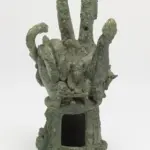
Anubis is widely revered by modern polytheists and Kemetic reconstructionists as a deity of protection, funerary rites, and guidance through the afterlife. While Hall’s alleged actions are heinous, prosecutors have presented no evidence suggesting that his religious devotion to an ancient Egyptian god motivated or influenced the murder.
Official Responses and Stakeholder Reactions
The public fallout from these three stories has drawn commentary from civil rights groups, religious leaders, and political figures.
- On the Navan Fort Protests: Local organizers of the Wickerman Gathering declined to engage directly with the protesters, choosing instead to focus on welcoming festival-goers. Observers noted that passing motorists offered mixed reactions, though local cultural preservationists defended the event as a vital expression of living Irish heritage.
- On the Tennessee Gubernatorial Controversy:
- The American Muslim Advisory Council issued a scathing condemnation of Rep. Fritts’ proposal, invoking Thomas Jefferson’s Virginia Statute for Religious Freedom to remind the public that America’s founding principles explicitly protect Muslims, Hindus, and people of all beliefs.
- Republican gubernatorial rivals Marsha Blackburn and John Rose distanced themselves from Fritts. Rose publicly affirmed that Americans must be free to practice their faith "without trampling on their rights."
- On the Florida Murder Trial: Legal analysts tracking the Ocala proceedings have emphasized that while digital evidence and forensic tracking form the backbone of the state’s case against Hall, the media’s inclusion of his religious practices represents an unnecessary appeal to exoticism—risking unfair prejudice without advancing the pursuit of justice.
Implications: What “What the Hounds?” Reveals About Modern Discourse
The debut of The Wild Hunt’s “What the Hounds?” highlights a troubling common denominator across all three stories: the tendency of public figures, protesters, and media outlets to project anxieties onto religious minorities and minority spiritual paths.
Whether it is conservative Catholic activists framing a community harvest festival as a demonic threat, a state lawmaker attempting to roll back centuries of religious freedom protections under a faulty reading of the Constitution, or true-crime reporters sensationalizing an individual’s personal polytheism to spice up a tragic criminal narrative, the underlying mechanism is the same. Religion—particularly non-mainstream, indigenous, or reconstructed faiths—is frequently weaponized as an easy scapegoat.
As The Wild Hunt’s editorial team put it in their inaugural verdict regarding the Florida case: “Unless prosecutors can demonstrate that Hall’s religious beliefs played a role in the alleged crime, mentioning Anubis tells readers more about the writer’s assumptions than it does about the case.”
Moving forward, “What the Hounds?” will continue to sniff out the absurd, the biased, and the downright bizarre in media reporting, ensuring that esoteric and minority traditions receive fair, clear-eyed analysis in an increasingly complex world.