









Main Facts: The Dawn of a Decentralized Energy Paradigm
As the cracks in America’s electrical infrastructure widen under the strain of exponential artificial intelligence data demand, extreme weather, and institutional obsolescence, a quiet technological revolution is taking shape. At the center of this paradigm shift is Unigrid, an energy storage innovator poised to commercialize a game-changing power solution: sodium-ion battery packs built for residential, commercial, and industrial off-grid applications.
Unlike traditional lithium-ion batteries that dominate current market share, Unigrid’s proprietary sodium chromium oxide chemistry bypasses the fragile, geopolitically volatile supply chains associated with critical minerals like cobalt and nickel. Sourced from ubiquitous, cheap sodium—essentially common salt—these cells promise superior thermal stability, immunity to cold-weather capacity collapse, and a drastically reduced total cost of ownership.
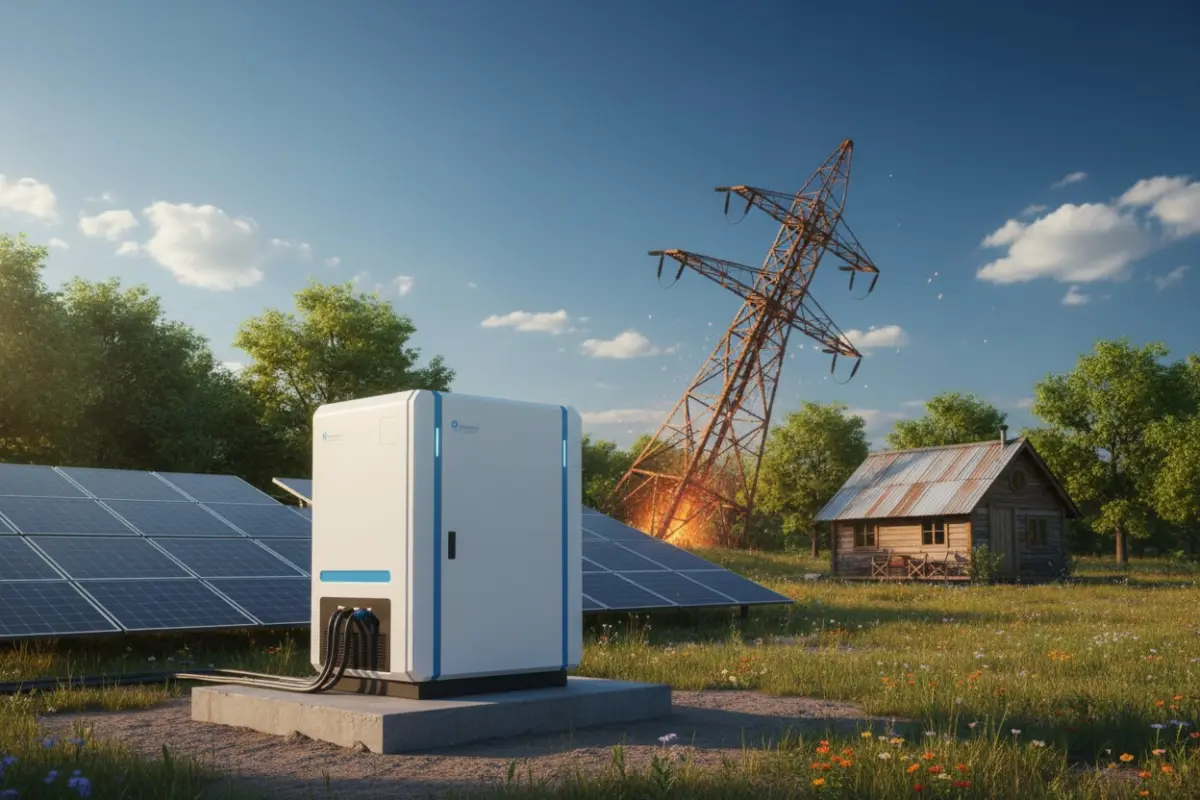
Scheduled for a commercial rollout between late 2026 and early 2027, Unigrid’s upcoming residential and industrial storage systems are targeted squarely at the escalating crisis of centralized power. With validation from automotive giant Hyundai and manufacturing pipelines designed to leverage high-efficiency global production lines, the company is bridging the gap between theoretical chemistry and real-world grid independence. For homesteaders, independent businesses, and communities plagued by rolling blackouts and utility failures, sodium-ion technology represents the long-awaited key to locking down absolute energy self-sufficiency.
Chronology: From Laboratory Curiosity to Commercial Reality
The path to sodium-ion commercialization has been long, marked by academic promise, early industrial setbacks, and a desperate race to secure alternative energy storage chemistries.
- The Early Decades of Lithium Dominance: For over thirty years, lithium-ion has reigned supreme in consumer electronics, electric vehicles (EVs), and grid storage. However, its heavy reliance on conflict-zone minerals and its susceptibility to catastrophic thermal runaway events exposed fundamental vulnerabilities that chemical engineers sought to resolve.
- The Academic Foundation: Researchers began revisiting sodium-ion chemistry—originally theorized alongside lithium in the 1970s—due to sodium’s abundance on Earth. Despite its lower energy density compared to lithium, sodium’s safety profile and raw material abundance made it an ideal candidate for stationary energy storage.
- Early U.S. Industry Struggles: The road to market for American startups has been fraught with economic peril. High-profile setbacks, including the financial collapse and restructuring of early U.S. sodium-ion pioneers like Natron Energy’s gigafactory initiatives, left skeptics questioning whether domestic firms could scale the technology effectively.
- Validation and Industrial Partnerships: Enter Unigrid, founded by chemical engineer Darren Tan. The company achieved a major milestone by validating its sodium chromium oxide chemistry through the ZER01NE Accelerator program hosted by automotive titan Hyundai. This partnership served as a litmus test, proving that Unigrid’s cells met rigorous industrial safety and mechanical durability standards.
- The 2026–2027 Commercial Horizon: Moving beyond research and development, Unigrid has announced plans for a major market entry slated for late 2026 or early 2027. By utilizing advanced manufacturing facilities in China to ensure cost-efficiency and high-yield production, the company is positioning itself to supply heavy-duty storage infrastructure directly to off-grid homesteads, commercial facilities, and data centers.
Supporting Data: Why Sodium-Ion Outperforms Lithium in Stationary Storage
When evaluating energy storage systems (ESS) for stationary applications—such as backup power in a residential garage or a remote agricultural barn—the metrics that matter differ drastically from those prioritized in the electric vehicle market. Here, weight and ultra-high volumetric energy density take a back seat to safety, cycle life, thermal tolerance, and raw economics.
1. Supply Chain Resilience and Material Abundance
Lithium-ion batteries rely heavily on lithium carbonate, cobalt, nickel, and manganese. The geopolitical concentration of these minerals creates an insecure supply chain vulnerable to export tariffs, price manipulation, and human rights controversies in conflict zones. Sodium, by contrast, is virtually limitless. Derived from common salt, it can be harvested domestically and globally without reliance on geopolitically fraught foreign suppliers.
2. Thermal Stability and Fire Safety
One of the most terrifying risks associated with lithium iron phosphate (LFP) or nickel manganese cobalt (NMC) batteries is thermal runaway—an unstoppable, self-heating chemical reaction that frequently leads to explosive fires and toxic smoke. Sodium-ion chemistry exhibits exceptional inherent thermal stability. It operates safely across extreme temperature ranges, including sub-zero cold snaps, without requiring expensive, complex climate-control systems or active fire suppression infrastructure in residential spaces.
3. Cost-Per-Cycle Economics
While photovoltaic (solar) panels have plummeted in price over the past decade, energy storage has remained the expensive weak link in renewable energy adoption. Sodium-ion batteries drastically lower the total cost of ownership. Industry projections point toward an extraordinary cycle life—with some advanced packs targeting upwards of 30,000 cycles. When factored over decades of daily charging and discharging, the cost per cycle drops far below that of legacy lithium batteries, transforming solar-plus-storage from a luxury green upgrade into an undeniable economic imperative.
Official Responses and Industry Perspectives
The energy sector has taken eager notice of the sodium-ion pivot. Legacy automotive manufacturers, utility executives, and independent energy analysts are openly reassessing the future of grid infrastructure.
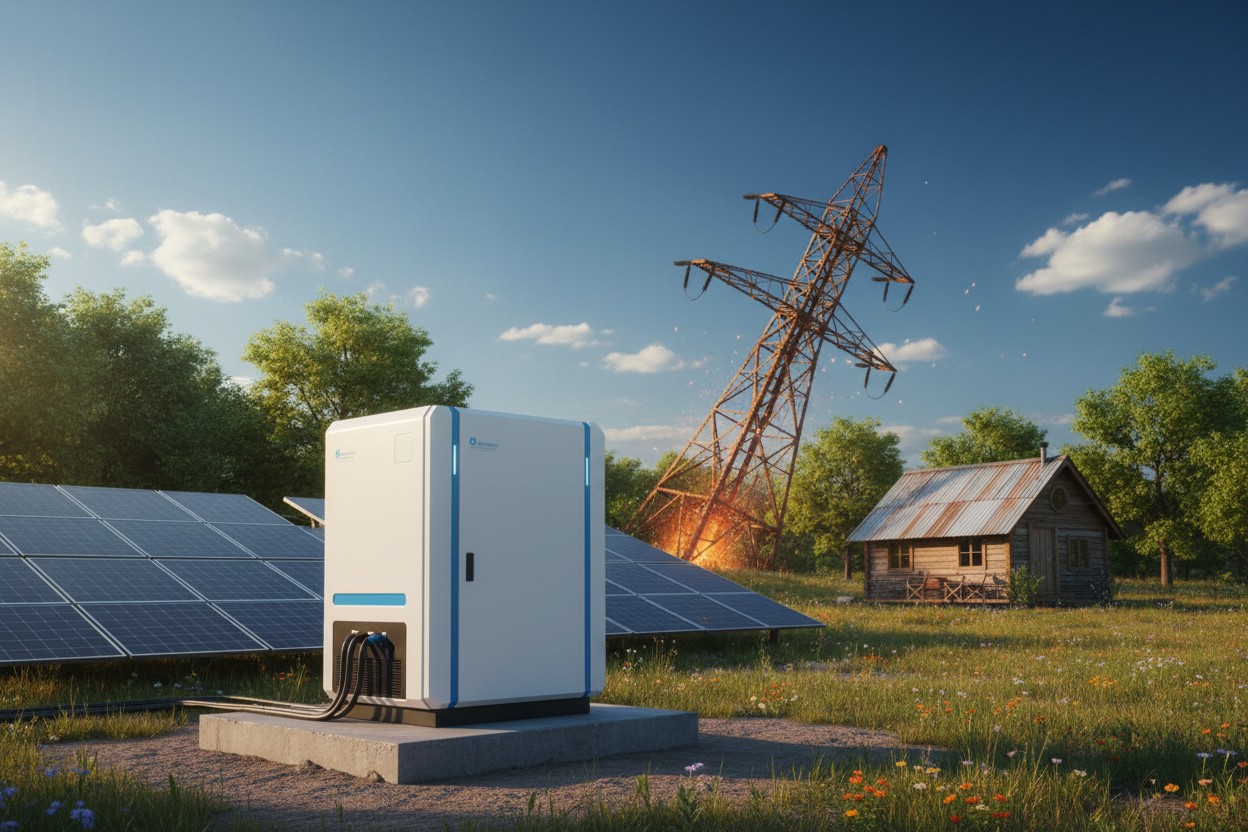
Industry leaders, including executive battery strategists at major automotive firms like General Motors, have publicly pointed to sodium-ion as a transformative force for domestic grid storage. As the exponential power demands of artificial intelligence data centers strain local transformers and transmission lines, utilities are increasingly unable to guarantee baseline power. Executives have noted that integrating sodium-ion into localized microgrids can alleviate the burden on aging transmission networks.
Furthermore, strategic investors and engineering partners are validating the commercial viability of non-lithium chemistries. Hyundai’s collaboration with Unigrid via the ZER01NE Accelerator program underscores a growing corporate appetite for diversifying energy portfolios. Rather than keeping all their eggs in the fragile lithium basket, major industrial players are actively funding and testing sodium-ion solutions to insulate their supply chains against future global shocks.
Independent off-grid advocates and technical reviewers have similarly praised the development. Commentators focusing on decentralized living point out that the chemical architecture of sodium-ion makes it uniquely suited for independent homesteaders who lack the engineering resources of commercial utility operators. By eliminating the risks of thermal fires and supply chain bottlenecks, sodium-ion empowers everyday citizens to disconnect from centralized utility monopolies safely and permanently.
Implications: The Shift Toward Radical Decentralization
The commercialization of Unigrid’s sodium-ion batteries carries profound implications for society, economics, and the future of energy infrastructure.
1. The Death of Utility Monopolies
For over a century, electricity has been managed as a centralized commodity. Consumers plug into a centralized grid and submit to the pricing, reliability failures, and rolling blackouts dictated by regional utility monopolies. When reliable, high-capacity, multi-decade storage becomes affordable and safe enough to install in an unventilated garage, the power dynamic shifts entirely. Homeowners and businesses are no longer passive ratepayers; they become independent micro-utilities.
2. Economic Liberation and Energy Security
With solar panels delivering cheap daytime electricity and sodium-ion batteries safely storing that power for nocturnal or emergency use, the economic argument for remaining tied to the grid evaporates. The total cost of ownership over a 20-to-30-year span drops to fractions of utility-supplied power. This financial liberation protects families from inflation, grid failures, and geopolitical energy shocks.
3. Hardening Infrastructure Against Vulnerabilities
From cyber-attacks targeting utility SCADA systems to physical threats like electromagnetic pulses (EMPs) or severe weather events, centralized power grids are inherently fragile. A single downed substation can plunge millions into darkness. Decentralized, localized energy storage creates a resilient, fault-tolerant web of independent power nodes. If one home or commercial facility loses power, it remains isolated; the broader network cannot trigger a cascading systemic collapse.
Ultimately, the convergence of dirt-cheap solar generation and ultra-durable, ultra-safe sodium-ion storage marks the final step toward true energy independence. As companies like Unigrid bring industrial-grade sodium-ion batteries to the residential and commercial market, the era of centralized energy control is drawing to a close. The sun cannot be taxed, and with the advent of sodium-ion technology, humanity finally possesses the enduring, affordable vessel required to capture that light and secure a truly independent future.