








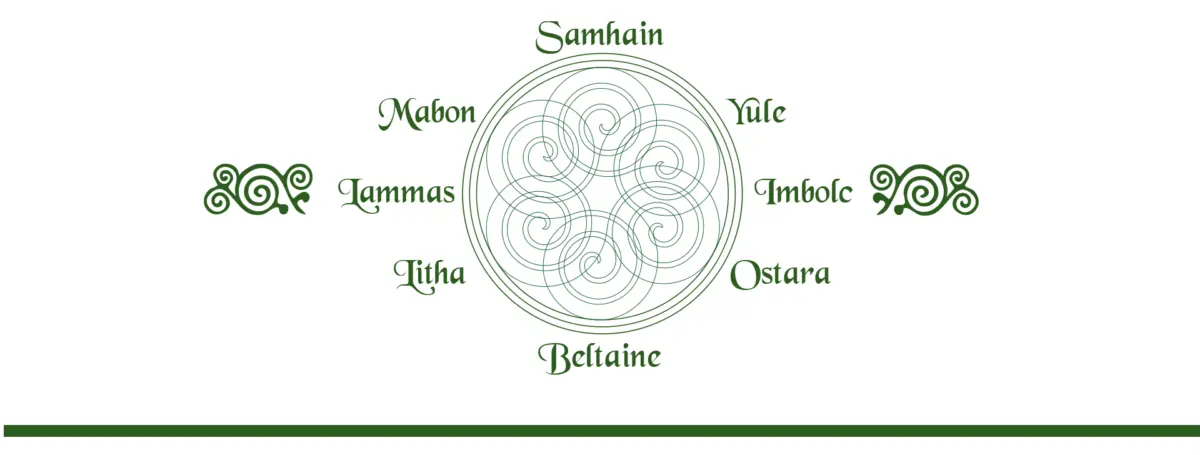
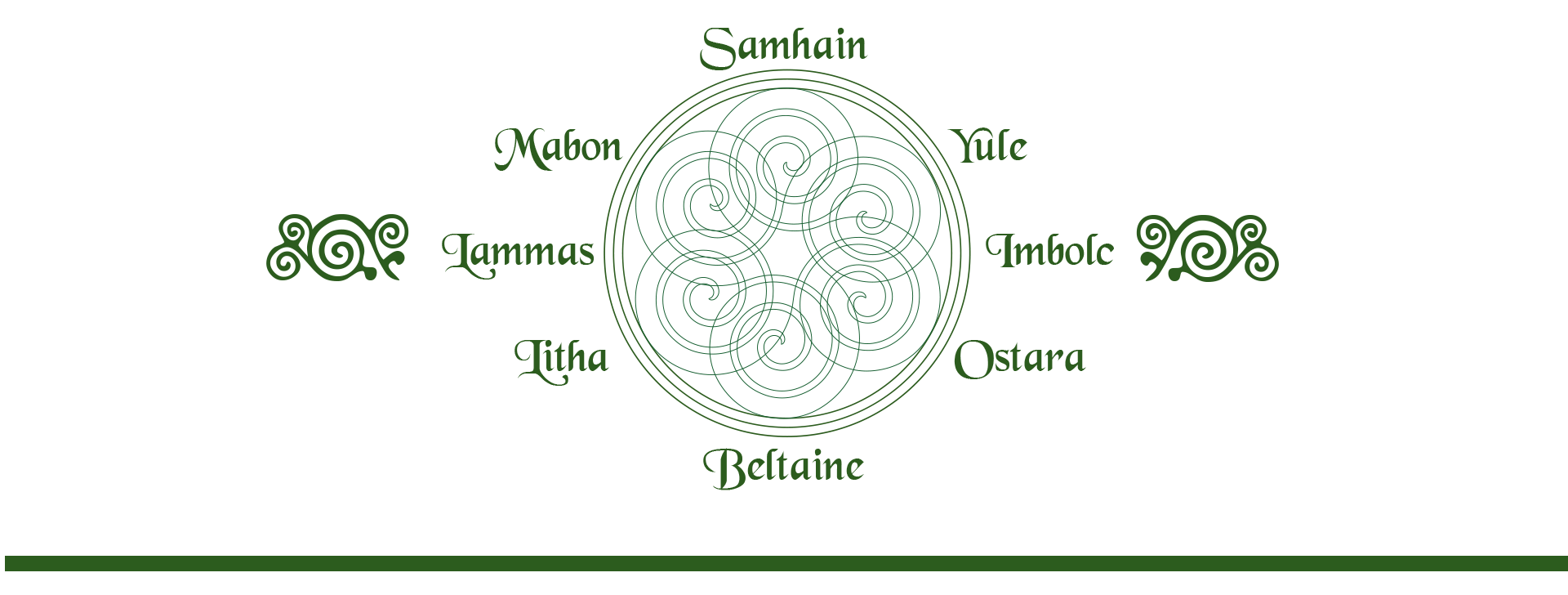
GLOBAL — As the Earth completes another quarter turn along its ancient path, modern Pagan communities across the globe have gathered to mark the shifting seasons. In the northern hemisphere, this weekend ushers in the festival of Lughnasadh—also widely known as Lammas—representing the first of three pivotal harvest celebrations on the modern Wheel of the Year. Simultaneously, communities across the southern hemisphere are turning their hearths toward the winter festival of Imbolc, honoring the deep, quiet promise of returning warmth and light.
These seasonal milestones serve as vital cultural and spiritual touchstones, connecting contemporary practitioners to ancient agricultural, mythological, and historical traditions. From the storied feats of Irish deities to medieval chronicles of royal demise, the turning of the seasons remains rich with symbolism, community ritual, and reflection.
Main Facts: The Dual Solstices of the Season
The early August observance highlights a profound ecological and spiritual dichotomy across the planet:
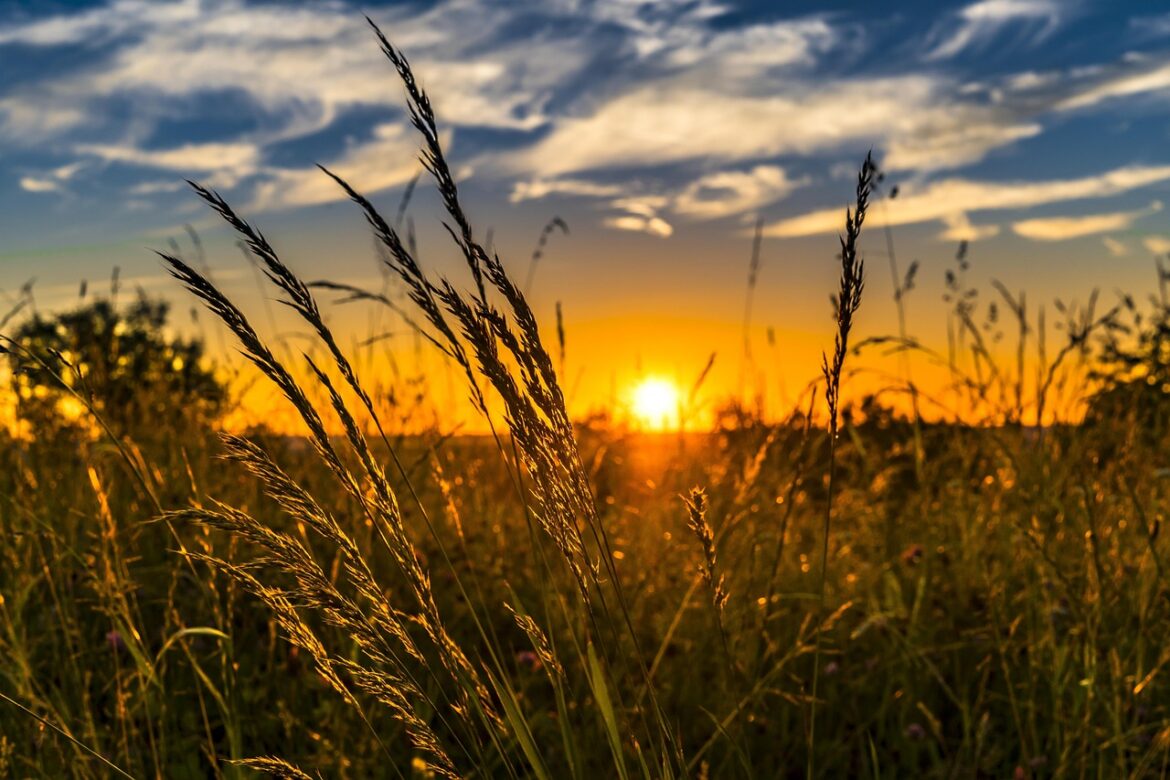
- The Northern Harvest: In the north, Lughnasadh and Lammas celebrate the peak of summer’s productivity and the initiation of the grain harvest. It is a time of reaping what has been sown, acknowledging the vital continuity of life, and preparing for the gradual descent into the darker months.
- The Southern Hearth: Conversely, in the southern hemisphere, Imbolc marks the midpoint of winter. Practitioners there look forward, tending internal fires and recognizing the very first, subtle stirrances of spring beneath the frost.
Central to the northern celebration is Lughnasadh, named for the multifaceted Irish god Lugh Lámhfada—the "long-armed" master of skills, crafts, and warfare. Concurrently, the English tradition of Lammas (derived from the Old English hlāfmǣsse, or "loaf-mass") centers directly on the baking and blessing of the year’s first grain loaf, a practical and spiritual safeguard against the historically lean weeks of late summer.
Chronology: From Mythic Origins to Medieval History
The roots of these celebrations stretch deep into European prehistory, evolving through myth, classical athletics, and dramatic historical turning points.
Mythological Foundations
Lugh holds a towering presence in Celtic mythology. Often associated by modern Pagans with solar light due to folk etymologies, Lugh is celebrated for his decisive defeat of the Fomorians—the ancient adversaries of the Tuatha Dé Danann—and specifically his victory over the Fomorian leader Balor, his own grandfather.
He is equally renowned as the divine father of Cú Chulainn, the hero of the epic Táin Bó Cúailnge (The Cattle Raid of Cooley). Within the epic, Lugh famously intervenes to heal and protect his exhausted, wounded son during a three-day sleep.
According to traditional lore, Lugh established the festival of Lughnasadh as a grand funeral feast and athletic competition in honor of his foster-mother, Tailtiu. Tailtiu, an earth goddess figure, reportedly died of sheer exhaustion after clearing the plains of Ireland for agriculture—her death symbolizing the clearing away of summer to make way for the autumn harvest.

The Tailteann Games
The modern Irish town of Teltown (Tailtin) in County Meath bears her name. Throughout the Middle Ages, large assemblies, markets, and athletic contests known as the Tailteann Games were held there during Lughnasadh. Although these traditional games eventually faded, the 20th century saw brief revivals as an "Irish Olympics," and the legacy lives on today through the awarding of the Tailteann Cup in Irish Gaelic football.
The Lammas Tragedy of 1100 CE
In England, Lammas carried both agricultural relief and, on occasion, profound historical weight. A striking example is recorded in the Anglo-Saxon Chronicle for the year 1100 CE.
On the morning after Lammas Day, King William II (William Rufus) was killed by an arrow while hunting in the New Forest. The chronicler painted a scathing portrait of the monarch as a tyrannical, avaricious ruler who heavily taxed the populace, exploited the Church, and died "in the midst of his unrighteousness, without repentance."
The sudden death on Lammas Day led immediately to the ascension of his brother, Henry I, who rushed to Westminster to promise a return to equitable laws and justice. Over the centuries, historians and mythologists have occasionally viewed the sudden, violent death of a powerful leader during a transitional seasonal festival through the lens of ancient sacred kingship—reminiscent of the mythic duel between the Holly King and the Oak King.
Supporting Data and Cultural Practices
The enduring survival of Lughnasadh, Lammas, and Imbolc relies heavily on community-driven preservation, historical documentation, and modern ritual adaptation.
- Agricultural Reality: Historically, the weeks immediately preceding Lammas were known as a notoriously difficult "hunger gap." Previous year grain stores were nearly exhausted, while new crops were only just becoming ripe. Consequently, the baking of the first loaf was not merely symbolic; it was a psychological and physical relief signaling survival.
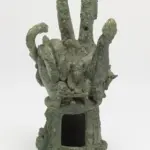
- Archaeological and Artistic Records: Artifacts such as the three-headed stone altar discovered in Reims, France, in 1852 (housed today in the Musée Saint-Remi)—often identified by scholars as depicting the pan-Celtic deity Lugus/Lugh—demonstrate the wide geographic reach of these ancient traditions.
- Modern Pagan Observances: Today, hundreds of thousands of practitioners worldwide utilize these seasonal turning points to host community feasts, craft corn dollies, bake ritual breads, and engage in land stewardship projects.
Official Responses and Community Perspectives
Modern Pagan organizations and community leaders emphasize that these festivals offer critical psychological anchors in a fast-paced, technologically driven world.
In statements released for the weekend, organizers from prominent Pagan networks highlighted the importance of seasonal mindfulness. "To honor Lughnasadh is to recognize the undeniable truth of cause and effect in our lives," noted community organizers. "What we have nurtured, tended, and grown over the spring must now be gathered."
At the same time, southern hemisphere groups hosting Imbolc gatherings emphasized themes of resilience and patience. Representing the threshold between deep winter and the earliest whispers of spring, Imbolc is framed as a time to invoke the energies of Brigid—the Celtic goddess of smithcraft, healing, and poetry—to spark inspiration and prepare the internal landscape for the coming agricultural cycle.

Implications: Spiritual Sustainability in the Modern Era
As contemporary society faces mounting ecological and economic uncertainties, the resurgence of interest in traditional quarter and cross-quarter days carries broader cultural implications.
- Reconnection with Nature: By aligning personal routines with the physical rhythms of the Earth—harvesting grain in August, kindling hearth fires in the depth of winter—practitioners foster a deeper, more tangible sense of environmental accountability.
- Community Resilience: Festivals like Lughnasadh and Imbolc inherently promote localized gathering, sharing of food, and mutual aid, countering modern isolation through shared ritual space.
- Preservation of Heritage: The ongoing study and celebration of figures like Lugh, Tailtiu, and Cú Chulainn keep ancient European folklore alive, ensuring that historical oral traditions continue to evolve rather than fade into obscurity.
Whether gathering the literal and metaphorical fruits of summer beneath the golden light of August fields, or tending the quiet fires of anticipation in the southern winter, participants across the globe share a unified sentiment. As the Wheel of the Year turns onward, practitioners are encouraged to release what has run its course, honor the labor of the past months, and carry forward the wisdom needed to sustain them through the darker days ahead.