










By Global Health & Wellness Desk
Published: October 24, 2023
Main Facts
In an era defined by the glorification of productivity, the modern workforce finds itself trapped in a relentless cycle of burnout. Kelly Ramsdell, founder and CEO of Actually-I-Can, Inc. and a writer managing chronic illnesses, experienced a severe systemic collapse in November 2021. Grappling with overlapping autoimmune conditions—specifically rheumatoid arthritis and fibromyalgia—Ramsdell reached a point of profound physical and cognitive exhaustion. Her experience underscores a broader societal crisis: the systemic inability of individuals in Western, high-pressure economies to rest without guilt.
The core issue extends far beyond individual time management; it highlights a deep-seated cultural conditioning that equates human worth with output. Ramsdell’s journey from near-collapse to a balanced lifestyle illuminates the physiological and psychological barriers to resting, offering a blueprint for reclaiming wellness in a society addicted to busyness.
Chronology of a Breakdown: From Hidden Signals to Total Collapse
The Onset of the Flare-Up
The crisis began quietly in November 2021. Ramsdell noticed a persistent, generalized achiness accompanied by a debilitating fatigue that sleep could not cure. Waking up already exhausted, she found herself rapidly depleting her daily allotment of energy—a phenomenon widely recognized in the chronic illness community as "The Spoon Theory," originally coined by Christine Miserandino to describe the limited energy units available to those living with chronic pain and fatigue.
The Struggle to Stop
Despite clear directives from her body to halt all unnecessary activity, Ramsdell discovered that knowing one needs rest and actually executing it are entirely different psychological hurdles.
- Resistance: Like a reluctant toddler, she attempted to "push through" simple household and digital chores, such as moving laundry or firing off late-night emails.
- Multitasking Traps: Even when she attempted to sit and watch television, her mind raced, forcing simultaneous low-level tasks to justify her sedentary state.
- The Breaking Point: Operating under the radar of chronic brain fog and muscular pain, she maintained a punishing routine until her operational capacity plummeted to bare minimums—often managing just one basic task, like making dinner, per day.
The Three-Week Reset
Recognizing the imminent threat of total physiological collapse, Ramsdell took radical action. She cleared her professional calendar for three weeks, suspended appointments, and arranged automated content for her blog.
The initial phase was marked by psychological torture. Surrounded by societal conditioning—and observing her husband maintain a traditional work schedule—she found herself fundamentally incapable of "doing nothing." It required a deliberate, almost militaristic retraining of her nervous system to accept stillness.
Supporting Data & Cultural Conditioning
The systemic drive toward hyper-productivity is not innate; it is heavily reinforced by cultural conditioning, socioeconomic structures, and psychological programming.
Cultural Manifestations of the "Hustle" Mentality
Sociological observations reveal that individuals in Western nations, particularly the United States, are inundated with anti-rest rhetoric from early childhood:
- Colloquial Adages: Phrases such as "I’ll rest when I’m dead," "no rest for the weary," and "pay your dues" normalize chronic overexertion.
- Intergenerational Modeling: Children routinely observe parents returning from exhausting jobs only to immediately engage in secondary domestic labor (cooking, cleaning, organizing), effectively criminalizing the honest answer of "nothing" when asked about their activities.
- The Earning Fallacy: Rest is rarely treated as a biological necessity. Instead, it is treated as a transactional reward that must be earned through high productivity.
The Physiological Cost of Chronic Vigilance
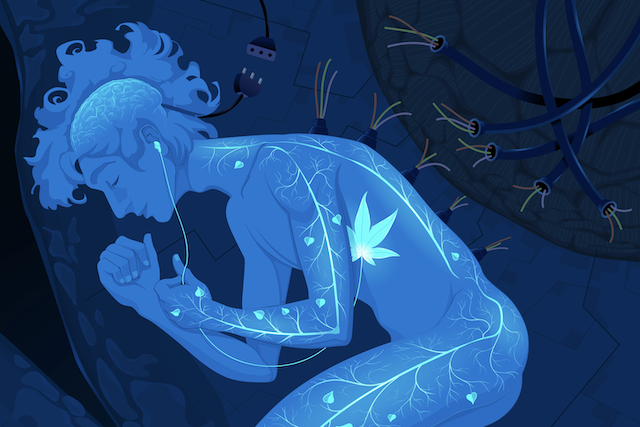
Medical research consistently validates the link between chronic psychological stress, overwork, and autoimmune flare-ups. When the human nervous system remains locked in a state of sustained high alert—sympathetic dominance—inflammation markers rise. Without adequate parasympathetic nervous system engagement (rest and digest), the body begins to break down, manifesting as:
- Cognitive dysfunction ("brain fog")
- Heightened musculoskeletal pain
- Reduced immune resilience
- Chronic fatigue syndrome (CFS) overlaps
Official Responses & Expert Perspectives
Public health advocates, wellness executives, and medical professionals increasingly point out that the modern workplace model is unsustainable.
"If you don’t give your mind and body a break, you’ll break. Stop pushing yourself through pain and exhaustion and take care of your needs."
— Lori Deschene, Founder of Tiny Buddha
Holistic health practitioners emphasize that rest must be redefined. True rest is not merely unconscious sleep; it encompasses active stillness—engaging in low-stakes, non-productive activities such as:
- Reading literature or articles purely for enjoyment
- Listening to ambient music or meditating
- Engaging in tactile crafts, puzzles, or journaling
- Simply looking out a window without a secondary objective
Kelly Ramsdell herself notes the profound shift in her operational philosophy following her recovery period:
"I had to reprogram my thoughts about rest as being an inherent right that we all hold, and not a reward for productivity. I realized that in many ways, I was retraining my nervous system to allow itself to relax."
Implications for the Modern Workforce
The implications of Ramsdell’s experience stretch across individual lifestyle adjustments and into corporate wellness policy, labor economics, and public health initiatives.
1. Shifting from Reactive to Proactive Rest
Historically, society waits for individuals to experience catastrophic burnout—manifesting as clinical depression, autoimmune flares, or cardiovascular events—before enforcing rest. The new paradigm advocates for micro-rest and structural pauses embedded daily. By intentionally scheduling moments of zero productivity, individuals maintain higher baseline focus, emotional regulation, and physical stamina.
2. De-stigmatizing "Doing Nothing"
Corporate cultures are slowly beginning to recognize that presenteeism and constant multitasking lead to diminished returns in creativity and output. Companies adopting four-day workweeks or mandatory mental health days are finding that well-rested employees deliver higher-quality work. Culturally, society must decouple personal identity and moral worth from professional output.
3. Integration of Mind and Body
As Ramsdell discovered through months of deliberate single-tasking and nervous system retraining, intentional rest fosters a deeper mind-body connection. Rather than overriding somatic signals of fatigue, individuals who practice radical rest can detect early warnings of depletion—allowing them to take a brief walk, adjust their posture, or conclude a workday before reaching the point of crisis.
Conclusion
The journey from chronic exhaustion to mindful equilibrium requires dismantling lifelong programming. Rest is not a luxury item, a sign of weakness, or a prize for overachievement; it is a fundamental biological requirement. As society navigates rising rates of burnout and chronic illness, adopting the philosophy that rest is an inherent human right may well be the key to sustainable human longevity and productivity.