








SALISBURY, England — A multi-decade saga of targeted church vandalism, animal theft, and bizarre psychological fixation reached a legal conclusion this week when a Hampshire man was ordered to be detained indefinitely in a medium-secure psychiatric facility.
Benjamin Lewis, whose systematic desecration of rural English churches caused widespread terror, deep community distress, and an extensive police investigation, was found to be suffering from severe, long-standing mental illness. Rather than facing a custodial prison sentence, Lewis was handed a hospital order under the Mental Health Act by Judge William Mousley KC, following medical testimony detailing a lifetime of escalating psychiatric pathology, violent ideation, and vampire fixations.
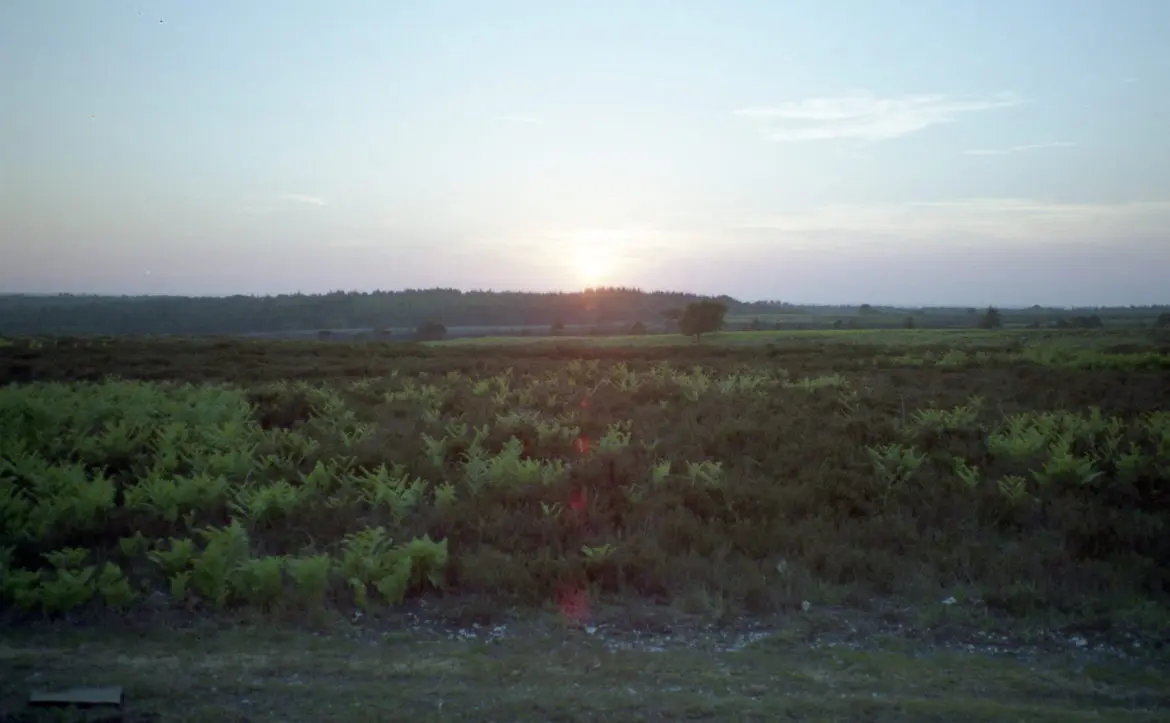
The case has brought profound relief to residents, clergy, and local faith communities in and around the historic New Forest. Simultaneously, it has reignited crucial discussions among modern Pagan and occult organizations regarding media representation, public education, and the dangerous tendency to conflate profound clinical psychosis with established alternative religious traditions.
Main Facts of the Case
The legal proceedings brought to light a disturbing inventory of offenses committed by Lewis against sacred spaces and rural properties across Hampshire. Law enforcement agencies eventually connected Lewis to the crimes after DNA evidence was recovered directly from the remains of a stolen farm animal.
Lewis formally admitted to charges including the theft of lambs and intentionally causing religiously aggravated harassment, alarm, and distress. Investigators established that Lewis had routinely targeted local churches—both breaking into the structures and leaving grim displays on their doorsteps. These displays included the carcasses of stolen lambs alongside road-killed deer, frequently arranged alongside provocative symbols such as inverted crosses and Tarot cards.
The impact on the surrounding community was immediate and severe. Speaking on the meticulous police work required to capture the perpetrator, PC Jess Surman of Hampshire Constabulary noted the profound psychological toll the crimes took on everyday citizens.
"We’ve had people who were so upset and frightened by it that they couldn’t go to church, or see loved ones who are buried in the church grounds because they’ve been scared of bumping into him," Surman stated. "It’s only through perseverance and getting enough evidence that we’ve got a really good result this time, and I can only hope that the community can sleep at ease with it."
Rather than being remanded to a traditional correctional facility, Lewis was transferred directly to a secure medical setting. This decision followed expert psychological evaluations confirming that his actions stemmed entirely from unmanaged psychiatric disorders rather than criminal calculation or ideological motivation. Notably, Lewis’s violent outbursts were not confined to external targets; while receiving care at Anchor House—an NHS mental health unit in Hampshire—Lewis assaulted his attending psychiatrist, Dr. Gauruv Malhan. Dr. Malhan subsequently informed authorities of his professional assessment that Lewis represented a clear, escalating danger capable of turning his violence toward human beings.

Chronology of a Lifetime Pathology
While the recent wave of church desecrations brought Lewis back into the headlines, forensic examinations and court records reveal that his disturbing behaviors are deeply rooted in a lifelong pattern of psychological deterioration stretching back over twenty years.
Early Warning Signs
According to clinical testimony presented by a consultant forensic psychiatrist, Lewis’s fixation on morbid imagery and animal cruelty manifested during his early adolescence. At just 13 years old, Lewis was documented placing a dead frog upon a cross inside a church—an early indicator of the obsessive symbolic vandalism that would define his adult life. Friends, family, and medical professionals noted a steady escalation in troubling behaviors involving small animals and graveyard fixations throughout his teenage years.
The 2003 Vicarage Campaign
Lewis’s first major brush with the criminal justice system occurred in 2003, when he terrorized a local vicar and his family near his Hampshire home. Operating alongside an accomplice, Lewis waged a relentless campaign of harassment that bore a striking thematic resemblance to his later crimes. The pair made frightening, abusive telephone calls to the vicarage, detonated fireworks on church grounds, and plastered the official church noticeboard with obscene imagery.
During this initial round of offenses, Lewis explicitly claimed to be a vampire—an early manifestation of his persistent, grandiose delusion that consuming blood would grant him eternal life. For these offenses, Lewis served a prison sentence, though it did little to address the underlying psychological drivers of his condition.
The Intervening Years and the New Forest Desecrations
Following his release, Lewis’s fixation remained dormant only temporarily. When police searched his residence in connection with the recent New Forest incidents, they discovered a suitcase containing a meticulously maintained archive of newspaper clippings detailing church-targeted crimes dating all the way back to his 2003 conviction.
Over the subsequent years, Lewis escalated his activities, transitioning from nuisance harassment to the systemic theft of livestock and the gruesome display of animal carcasses at rural ecclesiastical sites. This final campaign culminated in his arrest, psychiatric evaluation, and ultimate removal from society via the mental health system.
Supporting Data and Law Enforcement Methods
The investigation into Lewis’s crimes required sophisticated police work, blending traditional forensic science with specialized behavioral analysis. Given the nature of the crime scenes—which featured animal remains and deliberate religious iconography—law enforcement agencies treated the incidents with high priority, allocating substantial resources to monitor potential patterns.
- Forensic Breakthrough: The definitive piece of evidence linking Lewis to the New Forest animal thefts was biological. Investigators successfully isolated Lewis’s DNA from the carcass of a slaughtered lamb, providing irrefutable physical proof of his direct involvement.
- Surveillance Tactics: During the height of the investigation, Hampshire police implemented targeted surveillance operations around various ecclesiastical sites in the region. According to official disclosures, police monitored these locations particularly closely during specific phases of the lunar cycle and around dates historically associated with the "Satanic calendar."
- Archival Evidence: The search of Lewis’s home yielded physical corroboration of his lifelong fixation: a dedicated suitcase filled with decades-old press cuttings of similar crimes, proving a continuous, obsessive preoccupation spanning more than twenty years.
- Clinical Assessments: Medical evaluations conducted during his stay at Anchor House NHS unit and subsequent court hearings provided a clear clinical picture, confirming that Lewis suffers from severe delusional beliefs—specifically concerning vampirism and immortality—which directly dictate his compulsion to desecrate religious sites.
Official Responses and the Problem of "The Satanic Calendar"
The handling of the case by both the judicial system and the media has prompted important conversations regarding the language used to describe unconventional crimes. While mainstream outlets—including The Guardian—drew careful lines between Lewis’s personal pathology and legitimate religious practices, police statements regarding a "Satanic calendar" drew criticism from religious scholars and community advocates.

Law enforcement officials noted that surveillance had been heightened during dates deemed significant within "the Satanic calendar." However, experts point out that this terminology is overly broad and fundamentally misleading. Genuine Satanic and left-hand path organizations vary wildly in their philosophies, theological frameworks, and seasonal observances—often drawing from historic European agricultural festivals, such as Walpurgis Night, or focusing on personal milestones like birthdays rather than unified global conspiracies.
Pagan advocates argue that framing isolated acts of clinical insanity through the lens of a monolithic "Satanic calendar" reinforces archaic moral panics. It misinforms the public, distorts the reality of modern alternative religious communities, and obscures the actual psychiatric mechanisms driving criminal behavior. By treating Lewis’s actions as the product of an individualized, lifelong personal pathology rather than a manifestation of organized religion, the court and medical professionals correctly identified the root cause of the crisis.
Implications for Modern Pagans and Occult Communities
For the vibrant Pagan, Wiccan, and occult communities residing in and around the New Forest, Lewis’s arrest brings a profound sense of closure to an intensely stressful chapter. Local practitioners spoke with The Wild Hunt about the anxiety caused by the media coverage, noting the constant fear that misinformed members of the public would direct hostility toward innocent spiritual groups.
The case underscores a persistent educational challenge: the separation of symbolism from identity.
- The Misuse of Tarot: Tarot cards, frequently left by Lewis at his crime scenes, are utilized globally by millions of individuals for artistic inspiration, secular introspection, psychological exploration (such as Jungian therapy), and by people with no religious affiliation whatsoever, alongside their traditional use by Pagans and ceremonial magicians.
- The Ambiguity of the Inverted Cross: Similarly, the inverted cross carries a deeply fractured history. Within traditional Christianity, it is revered as the Cross of Saint Peter, who requested to be crucified upside down out of humility, feeling unworthy to die in the same manner as Jesus Christ. Only in modern popular culture has it been co-opted as a shorthand symbol for anti-Christian sentiment or general rebellion.
When individuals with severe mental illnesses adopt these symbols to externalize internal delusions, the resulting public confusion often lands heavily on peaceful minority faiths. Modern Pagans have spent decades building community trust, dispelling media-driven stereotypes, and establishing themselves as peaceful stewards of the countryside and heritage sites.
Ultimately, legal experts, medical professionals, and community leaders agree that conflating clinical psychiatric disorders with minority religions serves no one. By recognizing Benjamin Lewis’s actions as the result of a singular, decades-long personal pathology rather than an expression of a recognized belief system, the justice system has protected the public while helping to safeguard the reputations of innocent faith communities across the United Kingdom.