By The Mythical Realm Editorial Desk
Published: Special Feature & Culture Report
Main Facts: The Intersection of Folklore and Modern Self-Discovery
For millennia, humanity has looked to the stars, the deep oceans, and the shadowed depths of ancient forests to find reflections of itself. From the wise centaurs of Greek mythology to the soaring griffins of ancient Persian lore, fantastical beasts have always served as proxies for the human condition. Today, this age-old fascination has manifested in a thoroughly modern phenomenon: the online personality quiz.
Millions of internet users flock to interactive platforms each month to answer questions about their preferred modes of travel, hidden talents, and ideal adventures—all in an effort to answer a singular, whimsical question: Which mythical creature are you?
While websites like The Mythical Realm and BuzzFeed offer these lighthearted inventories as entertainment, cultural anthropologists and psychologists argue that these quizzes tap into something much deeper. They represent a contemporary evolution of archetype matching, blending Jungian psychology with internet culture. Whether an individual discovers they are a cunning trickster, a majestic griffin, a graceful mermaid, or a noble centaur, these digital assessments provide a harmless, imaginative escape from the mundane pressures of the 21st-century workplace and social landscape.
Chronology: From Ancient Oral Traditions to Viral Digital Quizzes
To understand why millions of people eagerly tally up their "A, B, C, and D" responses to find their inner beast, it is necessary to trace the historical evolution of how humans relate to mythological creatures.
Phase 1: Oral Tradition and Warning (Antiquity to Middle Ages)
Long before the advent of the internet, or even the printing press, mythical creatures served practical and societal functions. In ancient Greece, creatures like the Centaur (often depicted as wild, untamed forces of nature) symbolized the eternal struggle between civilized humanity and base animal instincts. Mermaids and sirens warned mariners of the unpredictable and perilous nature of the open sea. During these eras, humans did not ask which creature they were; rather, they studied these beasts to understand what they needed to avoid or appease.
Phase 2: Literary Romanticism and Heraldry (18th to 19th Century)
During the Romantic period, European writers and artists began reclaiming folklore not as superstitious warning tales, but as symbols of deep emotional truths and national identity. Griffins and lions adorned coats of arms to project strength, vigilance, and nobility. The individual began to internalize these traits, aligning personal honor with heraldic beasts.
Phase 3: The Birth of Modern Psychological Archetypes (Mid-20th Century)
Swiss psychiatrist Carl Jung revolutionized how humanity viewed myth. Jung proposed that figures like dragons, wise old men, and tricksters were manifestations of the "collective unconscious"—universal archetypes shared by all human beings across time and geography. This psychological framework laid the groundwork for personality categorization systems, such as the Myers-Briggs Type Indicator (MBTI), which eventually trickled down into popular culture.
Phase 4: The Digital Era and Viral Interactive Media (2100s–Present)
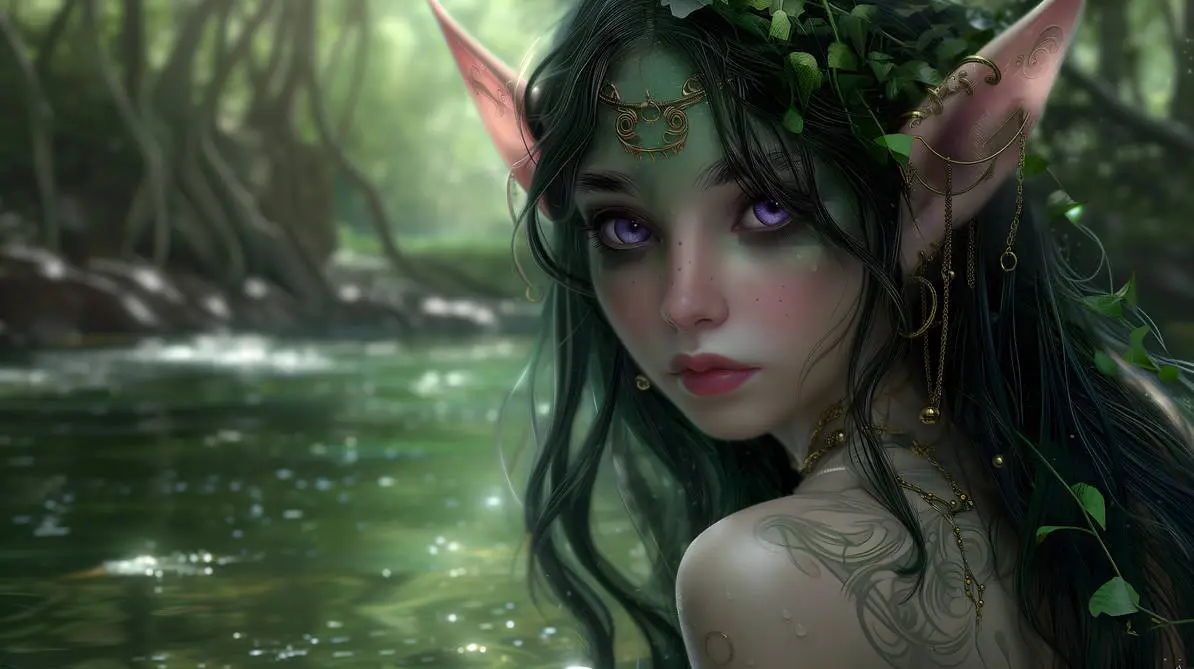
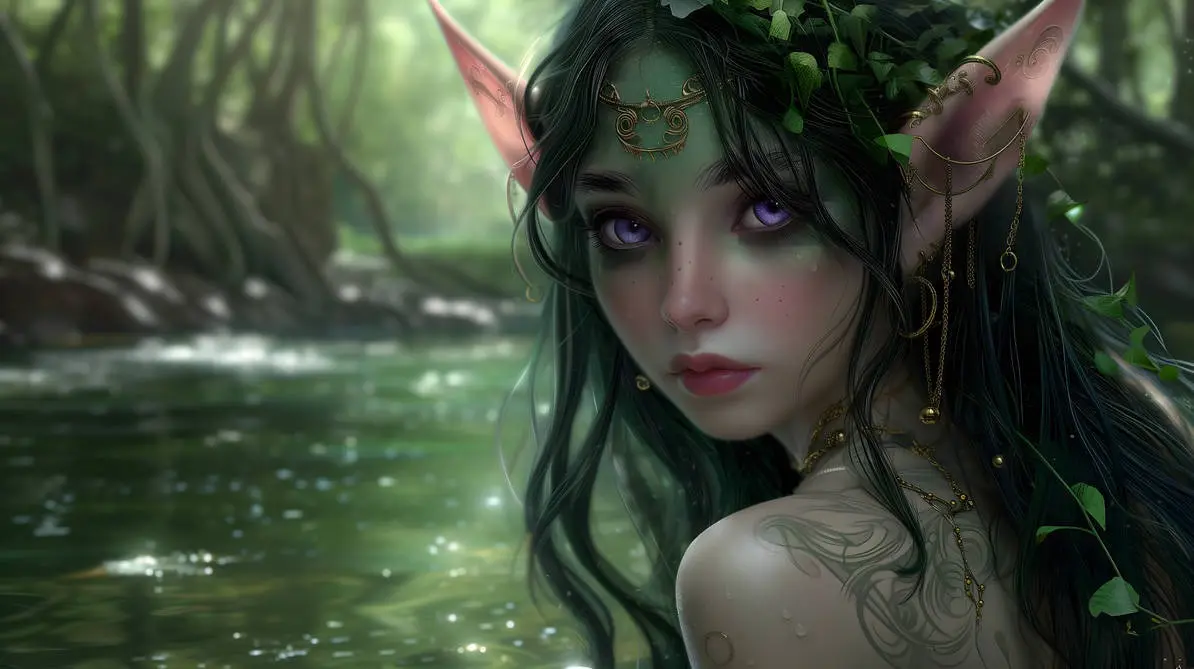
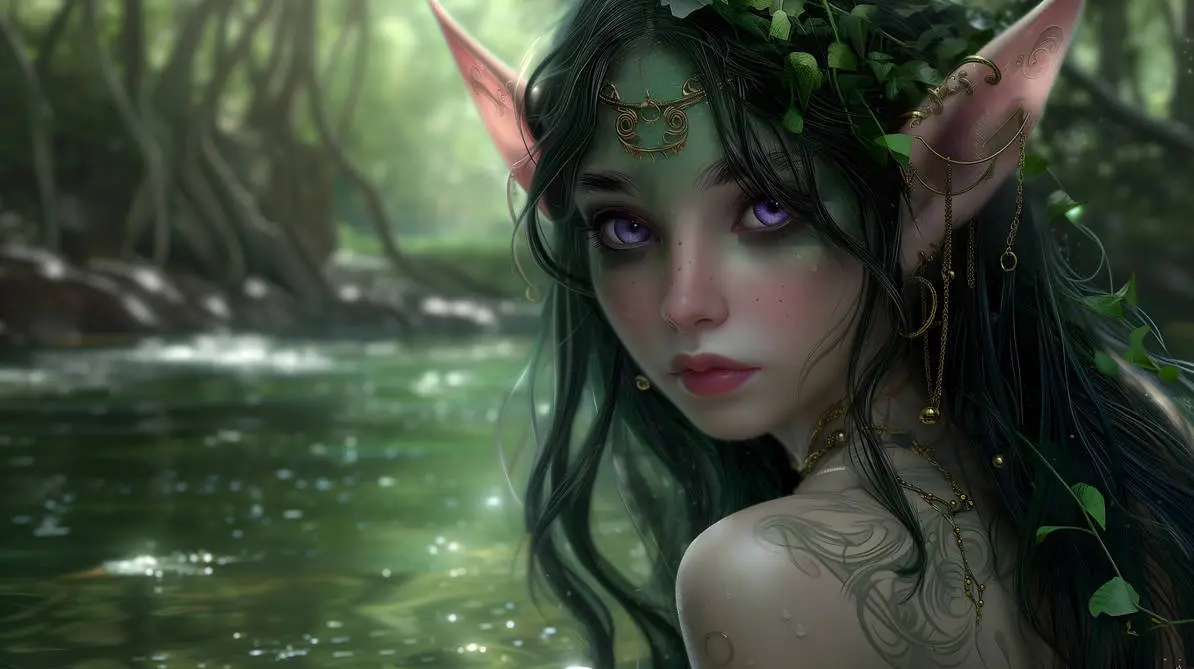
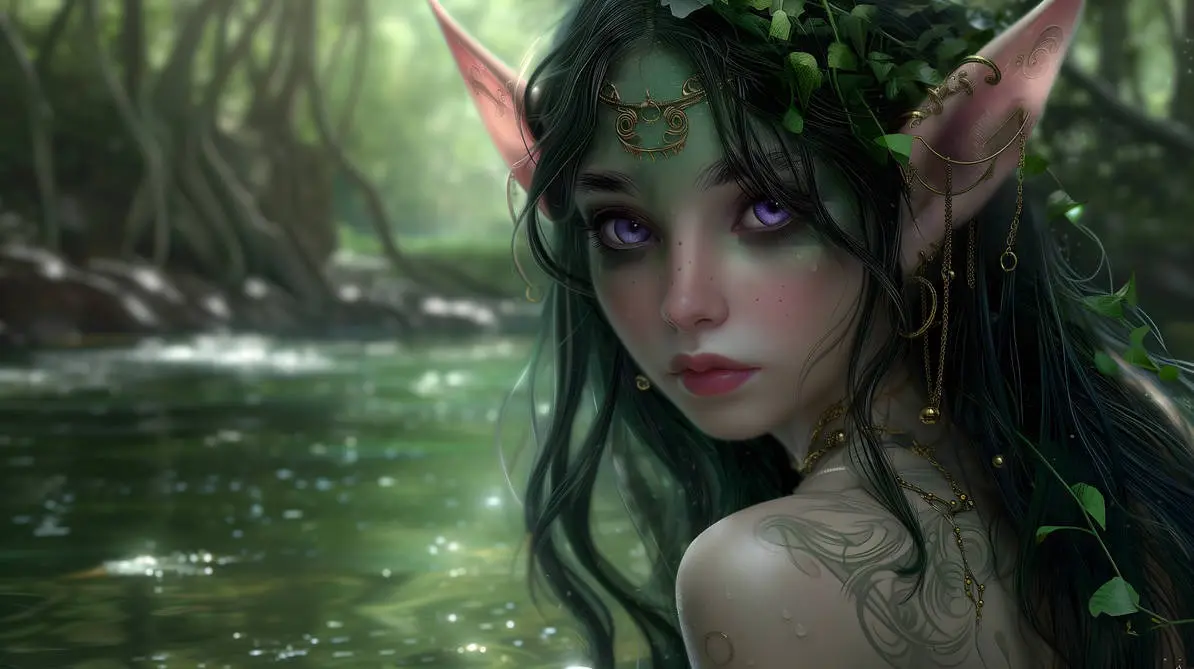
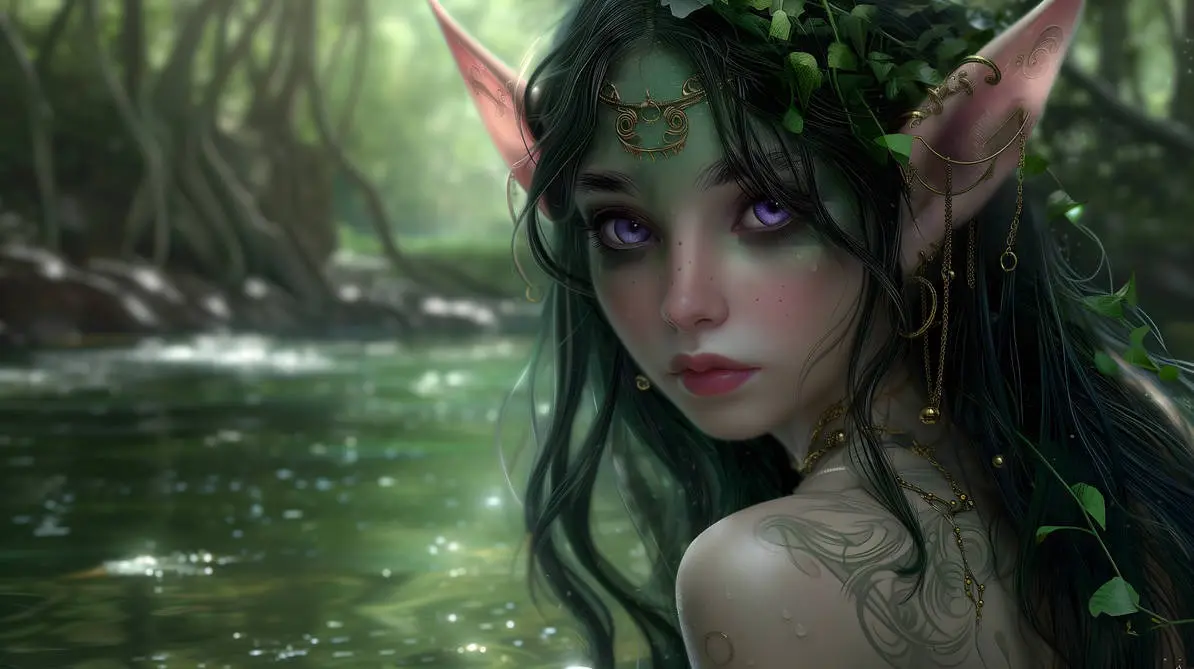
With the rise of personal computing and social media, identity exploration became gamified. Quizzes moved from the back pages of print magazines to viral web pages. Platforms realized that by combining psychological self-reflection with fantastical imagery—such as Bogi380’s mesmerizing digital paintings of water nymphs—they could create deeply shareable, engaging content that resonates with millions.
Supporting Data: The Anatomy of a Mythical Persona Quiz
To understand the mechanics of these personality quizzes, it is helpful to examine the standard structural framework utilized by digital creators. A well-designed quiz does not assign a creature at random; rather, it correlates specific behavioral traits with classical mythological attributes.
Below is an analysis of the core archetypes commonly generated by these quizzes, mapped against their psychological profiles:
| Creature Archetype | Defining Traits | Preferred Environment | Core Motivation | Modern Psychological Parallel |
|---|---|---|---|---|
| Centaur | Strong, wise, natural leader | Hidden jungle temples / open plains | Bridging gaps between nature and civilization | The Pragmatic Integrator / Executive Leader |
| Trickster | Cunning, playful, clever | Labyrinths, cities, hidden pathways | Outsmarting challenges and embracing spontaneity | The Innovator / Disruptor |
| Griffin | Majestic, powerful, curious | High altitude, mountain peaks | Unlocking unlimited knowledge and new perspectives | The Academic / Visionary Explorer |
| Mermaid | Graceful, intuitive, healing | Deep oceans, tranquil waters | Emotional resonance, healing, and inner peace | The Empath / Holistic Caregiver |
Data gathered from shared social media results indicate that quizzes focusing on elemental control, ancient wisdom, and hidden talents generate the highest engagement rates. Users overwhelmingly prefer results that position them as complex, multifaceted beings rather than simplistic monsters.
Official Responses and Expert Perspectives
While pop-culture quizzes are rarely the subject of peer-reviewed scientific journals, cultural analysts, folklorists, and internet psychologists have weighed in on why these assessments hold such enduring appeal.

Dr. Aris Thorne, a professor of comparative mythology at the University of Oxford, notes that humanity’s reliance on mythical metaphors is stronger than ever.
"We live in an increasingly hyper-rational, data-driven world," Dr. Thorne explains. "When everything is quantified and optimized for productivity, the human psyche craves the irrational, the magical, and the undefined. Identifying as a griffin or a mermaid is a subtle rebellion against corporate uniformity. It allows individuals to reclaim a sense of personal mystery."
Meanwhile, digital media researchers point out the community-building aspect of these quizzes. When a user shares their result—whether they turn out to be a wise centaur or a mischievous sprite—it acts as an invitation for social interaction. Friends compare notes, debate whether someone’s result actually matches their personality, and engage in lighthearted banter.
In the words of internet culture analyst Chloe Vance:
"Quizzes like these are digital Rorschach tests wrapped in fun visuals. They give people a vocabulary to express traits they might not otherwise articulate. If you tell your coworkers you’re a ‘trickster,’ it sets a playful tone that a standard resume or bio simply cannot achieve."
Implications: What Our Choice of Beast Says About Modern Society
The popularity of mythical creature quizzes goes far beyond a momentary distraction on a lunch break. It points to shifting trends in how modern generations construct identity, find community, and cope with stress.
1. The Gamification of Self-Care
In an era where burnout is rampant, traditional wellness advice can feel like another chore to check off a to-do list. Playful escapism offers a low-stakes alternative. Imagining oneself as a water nymph dwelling in a crystal-clear grotto or a soaring griffin surveying mountain ranges provides a cognitive break from real-world anxieties. It is a form of micro-escapism that aids in mental decompression.
2. Fluid Identities in a Digital Age
Traditional personality tests often attempt to box individuals into rigid categories (e.g., Introvert/Extrovert, Type A/Type B). In contrast, mythological creatures are inherently fluid and magical. They bend the laws of nature. By identifying with creatures that possess shapeshifting abilities, elemental control, or cross-species anatomy (like the half-human, half-horse centaur), modern users embrace the idea that identity is not a fixed monument, but a fluid, evolving story.
3. The Re-Enchantment of the World
Sociologist Max Weber once coined the term "disenchantment" to describe how modern science and industrialization strip the world of mystery. Yet, the viral persistence of fantasy literature, role-playing games, and mythical creature quizzes proves that humanity is actively working to "re-enchant" its environment. We look for magic not in dark woods, but in shared digital spaces where imagination remains unbound.
Conclusion: The Magic Lies Within
Whether you tally up your answers to find yourself patrolling the forests as a noble centaur, soaring above the clouds as a fierce griffin, manipulating the tides as a graceful mermaid, or plotting your next clever escapade as a trickster, the ultimate takeaway is clear.
As The Mythical Realm notes in its concluding assessment: The real magic lies within you, just like the potential for any mythical creature to exist in our imaginations.
Until science catches up with our most fantastical dreams—or perhaps until the next viral quiz sweeps across the internet—we will continue to use myth as a mirror, finding pieces of our truest selves in the wings, tails, and legends of the past.