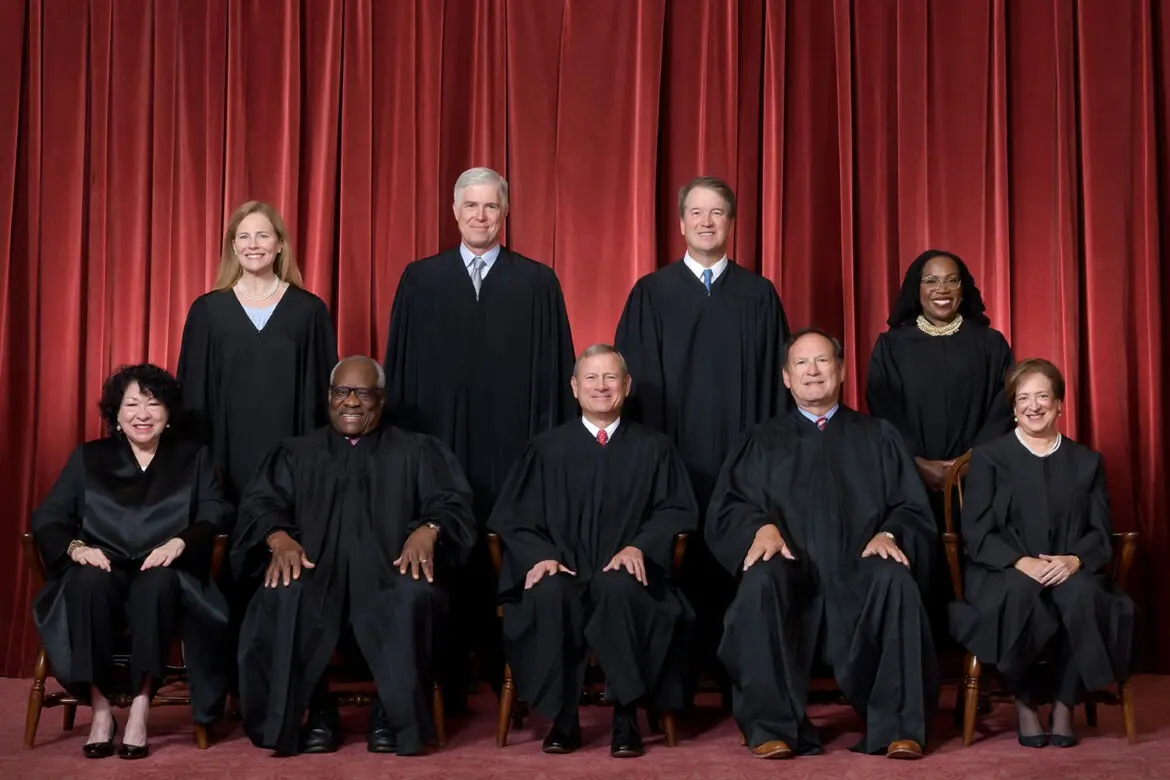
WASHINGTON — The United States Supreme Court officially opened its 2026–2027 term with an ambitious and consequential docket. As the high court convened for oral arguments, legal scholars, civil rights advocates, and religious organizations turned their attention to a series of high-profile disputes.
While none of the specific petitions directly feature a Pagan, indigenous, or Earth-centered religious organization as a primary litigant, the legal doctrines and constitutional thresholds the Court establishes over the coming months will profoundly impact minority faiths across the United States.
The term’s early docket addresses a sweeping cross-section of American law: corporate accountability for climate change, the scope of federal protections for religious real estate, and the tricky intersection where state-funded public benefits collide with religious exemptions from anti-discrimination policies.
Main Facts
The Supreme Court’s newly underway term features three primary dockets that, individually and collectively, threaten to reshape the legal landscape for minority religious communities and environmental advocates alike:
- Corporate Climate Accountability (Suncor Energy v. Board of County Commissioners of Boulder County): Local Colorado governments are attempting to hold major fossil fuel companies financially liable under state tort law for the local infrastructural and ecological costs of climate change. The energy companies argue that federal law—specifically the Clean Air Act—preempts such localized, state-level litigation.
- Religious Land Use (Missionaries of Saint John the Baptist v. Frederic): A Catholic nonprofit’s attempt to build a Marian shrine in Kentucky has ignited a battle over the interpretation of the Religious Land Use and Institutionalized Persons Act (RLUIPA). The case centers on what legally constitutes a "substantial burden" on religious exercise when local zoning boards block construction.
- Public Funding and Anti-Discrimination (St. Mary Catholic Parish v. Roy): Colorado’s Universal Preschool Program faces a constitutional challenge from Catholic schools that wish to access state educational funds while retaining the right to enforce hiring and admissions policies that conflict with state LGBTQ+ anti-discrimination requirements.
These cases place fundamental questions regarding property rights, environmental stewardship, public funding, and religious liberty squarely before an ideologically conservative bench. For smaller, non-traditional, and Earth-centered religious communities, the outcomes could dictate how easily they can establish physical sanctuaries, secure environmental protections, or participate in public programs without compromising their spiritual tenets.
Chronology
The legal battles working their way through the nation’s highest court have been years in the making, winding through state courts, federal appellate circuits, and preliminary injunction hearings:
- 2000: Congress enacts the Religious Land Use and Institutionalized Persons Act (RLUIPA) with bipartisan support, establishing strict federal standards to protect religious institutions from discriminatory or overly burdensome local zoning laws.
- June 2017 (Trinity Lutheran Church v. Comer) & Subsequent Years: The Supreme Court rules in a series of landmark decisions—including Espinoza v. Montana Department of Revenue (2020) and Carson v. Makin (2022)—that governments generally cannot exclude otherwise qualified religious institutions from participating in otherwise generally available public benefit programs simply because of their religious identity.
- Late 2010s to Early 2020s: Boulder County, San Miguel County, and the City of Boulder file lawsuits in Colorado state courts against fossil fuel giants Suncor Energy and ExxonMobil, seeking damages for climate change-related weather events.
- February 2025: The Colorado Supreme Court rules that state-law claims against fossil fuel companies can proceed, rejecting corporate arguments that federal law preempts state liability.
- February 2026: The U.S. Supreme Court grants certiorari in Suncor Energy v. Board of County Commissioners of Boulder County, agreeing to review the state court decision while instructing parties to brief jurisdictional questions.
- October 1, 2026: The Supreme Court grants review in Missionaries of Saint John the Baptist v. Frederic, sharply limiting the question to the definition of a "substantial burden" under RLUIPA.
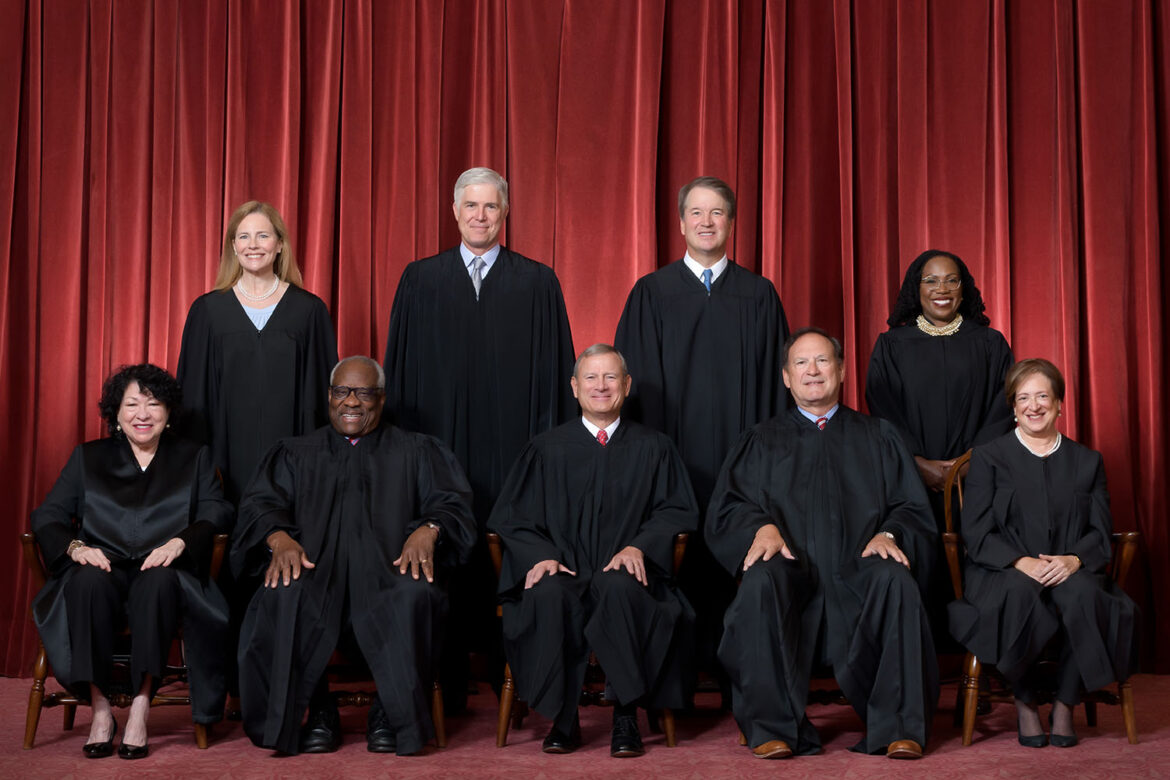
- October 5, 2026: The Supreme Court officially opens its 2026–2027 term, hearing oral arguments in the Suncor climate liability case. (Justice Samuel Alito recuses himself, leaving eight justices to deliberate).
- November 2026 (Scheduled): The Court is slated to hear oral arguments in St. Mary Catholic Parish v. Roy, testing the limits of religious exemptions within Colorado’s Universal Preschool Program.
Supporting Data and Legal Context
The implications of the Court’s current docket are backed by extensive data regarding the proliferation of climate litigation and the steady uptick in religious land-use disputes nationwide:
- Climate Litigation Surge: According to tracking data compiled by Reuters and environmental law centers, nearly 60 similar climate accountability lawsuits have been filed by municipalities and states across the United States. These suits generally allege that fossil-fuel corporations intentionally misled consumers and government entities regarding the long-term environmental risks of their products. A definitive ruling on federal preemption in the Suncor case could effectively stall or dismantle the vast majority of these actions.
- RLUIPA and Minority Faiths: Since its passage, RLUIPA has served as a critical shield for religious organizations—not just mainstream Christian denominations, but also mosques, synagogues, Buddhist temples, and Pagan covens or groves—facing hostile local zoning boards. Disagreements among federal circuits regarding what constitutes a "substantial burden" have created a patchwork of legal protections across different states.
- Public Funds and Private Schools: The financial stakes in cases like St. Mary Catholic Parish are massive. Universal pre-K and state-funded educational initiatives represent billions of dollars in public outlays. The resolution of whether states can attach non-discrimination stipulations to these funds will determine the operational independence of thousands of faith-based educational and social service providers nationwide.
Official Responses and Arguments
Legal teams, municipal governments, and advocacy organizations have staked out fiercely contested positions across all three dockets.
On Corporate Climate Liability (Suncor Energy)
- The Energy Companies: Attorneys for Suncor and ExxonMobil argue that global climate change is, by definition, an interstate and international phenomenon that cannot be effectively or fairly regulated through piecemeal state tort lawsuits. They contend that allowing individual states to impose multi-billion-dollar liabilities for worldwide greenhouse gas emissions undermines the authority of Congress and the federal Clean Air Act.
- The Local Governments: Boulder County and its co-plaintiffs counter that state laws have long provided remedies for localized deceptive trade practices and public nuisances. They argue that fossil fuel companies engaged in deliberate misinformation campaigns, and local taxpayers—not corporate shareholders—should not be left holding the bill for localized climate disasters like severe wildfires, floods, and crumbling infrastructure.
On Religious Land Use (Missionaries of Saint John the Baptist)
- The Petitioners: The Missionaries of Saint John the Baptist maintain that local zoning authorities cannot arbitrarily block religious construction projects under the guise of traffic or aesthetic concerns when federal law demands that any restriction on religious exercise must pass the highest level of judicial scrutiny.
- The Respondents: The neighbors and local planning boards emphasize that religious organizations are not above neutral, applicably applied zoning rules. They argue that purchasing property within a clearly designated residential zone with full knowledge of existing limitations—and failing to explore alternative layouts on a larger parcel—does not automatically weaponize RLUIPA to override community planning.
On Public Funding and Discrimination (St. Mary Catholic Parish)
- The Religious Schools: Representatives for the Catholic parishes argue that the government cannot weaponize public benefits to coerce religious institutions into abandoning their deeply held theological convictions on marriage, sexuality, and gender identity. They frame the state’s non-discrimination rules as an unconstitutional penalty on the free exercise of religion.
- The State of Colorado: State attorneys argue that participation in the Universal Preschool Program is entirely voluntary. However, if private providers choose to accept taxpayer funds, they must abide by neutral, generally applicable anti-discrimination frameworks designed to guarantee that all families and children enjoy equal access to public educational benefits without facing bias.
Broader Implications for Pagan, Minority, and Earth-Centered Communities
While mainstream media coverage naturally focuses on the major Christian denominations and corporate behemoths litigating these disputes, the legal ripples will inevitably wash over America’s minority and Earth-centered spiritual traditions.
1. Environmental Stewardship and Practical Accountability
For Pagan, Wiccan, Druid, and indigenous traditions that emphasize a sacred, reciprocal relationship with the Earth, the Suncor climate case represents more than just corporate economics. While it is not a religious freedom case stricto sensu, it dictates the viability of legal mechanisms available to communities suffering the direct ecological fallout of environmental degradation. If the Supreme Court rules that federal law preempts state-level accountability, grassroots and local government efforts to hold polluters responsible will face a severely restricted horizon.

2. Sanctuary, Temples, and Retreat Spaces
For minority faiths attempting to secure physical gathering spaces, the Supreme Court’s interpretation of RLUIPA in the Kentucky land-use case is of vital importance. Pagan covens, heathens, and indigenous ceremonial groups frequently face skepticism, misunderstanding, or outright hostility from local zoning boards when trying to establish permanent temples, outdoor ritual grounds, or retreat centers. A ruling that weakens the definition of a "substantial burden" could embolden local municipalities to restrict minority religious real estate projects more easily. Conversely, a robust interpretation of RLUIPA could offer vital protections against localized religious discrimination.
3. The Double-Edged Sword of Public Funding Protections
The debate over public funds and anti-discrimination mandates (St. Mary Catholic Parish) presents complex calculations for minority faiths. On one hand, broad constitutional protections ensuring that religious institutions cannot be excluded from public benefits simply for being religious could theoretically open doors for Pagan or pluralistic community centers to access secular grants or social service funding.
On the other hand, a sweeping ruling that prioritizes religious exemptions over anti-discrimination rules could create legal uncertainties. As the term unfolds, the high court’s decisions will test the delicate balance between unfettered religious expression and the preservation of equal rights in an increasingly pluralistic society.