By The Mythical Realm Staff Desk
Published: June 2024
Main Facts: The Intersection of Folklore, Psychology, and Pop-Culture Quizzes
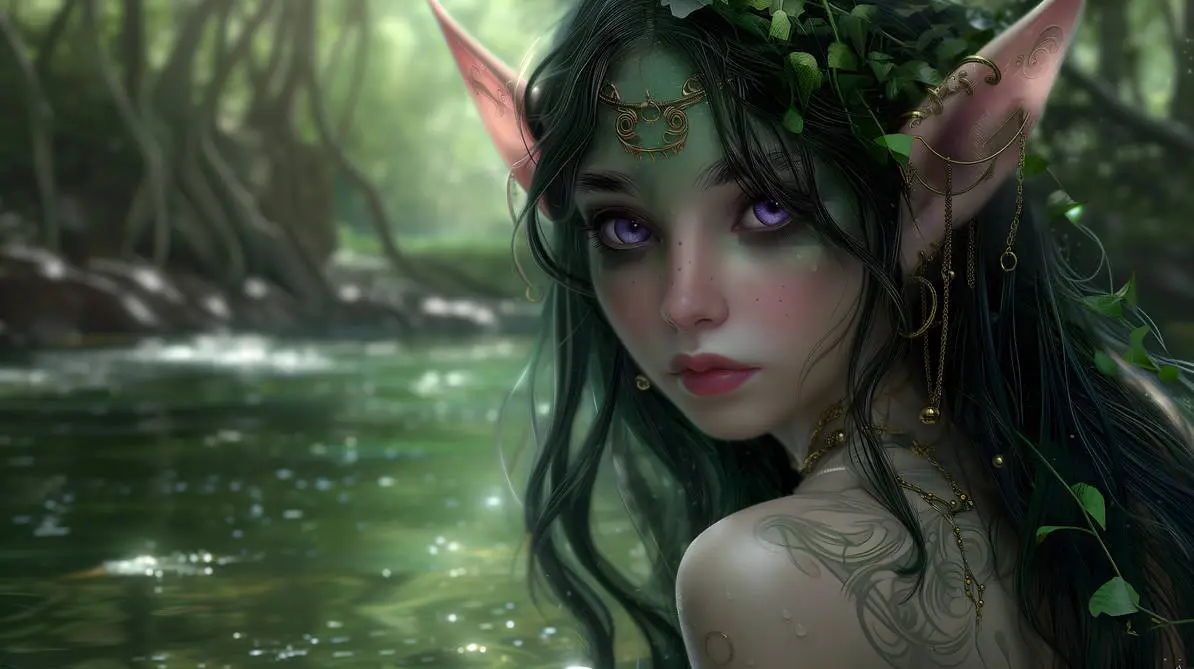
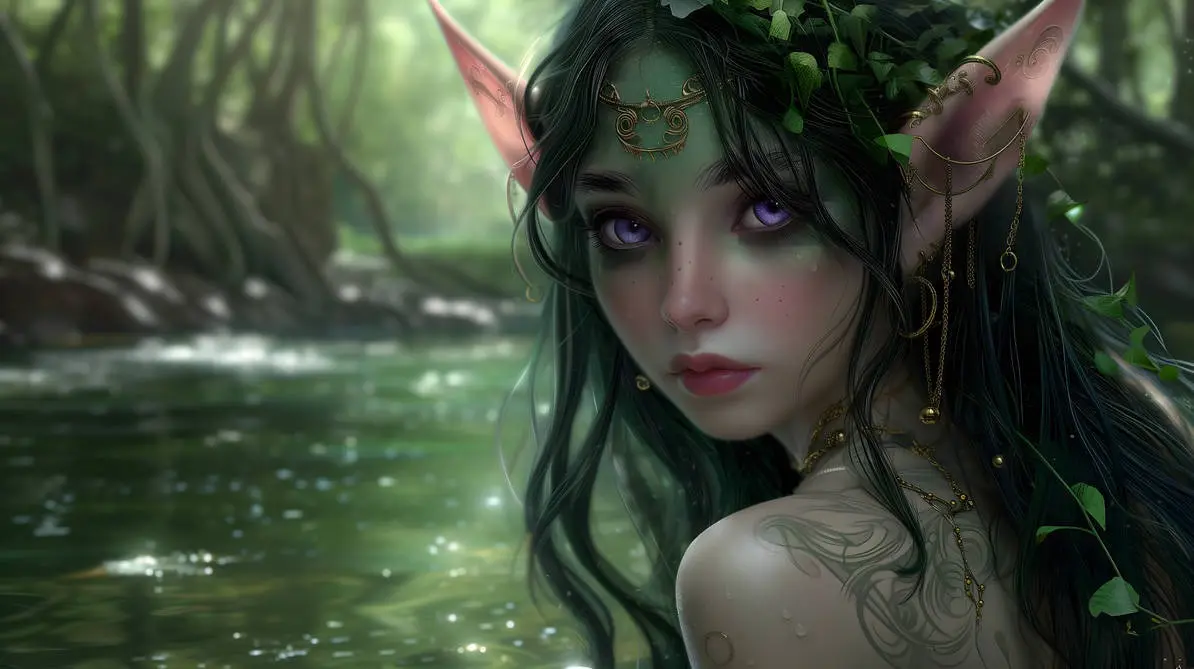
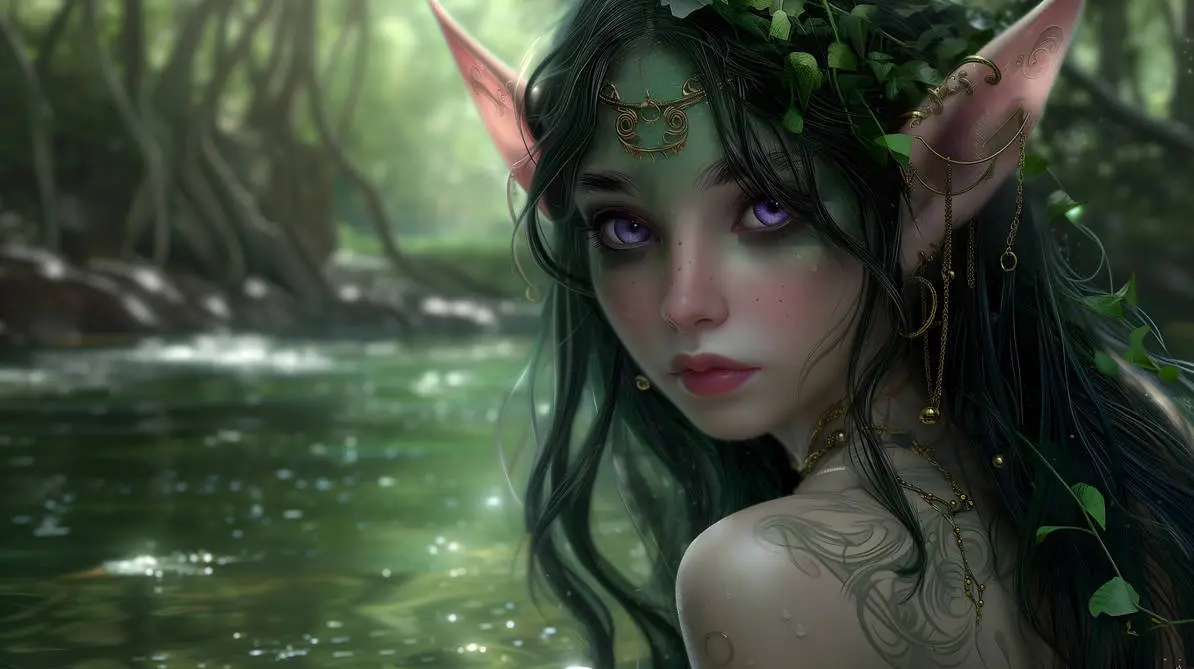
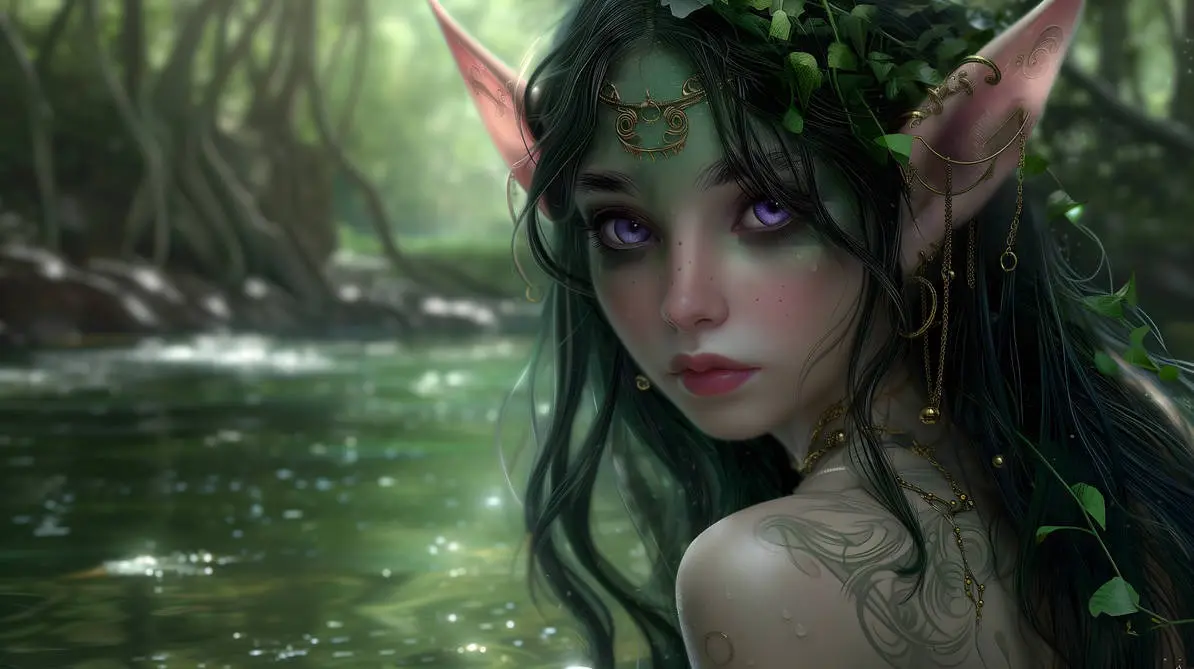
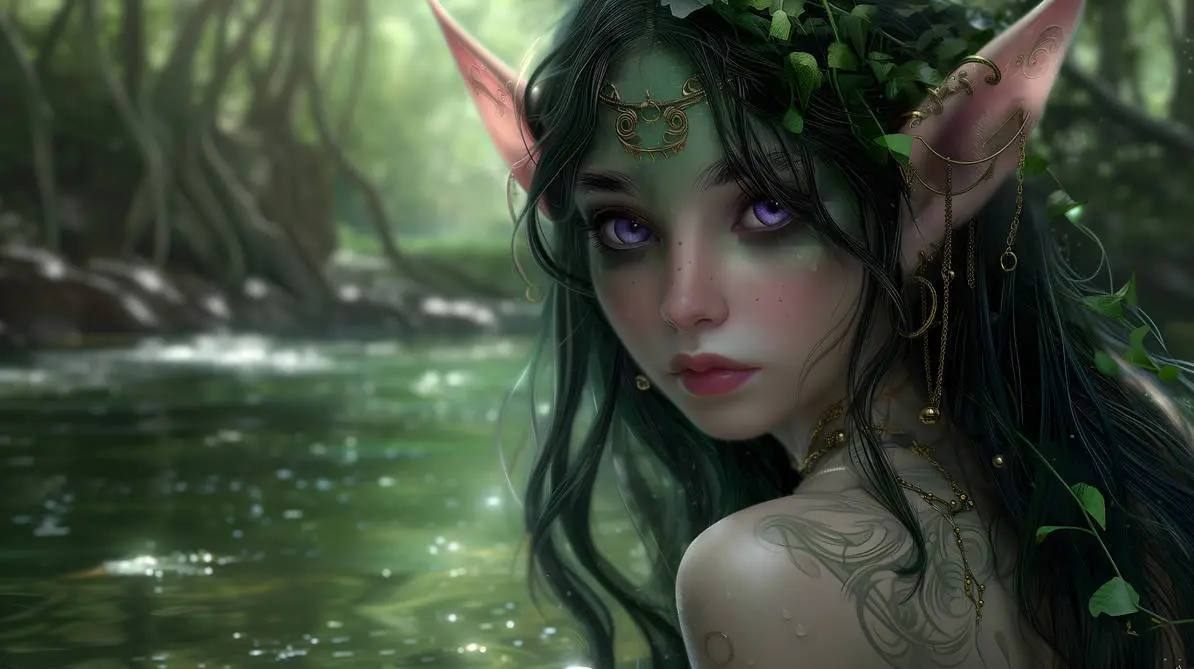
In an age dominated by data, algorithms, and concrete realities, humanity’s fascination with the impossible remains remarkably resilient. From the ethereal allure of water nymphs like Aeliana—masterfully captured in digital artistry by creator Bogi380—to the majestic sweep of griffins and the mysterious depths inhabited by mermaids, folklore continues to cast a long, enchanting shadow over contemporary culture.
At the epicenter of this modern renaissance is a surprisingly ubiquitous phenomenon: the personality quiz. Far from being mere digital time-wasters, interactive features designed to match individuals with their "mythical creature soulmates" attract millions of engagements daily across platforms like The Mythical Realm and Buzzfeed.
Psychologists and cultural anthropologists suggest that these quizzes serve a deeper psychological purpose. By projecting human traits onto fantastical beasts—whether it is the intellectual curiosity of a sky-soaring griffin or the natural intuition of a sea-dwelling siren—participants engage in a playful form of introspection. The core thesis is simple: behind every preference for deep-sea exploration or ancient jungle temples lies a fundamental desire to understand one’s own place in the natural and imaginative world.
Chronology: The Evolution of Mythical Identity Seeker Quizzes
To understand how we arrived at the digital era of "finding your inner beast," one must trace the long, winding history of humanity’s relationship with mythical taxonomy.
- Ancient Roots (Pre-Classical to Middle Ages): For ancient civilizations, mythical creatures were not metaphors or personality types; they were living explanations for the unexplainable. Sailors mapped oceans filled with krakens and sirens, while forest dwellers left offerings for sprites and nymphs. Identity was often tied to clan animals or mythical lineages (such as the founders of Rome suckled by a wolf).
- The Romantic Era (Late 18th to 19th Century): The Romantic movement resurrected folklore as a rejection of industrial rationalism. Poets, artists, and writers began internalizing the traits of mythical beings, associating personal melancholies with forest spirits and untamed passions with wild beasts.
- The Birth of Print Psychology (Mid-20th Century): Magazines and pulp fiction introduced early analog quizzes. While initially focused on career paths or romantic compatibility, these questionnaires laid the structural foundation for archetype matching.
- The Digital Boom (Early 2000s–Present): With the advent of web-based media, personality quizzes exploded into viral sensations. Algorithms combined with rich fantasy art—such as the DeviantArt community showcases featuring works by artists like Bogi380—gave visual life to abstract psychological archetypes, transforming text-based quizzes into multimedia experiences.
Supporting Data: What Your Choices Reveal About Your Inner Archetype
Data gathered from interactive fantasy portals reveals distinct patterns in how modern audiences perceive themselves through the lens of folklore. When given a choice between exploring hidden jungle temples, solving ancient riddles, flying above the clouds, or diving into oceanic trenches, participants split into distinct behavioral categories.
1. The Call to Adventure: Jungles, Riddles, Skies, and Seas
- Option A (Hidden Jungle Temple): Strongly correlated with individuals who view themselves as grounded, resourceful, and deeply connected to traditional wisdom. These respondents frequently map to the Centaur archetype—figures of endurance who bridge the gap between human society and wild nature.
- Option B (Secret Passages and Riddles): Favored by strategic thinkers and analytical minds. Those who choose this path typically match with the Trickster archetype, defined by wit, adaptability, and an affinity for clever problem-solving.
- Option C (Soaring Above Clouds): Tied directly to boundless curiosity and visionaries. This choice leads directly to the Griffin profile, representing a relentless thirst for higher knowledge and a macro-level perspective on life.
- Option D (Oceanic Depths): Associated with emotional depth, empathy, and holistic awareness. Respondents leaning toward the sea generally unlock the Mermaid archetype, characterized by healing presences and intuitive grace.
2. Modes of Transport and Spirit Affinities
Cross-referencing preferred transit methods (ranging from magical steeds to dolphin-drawn chariots) with spirit animal choices (lions, foxes, owls, and dolphins) demonstrates a striking consistency in self-image. Participants who identify with nocturnal, observant animals like owls almost universally gravitate toward aerial or intellectual mythical beasts, whereas those aligned with dolphins show a dominant preference for aquatic and restorative identities.
Official Responses: Insights from Mythologists and Digital Creators
The blending of ancient folklore with modern gamification has drawn commentary from cultural historians, digital artists, and folklorists alike.
Dr. Alistair Vance, a professor of comparative mythology at the Institute of Folklore Studies, notes that humanity has always used classification systems to make sense of the psyche.

"In the past, we looked to the stars through astrology or to the animal kingdom through totemism," Dr. Vance explains. "Today, fantasy creatures offer a broader, more emotionally resonant palette. A griffin or a water nymph carries symbolic weight that transcends ordinary biology. When someone takes a quiz to find out if they are a centaur or a mermaid, they are engaging in a modern myth-making process."
Meanwhile, digital creators who breathe visual life into these legends emphasize the importance of community and imagination. Bogi380, the acclaimed artist behind the viral depiction of Aeliana the Water Nymph, shared perspective on why visual art elevates these interactive experiences:
"When people see a painting of a mythical creature, they aren’t just looking at a fantasy; they are looking at a mirror," says Bogi380. "Water nymphs, sprites, and sirens represent moods and elements that live inside all of us. Giving them a face helps people connect with those hidden parts of their own personalities."
Implications: Why Imagination Still Matters in a Data-Driven World
As society marches further into an era defined by artificial intelligence, hyper-automation, and rigid data metrics, the popularity of mythical creature quizzes carries profound implications for human culture.
1. The Preservation of Wonder
Skeptics might dismiss personality quizzes and fantasy lore as escapism. However, cultural analysts argue that imagination is a vital cognitive resource. Engaging with folklore—even in the lighthearted format of a BuzzFeed or Mythical Realm quiz—exercises the capacity for abstract thought, empathy, and creative problem-solving. If an individual can conceptualize what it means to possess the wisdom of a centaur or the resilience of a griffin, they are better equipped to navigate complex real-world challenges with creativity.
2. The Democratization of Art and Lore
Historically, access to deep mythological lore was restricted to scholars, monks, or those with access to rare libraries. Today, digital platforms, independent art communities (such as DeviantArt), and interactive media democratize mythology. Anyone with an internet connection can explore the lore of water nymphs, interact with peer communities, and reflect on their own psychological makeup through a shared cultural language.
3. The Future of Self-Discovery
As technology evolves, so too will the ways we explore our inner selves. Virtual reality, immersive storytelling, and advanced interactive quizzes will likely blur the lines between observer and mythical participant even further. Yet, the core appeal will remain unchanged.
As noted in the conclusion of our foundational quiz exploration, while these categorization tools are designed for entertainment, the deeper magic lies within the individual. The potential for any mythical creature to exist—not merely in ancient texts or digital illustrations, but as a living expression of human creativity—proves that our fascination with the fantastical is here to stay.
Who knows? Perhaps someday science will catch up with our most fantastical dreams. Until then, whether you identify with the wise centaur, the clever trickster, the soaring griffin, or the graceful mermaid, the realm of myth remains open to all who dare to look within.