By Global Wellness & Sustainability Desk
Published: October 2023
Main Facts: The Hidden Cost of the Crystal Healing Boom
In recent years, the global fascination with crystals, metaphysical healing, and earth-based spirituality has exploded into a multi-billion-dollar mainstream industry. From minimalist home decor aesthetics on social media to daily meditation practices, polished stones, quartz points, and raw geodes have become ubiquitous symbols of modern wellness. However, this spiritual awakening is grappling with an inconvenient and often overlooked truth: the global mineral supply chain is deeply opaque, frequently unregulated, and occasionally tied to severe human rights abuses and severe environmental degradation.
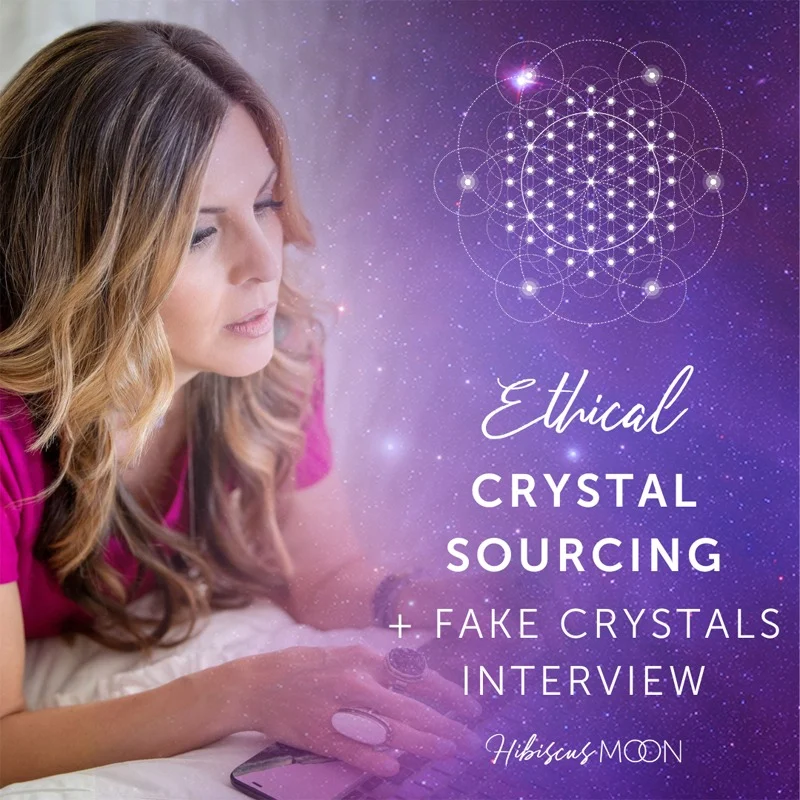
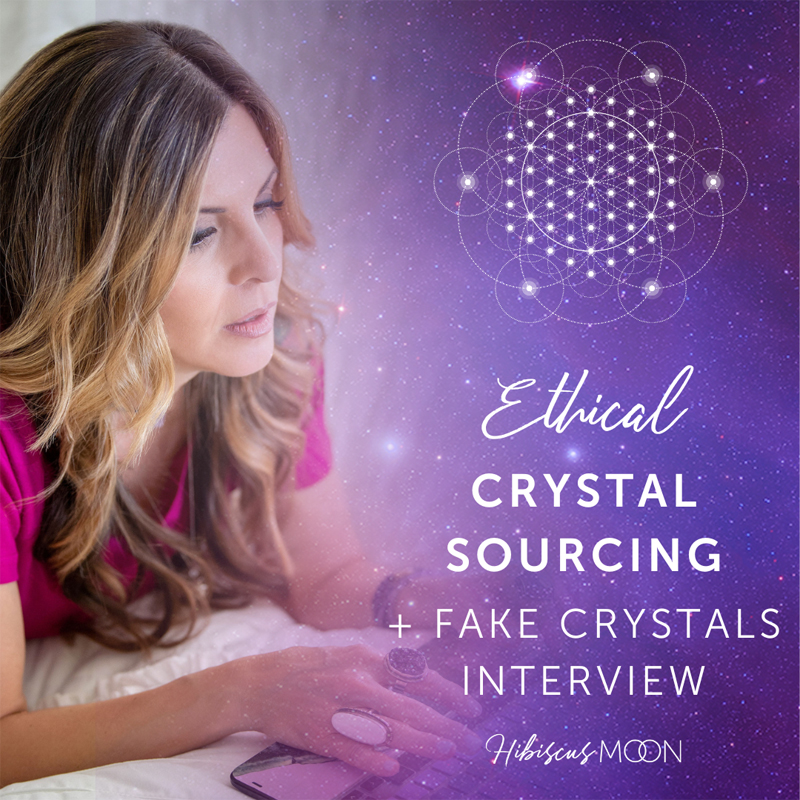
Enter the conversation surrounding ethical crystal sourcing—a rising movement dedicated to transforming how the world mines, transports, and purchases the earth’s minerals. Recently, prominent crystal educator Hibiscus Moon sat down for a candid, live-streamed interview with Barbie, widely known in the community as "Cold Brew Barbie," to tackle this hot-button issue head-on.
The core debate centers on transparency. Unlike the diamond or precious metals industries, which have faced intense international scrutiny and consumer pressure regarding conflict-free certifications (such as the Kimberley Process), the semi-precious crystal market remains largely decentralized. Miners in developing nations—often working in artisanal and small-scale mining (ASM) conditions—face hazardous environments, extreme poverty, and a lack of labor protections. For a community rooted in high vibrations, positive energy, and holistic healing, the realization that their beloved spiritual tools may carry a dark karmic footprint has sparked a profound ethical dilemma.
Chronology: How the Crystal Industry Evolved and Faced Its Shadow
The Pre-Boom Era (Late 20th Century)
For decades, the crystal market operated as a niche subculture. Practitioners acquired stones primarily through small, independent lapidary shops, local rockhounds, and specialized metaphysical stores. Supply chains were relatively short, and consumers rarely inquired about the exact geographical origins of a piece of amethyst or rose quartz.
The Wellness and Social Media Explosion (2015–2020)
As wellness culture merged with lifestyle aesthetics on platforms like Instagram and Pinterest, demand skyrocketed. Mega-retailers, home-decor chains, and online storefronts began mass-importing crystals by the container load from major exporting hubs like Madagascar, Brazil, India, and China. This rapid commercialization outpaced regulatory oversight, masking the labor conditions at the source.
The Awakening and Critical Discourse (2020–Present)
As investigative reports and documentaries began shedding light on child labor in Madagascar’s mica and tourmaline mines, as well as the environmental scars left by open-pit mining in sensitive ecosystems, the crystal community could no longer turn a blind eye. Thought leaders, mineralogists, and ethical vendors began demanding answers. Discussions like the one between Hibiscus Moon and Cold Brew Barbie represent a pivotal cultural shift, moving ethical sourcing from the fringes of the conversation to the mainstream agenda of the crystal-loving public.
Supporting Data: The Scale of Artisanal Mining and Environmental Impact
To understand the complexity of ethical crystal sourcing, one must examine the realities of artisanal and small-scale mining (ASM), which accounts for a significant portion of the global gemstone and crystal supply.
- Global Workforce: According to international development organizations, tens of millions of people worldwide rely on ASM for their livelihoods, often operating in informal or illegal economies without legal title to the land they mine.
- Key Export Hubs: Countries like Madagascar, Brazil, India, and Pakistan are primary sources for raw minerals. In Madagascar, for instance, mining communities frequently lack basic infrastructure, healthcare, and education, leaving workers vulnerable to exploitation by middlemen and international brokers.
- Environmental Degradation: Unlike large-scale industrial mining, which is subject to strict environmental impact assessments in developed nations, ASM operations often involve unregulated deforestation, soil erosion, and the contamination of local water tables through chemical runoff used in mineral processing.
- The "Fair Trade" Deficit: While fair-trade certifications exist for coffee, cocoa, and gold, a universally recognized, standardized certification body for crystals is still in its infancy. This leaves consumers to rely heavily on the integrity of independent vendors and direct-trade relationships.
Official Responses: Navigating Transparency in the Metaphysical Market
As consumer awareness grows, stakeholders across the supply chain are responding to the demand for accountability, though hurdles remain.
The Vendor Perspective
Responsible crystal retailers are increasingly adopting "direct-trade" models. By bypassing multiple layers of brokers and working directly with family-owned mines or reputable lapidaries who pay fair wages, these vendors can trace the journey of a stone from the earth to the storefront. Many ethical sellers openly publish their sourcing practices, highlighting fair compensation, safe working conditions, and minimal environmental impact.
The Educator and Influencer Stance
During their live conversation, Hibiscus Moon and Cold Brew Barbie emphasized that while striving for perfection in a deeply flawed global supply chain is nearly impossible, education is the most powerful tool a consumer has. They argued that acknowledging the complexities of mining—rather than burying one’s head in the sand—allows buyers to make empowered choices. By asking questions, demanding transparency from retailers, and supporting businesses that prioritize human welfare, the metaphysical community can begin to drive positive change from the ground up.
The Regulatory Challenge
Governments in mineral-rich developing nations face structural challenges in formalizing the ASM sector. Corruption, lack of enforcement resources, and poverty often drive illegal mining operations. International pressure alone cannot solve the issue; economic upliftment and sustainable infrastructure development within mining regions are essential components of long-term reform.
Implications: What Ethical Sourcing Means for the Future of Crystal Healing
The transition toward ethical crystal sourcing carries profound implications for practitioners, retailers, and the global mineral trade.
Redefining "High Vibe" Energy
For many spiritual practitioners, the energetic integrity of a crystal is paramount. The growing awareness of unethical labor practices forces a re-evaluation of what makes a stone "high vibe." As Cold Brew Barbie and Hibiscus Moon pointed out, it is difficult to channel positive energy through a crystal that may have been extracted under exploitative or environmentally destructive conditions. Conscious consumerism is thus becoming an extension of spiritual practice itself.
The Rise of Conscious Retail
Retailers who fail to adapt to the demand for transparency risk alienating an increasingly educated customer base. Conversely, businesses that champion ethical sourcing are building deeper, more trusting relationships with their communities. This shift is expected to accelerate the development of industry-wide verification standards and independent auditing frameworks in the coming years.
Empowerment Through Education
Ultimately, the conversation around ethical sourcing is not about inducing guilt or shunning the use of crystals, but about fostering awareness. By engaging in open dialogues, supporting direct-trade initiatives, and continuing to ask critical questions about where our stones come from, the global crystal community can help ensure that the beauty we bring into our homes honors both the earth and the hands that shaped it.
What are your thoughts on ethical crystal sourcing? Did you learn something new from this discussion? Share your insights and join the conversation in the comments below!