
By Clio Ajana
Published October 4, 2026
Main Facts
As the winds of October sweep across the landscape, signaling the transition from the warmth of late summer to the crisp bite of autumn, individuals and communities find themselves standing at a profound cultural and psychological precipice. The changing foliage and cooling temperatures mark a traditional sacred space: the period between the autumnal equinox and the approach of Samhain, characterized by the metaphysical thinning of the veil between the living and the dead.
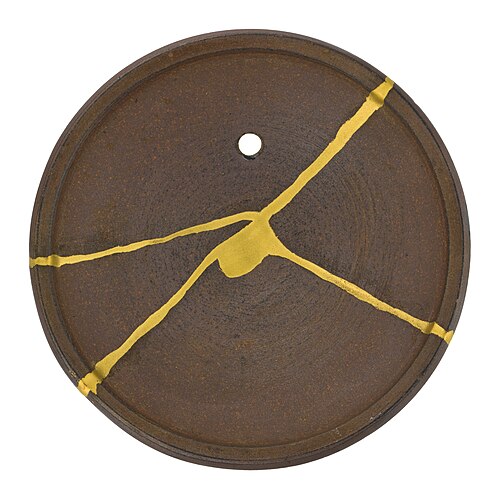
Against this seasonal backdrop, contemporary society faces a complex convergence of modern economic pressures, pervasive digital isolation, and deep-seated emotional and physical stress. Culturally and psychologically, society is being forced to choose between a path of historical erasure and an embrace of existence as a living work of kintsugi—the ancient Japanese art of repairing broken pottery with lacquer dusted or mixed with powdered gold, silver, or platinum.
This philosophical framework suggests that human flaws, emotional fissures, and historical traumas do not diminish an individual’s worth. Instead, when acknowledged, tended to, and healed with self-compassion and ancestral connection, these fractures highlight resilience and inner beauty. However, contemporary life presents immense obstacles to this healing process, including severe economic strains, systemic oppression, and historical trauma that spans multiple generations.
Chronology
- Pre-Modern Eras: The development of foundational human survival mechanisms, ancestral lineages, and the roots of intergenerational trauma passed down through wars, domestic abuses, and systemic oppressions (including slavery and colonial violence).
- The 20th Century: Successive generations navigate global conflicts (World War I, World War II, the Korean War, the Vietnam War) and economic collapses (such as the Great Depression), leaving profound invisible scars of post-traumatic stress and economic scarcity.
- The Early 2000s to Present: The rise of a digital, social-media-driven fabric that—while intended to foster global connection—has largely supplanted face-to-face community spaces, leading to heightened loneliness and societal fragmentation.
- February 2026: The intensification of ongoing geopolitical conflicts, driving up global fuel, transportation, and agricultural production costs.
- October 2026: As the veil thins ahead of Samhain, communities confront overlapping crises of inflation, shrinkflation, and heightened mental health vulnerabilities, prompting a renewed cultural focus on ancestral healing, mindfulness, and somatic wellness.
Supporting Data and Societal Pressures
The contemporary human experience is heavily influenced by economic and systemic stressors that manifest physically and emotionally. Citizens navigate a landscape where basic necessities—fuel for transportation, shelter, medical prescriptions, and groceries—consume an increasingly disproportionate share of personal income.
Economic Pressures and "Shrinkflation"
The economic realities of late 2026 bear a striking, uncomfortable resemblance to historical periods of scarcity, such as the Great Depression. The convergence of persistent military conflicts abroad and domestic supply chain shifts has led to widespread inflationary pressures. Consumers face the dual burden of rising prices alongside "shrinkflation"—the practice of reducing package sizes while maintaining or increasing prices.
For many households, routine trips to the grocery store have doubled or tripled in cost compared to previous years. This forces difficult triage decisions among working-class and middle-class families: choosing between adequate nutrition, necessary medical prescriptions, fuel for commuting to work, and stable housing. The nutritional compromise—shifting away from nutrient-dense proteins toward cheaper, heavily processed carbohydrate alternatives—impacts physical health, which in turn places greater strain on the body’s energetic and physiological systems.
Digital Isolation vs. Community Fabric
Compounding these financial anxieties is a two-decade-old social media infrastructure that has fundamentally altered human communication. While digital platforms promised hyper-connectivity, they have largely eroded reliable, face-to-face societal comforts. Spontaneous home visits, community gatherings, and long phone conversations have been widely replaced by asynchronous texts, voice notes, and curated digital updates.

When personal crises occur, individuals find themselves physically and emotionally isolated. Rather than confronting emotional fissures directly, modern society frequently relies on digital distractions to avoid confronting internal pain. This avoidance deepens societal divisions and exacerbates loneliness.
Official Responses and Available Resources
The compounding weight of economic stress, societal isolation, and historical trauma has severe mental health implications. Public health officials and specialized organizations provide critical intervention pathways for individuals grappling with these pressures.
Veterans’ Support and PTSD Resources
The invisible scars of military service—including multiple deployments, exposure to combat zones, and the psychological burden of survival guilt—continue to affect generations of families. Post-Traumatic Stress Disorder (PTSD) remains prevalent among military veterans, many of whom do not immediately seek formal medical care.
The U.S. Department of Veterans Affairs (VA) provides comprehensive health care services and crisis intervention tools. For veterans and active-duty service members experiencing crisis, confidential support is immediately available:

- Veterans Crisis Line: Dial 988, then select 1.
- Text Support: Send a text to 838255.
- Online Chat: Access confidential chat services via Veterans Crisis Line.
- TTY Users: Dial 711, then 988.
Domestic Abuse and Intergenerational Violence Support
Intergenerational trauma frequently manifests through domestic abuse, intimate partner violence, and physical or emotional maltreatment passed down within family units. Recognizing these silent cycles is the first step toward breaking them.
For individuals experiencing domestic violence or seeking guidance for affected loved ones, confidential resources are accessible nationwide:
- National Domestic Violence Hotline: Call 1-800-799-SAFE (7233).
- Text Support: Text "START" to 88788.
- Digital Assistance: Live web chat is available at The Hotline, featuring compassionate tools and automated support options for those unable to speak aloud.
Implications
The convergence of economic hardship, somatic fear, and historical trauma carries deep implications for both individual well-being and collective societal health.
Kinetic Weakness and Somatic Awareness
In traditional energetic frameworks, fear and anxiety are closely associated with the kidneys, functioning as the body’s physiological response to perceived threats. The constant ingestion of stressful news cycles, economic insecurity, and digital polarization floods human energy fields and bodies with sustained anxiety.
This state of chronic stress leads to what can be termed "kinetic weakness"—a physical and mental tightness where individuals disconnect from their bodies, holding tension in their shoulders, breath, and nervous systems. Addressing this requires intentional somatic and meditative practices:
- Conscious Rest: Moving beyond brief, disrupted intervals of sleep to prioritize deep rest and restoration.
- Mindful Movement: Engaging in practices such as Qigong, stretching, and conscious breathwork to realign the mental, emotional, and physical self.
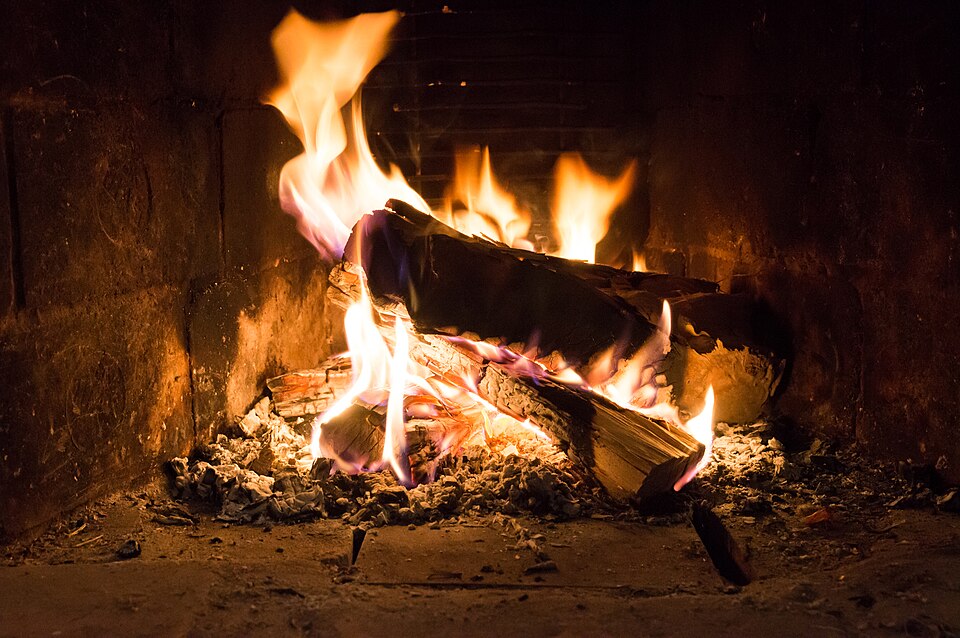
- Grounding: Utilizing quiet, meditative stillness—such as sitting by a hearth or fireplace—to release tension, lower the shoulders, and return to an internal state of calm.
Intergenerational Trauma and the Healing Power of Ancestors
At the deepest level, human suffering is shaped by intergenerational trauma. Whether transmitted through the legacies of war, domestic violence, or systemic oppressions—such as the Post-Traumatic Slave Syndrome theorized by Dr. Joy DeGruy, or systemic tracking within educational and economic institutions—unresolved ancestral pain flows down through the generations.
As October deepens and the veil between the living and the dead thins, individuals have a unique cultural and spiritual opportunity to address these wounds. By welcoming ancestors into their homes, practices, and lives, modern practitioners can draw upon an ancient spirit of survival.
Just as kintsugi honors the cracks in a ceramic vessel by filling them with precious metal, humans can mend their emotional fissures through self-compassion, ancestral remembrance, and community connection. The turning of the season serves as a powerful mental reminder: by turning inward, honoring grief, and embracing the quiet healing found in remembrance, individuals can transform inherited pain into enduring resilience for the future.