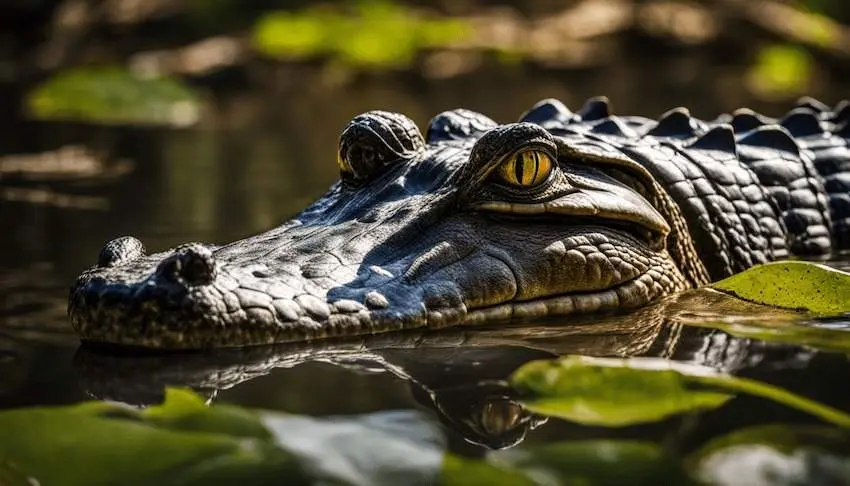
Introduction: Plunging into the Subconscious
When an alligator surfaces in the quiet theatre of the human mind during sleep, it rarely registers as a casual or forgetful encounter. These prehistoric, armored reptiles—symbols of unyielding survival and ancient power—tear through the veil of the subconscious during periods of intense emotional turbulence. For centuries, across various cultures and psychological frameworks, the appearance of an alligator in a dream has forced individuals to ask a fundamental question: Is it raw fear, bottled aggression, or a profound call to self-awareness that brings these creatures to the surface of our minds?
Far from being random nocturnal anomalies, alligator dreams serve as stark barometers of our internal states. They drag our deepest anxieties out of the murky depths and force us to examine power dynamics, hidden threats, and suppressed emotional truths. To understand an alligator dream is to navigate the delicate boundary between vulnerability and resilience, making these visions a compelling subject for psychological study, spiritual exploration, and personal introspection.
Chronology and Evolution of Dream Analysis
The practice of interpreting dreams—and specifically encounters with dangerous, predatory wildlife—has evolved dramatically over millennia, transitioning from mystical divination to structured psychological inquiry.
Ancient and Mythological Roots
In early human history, dreams were universally regarded as messages from the divine or the spiritual realm. Ancient civilizations looked to apex predators not merely as physical threats, but as powerful archetypes. In ancient Egypt, for example, the crocodile god Sobek embodied the volatile duality of creation and destruction. The Nile crocodile—closely related to the alligator—was feared and revered, symbolizing that destruction was frequently a necessary precursor to agricultural renewal and spiritual transformation.
The Birth of Modern Psychoanalysis
As society entered the 19th and 20th centuries, the approach to dream interpretation shifted from external prophecy to internal mapping. Pioneers like Sigmund Freud and Carl Jung revolutionized how humanity viewed the nocturnal mind.
- Freudian Theory: Sigmund Freud viewed dreams as the "royal road to the unconscious," where repressed desires, unfulfilled wishes, and primal aggressions disguised themselves behind symbolic imagery. Under a Freudian lens, a predatory creature like an alligator often manifests as an expression of pent-up aggressive impulses or anxieties linked to basic survival instincts.
- Jungian Psychology: Carl Jung expanded this framework by introducing the concept of the "shadow self"—the unconscious, often repressed or underexplored aspects of the human personality. To Jungians, an alligator embodies these hidden components of the psyche, serving as a psychological mirror that demands integration and acknowledgment for true personal growth to occur.
Contemporary Psychological Application
Today, modern psychotherapists and dream analysts view animal symbolism as an invaluable diagnostic tool. Rather than relying on rigid, one-size-fits-all dream dictionaries, contemporary dream work encourages individuals to analyze the specific context of the dream, the emotions felt during the encounter, and the parallels between the dreamer’s sleeping vision and their waking life.
Supporting Data: Common Alligator Dream Scenarios and Their Interpretations
Dream analysis relies heavily on the specific context of the vision. The emotional tone, the behavior of the alligator, and the setting all alter the meaning of the nocturnal encounter.
| Dream Scenario | Potential Psychological and Waking-Life Meaning |
|---|---|
| Being attacked by an alligator | Reflects facing severe verbal attacks, harsh criticism, or an overtly threatening situation in waking life. |
| Alligator eating something | Indicates consuming issues or obsessive thoughts that dominate your mental space and require immediate resolution. |
| Attacking an alligator | Represents a direct response to confrontation or criticism. Symbolizes standing up against a bully, fighting back against verbal assault, or finding the courage to face deep-seated fears. |
| Dreaming of a baby alligator | Signifies new beginnings, emerging creative projects, or the necessity of cultivating resilience when facing early-stage challenges. |
| In alligator-infested waters | Points to an overarching fear of criticism rather than active hostility, highlighting persistent anxiety regarding potential threats and neglected issues. |
| Alligator beneath the surface | Represents hidden anxieties or repressed emotions that are beginning to bubble up, acting as a subconscious warning sign or a glimpse of the shadow self. |
| Dead alligator | Marks the conclusion of a bitter conflict, a harsh exchange, or the symbolic death of a toxic, unserving habit or lifestyle aspect. |
| Alligator fighting another animal | Mirrors an external life conflict, prompting the dreamer to evaluate whether they are acting as the aggressor or the victim, or highlighting an intense inner conflict. |
| Escaping an alligator attack | Symbolizes successfully overcoming, breaking away from, or surviving a toxic relationship or high-pressure environment. |
| Seeing an alligator from a distance | Indicates a known but persistently unaddressed threat in waking life that the dreamer is consciously choosing to ignore. |
Psychological and Expert Perspectives
To fully grasp the weight of these dreams, one must examine the insights offered by psychoanalytic theory, particularly regarding how the human mind processes threat and survival.
The Jungian Perspective: Confronting the Shadow
Within the parameters of Jungian dream interpretation, the alligator is a classic manifestation of the shadow self. Because these creatures inhabit murky, opaque waters—symbolic of the unknown unconscious—their sudden emergence represents parts of our identity that we have suppressed, denied, or refused to integrate into our waking consciousness.
Jung posited that ignoring the shadow self only grants it more power, causing it to lash out from the depths. When an alligator appears, it is a psychological summons: an invitation to reclaim disowned parts of your personality, confront hidden rage, and achieve psychological wholeness through self-awareness.
The Freudian Perspective: Instincts and Repressed Desires
From a Freudian vantage point, the alligator’s predatory nature directly mirrors the id—the primitive, instinctual component of the human psyche containing sexual and aggressive drives. Freud would argue that a dream involving an aggressive alligator exposes underlying frustrations, unfulfilled desires, or fears surrounding one’s own untamed impulses. The dreamer is challenged to uncover what voracious, unmanaged appetites or unresolved conflicts are quietly operating beneath their civilized exterior.
Survival Instincts and Power Dynamics
Beyond classic psychoanalysis, alligator dreams frequently trigger deep philosophical inquiries into personal resilience. Alligators are living fossils; they have survived epochs of planetary change through absolute adaptability and fierce preservation. When they visit our sleep, they prompt a rigorous audit of our waking power dynamics:

- Are you acting as the predator, dominating others in your professional or personal life?
- Do you feel perpetually like the prey, trapped in vulnerable circumstances with little agency?
By analyzing these dynamics, dreamers gain clarity on their own boundaries, teaching them how to stand firm in hostile environments without resorting to unnecessary aggression.
Spiritual Meanings and Archetypal Symbolism
For those who lean into spiritual or esoteric interpretations, alligator dreams transcend simple psychological defense mechanisms, acting as mystical transmissions from the wilder edges of the human spirit.
Key Spiritual Interpretations
- The Call to Adaptability: Just as the alligator thrives in both aquatic and terrestrial environments, its dream presence teaches the necessity of moving fluidly through life’s sudden transitions.
- Guardian of Ancient Wisdom: In many shamanic traditions, reptiles are seen as keepers of primal knowledge, reminding humans to trust their gut instincts above rational logic.
- Shedding the Old: Because alligators are heavily armored, their presence often coincides with a spiritual need to build emotional armor or, conversely, to strip away obsolete defenses to allow personal evolution.
The Archetype of Sobek and Transformation
Drawing on ancient mythological frameworks, such as the Egyptian crocodile deity Sobek, deepens our understanding of these nocturnal visions. Sobek bridges the gap between chaos and order. The presence of such a deity in dream symbolism underscores the reality that creation and destruction are inextricably linked.
When life feels as though it is falling apart, the spiritual message of the alligator is one of profound reassurance: destruction is frequently a necessary precursor to profound personal growth. By leaning into the discomfort of change rather than fighting it, the dreamer harnesses deep inner wisdom.
Implications for Personal Growth and Self-Awareness
The ultimate utility of analyzing an alligator dream lies in its translation into actionable self-awareness. Ignoring the lessons of the subconscious often leads to chronic stress, unaddressed anxieties, and a persistent sense of vulnerability in waking life.
Transforming Fear into Fortitude
By moving past the initial terror of an alligator attack or pursuit, dreamers can pinpoint the exact root causes of their waking anxieties. Whether it is an intimidating work environment, an unresolved interpersonal conflict, or a suppressed personal truth, bringing these issues into the light robs them of their subterranean power.
Embracing the lessons offered by these powerful dreams cultivates emotional courage. It transforms a paralyzing nightmare into a masterclass in psychological fortitude, equipping individuals to handle life’s erratic, unpredictable currents with grace and resilience.
Practical Application: Dream Journaling Prompts
To extract meaningful insights from an alligator dream, introspection must be structured and intentional. Practitioners of dream work recommend utilizing specific journaling prompts immediately upon waking:
- Contextualizing the Waters: What did the water look like (murky, clear, calm, turbulent), and what does that environment mirror regarding your current emotional state?
- Identifying the Threat: What specific waking-life situation, person, or responsibility does the alligator represent to you right now?
- Assessing Your Reaction: Were you running, fighting, freezing, or observing from a distance? What does this behavioral response reveal about how you handle conflict in your waking life?
- Uncovering Hidden Desires: If the alligator represents an aspect of your own personality (the shadow self), what is it trying to communicate or demand from you?
Through consistent reflection, journaling bridges the gap between the chaotic imagery of the sleeping mind and the pragmatic problem-solving required of the waking self.
Conclusion: Following Where the Alligator Leads
When alligators slide into your dreams, they deliver unvarnished, wild messages from the deepest, murkiest waters of your subconscious. They are not sent to terrorize, but to awaken. These ancient, fierce creatures compel us to stop avoiding our internal tensions and to actively wrestle with whatever is bubbling up from beneath the surface of our awareness.
Take a deep breath, lean into the discomfort, and allow these primal symbols to guide you toward a clearer, more courageous understanding of your own hidden depths. Dreams have the power to take the human mind anywhere—so follow where the alligator leads, dive resolutely into those difficult waters, and discover what enduring truths are waiting to be reclaimed.