FLORENCE, Italy — In the heart of the Renaissance, where centuries of artistic heritage are meticulously guarded against the ravages of time, nature recently delivered a heart-stopping wake-up call.
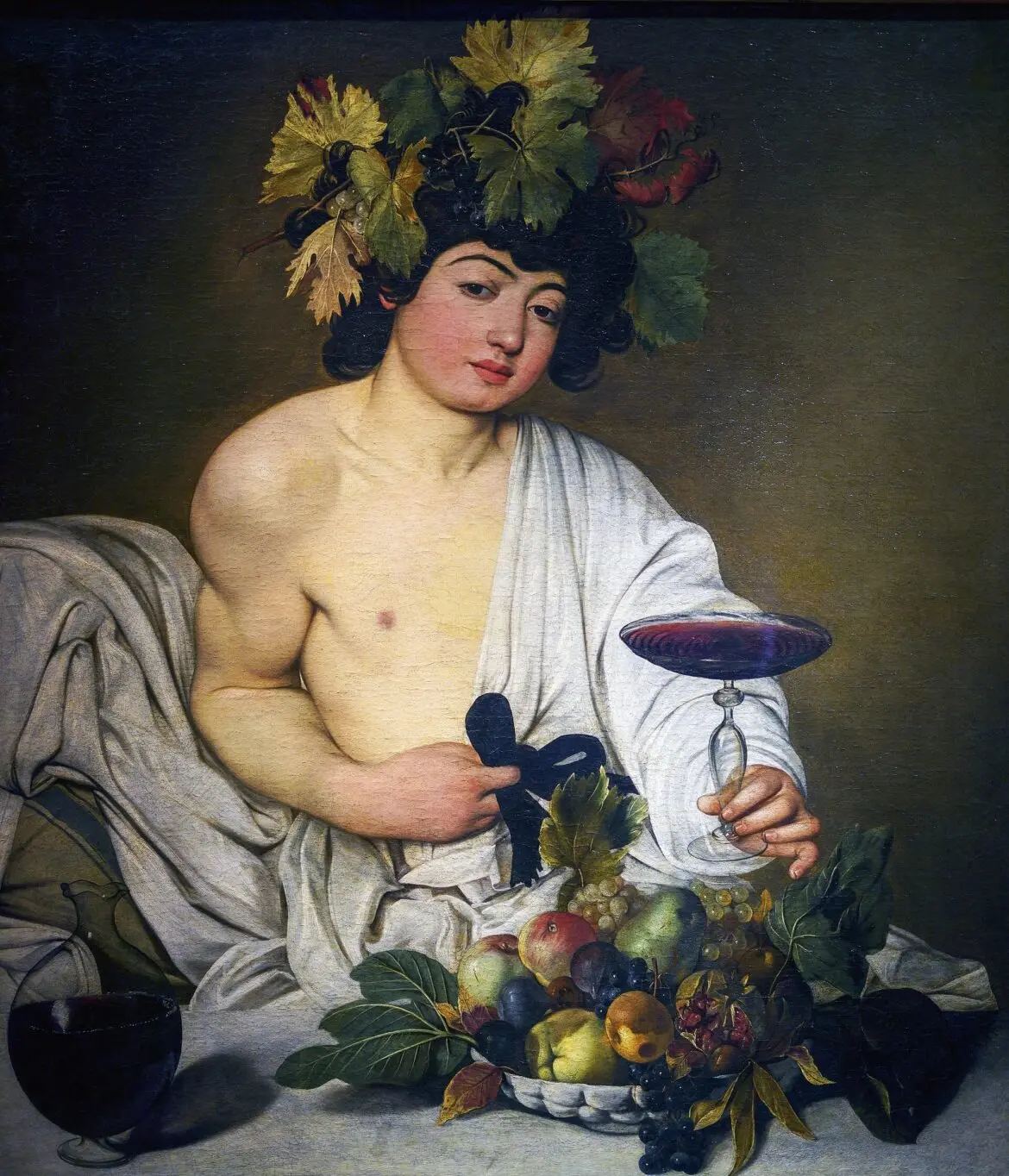
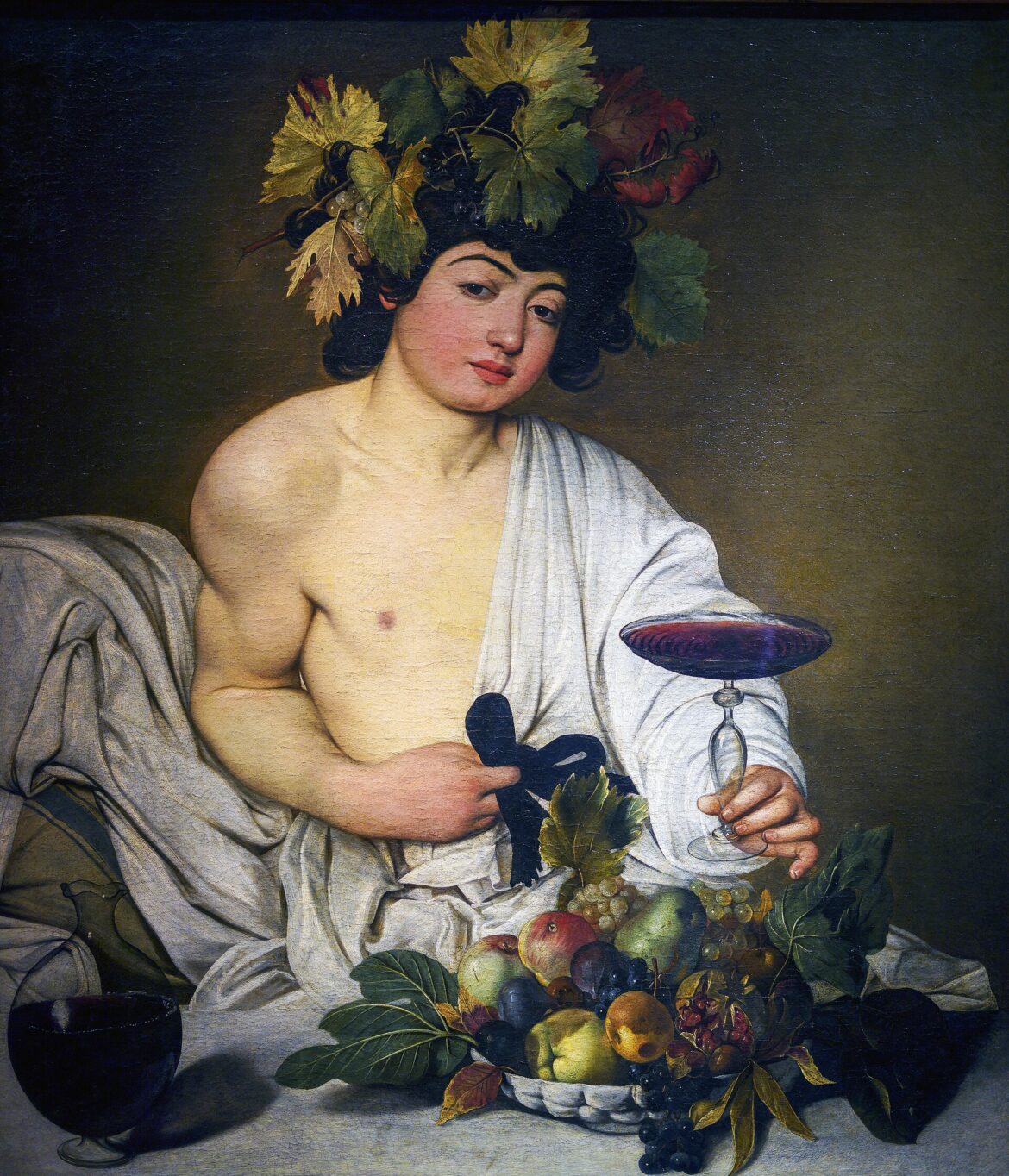
During a torrential downpour that swept across Florence in mid-September, a compromised skylight at the world-renowned Uffizi Gallery allowed rainwater to penetrate the historic exhibition space. The water cascaded downward, splashing off the gallery floor and directly targeting one of the museum’s most prized possessions: Caravaggio’s iconic 16th-century oil-on-painting, Bacchus.
While museum officials were quick to assure the public that prompt intervention prevented permanent harm to the masterpiece, the dramatic incident has reignited global conversations regarding the vulnerability of priceless cultural artifacts to extreme weather events fueled by a changing climate. It also highlights the intricate, often fragile intersection between classical antiquity, Baroque art, and modern preservation.
Main Facts
The incident occurred on September 17, when a sudden and severe rainstorm battered Florence, overwhelming parts of the historic city’s infrastructure. At the Uffizi Gallery, water breached a skylight, leaking heavily into the room housing Bacchus, a foundational work by the Baroque master Michelangelo Merisi da Caravaggio.
The Artwork:Bacchus (c. 1595–1596) is an oil-on-canvas painting measuring 95 cm by 85 cm. It depicts the Greco-Roman god of wine, fertility, and theatrical ecstasy as a youthful, inviting figure adorned with vine leaves, holding a chalice of red wine, and casually loosening the drawstring of his robe.
The Threat: Water poured through the overhead architecture and splashed up from the flooring, directly striking the protective glass case encasing the canvas.
The Impact: According to rapid assessments by Uffizi conservators, neither Bacchus nor any other neighboring artworks sustained structural or water damage. Thanks to the protective encasement and immediate emergency protocols, the painting was safely back on public display the following day.
Chronology of Events
The unfolding crisis at the Uffizi was captured by both visitors on the ground and rapid-response gallery staff, tracing a tense timeline from atmospheric rupture to swift remediation.
Mid-Day, September 17: A violent storm cell strikes Florence, bringing torrential downpours that strain historical buildings across the city, including the Uffizi and the nearby Pitti Palace.
Peak of the Storm: Water breaches the gallery’s overhead skylight. Witnesses inside the hall watch in horror as rainwater hits the display casing of Bacchus. Italian newspaper Corriere della Sera reported that, to the naked eye of stunned visitors, the view of the canvas through the glass became hazy and streaked with long lines of water.
Immediate Response: Gallery staff enact emergency protocols, cordoning off the affected area to protect visitors and shield the perimeter of the installation.
Post-Storm Inspection: Conservationists remove the painting from its public gallery space for a thorough diagnostic check.
September 18: Following confirmation that the climate-controlled glass case successfully blocked all moisture from reaching the canvas, Bacchus is returned to its designated position, safely welcoming viewers once more.
Supporting Data and Historical Context
To understand why the near-loss of Bacchus sent shockwaves through the art world, one must examine the painting’s storied history, cultural significance, and Caravaggio’s broader artistic evolution.
The Provenance of a Masterpiece
Painted early in Caravaggio’s career—circa 1595 or 1596—Bacchus was created while the artist was under the patronage of Cardinal Francesco Maria del Monte, a prominent Catholic official with a deep affinity for classical mythology and humanist arts.
Art historians speculate that the model for the painting may have been Caravaggio himself, capturing his own reflection via a mirror, or perhaps his pupil and reported companion, Mario Minniti. Following the Cardinal’s death, the painting eventually passed into the hands of the illustrious Medici family.
Miraculously, the painting was lost to mainstream art historical consciousness for centuries until 1913, when it was rediscovered tucked away in the Uffizi’s own storage facilities. It was formally identified by pioneering art historians Roberto Longhi and Matteo Marangoni, quickly ascending to its current status as a crown jewel of the Uffizi’s collection.
Caravaggio and the Divine
Caravaggio is universally celebrated as a revolutionary figure in European art, most famously pioneering chiaroscuro—the dramatic, theatrical contrast between deep shadow and intense light. Bacchus is not his only exploration of the wine god; several years prior, he painted the haunting Young Sick Bacchus (c. 1593), which portrays the deity in a jaundiced, vulnerable, and melancholic state, turned away from the observer.
Beyond art history, the subject matter holds profound weight in modern cultural spaces. Bacchus, synonymous with Dionysus in the Greek pantheon, was far more than a simple symbol of intoxication in antiquity. He represented the complex intersections of agricultural fertility, dramatic arts, ritual madness, and spiritual ecstasy.
In the post-classical era, he inspired thinkers from Renaissance humanists to Friedrich Nietzsche. Furthermore, Bacchus remains one of the most widely venerated classical deities within the contemporary Pagan and modern polytheistic revivals, where his rites and festivals are actively reimagined today.
Official Responses
The leadership of the Uffizi Gallery moved swiftly to manage public perception and reaffirm their commitment to artifact safety in the wake of the incident.
In official statements released shortly after the storm, museum representatives emphasized that the layered defense systems implemented within the gallery—specifically the heavy-duty, climate-controlled glass display cases—functioned precisely as intended.
"The security and conservation measures in place successfully intercepted the environmental hazard," a gallery spokesperson noted. "While the severity of the weather tested our infrastructure, our protocols ensured that the integrity of the artwork remained entirely uncompromised."
Art preservation groups across Italy, however, have used the incident to call for increased structural funding. As historic European museums face an era of increasingly volatile, extreme weather patterns driven by climate change, experts argue that relying solely on display cases is a reactive measure. Upgrading nineteenth- and twentieth-century architectural roofs and skylights across Italy’s historic galleries has become an urgent budgetary priority.
Implications for Cultural Heritage
The close call involving Caravaggio’s Bacchus reverberates far beyond the walls of the Uffizi, serving as a cautionary tale for cultural institutions globally.
Climate Vulnerability in Historic Structures: Many of the world’s most significant art repositories are housed in historic buildings that were never engineered to withstand modern, high-intensity weather anomalies. Torrential rains, unseasonal heatwaves, and sudden atmospheric shifts pose systemic risks to organic media like oil on canvas.
The Balance Between Accessibility and Fortification: The incident highlights the indispensable role of modern conservation technology. Without the specialized microclimate glass case that absorbed the brunt of the water and debris, the irreplaceable 16th-century canvas would have suffered severe, potentially irreversible chemical and structural degradation.
The Resilience of Art: Ultimately, the story of Bacchus on September 17 is one of resilience. Having survived centuries of political upheaval, storage obscurity, and now the literal fury of the skies, Caravaggio’s youthful god of wine continues to gaze out from behind his glass shield—inviting modern audiences to share in an enduring legacy of beauty, mystery, and survival.