STRASBOURG, FRANCE & NEW YORK, N.Y. — As the crisp winds of October sweep across the Northern Hemisphere, ushering in a season traditionally associated with thinning veils, ancestor reverence, and festive observation, the global Pagan, polytheist, and animist communities find themselves at the center of unprecedented cultural visibility. From high-fashion runways in New York to interdisciplinary lecture halls in Europe and historic preservation studies across Washington, modern witchcraft, historic magic, and revived traditions are commanding mainstream attention.

This week’s roundup of Pagan Community Notes captures a vibrant snapshot of the community at large: international scholars collaborating on modern esoteric studies, high fashion embracing the "witchcore" aesthetic, historians analyzing ancient domestic protective magic, and local communities gearing up for a packed calendar of autumn festivals, workshops, and literary anthologies.
Main Facts
The modern Pagan and magical landscape is experiencing a multi-layered convergence of academic rigor, popular culture, and seasonal community celebration:

- Academic Expansion: The Interdisciplinary Network of Pagan Studies (INOPS) has officially launched an international platform to connect scholars studying contemporary Paganisms and revived traditions.
- Fashion & Occultism: Major fashion houses and publications, including Vogue, have declared Fall 2026 a watershed moment for "witchy" dressing, integrating glamour magic and non-conformist aesthetics into haute couture.
- Historical Magic in Focus: Recent historical analysis from publications like Smithsonian Magazine and HISTORY highlights the deep roots of domestic protective magic—ranging from apotropaic building marks to witch bottles—and explores the true, non-sinister origins of the Ouija board.
- AI and Animism: Author Yvonne Aburrow has launched a broad, anonymous public survey to gather animist, polytheist, and Pagan perspectives on the societal impacts of generative artificial intelligence.
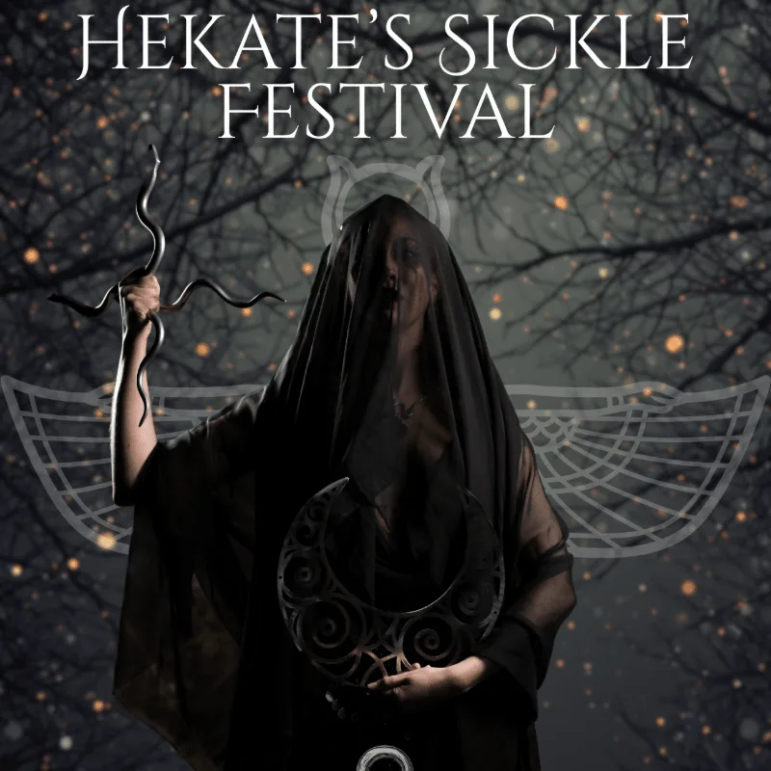
- Fall Festivities: Communities worldwide are unveiling extensive autumn schedules, featuring flagship events such as the Aquarian Tabernacle Church’s Hekate’s Sickle Festival on Orcas Island, Ardantane’s online book festival, EarthSpirit’s Berkshire retreats, and a global fiction call for Spellbound, an anthology inspired by Ukrainian artist Inna Vjuzhanina.
Chronology
The events shaping this week’s community notes span historical developments, contemporary academic milestones, and a fast-approaching autumn calendar:

- 1848–1891: The American Spiritualism movement rises in popularity following the Fox sisters’ phenomenon, ultimately leading to the 1891 patenting of the commercial "talking board" (Ouija) by Elijah Bond.
- April 2025: The University of Strasbourg hosts The Echo of Ancestors international workshop, laying the groundwork for the formation of INOPS.
- June 2026: Author Yvonne Aburrow issues an initial call for contributions regarding Pagan and polytheist responses to generative artificial intelligence.
- September 24, 2026: Vogue publishes "Get In, Crones: This Fall We’re Dressing Like Witches," spotlighting the intersection of high fashion and glamour magic.
- October 1, 2026: The Wild Hunt publishes its weekly Pagan Community Notes, cataloging current academic networks, historical deep dives, surveys, and seasonal events.
- October 9–12, 2026: EarthSpirit hosts its annual Twilight Covening intensive spiritual retreat in the Berkshires, western Massachusetts.
- October 12, 2026: The monthly EBSAT meeting convenes via Zoom to discuss community developments.
- October 17, 2026: Ardantane hosts its online bibliophilic day, For The Love of Books, organized by the Stewards of Seshat.
- October 25, 2026: EarthSpirit holds its Ancestor Ritual and Sacred Land Walk at Glenwood.
- October 30, 2026: EarthSpirit celebrates its seasonal Samhain Ritual at the Williamsburg Grange in Massachusetts.
- November 6–8, 2026: The Aquarian Tabernacle Church hosts the Hekate’s Sickle Festival at Camp Moran State Park on Orcas Island, Washington.
- December 1, 2026: Submissions close for Spellbound, the first volume of the fantasy anthology series from Coreopsis Journal and Worldsmyths.
Supporting Data
The intersection of modern magical practice and mainstream society is supported by a growing body of research, material culture, and community metrics:
- Academic Scope: INOPS brings together researchers from sociology, anthropology, political science, law, folklore studies, and the history of religions, supported by the University of Strasbourg’s MAKErS institute and the DRES Research Center.
- Archaeological Evidence of Protection: Approximately 250 historic witch bottles—containing items like hair, fingernails, and bent pins to deflect curses—have been identified in England, compared to fewer than a dozen documented in the United States.
- Demographics and Outreach: Organizations like the Aquarian Tabernacle Church serve a transatlantic constituency spanning the United States, Canada, and South Africa, providing structured seasonal festivals and educational resources.
- Literary and Artistic Collaborations: The Spellbound anthology project features nine distinct fantasy paintings by Zaporizhzhia-based Ukrainian artist Inna Vjuzhanina, translating visual spiritual journeys into international fiction and poetry.
Official Responses and Expert Insights
Scholars, spiritual leaders, and cultural commentators have offered significant perspective on the rising visibility of Pagan and magical themes:

- On Academic Integration: Organizers of INOPS emphasize that the network provides a vital academic forum for comparative research into how ancient and local religious traditions are reinterpreted in contemporary political and cultural landscapes.
- On Magical Fashion: Speaking to Vogue, glamour witch and spiritual occultist Ebony Jasmine Harris noted that clothing is an active tool for magical practice. Harris highlighted the intentional use of color and apparel to manipulate presence, personal protection, and spiritual expression.
- On Sanctuary in Nature: Commenting on the upcoming Hekate’s Sickle Festival, Belladonna LaVeau, Archpriestess and CEO of the Aquarian Tabernacle Church, remarked: "While the amenities of the hotel are comfortable, Witches want to be in the wild woods, under the moon, with firelight, and drums. Hekate’s Sickle is a witch retreat, dedicated to magic, deepening your connection with deity and each other, so we can return to our lives strengthened by shared mystery and sacred work."
- On Historical Self-Defense: Historian Thomas Waters, writing for Smithsonian Magazine, characterizes historical apotropaic magic not as fringe superstition, but as a pragmatic form of everyday psychological and supernatural self-defense designed to secure the home against real-world anxieties and uncertainties.
Implications
The cultural milestones and community updates highlighted in this week’s notes carry profound implications for the future of modern Paganism, academia, and broader societal trends:
- Mainstream Integration vs. Preservation: As high fashion, major media franchises (such as Practical Magic 2 and American Horror Story), and historical journalism turn their lenses toward witchcraft, contemporary practitioners navigate a complex landscape where commercial aesthetics frequently intersect with genuine spiritual identity. This visibility offers validation and a language of personal agency, though it requires careful navigation to avoid reducing living practices to hollow tropes.
- Academic Legitimation: The formalization of networks like INOPS signals a maturing academic discipline. By integrating Pagan studies across multiple social science and humanities fields, universities are increasingly recognizing contemporary and revived spiritualities as valid, dynamic subjects of sociological and historical inquiry rather than historical footnotes.
- Technological and Philosophical Adaptation: Initiatives such as Yvonne Aburrow’s AI survey demonstrate that the Pagan community is actively grappling with the ethical, philosophical, and animist implications of emerging technologies. Rather than remaining isolated in romanticized pasts, modern polytheists and animists are directly addressing how artificial intelligence alters human relationships with nature and consciousness.
- Resilience Through Community: As seasonal events like EarthSpirit’s Twilight Covening, Ardantane’s literary workshops, and the Aquarian Tabernacle Church’s Hekate retreat demonstrate, physical gatherings remain a cornerstone of modern Pagan life. In an increasingly digital and unsettled world, these spaces offer tangible support, shared ritual, and emotional resilience for individuals seeking connection with the sacred and the natural world.