For mineralogists, lapidary artists, spiritual practitioners, and casual hobbyists alike, few experiences rival the sensory overload and geological wonder of attending a major global gem and mineral exposition. At the pinnacle of this world sit two massive North American events: the Tucson Gem, Mineral & Fossil Showcase in Arizona and the Colossal Denver Gem and Mineral Show in Colorado.
While both exhibitions serve as epicenters for the global trade and appreciation of Earth’s treasures, they offer distinct experiences, logistical challenges, and community atmospheres. Team HM member Lisa recently broke down these differences in an exclusive video comparison, offering a roadmap for anyone looking to cross these monumental events off their bucket lists.
Main Facts: Understanding the Giants of the Mineral World
To appreciate what makes these expos so extraordinary, one must first understand their scale. The crystal market is a multi-billion-dollar global industry, and these two North American exhibitions represent its beating heart.
- The Tucson Showcase: Spanning nearly three weeks every winter, the Tucson event is not merely a single convention; it is a sprawling city-wide takeover. Encompassing upwards of 40 to 50 distinct shows operating simultaneously across hotels, tents, convention centers, and vacant lots, Tucson features thousands of vendors from over 20 countries. It is widely considered the largest gem and mineral event on Earth.
- The Denver Show: Taking place in the crisp autumn air of the Rocky Mountains, the Denver expo offers a slightly more contained—yet still massive—experience. Anchored primarily by major venues like the National Western Complex, the Denver show brings together hundreds of top-tier international wholesalers, local miners, and fossil dealers under fewer roofs, making it exceptionally dense with high-grade specimens.
Whether you are hunting for massive Smokey Quartz "Earth Keepers," intricate Lepidolite carvings, or endless strands of gemstone beads, both expos offer direct access to specimens that rarely make it to traditional retail storefronts.
Chronology: The Annual Lifecycle of the Gem Show Season
The journey of a gem show attendee follows a distinct seasonal rhythm, dictated by geological mining seasons, international shipping logistics, and the cyclical schedule of North America’s trade calendar.
Spring and Summer: Sourcing and Extraction
Long before tents are pitched in Arizona or Colorado, miners across the globe—from the pegmatites of Brazil and Madagascar to the high-altitude mines of the Himalayas—extract raw materials. Master carvers begin shaping pieces like the stunning Lepidolite Krishna sculptures seen in Denver or the complex skeletal elestials discovered in Tucson.
September: The Denver Kickoff
The autumn season opens with the Denver Gem and Mineral Show. Serving as the primary post-summer marketplace in North America, Denver allows buyers, interior designers, and metaphysical shop owners to secure newly mined inventory just in time for the lucrative holiday retail season. It is characterized by cooler weather, stunning mountain backdrops, and a bustling, highly accessible layout.
Fall and Winter: The Transitory Phase
Between October and January, international shipping containers traverse oceans, and domestic dealers curate their finest inventory. During this period, veteran attendees map out their budgets, secure lodging well in advance (as hotels in hosting cities book out a year ahead), and study market trends.
January and February: The Tucson Takeover
The grand finale—and the undisputed heavyweight champion of the crystal world—arrives in Tucson, Arizona, in late January and runs through mid-February. For nearly three weeks, the city transforms. International buyers, scientists, museum curators, and spiritual seekers descend upon the Sonoran Desert. The chronology of Tucson is a marathon: attendees must pace themselves across multiple days—or even weeks—to navigate wholesale-only tent setups, high-end hotel showroom displays, and public retail bazaars.
Supporting Data: The Scale of Specimens and Crystal Varieties
Statistics and physical metrics highlight the sheer magnitude of what is displayed at these shows. At both Tucson and Denver, visitors routinely encounter geological anomalies that defy everyday expectations.

The Reign of Quartz
Clear quartz remains the undisputed "rock star" of the mineral kingdom. Known for its abundance, versatility, and high energetic resonance, clear quartz towers, clusters, and cathedral points dominate nearly every aisle.
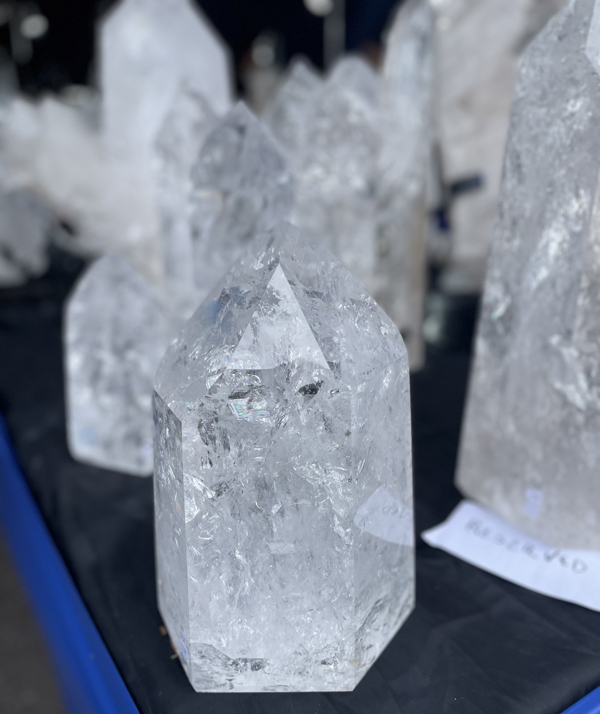
- Fire and Ice Quartz: Highly sought after for its internal fracturing that creates brilliant rainbow refractions, Fire and Ice quartz towers are staples of the Denver show floor.
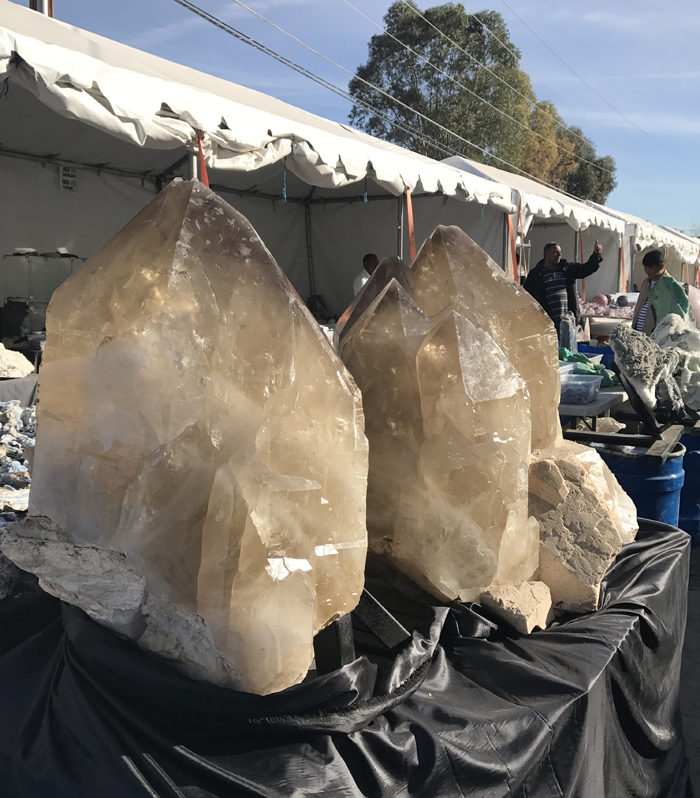
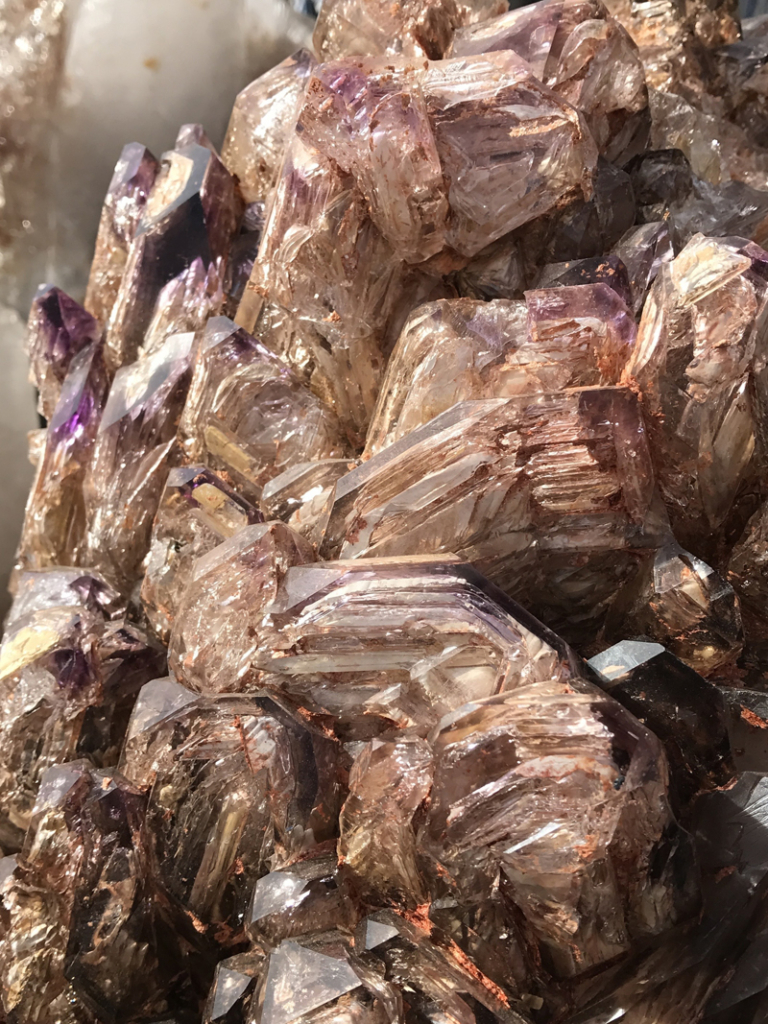
- Smokey Quartz Earth Keepers: Massive, grounding smokey quartz crystals—often weighing hundreds of pounds—frequently anchor major booths at the Tucson show. These monolithic specimens are prized not only for their aesthetic grandeur but also for the massive energetic toruses (electromagnetic energy fields) they are believed to project.
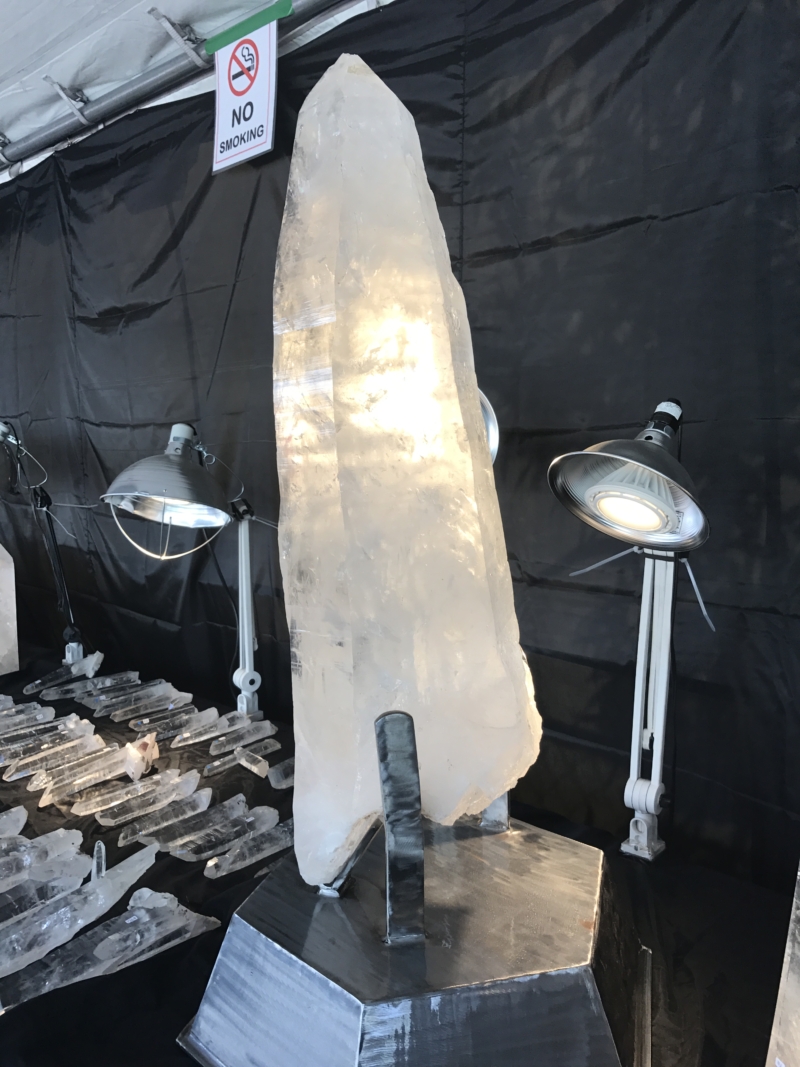
- Giant Lemurian Seed Crystals: It is not uncommon to walk face-to-face with a pristine, ladder-patterned Lemurian point standing over six feet tall, an encounter exclusive to events of this magnitude.
Beyond Quartz: Carvings and Beads
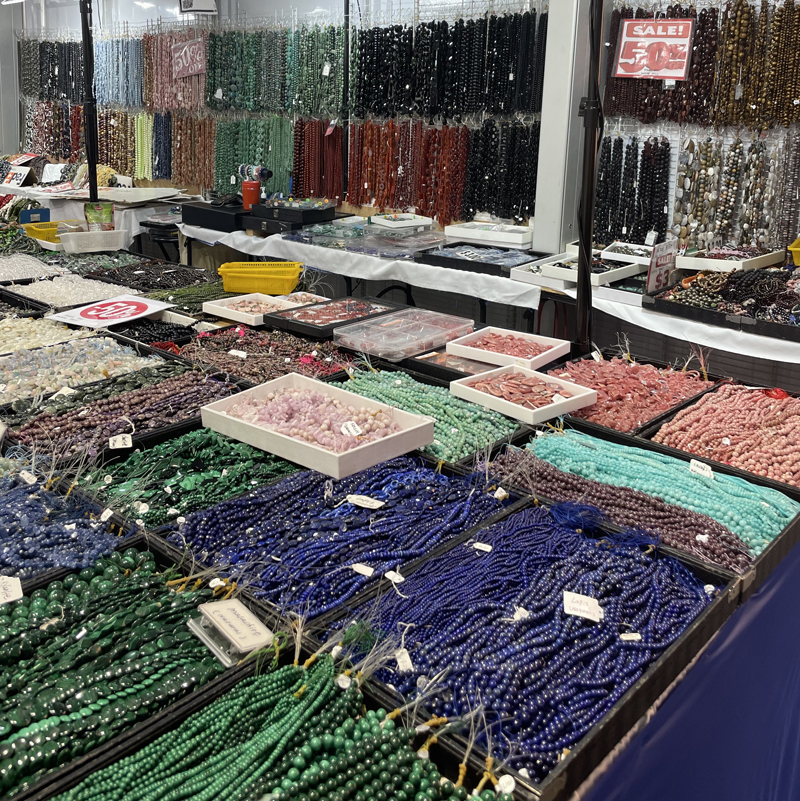
The data on lapidary artistry is equally staggering. Entire booths are dedicated exclusively to gemstone beads, offering miles of selectable inventory for jewelry makers. Meanwhile, master artisans showcase museum-quality carvings, transforming minerals like lepidolite, jade, and amethyst into intricate deities, animals, and abstract home decor.
Official Responses and Expert Insights: Guidance from Team HM
Navigating events of this scale can easily overwhelm even the most seasoned crystal enthusiast. To ease the burden, Crystal Coach Lisa and the team at Hibiscus Moon have provided structured guidance on how to approach these expos successfully.
Key Considerations Before You Go
According to Team HM’s video breakdown, prospective attendees must address several critical factors before booking a ticket:

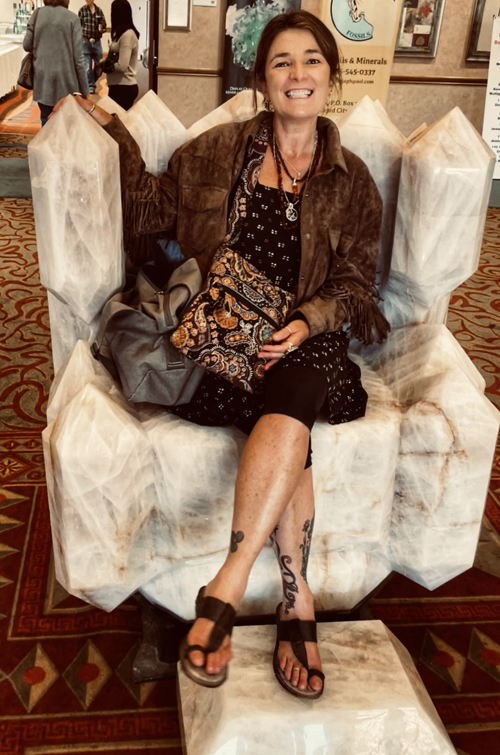
- Define Your Purpose: Are you attending as a retail buyer looking for personal keepsakes (like sitting on a Milky Quartz throne or acquiring a pocket-sized tumbled stone), or are you a wholesale business owner stocking inventory? Many shows in Tucson require a business license and tax ID for entry, especially during the first week of exclusive wholesale setups.
- Pacing and Physical Stamina: Walking miles of concrete and carpeted hotel hallways in the desert heat (Tucson) or high-altitude crispness (Denver) takes a toll. Lisa stresses the importance of wearing comfortable walking shoes, staying hydrated, and pacing daily schedules.
- Budgeting and Impulse Control: When surrounded by thousands of square feet of glittering amethyst, elestials, and rare tourmalines, it is entirely too easy to overspend. Setting a strict budget—and knowing when to walk away—is vital.
Implications: The Economic, Cultural, and Energetic Impact
The presence of the Tucson and Denver Gem Shows extends far beyond commercial transactions; they carry profound implications for local economies, global artisan communities, and the modern wellness movement.
Economic and Tourism Impact
Both cities experience multi-million-dollar economic surges during their respective events. Hotels, restaurants, rental car companies, and local shipping services operate at maximum capacity. For Tucson and Denver, these expos are vital cultural and financial anchors that put them on the global tourism map every single year.
Ethical Sourcing and Artisan Communities
As consumer awareness grows, questions surrounding the ethical extraction of crystals have taken center stage. Major international dealers at these shows increasingly face scrutiny regarding fair trade practices, miner safety, and environmental stewardship. Simultaneously, these expos provide a vital global stage for traditional carvers and small-scale miners from developing nations, allowing them to showcase their craftsmanship directly to an international audience without relying on exploitative middlemen.
The Rise of Crystal Energetics and Modern Wellness
Culturally, these shows reflect the explosive mainstream popularity of crystal healing, meditation, and Earth-based spirituality. What was once viewed as a niche, esoteric hobby is now a recognized pillar of the modern self-care and holistic wellness movement. Visitors do not just attend to buy decor; they attend to soak up the "crystal vibes," connect with like-minded Earth Keepers, and deepen their understanding of mineralogy and metaphysical correspondences.
Conclusion: Which Show Is Right for You?
Whether you dream of lounging on a Milky Quartz throne in the warm Arizona sun or exploring endless gemstone bead booths against the backdrop of the Colorado Rockies, a pilgrimage to a major gem show is an unforgettable rite of passage.
As Lisa and Team HM demonstrate, preparation is the key to turning a potentially overwhelming shopping trip into a deeply enriching, soul-nourishing adventure. Have you ever attended the Tucson or Denver Gem Shows? Is an epic crystal pilgrimage sitting on your bucket list, or do you plan to conquer both? Share your thoughts, stories, and crystal blessings in the comments below!