By Special Correspondent
For decades, the cultural narrative surrounding twins has been dominated by a simplistic lens of fascination. To the outside world, twins are often viewed as a matched set—a charming novelty of matching outfits, uncanny synchronization, and shared milestones. Yet, behind the public curiosity lies a complex psychological landscape that researchers, family therapists, and twins themselves are only recently beginning to fully understand.
From the intense separation anxiety experienced in infancy to the lifelong trials of property management, comparison, and the quest for individual identity, raising twins is a profoundly intricate journey. Modern child development experts now recognize that the traditional approach to twinship—often characterized by treating the pair as a single unit—can be deeply detrimental. Instead, contemporary family dynamics demand a nuanced framework that prioritizes individual autonomy, emotional separation, and the well-being of non-twin siblings who often find themselves navigating the periphery of a high-demand relationship.
Main Facts: The Complex Realities of Twinship
At the core of the twin experience is a paradox: an unbreakable, deeply intimate bond coupled with an often agonizing struggle for individual differentiation. According to developmental psychologists and personal accounts from twins, several fundamental realities define this dynamic:
- The Separation Anxiety Paradox: Young twins frequently exhibit extreme distress when separated, even momentarily. Whether triggered by a dispute over a new toy or the physical absence of one sibling, this separation anxiety can overwhelm households, leaving caregivers scrambling to restore peace.
- The "Equality Insanity": Competition between twins is fierce, driven by an obsession with absolute equality. Measuring food portions on scales, keeping strict tallies of gifts, and demanding identical treatment into adulthood are common manifestations of a deeper fear of "missing out" on what the other possesses.
- The Sibling Disruption: Non-twin siblings are directly impacted by the arrival of twins. They often experience confusion, jealousy, and feelings of diminished self-worth due to the disproportionate amount of public attention twins command. Furthermore, twins frequently cross boundaries, taking items from non-twin siblings without remorse.
- The Shift in Professional Guidance: Historical parenting advice for twins was sparse, often limited to arbitrary suggestions such as keeping infants separated. Today, experts agree that parents cannot manage twin development alone; intentional strategies are required to foster individuality and manage intense interpersonal friction.
Chronology: From the "Look-Alike Trap" to Modern Psychological Awareness
The Era of the Novelty Stroller (Mid-20th Century)
In earlier generations, twinship was viewed primarily through the lens of logistics and family stress. Emotional and cognitive development issues were rarely addressed unless they fell outside expected norms, with the notable exception of concern over "twin language." Public fascination ran rampant. It was common for older siblings to act as impromptu spokespersons for the family; one chronicled childhood memory highlights an older brother attaching a sign to a double stroller that bluntly read, "Yes, they are twins," simply to fend off a constant barrage of intrusive questions from strangers.
Parental support during this era was virtually nonexistent. Mothers were left to navigate the chaos of raising high-energy toddlers with little to no professional guidance. In one vivid historical account from the 1950s, three-year-old twins—acting on the impulse to explore side-by-side as they had in the womb—ingested red furniture polish, mistaking it for fruit punch. The resulting emergency room visit and stomach pumping became family lore, underscoring the high-stakes environment of unsupervised, enmeshed twin toddlers.
The Rise of Individualized Developmental Studies
As developmental psychology advanced into the latter half of the 20th century, researchers began studying twin development at greater length. This shift revolutionized parenting philosophies. Scholars and clinicians realized that treating twins as a collective entity hindered their psychological growth. The emphasis shifted toward individual milestones, personal relationships between parents and each twin independently, and the deliberate dismantling of the "look-alike trap."
The Modern Era: Intentional Parenting and Systemic Support
Today, the cultural approach to raising multiples has evolved dramatically. Parents are far more direct in deflecting the public’s curiosity, and professionals provide structured, evidence-based guidance. The impact of twins on the broader family unit—particularly non-twin siblings—is now a central component of family counseling and parenting education.
Supporting Data and Psychological Insights
The psychological mechanisms driving twin behavior are rooted in the concepts of enmeshment, identity formation, and boundary development.
Identity and the Separation Crisis
Psychologists point out that the closeness of twinship creates a distinct identity problem. Because twins are constantly mirrored by one another, forming a distinct "I" separate from the "We" is one of their most significant developmental hurdles. When twins are excessively enmeshed, they struggle to tolerate differences in their experiences.
This intolerance frequently manifests in adulthood around material and lifestyle milestones. It is not uncommon for adult twins to experience profound distress if one secures a better house, a higher-paying job, or a more desirable vacation than the other. Those who successfully navigate these hurdles are typically the ones who have been encouraged to recognize that their needs, desires, and life paths are inherently distinct.
The Toll of Constant Comparison
The persistent questioning from the outside world—"Which one are you?" or "Who is the smart one?"—takes a psychological toll. For twins, being reduced to a matched set undermines their sense of personal agency. For non-twin siblings, the relentless focus on the twins can foster resentment and diminish their own sense of self-worth within the family ecosystem.
Official Responses and Expert Recommendations
Child development specialists, parenting coaches, and twin support organizations have established comprehensive guidelines to help families foster healthy environments for multiples and their siblings. Modern parenting strategies focus on proactive steps to dismantle the twin identity trap:
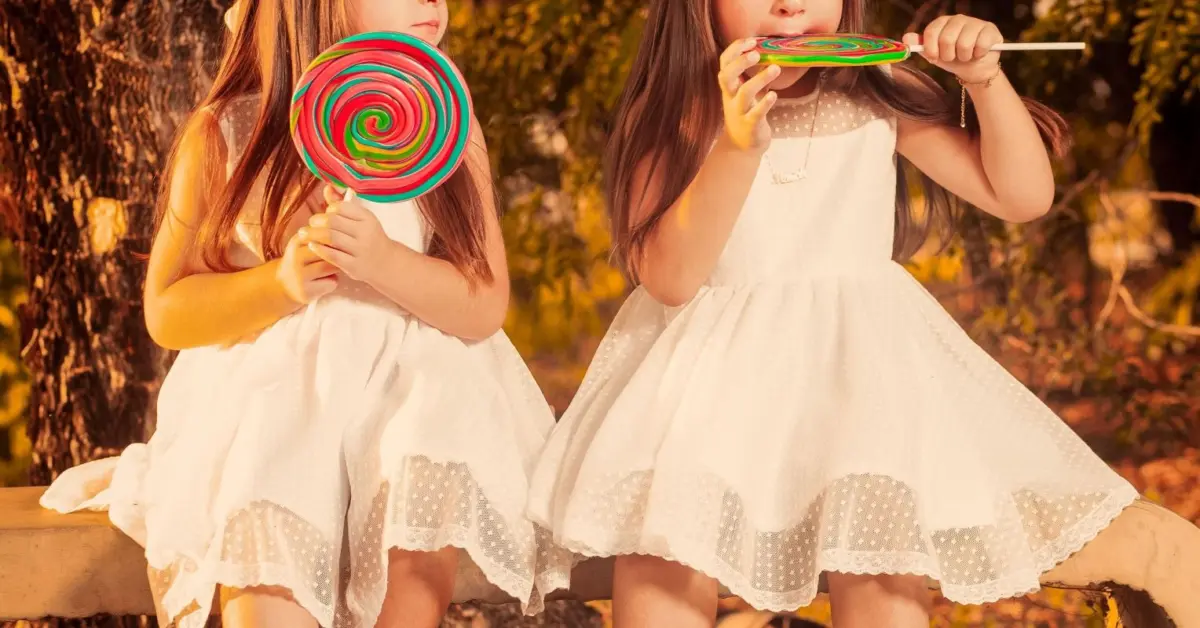
- Differentiate Appearance: Avoid dressing twins in matching outfits. Encouraging distinct clothing styles helps the public, family members, and the twins themselves view them as separate individuals.
- Highlight Unique Preferences: Actively observe and point out everyday likes and dislikes that differ between the children. Validate their individual tastes in food, hobbies, and social interactions.
- Implement Dedicated One-on-One Time: Parents should schedule regular, exclusive time with each child individually, engaging in activities tailored strictly to that child’s personal interests.
- Engage with Specialized Communities: Seek out parenting support groups specifically focused on raising multiples to share strategies, challenges, and solutions with peers navigating the same dynamics.
- Avoid Oppositional Labeling: Refrain from labeling twins as opposites (e.g., "the smart one and the athletic one" or "the quiet one and the outgoing one"), which simply replaces one box with another.
- Maintain Strict Fairness Without Obsession: While equity is important, parents must teach children that fairness does not mean absolute identity of experience. Children must learn to cope with minor discrepancies in life without triggering "equality insanity."
- Open Family Dialogue: Talk openly within the family about how the dynamics of being a twin differ from being a single-born child, ensuring that non-twin siblings feel heard and valued.
Implications for Families and Future Research
The evolution of how we perceive and raise twins carries profound implications for family stability and mental health. Moving away from the archaic view of twins as a synchronized novelty allows children to develop authentic self-esteem and healthier interpersonal boundaries.
For non-twin siblings, this systemic approach reduces feelings of alienation and sibling rivalry, integrating them more harmoniously into the family unit. For the twins themselves, breaking free from the "look-alike trap" and mitigating intense separation anxiety lays the groundwork for resilient, independent adulthood.
As research continues to uncover the subtle psychological nuances of multiple births, society is slowly learning to look past the double stroller and see the unique individuals standing within it. By honoring their separate identities, families can transform the inherent challenges of twinship into a foundation for lifelong emotional health.