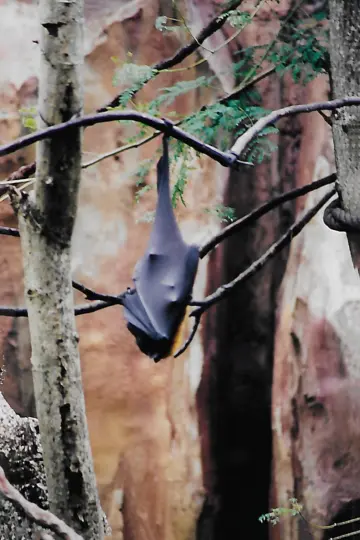
STONY BROOK, N.Y. — As the autumn air grows crisp and nights stretch longer, human imaginations naturally turn toward the creatures of the dark. For centuries, bats have danced through folklore, horror stories, and seasonal iconography. Yet, beyond their cultural shroud of mystery lies an even more compelling scientific enigma: the origin of the only mammals capable of true, powered flight.
Now, a monumental international study published in the journal Nature has radically reshaped our understanding of chiropteran evolution. By merging cutting-edge genetic sequencing with the fossil record, researchers are tracing the bat family tree back to its shadowy beginnings—landing not in the caves of the Americas or the jungles of Asia and Africa, but in the lush, ancient landscapes of Paleocene Europe.
Main Facts: A New Chapter in Mammalian History
At the heart of this evolutionary revision is the Bat1K project, a massive global consortium of scientists dedicated to sequencing the genomes of all living bat families. In a study published on September 23, researchers analyzed the chromosome-level genomes of 103 bat species—encompassing all 21 recognized living families. To bridge the gap between deep time and the modern day, the team combined this unprecedented genetic dataset with 699 distinct anatomical characteristics gathered from 65 species, including 44 fossilized specimens.
The resulting phylogenetic tree tells a compelling new story: bats most likely originated in Europe during the late Paleocene epoch, more than 56 million years ago.
For decades, paleontologists and evolutionary biologists debated the geographic cradle of Chiroptera, with various hypotheses pointing toward Africa, Asia, or North America. The new genomic synthesis strongly favors a European genesis. From this European epicenter, ancient bat lineages rapidly diversified and dispersed across the globe, eventually populating every continent on Earth save Antarctica.
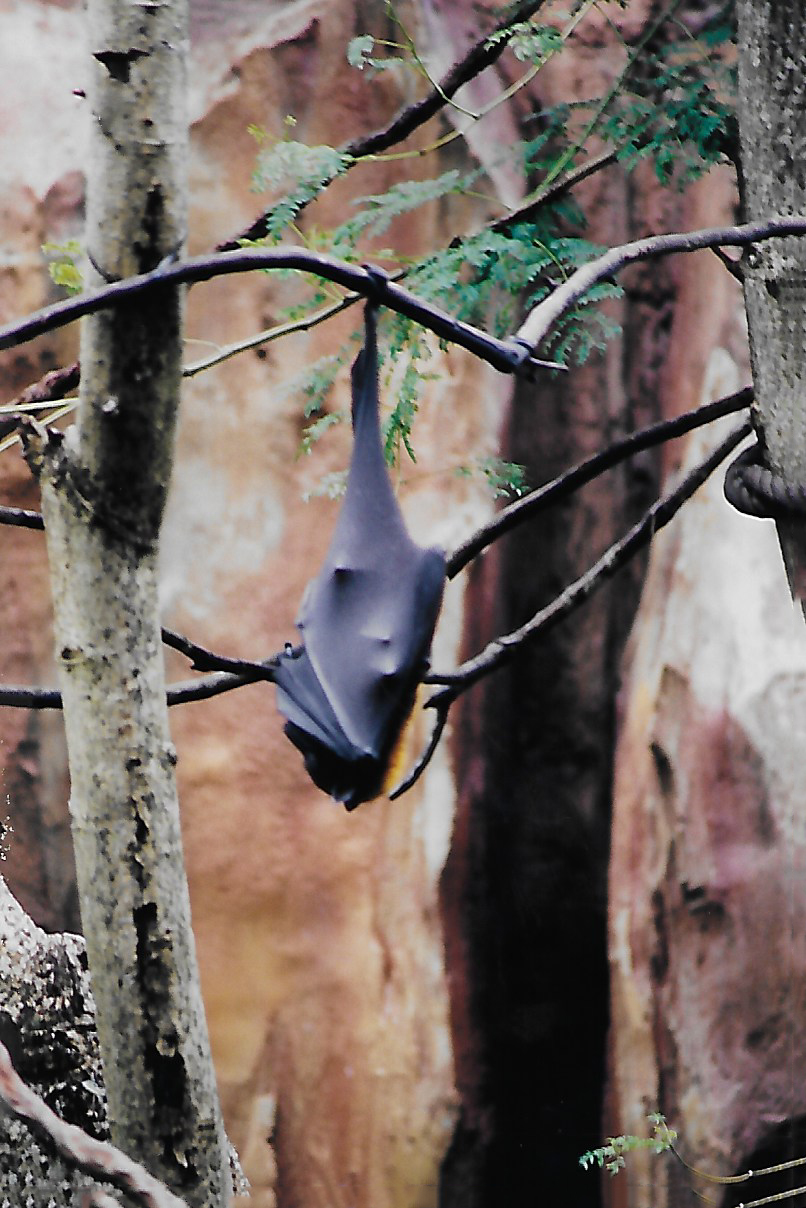
This revelation forces scientists to recontextualize some of the most celebrated fossil discoveries of recent years, such as the exceptionally preserved Icaronycteris gunnelli skeletons unearthed in southwestern Wyoming. While these 52-million-year-old Eocene fossils remain among the oldest complete bat skeletons ever discovered, the new research indicates they were already seasoned travelers, representing descendants that had migrated far from their European birthplace.
Chronology: From Dinosaur Extinction to the Paleocene Skies
To understand how bats conquered the skies, scientists must view their emergence against the backdrop of Earth’s most dramatic ecological upheavals.
- 66 Million Years Ago – The K-Pg Extinction: An asteroid impact triggers a mass extinction event that wipes out non-avian dinosaurs and giant pterosaurs. This ecological catastrophe obliterates dominant flying reptiles, leaving vast open niches in the global ecosystem.
- Late Paleocene (Pre-56 Million Years Ago) – The Genesis: Mammals begin rapidly radiating to exploit these vacant niches. According to the new Nature study, it is during this mysterious interval that the immediate ancestors of bats begin to take shape in Europe, though the exact transitional species linking ground-dwelling mammals to flyers remains undiscovered.
- The Paleocene-Eocene Thermal Maximum (PETM, ~56 Million Years Ago): A period of intense global warming sparks a massive diversification of major bat lineages.
- ~52 Million Years Ago – The Eocene Evasion: Subtropical ecosystems flourish in unexpected places, such as the Green River Formation in modern-day Wyoming. Complete skeletons like Icaronycteris gunnelli prove that fully formed, flying, and likely echolocating bats are already thriving and widespread across North America.
- The Modern Era: Bats evolve into an extraordinary evolutionary success story, boasting over 1,500 species and making up more than one-fifth of all living mammal species.
Supporting Data: Genomics and the Inner Ear
The integration of ancient morphology and modern genomics has resolved several long-standing biological debates while opening up fascinating new avenues of inquiry.
The Riddle of Echolocation
For years, scientists debated whether echolocation—the ability to navigate and hunt using high-frequency sound waves—evolved multiple times independently or arose once in a common ancestor. By carefully positioning fossil bats like Vielasia within the earliest known "Eochiroptera" lineage, researchers found strong clues in the specialized structures of the inner ear.
The data suggests that laryngeal echolocation appeared very early in bat history, preceding the diversification of modern bat groups. This timeline indicates that powered flight and echolocation emerged in close evolutionary proximity, though the exact question of which came first—flight or sonar—remains one of paleontology’s most stubborn chicken-and-egg dilemmas.

Chromosomal Fusion
The genomic analysis also peered into the building blocks of bat DNA. Researchers reconstructed the ancestral bat genome and determined it likely possessed 26 pairs of chromosomes. Interestingly, the data reveals that modern bat genomes evolved primarily through chromosomes fusing together rather than splitting apart, contributing to bats having some of the most compact genomes among mammals.
Anatomical Uniqueness
Unlike birds and pterosaurs—whose wings evolved through modifications of forelimbs shared with dinosaurs or reptiles—bat wings developed along a wholly unique mammalian trajectory. A bat wing is a dramatically elongated hand, featuring hyper-extended fingers that stretch and support a delicate, flexible membrane of skin (patagium).
Official Responses and Scientific Significance
While the study is fundamentally an exercise in evolutionary biology, its implications ripple across multiple scientific disciplines, including immunology, virology, and conservation.
"By combining high-resolution genomic data from every living bat family with the fossil record, we are finally able to resolve branches of the tree of life that have remained obscured for decades," notes the broader scientific consensus surrounding the Bat1K initiative.
Biomedical researchers are particularly attentive. Because bats possess unusual longevity, remarkable immune system adaptations, and unique metabolic rates tied to flight, understanding their evolutionary roots helps scientists comprehend how these creatures developed resilience against various pathogens. Furthermore, knowing when and where they diversified helps evolutionary biologists map how mammals adapted to rapid global climate shifts during the Paleocene-Eocene Thermal Maximum—a period that climate scientists frequently study as a historical analogue for modern climate change.
Implications: The Missing Link and Future Horizons
Despite the monumental leap forward provided by the Bat1K study, the ultimate origin story of bats retains a tantalizing missing chapter.
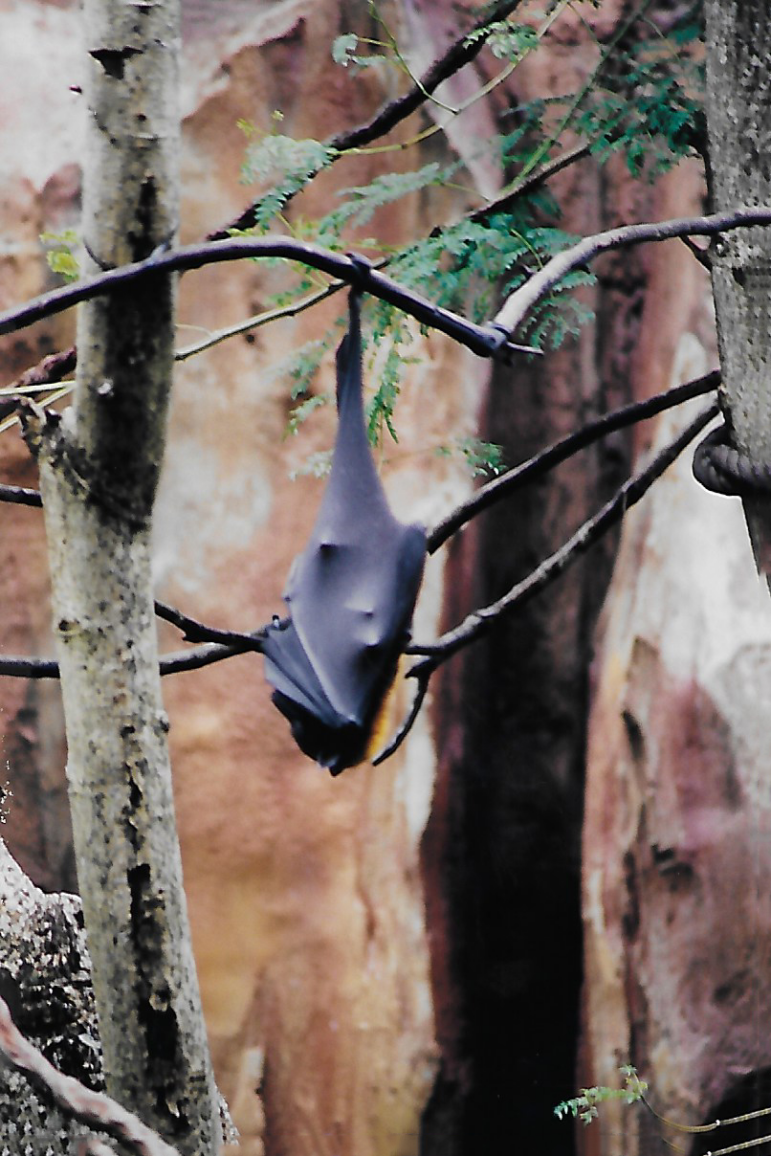
The earliest complete fossils found to date do not look like transitional intermediates; they look entirely like bats. They possessed fully developed wings, aerodynamic adaptations, and sophisticated inner ears capable of processing acoustic data. They were already aeronautical experts.
This leaves paleontologists chasing a ghost: the yet-uncovered Paleocene mammal that first stretched its mammalian fingers, caught the wind over ancient European forests, and took the leap into the sky. Until that transitional fossil is unearthed, the immediate ancestors of bats will remain hidden in the mists of deep time.
Nevertheless, as genetic sequencing tools grow sharper and fossil-hunting techniques more refined, science is closing in on the truth. The dark skies of our planet’s deep past are slowly yielding their secrets, proving that the story of bats is not just a seasonal tale of folklore, but one of evolution’s most brilliant and enduring masterpieces.