In the realm of holistic wellness and vibrational healing, understanding the subtle anatomy of the human body has become a cornerstone for personal transformation. Following an exploration of the foundational science behind crystal chakra healing, practitioners and wellness seekers frequently arrive at a crucial crossroads: How do I accurately identify which specific chakra requires balancing?
Far from being an inscrutable mystery reserved for spiritual elites, diagnosing an energetic blockage or overactive center is an accessible skill. Through a combination of structured diagnostic tools, somatic awareness, and intuitive development, anyone can learn to read the subtle language of their energetic body.
1. The Diagnostic Approach: Utilizing Chakra Self-Assessments
For beginners and seasoned practitioners alike, standardized evaluation tools offer a structured starting point. Over the years, the wellness community has developed numerous assessments designed to map psychological states and lifestyle habits to specific energetic centers.
The Reliability of Digital and Print Assessments
Taking a well-designed chakra assessment can act as an illuminating mirror. These questionnaires typically evaluate recurring thought patterns, emotional responses, and physical habits.
- The Mechanism: Questions are carefully weighted to align with the core themes of the seven primary chakras—from the foundational security governed by the root chakra to the spiritual connection of the crown.
- Actionable Next Steps: Upon identifying a lagging score in a specific category, practitioners are encouraged to select a corresponding crystal—such as a grounding red jasper for the root or an intuitive amethyst for the third eye—to help restore energetic equilibrium.
2. Somatic and Emotional Indicators: Reading Physical Signals
The mind-body connection is a well-documented physiological reality, and nowhere is this more apparent than in holistic energy work. When an energetic center becomes deficient (underactive) or excessive (overactive), it often manifests as a cluster of physical symptoms or emotional hurdles.
Identifying the Syndrome, Not Just the Symptom
Experts emphasize a vital caveat: a single headache or a brief bout of anxiety does not automatically point to an imbalanced chakra. Instead, diagnosis relies on recognizing a syndrome—a persistent collection of interconnected physical and emotional issues over time.
- Lower Chakras (Root, Sacral, Solar Plexus): Imbalances here frequently manifest as physical tension in the lower back, digestive irregularities, or chronic fatigue, paired emotionally with feelings of insecurity, creative blockages, or a lack of personal agency.
- Upper Chakras (Heart, Throat, Third Eye, Crown): Disruption in these centers can present as physical tension in the jaw and neck, frequent headaches, or respiratory sensitivities, accompanied by challenges in communication, emotional detachment, or mental fog.
Recommended Reading: For those looking to deepen their library of resources, foundational texts such as Vibrational Healing Through the Chakras and The Crystal Healer serve as invaluable reference guides for mapping specific symptoms to energetic remedies.
3. The Mechanics of Energy Sensing and Pendulums
Moving beyond self-questionnaires and physical symptoms, practitioners can develop direct perceptual methods to evaluate energetic states. Energy sensing allows an individual to determine whether a chakra is blocked, sluggish, wide open, or spinning erratically.
Debunking the Myth of the "Chosen Few"
A common misconception in holistic wellness is that energy sensing is a rare, genetically gifted trait. In reality, these techniques are available to anyone willing to commit to structured learning, patience, and practice.
While advanced energy reading requires significant background knowledge, safety precautions, and interactive training—such as those taught in professional certification curricula—beginners can easily start with accessible tools like a divining pendulum.
How to Use a Pendulum for Chakra Evaluation
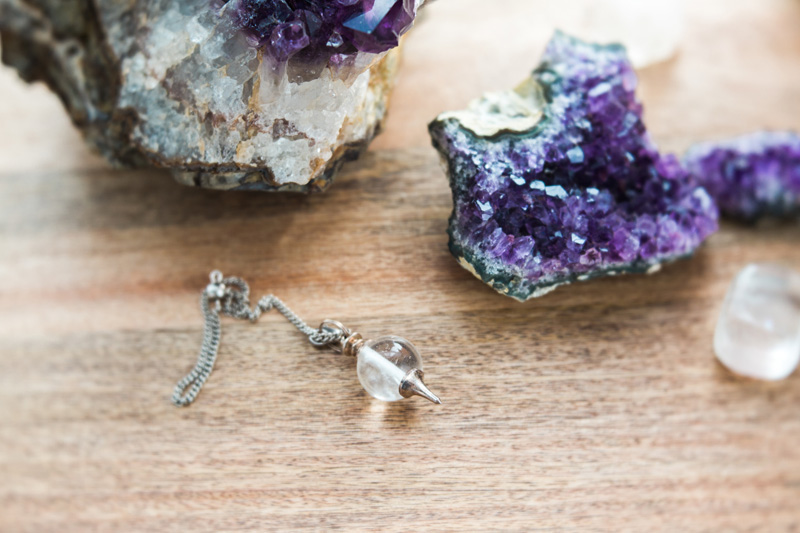
- Preparation: Hold the pendulum’s chain gently between your thumb and forefinger, allowing the crystal weight to suspend a few inches above a specific chakra point on the body.
- Observation: Notice the pendulum’s movement. A wide, steady clockwise circle often indicates a balanced, active center. Erratic swinging, a counter-clockwise motion, or a dead stop can signal a blockage or depletion that requires attention.
4. Awakening Intuition: The Clairs and Inner Knowing
Intuition is the internal compass of energetic healing. When individuals tap into their intuitive faculties, they receive subtle inner data regarding chakra frequencies through various sensory pathways, commonly referred to in esoteric studies as the "Clairs."
The Spectrum of Intuitive Perception
- Clairvoyance (Clear Seeing): Perceiving colors, lights, or symbolic imagery associated with the energetic field.
- Clairaudience (Clear Hearing): Receiving internal auditory cues, messages, or shifts in tone.
- Clairsentience (Clear Feeling): Physically or emotionally feeling the energetic density, warmth, or coolness of a chakra zone.
- Claircognizance (Clear Knowing): Experiencing a sudden, undeniable flash of insight regarding an energetic imbalance without an immediate logical explanation.
Treating Intuition Like a Muscle
Intuition is not a static trait; it functions much like skeletal muscle. When neglected, it weakens and atrophies; when regularly exercised through meditation, mindfulness, and practice, it grows robust and reliable. Many practitioners discover latent intuitive abilities only after dedicating time to structured refinement.
5. The Power of the Chakra Consensus: Combining Methods
For individuals seeking absolute clarity, relying on a single diagnostic method may not always feel entirely conclusive. This is where the concept of the Chakra Consensus comes into play.
When to Combine Techniques
Combining multiple diagnostic approaches is highly recommended for those who:
- Experience contradictory or unclear self-assessment results.
- Are new to energy work and lack confidence in their initial readings.
- Wish to cross-verify physical symptoms with intuitive impressions.
Establishing a Consensus
By utilizing two or three different methods—such as taking a chakra assessment, running a pendulum over the energetic centers, and meditating on intuitive impressions—practitioners can cross-reference their findings. If two methods point to the same imbalanced center while a third yields ambiguous results, the majority answer dictates the course of action.

Over time, this disciplined practice yields profound mastery. Practitioners often reach a stage where they "just know" the state of their energetic body instantly, bypassing external tools entirely.
Looking Forward: The Next Step in Your Journey
Identifying an imbalanced chakra is merely the first phase of an empowering cycle of self-care and energetic alignment. Once the diagnosis is established, the next logical step involves applying targeted modalities—such as specific crystal configurations, sound frequencies, or breathwork—to restore systemic harmony.
By demystifying the diagnostic process, wellness seekers are equipped to take an active role in their own energetic health, proving that holistic self-discovery is both a science and an art available to all.