By Meg Elison
Published September 20, 2026
Main Facts: The Return of the Owens Family
Nostalgia is a soft, insulating substance that we use to defend ourselves against a hostile world, much like birds lining their nests with downy feathers and the shed fur of mammals. In an era of compounding accelerationism—where the daily news cycle makes less sense than the day before—audiences increasingly retreat into the cultural touchstones of their youth. Hypnotized by reruns of Buffy the Vampire Slayer and celestial-patterned whimsigoth aesthetics, modern consumers are continually targeted by Hollywood studios eager to monetize these psychological defenses.
It is in this aggrieved spirit of drinking spoiled wine from faded bottles that audiences returned to theaters for Practical Magic 2, directed by Susanne Bier and based on Alice Hoffman’s novel The Book of Magic. Distributed by Warner Bros., the sequel revives the cursed Owens bloodline originally brought to the screen in 1998. The central premise remains unchanged: every woman in the family is doomed to lose her romantic partners to premature and brutal deaths.
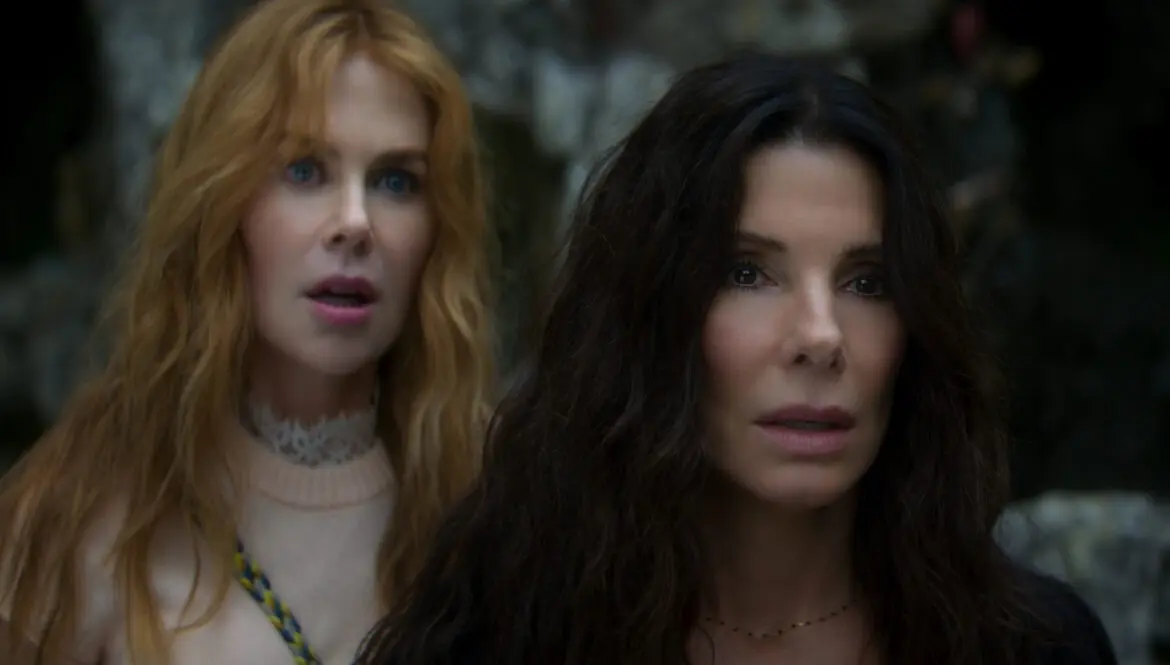
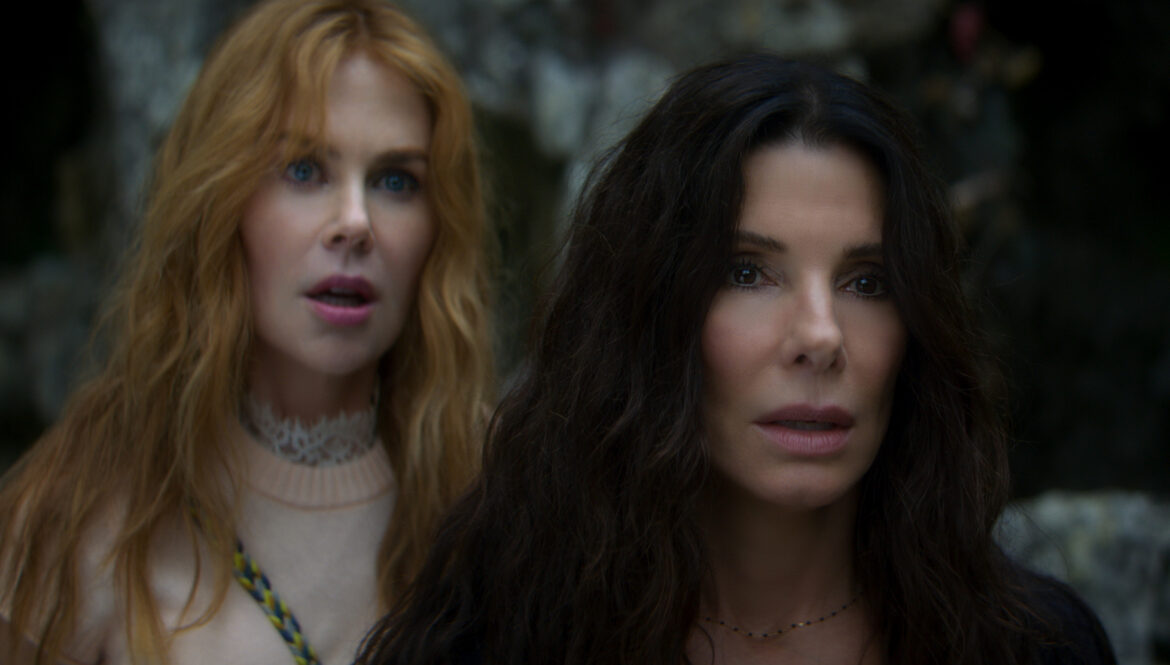
While the original film centered on breaking this generational curse through the collective power of sisterhood and bloodline resilience, the 2026 sequel treats its predecessor as a blueprint rather than a history. Sandra Bullock and Nicole Kidman reprise their roles as Sally and Gillian Owens, joined by a younger generation featuring Maisie Williams as Antonia, Joey King as Kylie, and a supporting cast that includes Lee Pace and Solly McLeod. However, rather than expanding the magical universe, the film recycles familiar plot points, trading the populist charm of the original for an elite, bloodline-obsessed narrative that heavily leans into corporate merchandising and digital artifice.
Chronology: From 1998 Cult Classic to 2026 Cash-Grab
To understand the creative bankruptcy of Practical Magic 2, one must trace the trajectory of the franchise and the modern Hollywood legacy-sequel production cycle:
- November 1998: The original Practical Magic, directed by Griffin Dunne and starring Sandra Bullock and Kidman alongside Stockard Channing and Dianne Wiest, hits theaters. Though a modest box office performer initially, it achieves enduring cult status among pagan, Wiccan, and alternative communities for its celebration of grassroots, everyday witchcraft and community-driven sisterhood.
- March 2024: Cultural retrospectives, such as analyses published in alternative outlets like The Wild Hunt, continue to celebrate the 1998 film as a cornerstone of modern pagan cinema, noting its depiction of domestic magic and collective community defense.
- Late 2025 – Early 2026: Warner Bros. fast-tracks Practical Magic 2, adapting Alice Hoffman’s follow-up novel The Book of Magic. Casting announcements reveal that original daughters played by Evan Rachel Wood and Alexandra Artrip are entirely replaced and ignored, cementing the studio’s refusal to engage with genuine chronological aging.
- September 20, 2026: Practical Magic 2 officially premieres in theaters worldwide. Audience reactions range from polite nostalgia in theater lobbies to profound disappointment over its corporate product placement, digital smoothing, and elitist thematic undertones.
Supporting Data: Production Values, Casting, and Commercialism
A close examination of Practical Magic 2 reveals systemic flaws across technical execution, narrative construction, and commercial integration.
Technical and Aesthetic Failures
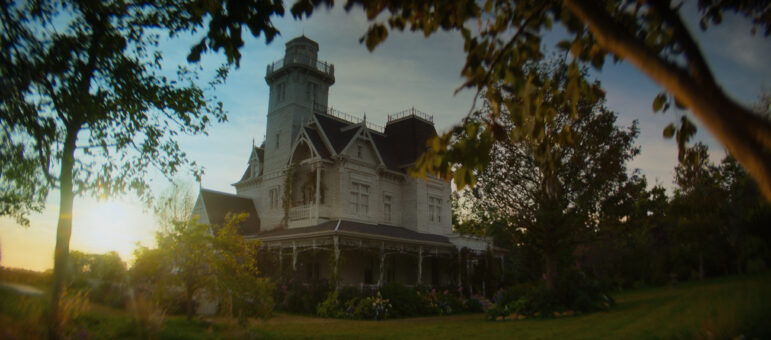
Cinematically, the film suffers from an over-reliance on digital clarity. Unlike the warm, autumnal, coastal atmosphere of the 1998 original, Bier’s sequel employs a hyper-digital lens that strips the sets of authenticity, making the iconic Owens mansion look less like a generational witch’s haven and more like a pop-up retail installation. Rupert Gregson-Williams’s minimal, uninspired score provides a shaky echo of Alan Silvestri’s original compositions, failing to anchor emotional beats.
Furthermore, the extensive use of digital face-smoothing and de-aging techniques on principal actors creates an unsettling uncanny valley effect. An ill-advised third-act flashback incorporating footage from the 1998 film acts as a jarring reminder of the natural passage of time—a process the filmmakers clearly sought to mask through post-production manipulation rather than dramatic integration.

The Economics of Nostalgia
Beyond its artistic shortcomings, the film functions primarily as an extended commercial vehicle. Throughout the 130-minute runtime, overt product placement clutters the narrative:
- High-end blenders explicitly framed for mixing midnight margaritas.
- Specific brands of American whiskey.
- Airlines utilized for jet-setting back to ancestral European homelands.
- Simultaneous rollouts of trademarked studio merchandise aimed directly at "spooky season" consumers.
This aggressive commercialization reduces sacred cultural aesthetics into mass-produced microplastics, exposing the cynical corporate machinery underlying modern cinematic revivals.
Official Responses and Critical Reception
The industry and public response to Practical Magic 2 highlights a stark divide between studio marketing projections and the lived experience of returning fans. Warner Bros. positioned the film as a feminist triumph of legacy and female empowerment, emphasizing the star power of Bullock and Kidman.
However, cultural critics and returning audiences have offered a vastly different perspective. Reviewers have highlighted the strange ideological shift in the film’s magical system. While the 1998 film popularized the idea that "there’s a little witch in all of us"—fostering an inclusive, populist view of magic tied to community and the PTA phone tree—the 2026 sequel doubles down on genetic elitism. Lee Pace’s character explicitly reduces magic to RNA and blood purity, framing the supernatural as an inherited aristocratic right rather than an accessible spiritual practice.

In audience spaces, reactions have been notably muted. Observers noted that theater bathrooms and lobbies following screenings were uncharacteristically quiet. Fans who arrived in themed attire—wearing felted pointy hats and ready to celebrate—exited the auditoriums unsmiling, confronting the realization that their nostalgia had been weaponized for corporate profit.
Implications: The Politics of Bloodlines and the "Winter of Weird"
The deeper implications of Practical Magic 2 extend far beyond a failed cinematic sequel; they reflect a disturbing cultural anxiety echoing through contemporary media.
In a socio-political climate marked by rising authoritarianism, ethno-nationalism, and a renewed obsession with genetic purity, the film’s narrative fixation on hereditary aristocracy is alarming. By framing the battle as one where an elite bloodline must protect its privileges from low-born upstarts (personified by a frustrated British antagonist), the movie inadvertently aligns with reactionary tropes. Marginalized perspectives are virtually erased: aside from a brief appearance by love-interest Gideon (played by Xolo Maridueña) who is quickly sidelined, actors of color are almost entirely absent until a token nod in the final frame.
This narrative exclusion mirrors the film’s broader rejection of ordinary people. In the updated universe of Practical Magic, everyday people are reduced to non-player characters (NPCs) whose only function is to purchase merchandise. The grassroots, communal witchcraft that empowered ordinary women in the original film has been stripped away in favor of dynastic gatekeeping.
Ultimately, Practical Magic 2 joins a dubious trifecta of modern legacy media—alongside entries like The Wicker Man (2006) and The Craft: Legacy—that demonstrate the perils of mining the past without artistic integrity. As Meg Elison observes, nostalgia when stripped of genuine meaning is like asbestos: a soft insulating substance that ultimately makes us sick to breathe in. The film leaves its audience out in the cold, proving that the past is rarely an idealistic paradise, but rather a construct weaponized by the rich and powerful to leave everyone else shivering in the dark.