





By: Global Investigative Desk
Published: October 2023
Main Facts
The global market for healing crystals, minerals, and metaphysical gemstones has experienced an unprecedented cultural renaissance over the past decade. What was once confined to niche esoteric shops and local occult markets has transformed into a multi-billion-dollar mainstream industry, heavily fueled by wellness trends, social media aesthetics, and a collective search for mindfulness and grounding. However, beneath the polished surfaces, aesthetic Instagram flat-lays, and purported metaphysical properties of quartz, amethyst, and citrine lies a complex, often opaque supply chain.
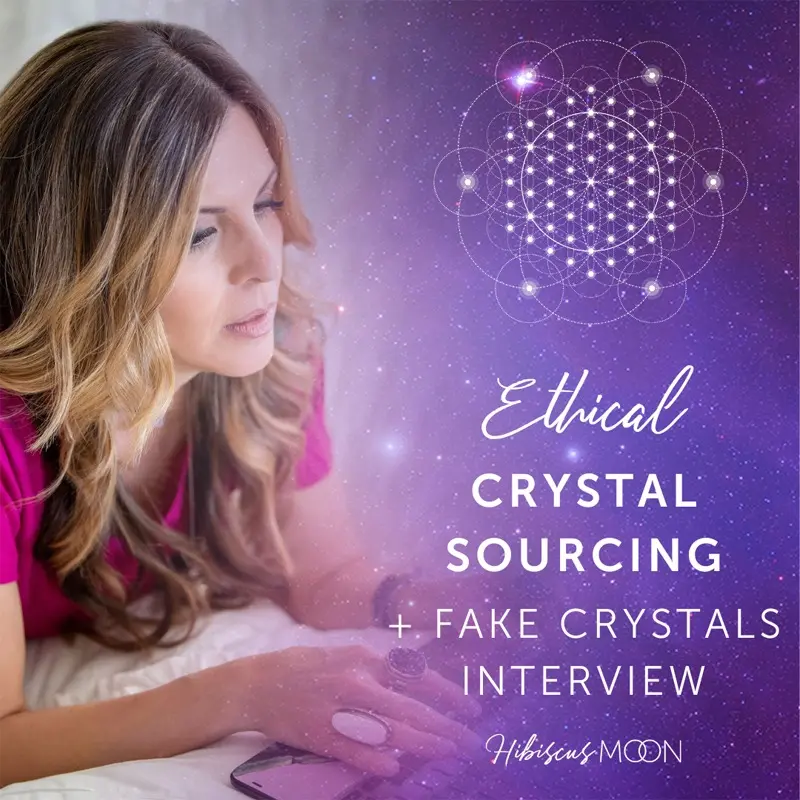
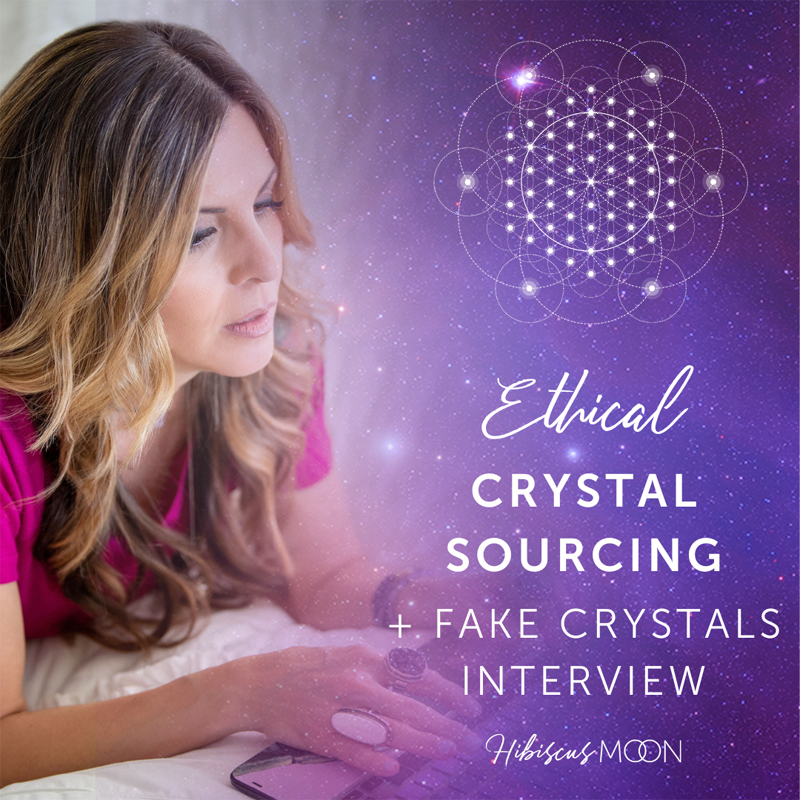
Recent industry discussions—exemplified by expert dialogues such as the recent live broadcast hosted by renowned crystal educator Hibiscus Moon alongside mineral advocate Barbie (widely known online as "Cold Brew Barbie")—have cast a much-needed spotlight on an uncomfortable reality: the environmental degradation, labor exploitation, and lack of supply chain transparency plaguing the crystal mining sector.
Unlike diamonds or precious colored gemstones, which have faced intense international scrutiny and regulatory frameworks like the Kimberley Process, industrial-scale and artisanal mining of holistic crystals largely operates outside strict ethical oversight. The journey of a crystal from a remote mountainside in Madagascar, a cavern in Brazil, or a mine shaft in India to a polished sphere on a boutique shelf involves numerous intermediaries. This decentralized network frequently obscures the true human and environmental cost of the gemstone trade.
Key facts surrounding the ethical crystal debate include:
- The Artisanal Nature of Extraction: A significant percentage of popular metaphysical crystals are mined by artisanal and small-scale miners (ASM) working in hazardous conditions with minimal safety equipment.
- Environmental Degradation: Unregulated open-pit mining, improper chemical usage, and soil erosion often devastate local ecosystems in developing nations.
- The Transparency Gap: Retailers often lack traceability, relying instead on multi-layered wholesale brokers who cannot definitively verify the working conditions at the original mine site.
- The Cultural Shift: Consumers are increasingly demanding accountability, pushing educators, wholesalers, and independent retailers to confront uncomfortable truths about how their favorite minerals are sourced.
Chronology
To understand how the crystal industry reached its current ethical crossroads, it is vital to examine the historical trajectory of the market, moving from localized trade to the modern digital wellness boom.
Pre-2000s: The Niche Metaphysical Market
For decades, the trade in healing crystals was localized and relatively small-scale. Minerals were primarily sourced by dedicated rockhounds, small family-owned lapidary operations, and specialized metaphysical practitioners. Demand was steady but low, allowing supply chains to remain relatively short and direct between miners, cutters, and storefronts.
2010–2015: The Social Media Catalyst
With the advent of Instagram, Pinterest, and curated lifestyle blogs, crystals found a powerful visual medium. The aesthetic appeal of raw quartz clusters, geodes, and polished towers captured the attention of a younger, wellness-oriented demographic. As demand surged, traditional supply chains struggled to keep pace, encouraging larger-scale extraction operations in developing countries to meet global quotas.
2015–2020: The Wellness Boom and Mass Commercialization
Crystals transitioned from specialty shops into mainstream retail giants, subscription boxes, and fashion accessories. Wholesalers began importing massive quantities of minerals from primary extraction hubs such as Brazil, Madagascar, India, China, and Arkansas (USA). During this period, little attention was paid to the ethics of extraction, as consumer demand focused primarily on affordability, aesthetics, and perceived energetic properties.
2021–Present: The Reckoning and Demand for Transparency
As consumers became more socially and environmentally conscious—paralleling movements in fast fashion, ethically sourced coffee, and conflict-free jewelry—the wellness community began asking harder questions. Educators, geologists, and ethical advocates like Hibiscus Moon and Cold Brew Barbie brought these discussions to the forefront. Live interviews, educational panels, and investigative exposés began dismantling the illusion that all crystals are inherently "pure" or "high-vibration" regardless of how they were ripped from the earth.
Supporting Data
While precise economic data for the metaphysical crystal market is difficult to isolate due to its overlap with the broader gemstone and decorative mineral industries, market indicators and localized studies reveal a high-stakes global trade.
- Export Hubs: According to international trade data, Madagascar and Brazil remain two of the largest exporters of raw quartz, labradorite, rose quartz, and amethyst. In Madagascar, the gem and mineral trade supports hundreds of thousands of informal livelihoods, yet a vast majority of the wealth generated leaves the country, leaving local miners in extreme poverty.
- Safety Statistics: According to labor rights organizations monitoring artisanal mining in developing regions, injury rates in unmechanized, small-scale mineral mines are estimated to be significantly higher than in traditional industrial mining sectors, largely due to the absence of shoring in tunnels, lack of personal protective equipment (PPE), and exposure to silica dust (which causes the fatal lung disease silicosis).
- The Carbon Footprint: The logistics of the crystal trade involve immense carbon expenditures. A single crystal may be mined in South America or Africa, shipped in bulk to carving and polishing hubs in China or India, and subsequently exported to retail distributors in North America and Europe, accumulating thousands of transport miles before reaching a consumer.
Official Responses and Industry Perspectives
As public pressure mounts, various stakeholders within the mineral, mining, and metaphysical communities have begun addressing the ethical dilemma from different angles.
The Educator and Advocacy Perspective
Industry leaders, such as Hibiscus Moon and Cold Brew Barbie, emphasize that addressing these issues does not mean abandoning the use of crystals, but rather approaching them with heightened awareness and education. During their collaborative discussions, they stressed that acknowledging the "inconvenient truths" of the supply chain is a necessary step for spiritual integrity. As Hibiscus Moon noted, shining a light on these topics encourages consumers to become better educated rather than turning a blind eye to exploitation.
Wholesalers and Fair-Trade Initiatives
A growing cohort of boutique mineral dealers is attempting to establish direct-trade relationships. These forward-thinking suppliers bypass massive multi-tier brokers, visiting mines personally to ensure that workers are paid fair, living wages and that basic environmental remediation is practiced. However, these fair-trade operations currently represent a fraction of the global market, and their products often command a higher price point that reflects the true cost of ethical labor.
Traditional Miners and Local Economies
Local government officials in developing mining regions frequently find themselves caught in a policy paradox. While unregulated artisanal mining can cause severe environmental damage and lacks safety standards, it often serves as the only viable economic engine for impoverished rural communities. Attempts to crack down on informal mining without providing alternative economic opportunities frequently lead to severe hardship for local families, highlighting the need for regulated legalization rather than outright bans.
Implications
The growing awareness surrounding ethical crystal sourcing carries profound implications for consumers, retailers, and the broader wellness industry.
1. The Ethical Dilemma of Spiritual Consumerism
For consumers who turn to crystals for healing, grounding, and positive energy, discovering that their cherished stones may have been mined by exploited laborers under dangerous conditions creates a profound spiritual contradiction. The industry faces an existential question: Can an object imbued with negative human suffering and environmental destruction truly carry a positive energetic frequency? This realization is driving a shift toward mindful purchasing, where consumers prioritize quality, provenance, and energetic cleansing.
2. The Rise of Traceability and Certification Demands
Similar to the food and fashion industries, the crystal market is slowly moving toward demands for traceability. Retailers who can verify the origin of their inventory—proving fair labor practices and responsible environmental stewardship—will likely capture the loyalty of ethically minded consumers. Conversely, opaque suppliers who cannot answer basic questions about where and how their minerals were extracted risk facing consumer boycotts and reputational damage.
3. Regulatory Pressures on the Horizon
As watchdogs and investigative journalists continue to uncover labor abuses and environmental degradation in mineral-rich nations, governments and international bodies may eventually impose stricter import regulations on decorative and metaphysical minerals. Transitioning toward formalized, regulated mining cooperatives will be essential to protect both local ecosystems and the livelihoods of artisanal miners.
Conclusion
The conversation sparked by industry voices like Hibiscus Moon and Cold Brew Barbie is more than a passing trend—it is a critical reckoning for the metaphysical community. Unearthing the hidden truths of the global crystal trade forces us to reconcile our desire for personal wellness and aesthetic beauty with our responsibility to human rights and planetary health. While achieving a completely transparent and ethical supply chain remains a monumental challenge, education, consumer demand, and direct-trade advocacy are the first vital steps toward transforming the crystal industry from the ground up.