







Main Facts: Equinox Celebrations and a Landmark Divination Injunction
As the northern hemisphere enters the Autumnal Equinox on Saturday, September 22, modern Neopagan, Wiccan, and Earth-based spiritual communities worldwide are commencing the formal observance of Mabon. Recognized within the eightfold "Wheel of the Year" as a period of environmental and internal equilibrium, Mabon marks the astronomical moment when day and night reach near-equal duration. The holiday emphasizes harvest completion, introspection, and community gratitude.
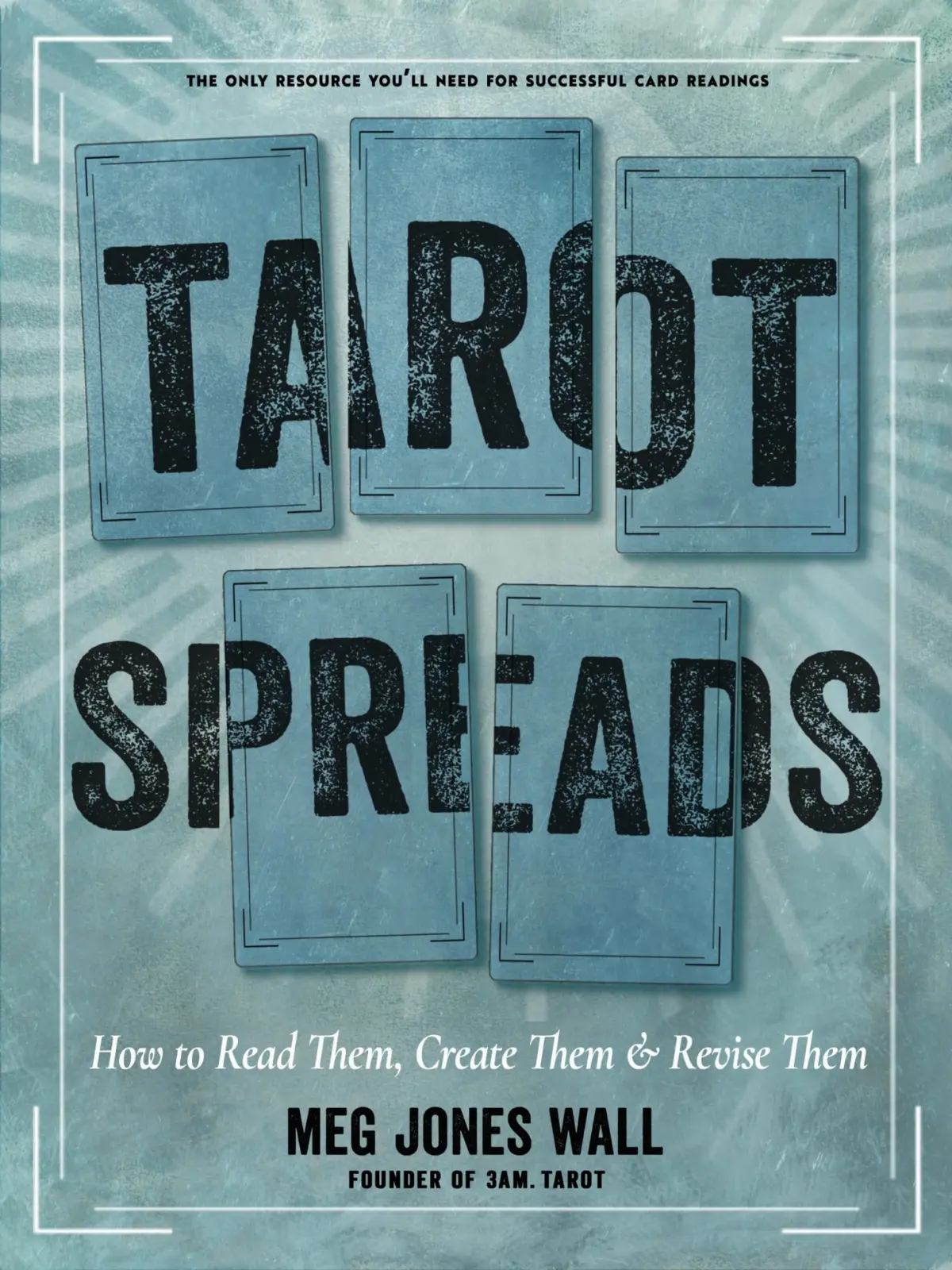
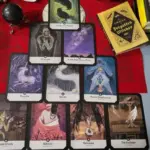
Concurrently, a key legal development in Pennsylvania has brought renewed attention to the intersections of religious liberty, commercial speech, and state regulations governing divination. In an ongoing civil suit challenging Pennsylvania’s anti-fortune-telling statutes, a local Tarot practitioner known publicly as Beck has been granted a temporary injunction by a federal district judge. The injunction allows her to continue operating her Tarot reading business for the duration of the litigation, staying state enforcement of laws that criminalize divination practices.
This legal victory coincides with an annual surge in public interest surrounding autumn seasonal observances. Across digital platforms and specialized publications, such as PaganPagesOrg, commentators and community leaders are utilizing this season to highlight both spiritual practices—such as gratitude journaling, intention setting, and feasting—and the ongoing legal protections required for non-traditional spiritual practitioners.
       AUTUMNAL EQUINOX / MABON OBSERVANCE
                       │
       ┌───────────────┴───────────────┐
       ▼                               ▼
SPIRITUAL/CULTURAL              LEGAL DEVELOPMENTS
- Balance of light/dark        - PA Tarot statute challenged
- Gratitude & reflection       - Injunction granted to practitioner
- Community feasting           - First Amendment review pending
Chronology: From Ancient Harvests to Modern Courtrooms
Historical Evolution of the Autumnal Equinox Observance
The roots of the Autumnal Equinox celebration extend back to pre-industrial agrarian societies across Europe and Western Asia. These cultures marked the mid-harvest with communal feasts, storage preparations for winter, and ritual offerings.
- Mid-20th Century Formalization: The modern term "Mabon" was popularized in the 1970s by modern Pagan author Aidan Kelly. It was integrated into the Wiccan Wheel of the Year to standardise the eight seasonal sabbats alongside Samhain, Yule, Imbolc, Ostara, Beltane, Litha, and Lughnasadh.
- Contemporary Adaptation: Today, Mabon—pronounced phonetically as "MAY-bon"—is widely referred to within practitioner circles as the "Witch’s Thanksgiving." Modern observances focus on personal inventory, mental health reflection, and symbolic balance between opposing forces, such as light and darkness or productivity and rest.
Timeline of Pennsylvania’s Fortune-Telling Laws and Current Litigation
Pennsylvania’s legal framework regarding divination is among the strictest remaining in the United States, rooted in early 20th-century anti-fraud legislation.
| Year / Date | Legal Event / Milestone |
|---|---|
| 1939 | Pennsylvania enacts Section 7104 of the Crimes Code (18 Pa.C.S. § 7104), making it a third-degree misdemeanor to engage in fortune-telling, card reading, or divination for compensation. |
| Early 2000s | Multiple municipal police departments in Pennsylvania enforce local ordinances and state statutes against metaphysical shops offering Tarot, astrology, and mediumship services. |
| Recent Filing | Divination practitioner Beck files a federal lawsuit against local municipal and state authorities, citing violations of her First Amendment rights to free speech and the free exercise of religion. |
| Recent Court Order | A judge grants a preliminary injunction prohibiting law enforcement from prosecuting Beck under § 7104 while the lawsuit proceeds through the judicial system. |
Supporting Data: Demographics, Legal Precedents, and Cultural Media
Demographic and Societal Trends
Recent sociological surveys indicate a steady increase in individuals identifying as Pagan, Wiccan, or "Spiritual But Not Religious" (SBNR) across North America.
- Growth in Practice: According to data from the Pew Research Center’s Religious Landscape Study, the percentage of adults identifying with Neopagan or Wiccan traditions has more than doubled over the past decade, with an estimated 1.5 million practitioners in the United States.
- Metaphysical Industry Economics: The broader metaphysical and wellness market, which encompasses Tarot card publishing, astrology services, and artisanal ritual products, generates an estimated $2.2 billion annually in the United States alone.
U.S. Neopagan & Wiccan Identification Growth (Estimated)
  1.6M ──┐                                             ┌─── [1.5M]
  1.2M ──┼───────────────────────────────┬─────────────┤
  0.8M ──┼─────────────────┬─────────────┤             │
  0.4M ──┼─── [0.3M]       │             │             │
    0M ──┴─── 2008 ────────┴─── 2014 ────┴─── 2024 ────┴──────────
Precedents in Divination and Free Speech Litigation
The ongoing Pennsylvania lawsuit reflects a broader series of legal challenges across the United States aimed at striking down mid-century anti-fortune-telling statutes:
- Free Speech Protection: Federal courts in states such as Louisiana, Virginia, and California have consistently held that fortune-telling, Tarot reading, and spiritual counseling constitute protected commercial or non-commercial speech under the First Amendment.
- Fraud vs. Expressive Speech: Legal scholars note that while states possess a legitimate interest in preventing financial fraud, blanket bans on divination fail the strict scrutiny test, as statutory fraud laws already provide adequate legal remedies against deceptive business practices.
Media and Pop Culture Expressions
The resurgence of interest in autumn spiritual practices is closely linked to cultural media celebrating folklore and historical aesthetics.
A prominent example within the community is the musical work of Blackmore’s Night—the folk-rock project founded by former Deep Purple guitarist Ritchie Blackmore and vocalist Candice Night. Their track "Renaissance Faire," originally released on the 1997 debut album Shadow of the Moon, remains a staple playlist item during Mabon and autumnal gatherings. These media offerings reinforce the cultural visibility of seasonal festivals and renaissance-style celebrations.
       CULTURAL MEDIA IMPACT
                 │
  ┌──────────────┴──────────────┐
  ▼                             ▼
MUSIC & ART                 COMMUNITY MEDIA
- Blackmore's Night           - PaganPagesOrg
- Harvest folk traditions     - Local festival coverage
- Historical aesthetic        - Independent journalism
Official Responses and Expert Commentary
Civil Liberties and Legal Analysis
Legal experts specializing in constitutional law have voiced strong support for the preliminary injunction granted in Pennsylvania, arguing that statutory bans on divination are outdated.

A senior staff attorney from a civil liberties advocacy group stated:
"Prohibitions against fortune-telling and card reading are relic statutes from a bygone era. Under modern First Amendment jurisprudence, the state cannot regulate speech simply because it involves spiritual or metaphysical concepts. Unless there is evidence of intentional fraud, an individual has the fundamental right to offer and receive Tarot readings."
Pagan Community Perspectives and Columnist Commentary
Within Pagan media, commentators emphasize both the solemnity of the equinox and the lighthearted, resilient spirit of the community. Writing for PaganPagesOrg, columnist Weyland Smith highlighted the balance between personal spiritual discipline and accessible celebration during Mabon.
Smith noted the importance of practical reflection, suggesting that practitioners use the equinox to take personal inventory through journaling—asking key queries such as:
- What blessings have manifested over the past year?
- What unhelpful habits or patterns should be released prior to winter?
- What long-term intentions should be carried forward into the dark half of the year?
In discussing the practical execution of Mabon traditions, Smith pointed out that complex rituals are not a requirement for meaningful observance. Reflecting on the legal updates regarding Tarot legality in Pennsylvania, Smith observed that community practitioners continue to adapt, finding ways to maintain their spiritual work amidst complex regulatory environments.
To foster reader interaction, independent publications like PaganPagesOrg frequently employ satirical community awards—such as Smith’s tongue-in-cheek "Null Award" offered to readers who spot typographical errors—underscoring the informal, grass-roots nature of niche spiritual journalism.
Implications: Constitutional Law and Cultural Integration
Future Legal Outcomes for Divination Laws
The preliminary injunction in Pennsylvania represents a significant tactical victory for divination practitioners, but the final outcome of the case could have broader constitutional implications:
- Statewide Statutory Invalidation: A final ruling in favor of the plaintiff could permanently invalidate Section 7104 of the Pennsylvania Crimes Code, removing criminal penalties for Tarot readers and astrologers across the state.
- National Precedent: A successful ruling would add to a growing body of federal case law that discourages municipalities and state legislatures from maintaining or enforcing anti-divination ordinances.
- Consumer Protections: Municipalities may be forced to shift their regulatory focus from outright bans to standard business licensing and existing consumer protection laws to address allegations of fraud.
      POTENTIAL LEGAL RIPPLE EFFECTS
                    │
  ┌─────────────────┼─────────────────┐
  ▼                 ▼                 ▼
PA STATUTE       NATIONAL          REGULATORY
REPEALED        PRECEDENT            SHIFT
(18 Pa.C.S.    Discourages      Focus shifts to
 § 7104)      similar laws      standard business
              nationwide          licensing
Broader Societal Acceptance of Equinox Practices
Beyond the courtroom, the institutionalization of Mabon and similar equinox observances illustrates a broader shift toward secular and interfaith adoption of seasonal mindfulness practices. Concepts originally preserved within Wiccan and Neopagan traditions—such as seasonal feasting, expressive gratitude, intention setting, and balancing work with rest—are increasingly integrated into mainstream wellness culture.
As Beck’s court case moves toward a final hearing, the dual narratives of modern Mabon observances and legal advocacy underscore a defining reality for contemporary Neopagans: the ongoing pursuit of legal recognition and protections equal to those enjoyed by traditional world religions.