







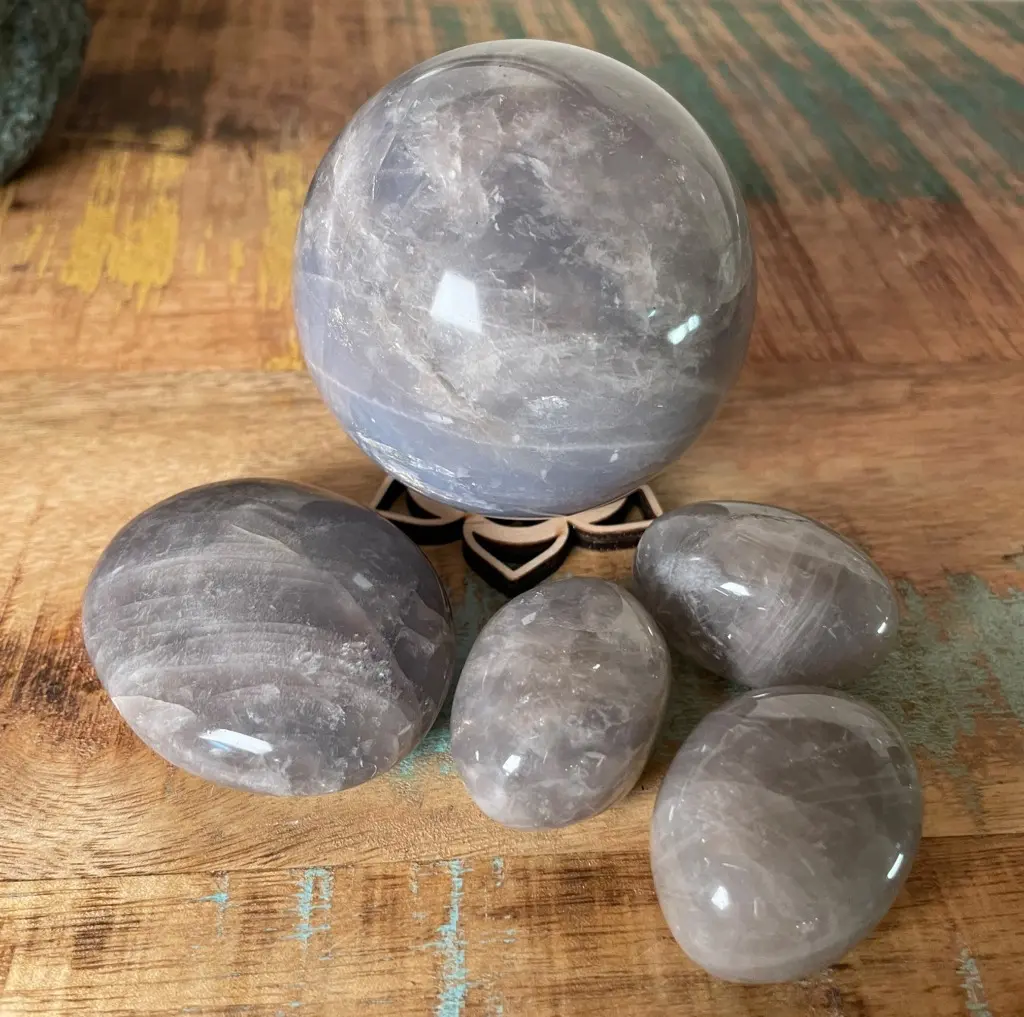
LOS ANGELES — In the sprawling, multi-billion-dollar global crystal and metaphysical market, a new trend is quietly duping unsuspecting buyers and inflating prices through clever marketing. Over the past several years, seasoned geologists, crystal educators, and vigilant practitioners have noticed an alarming surge in mislabeled, heavily marketed stones. Chief among these dubious newcomers is a material sweeping social media and online storefronts under the alluring moniker: "Blue Rose Quartz."
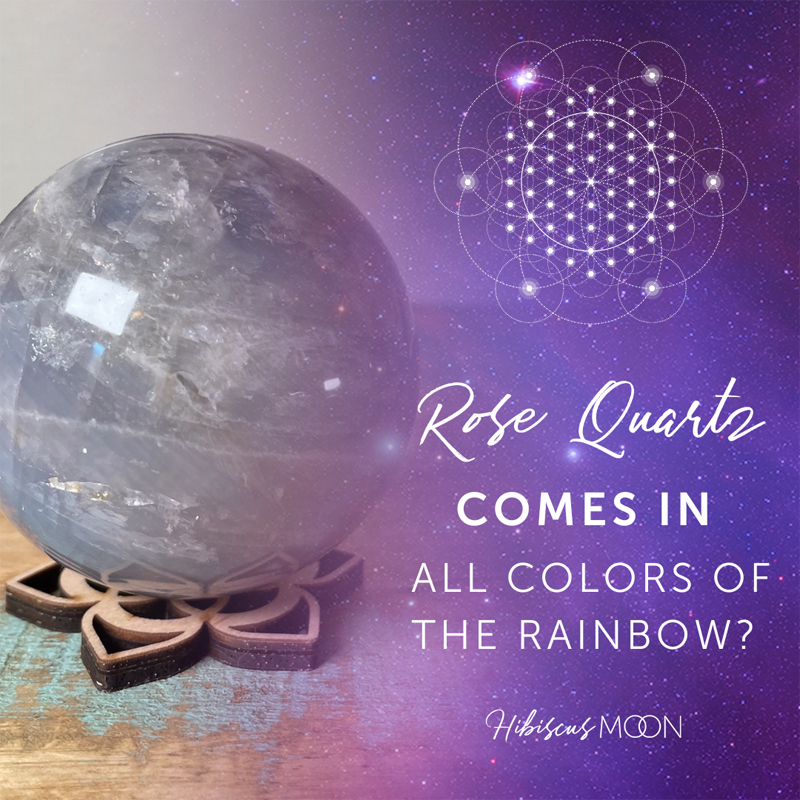
Billed as an exotic, high-vibration variant originating from Madagascar, this stone has captured the imaginations—and wallets—of spiritual seekers worldwide. However, behind the ethereal name and steep price tags lies a much more mundane geological reality: lower-grade, common quartz or amethyst, strategically rebranded to maximize profits.
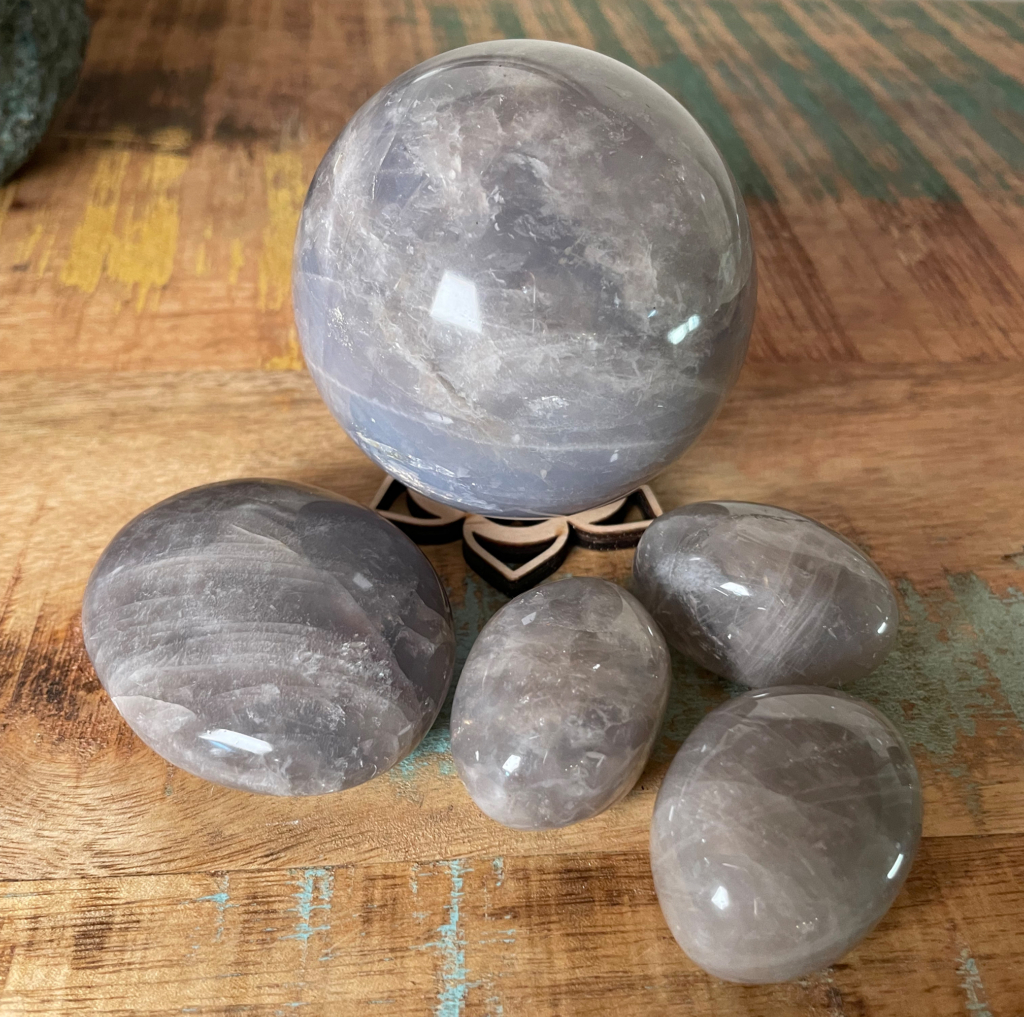
As consumer awareness becomes the crystal community’s strongest defense, experts are stepping forward to demystify the science, expose the marketing sleight-of-hand, and urge buyers to arm themselves with geological knowledge before making their next purchase.
Main Facts: What is "Blue Rose Quartz" Actually Made Of?
To understand why the gemstone community is up in arms over "Blue Rose Quartz," one must first examine the foundational definitions of mineralogy.
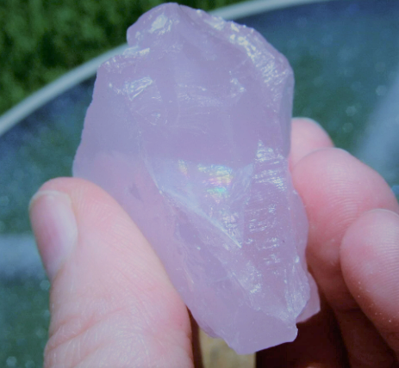
By strict scientific definition, Rose Quartz is a macrocrystalline variety of quartz characterized by a distinct pink coloration. This hue is caused by microscopic, fibrous inclusions of a mineral closely related to dumortierite or, in some specimens, finely dispersed pink phosphate and aluminum particles. Simply put: if a quartz specimen does not possess a true pink hue to the naked eye, mineralogically speaking, it cannot and should not be classified as rose quartz.
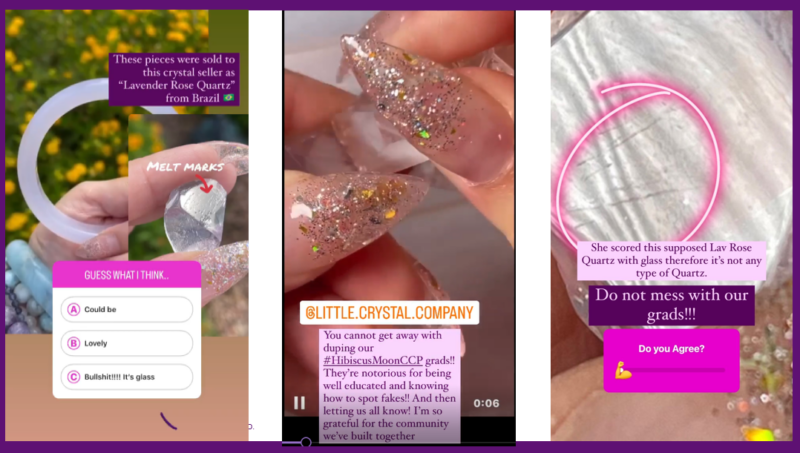
So, what is the trendy "Blue Rose Quartz" flooding the market? Geological analysis and expert mineral testing point to several distinct possibilities:
- Low-Grade Rose Quartz or Milky Quartz: Much of the material being sold under exotic names is simply abundant, low-grade, hazy quartz or lower-tier rose quartz that historically sat at the bottom of grading piles.
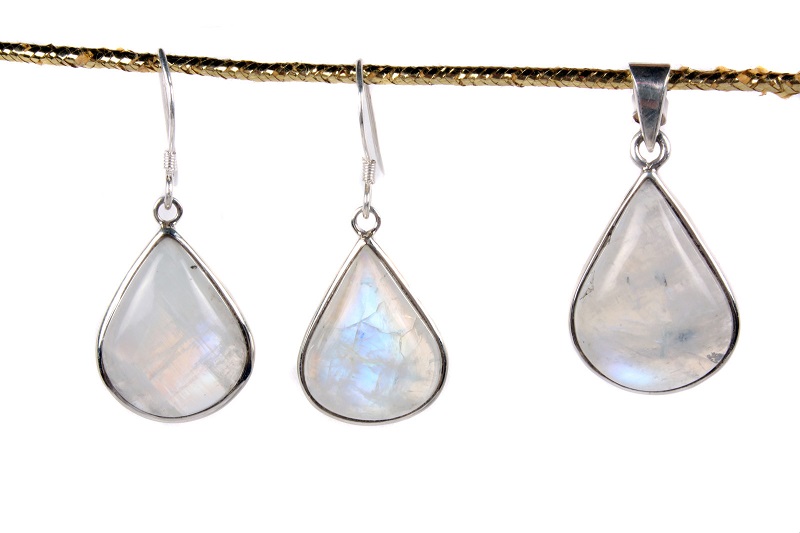
- Girasol (Opalized Quartz): Some specimens exhibit a cloudy, bluish-white translucent glow—a phenomenon known in geology as the girasol effect. Opal forms when silica dissolved in water fills empty geological pockets and hardens, a process that can also be artificially forced in laboratories.
- Heat-Treated Amethyst: Exposing low-grade amethyst or milky quartz to extreme heat (often exceeding 932°F / 500°C) can bleach out traditional purple and lilac tones. This thermal shock creates a milky, opalescent look—sometimes marketed as "neon blue quartz."
- Pure Glass: In the most egregious cases, unscrupulous manufacturers are passing off colored glass as natural crystal formations.
Despite these findings, marketers have largely bypassed standard gemological grading systems in favor of evocative, spiritual terminology that justifies exponentially higher retail prices.
Chronology: How the Trend and the Backlash Unfolded
The proliferation of "Blue Rose Quartz" did not happen overnight. It represents the latest chapter in a long-standing cat-and-mouse game between ethical educators and profit-driven vendors.
- Pre-2010s (The Era of Traditional Grading): Historically, stone wholesalers utilized a diamond-like grading system ranging from "AAA" (highest quality) to "D" (lowest quality). Pale, hazy, or off-color quartz specimens were routinely categorized as low-grade material and sold very cheaply.
- 2010: Crystal educator and former science department head Hibiscus Moon launched her pioneering blog series on crystal fakes and market misrepresentations, aiming to close the widespread information gap within the metaphysical community.
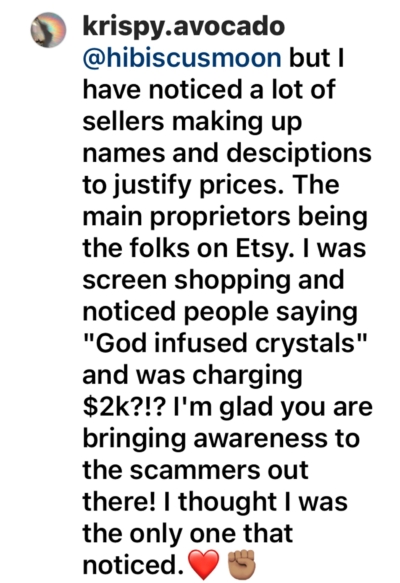
- Late 2010s to Early 2020s: As social media platforms like Instagram and TikTok transformed crystal collecting into a massive aesthetic trend, sellers began seeking novel ways to market abundant, low-value inventory. The term "Blue Rose Quartz" began surfacing across Etsy, Instagram shops, and independent storefronts, often accompanied by unverified claims of rarity.
- October–November 2022: A wave of inquiries from students enrolled in crystal certification programs prompted a formal investigation into the trend. Educators, graphic designers, and independent mineral dealers began cross-referencing samples, consulting geological clubs, and examining independent assay reports. The widespread nature of the rebranding—which soon expanded to include "Black Rose Quartz" and "Lavender Rose Quartz"—spurred a coordinated public awareness campaign across digital platforms.
Supporting Data and Mineralogical Analysis
The crusade against misleading crystal nomenclature is rooted in hard science. While many metaphysical vendors rely on vague, emotional appeals, a handful of organizations have taken the unprecedented step of commissioning scientific testing to settle the debate.
Prominent independent crystal retailers, such as Little Lemuria, took the extraordinary measure of submitting "Blue Rose Quartz" samples for formal geological assay reports. The results consistently debunked claims of a rare, newly discovered mineral species, confirming instead that the stones were standard quartz matrices lacking the structural and chemical markers of true, high-grade rose quartz or genuine rare-locality blue quartz.

Furthermore, historical data from the wholesale mineral market reveals a staggering markup disparity:

- Wholesale Value: Low-grade, hazy quartz and pale amethyst have historically been abundant, readily available, and inexpensive to source by the kilogram.
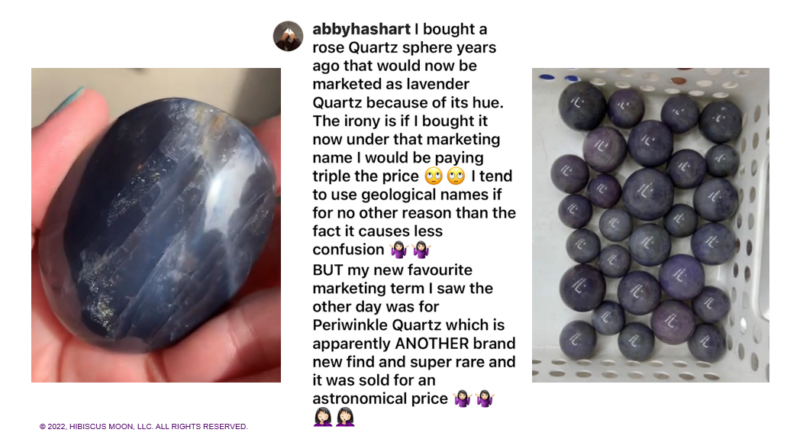
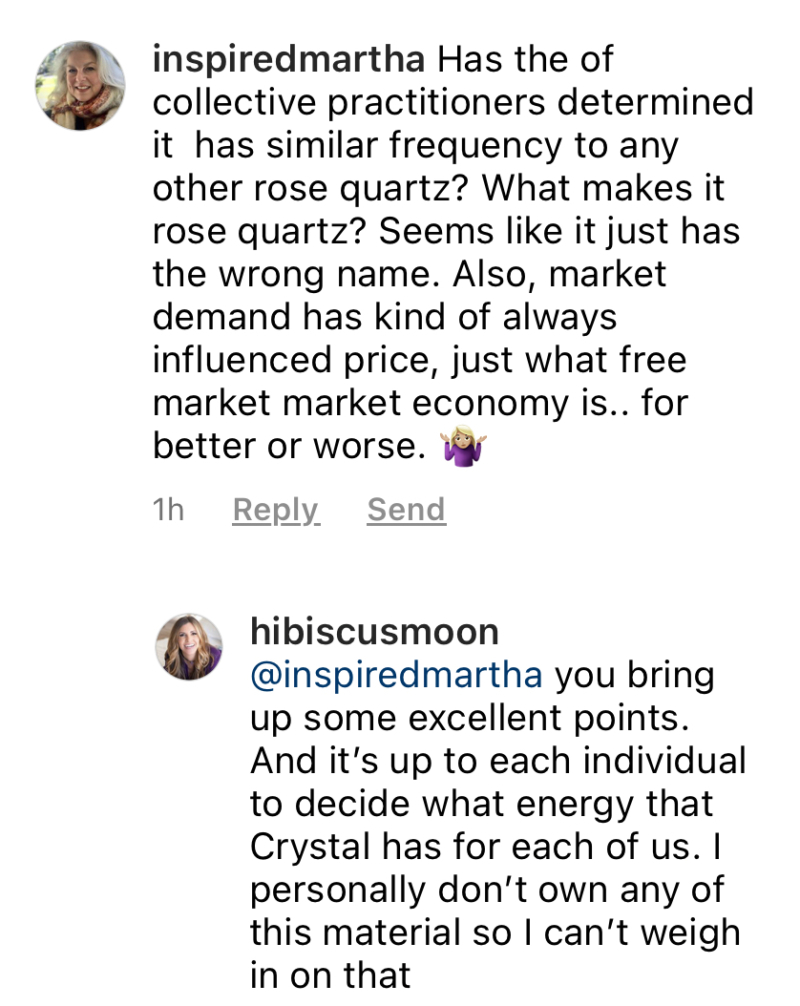
- Retail Markup: Once rebranded as "Blue Rose Quartz" or "Girasol-grade Lavender Quartz," the exact same physical material frequently commands luxury-tier pricing, sometimes multiplied by tenfold or more.
Industry experts emphasize that while lower-grade stones still possess energetic and aesthetic value for practitioners who connect with them, the fraudulent inflation of prices based on fabricated rarity is the core issue harming consumers.

Official Responses and Industry Reactions
The crystal community’s response to the "Blue Rose Quartz" phenomenon has been sharply divided between commercial vendors seeking to capitalize on aesthetic trends and educators fighting for scientific transparency.

Independent crystal practitioners and certified gemological students have played a pivotal role in sounding the alarm. Rather than relying on hearsay, community members have utilized social media highlights, collaborative discussions, and educational reels to dissect marketing claims in real time.

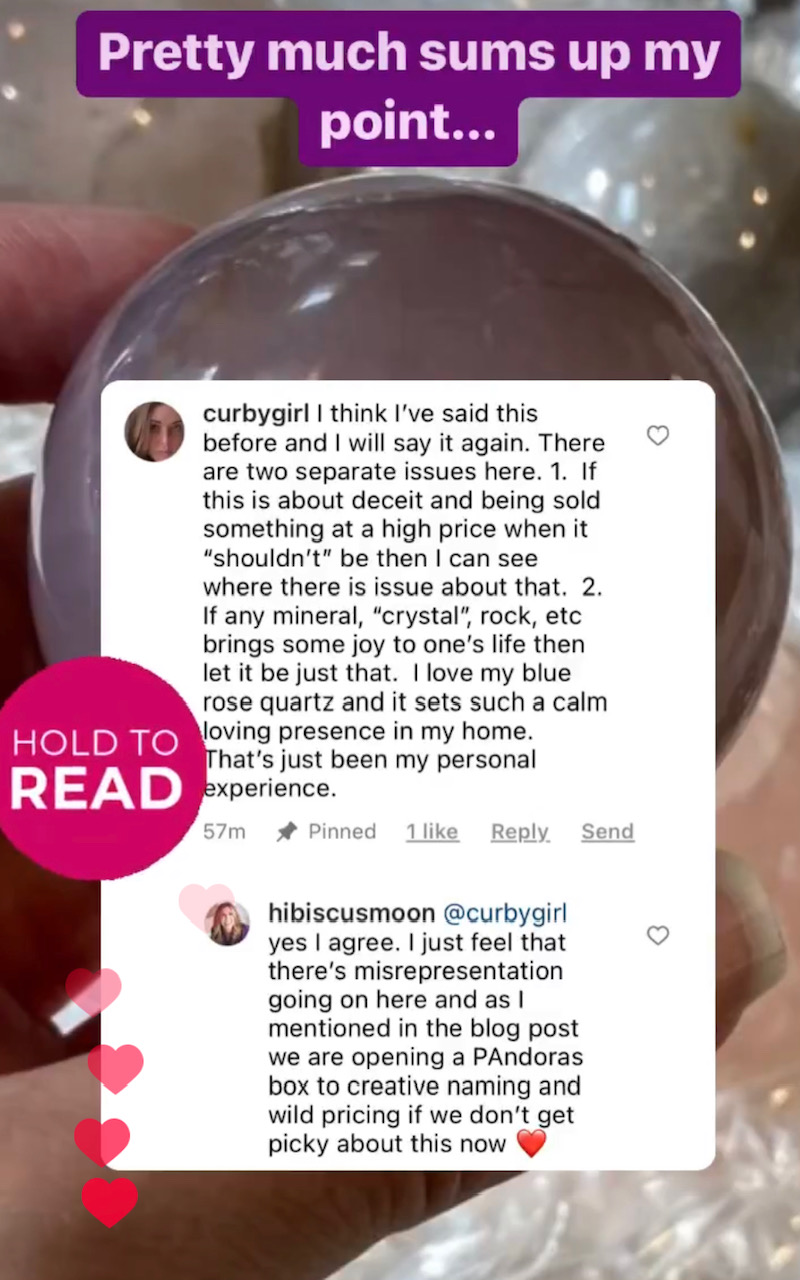
Educators have established strict community guidelines regarding these discoveries, urging followers to shift away from public shaming and cancel culture, and instead focus on empowerment through education. By refusing to name and shame individual sellers—and instead focusing on the systemic issue of misleading nomenclature—industry leaders hope to foster a culture of accountability.

Prominent figures within the crystal education space have emphasized a vital distinction: declaring a stone "low-grade" by commercial standards is not a reflection of its energetic potential. Many seasoned practitioners maintain that older, unconventional, or visually imperfect stones can carry profound emotional and spiritual resonance. The ethical outrage lies strictly in the deception—the deliberate altering of names, origins, and price tags to exploit well-meaning buyers.

Implications: What This Means for Buyers and the Future of the Market
The rise of manufactured trade names like "Blue Rose Quartz" carries significant implications for both the consumer market and the broader metaphysical community.

1. Financial Exploitation and Consumer Fatigue
When buyers pay premium prices for rare minerals under false pretenses, they are losing hard-earned money to marketing sleight-of-hand. If left unchecked without consumer pushback, industry analysts warn that the market could soon see thousands of invented trade names for standard quartz varieties, leading to perpetual confusion and a complete erosion of buyer trust.

2. The Responsibility Shifts to the Crystal Family
With foundational figures in crystal education stepping back from active daily instruction, the responsibility of maintaining quality control is being handed directly to the broader community. Educated practitioners, certified crystal healing students, and conscientious consumers must act as the first line of defense against deceptive marketing.

3. A Renewed Call for Due Diligence
Experts stress that the ultimate antidote to market deception is rigorous self-education. Consumers are advised to adhere to fundamental protective measures:

- Question the Name: If a crystal’s name defies basic logic (such as a blue-toned rose quartz or a black rose quartz), investigate its mineralogical composition.
- Scrutinize the Price: If a supposedly ultra-rare, newly discovered mineral is widely available in massive quantities at bargain prices—or conversely, if common quartz is priced like a diamond—proceed with caution.
- Vet the Vendor: Purchase from reputable dealers who transparently disclose treatment methods, geographic origins, and scientific classifications rather than leaning entirely on sensationalized metaphysical claims.
Conclusion
Beauty remains in the eye of the beholder, and a stone’s energetic resonance is ultimately a personal experience between the practitioner and the mineral. However, science and commerce must remain grounded in truth.

As the "Blue Rose Quartz" controversy demonstrates, Mama Earth creates magnificent treasures, but human marketing can distort them beyond recognition. By replacing ignorance with geological education, the crystal community can protect its wallet, honor the integrity of the earth’s resources, and ensure that truth remains the bedrock of the metaphysical journey.