






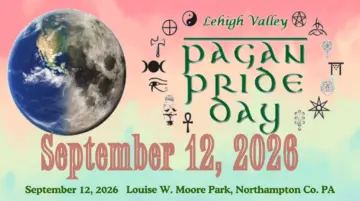
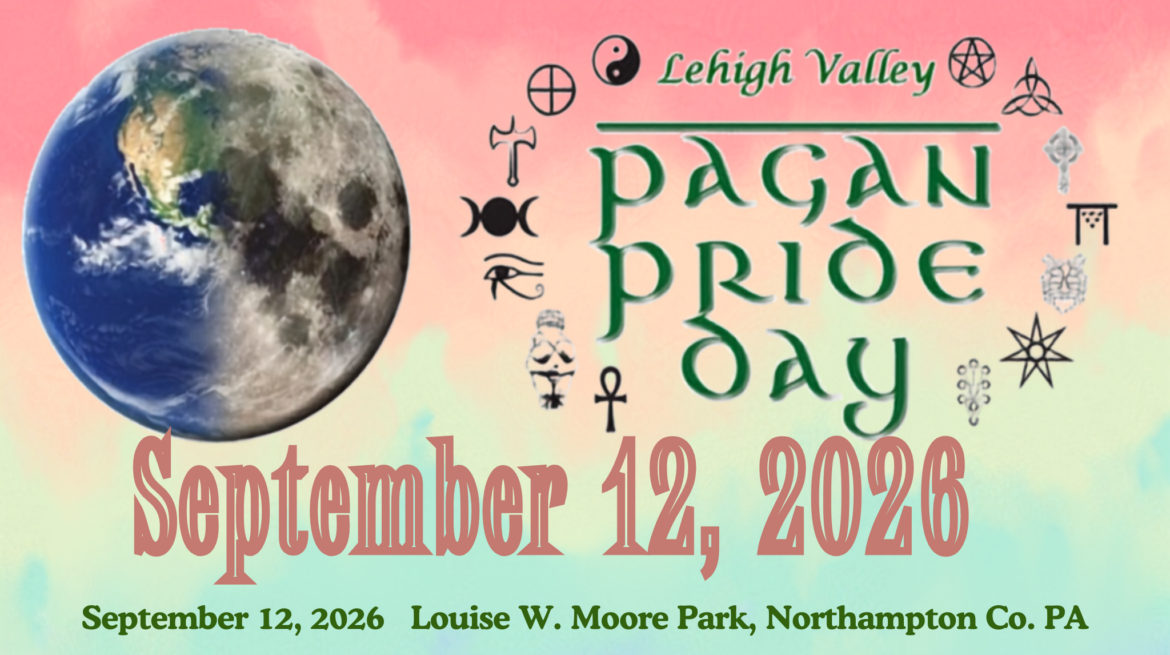
EASTON, Pa. — The annual Lehigh Valley Pagan Pride Day, a vibrant celebration of spiritual diversity, community education, and charity, found itself the target of disruptive demonstrations over the weekend. Held on September 12, 2026, the daylong event in Easton, Pennsylvania, was repeatedly interrupted by Christian street preachers who confronted adult and child attendees alike, warning them of damnation and urging repentance.
Despite the uninvited intrusions, which ultimately required the intervention of both on-site security and local law enforcement, organizers, presenters, and participants refused to let the hostility overshadow their mission. The event proceeded through its scheduled slate of workshops, rituals, and community-building activities, culminating in a successful food drive for the Second Harvest Food Bank and a peaceful closing procession.
Main Facts
The disruption at the Lehigh Valley Pagan Pride Day centered around a series of targeted confrontations by a small group of outside agitators. According to eyewitness accounts provided to The Wild Hunt, the incident began when a young person infiltrated the festival grounds and began loudly proselytizing to attendees, explicitly condemning their spiritual practices and telling both adults and children that they were destined for Hell.
Following a brief intervention by event security, the individual returned alongside two associates—one equipped with an amplified headset and microphone system. The trio amplified their preaching, cornering festival-goers and targeting minors with messages demanding immediate repentance and conversion to Christianity.
While the disruptions caused moments of tension, the broader event continued largely as planned. The festival showcased a rich mosaic of modern Pagan and earth-based spiritualities, featuring presentations by prominent figures such as Robert L. Schreiwer, founder of the Urglaawe tradition, and Joe GhostFox LeVasseur of the Green Mountain Druidry Order. Rituals for the upcoming seasonal shift of Mabon were led by the Coven of the Wooded Vale and the Order of Esoteric Knowledge, while organizations like the Covenant of the Goddess maintained a visible presence to foster networking and interfaith dialogue.
Crucially, event organizers emphasized that no physical violence occurred during either wave of protests, thanks to swift de-escalation by security and the eventual arrival of local police officers, who escorted the agitators off the premises.
Chronology of Events
The timeline of the September 12 gathering illustrates a day that balanced rich cultural programming with intermittent, escalating confrontations:
- Morning — Opening and Education: The festival opened its gates with a diverse schedule. Attendees participated in workshops ranging from Wiccan and Pagan prison ministry—led by the Rev. Jamie Dana—to an energetic Bollywood dance class taught by Sophie of Henna Chakra. Presentations on Spiralheart Witchcamp, Soundspinning, and various earth-centered paths drew engaged crowds.
- Early Afternoon — First Disruption: A solitary young individual entered the festival grounds, bypassing the welcoming atmosphere to preach directly to attendees. Eyewitnesses reported that the individual aggressively singled out families and children, shouting warnings about Hell and demanding repentance. Event security quickly intervened, escorting the person off the property.
- Mid-Afternoon — Return and Amplification: Sometime after the initial expulsion, the individual returned accompanied by two others. Capitalizing on audio technology, including a headset and microphone setup, one of the new arrivals amplified their voice to broadcast condemnation across a wider radius of the festival. The trio once again focused their rhetoric on condemning Pagan practices and targeting minors.
- Late Afternoon — Security and Police Intervention: Recognizing the escalating harassment, security personnel formed a protective perimeter around the protesters, successfully herding them away from the main gathering areas and toward the parking lot. Law enforcement was summoned to the scene, and police officers formally removed the three individuals from the event space.
- 5:00 PM — Closing Procession: With the disruptions resolved, the festival resumed its normal flow. Vendors concluded their sales, authors finished their book signings, and the community gathered for the scheduled closing procession, marking a peaceful end to the day.
Supporting Data & Event Programming
The 2026 Lehigh Valley Pagan Pride Day was designed to reflect the breadth and depth of modern Paganism while serving the broader local community. Key elements of the day included:
- Charitable Impact: Demonstrating the community’s commitment to social welfare, organizers collected a substantial amount of nonperishable food items designated for the Second Harvest Food Bank.
- Traditions Represented:
- Urglaawe: Introduced by founder Robert L. Schreiwer, highlighting regional Heathenry rooted in Germanic traditions.
- Green Mountain Druidry: Presented by Joe GhostFox LeVasseur, focusing on nature-based Druid practices.
- Wicca and Craft Traditions: Mabon rituals facilitated by the Coven of the Wooded Vale and the Order of Esoteric Knowledge.
- National Representation: The Covenant of the Goddess maintained a booth representing both its local council and national framework.
- Cultural & Educational Outreach: Workshops covered prison ministry advocacy, alternative spiritual camps, musical sound therapy, and cultural dance, ensuring attendees left with both spiritual enrichment and practical community resources.
Official Responses
In the wake of the incident, organizers of Lehigh Valley Pagan Pride shifted their public focus away from the disruptive actions of the protesters and toward the resilience and generosity of their community.
In an official post following the event, organizers shared their gratitude:
“Once again we are humbled and awed by the actions of our community. You truly demonstrated the meaning of unity and the beauty of our peaceful spiritual practices.”
Organizers explicitly thanked the volunteers who donated their time, the workshop presenters and ritual leaders who shared their expertise, the vendors who brought their wares, and every attendee who contributed to the Second Harvest Food Bank collection. By highlighting these collaborative efforts, leadership framed the event not as a site of conflict, but as a triumphant display of community solidarity.
Implications
The events at the Easton festival highlight ongoing challenges regarding religious tolerance and public safety for minority faiths in contemporary public spaces. Pagan and earth-based religious communities across North America have frequently faced varying degrees of misunderstanding, stigmatization, and outright hostility from conservative religious groups.
However, the rapid and measured response by Lehigh Valley Pagan Pride security and local law enforcement underscores a vital operational precedent: festivals can successfully protect their participants—particularly children—while maintaining an environment of openness and joy.
Furthermore, the community’s refusal to be intimidated serves as an indicator of maturity within the modern Pagan movement. By immediately pivoting back to charity, education, and ritual celebration, the organizers of the Lehigh Valley event transformed a potential crisis into a powerful testament to resilience, proving that constructive community-building remains far more enduring than attempts at disruption.