








For millions of women worldwide, the arrival of a menstrual cycle is accompanied by a familiar, unwelcome routine: stocking up on heating pads, hoarding over-the-counter pain relievers, and clearing schedules to accommodate debilitating cramps. Dysmenorrhea—the medical term for painful menstrual periods—ranges from a mild monthly annoyance to a severely disabling condition that disrupts work, school, and daily life.
While conventional treatments like nonsteroidal anti-inflammatory drugs (NSAIDs) and hormonal contraceptives remain the gold standard, many individuals are increasingly turning toward complementary, lifestyle-based interventions. Now, a fascinating piece of emerging nutritional science points toward a surprisingly accessible kitchen staple: fresh strawberries.
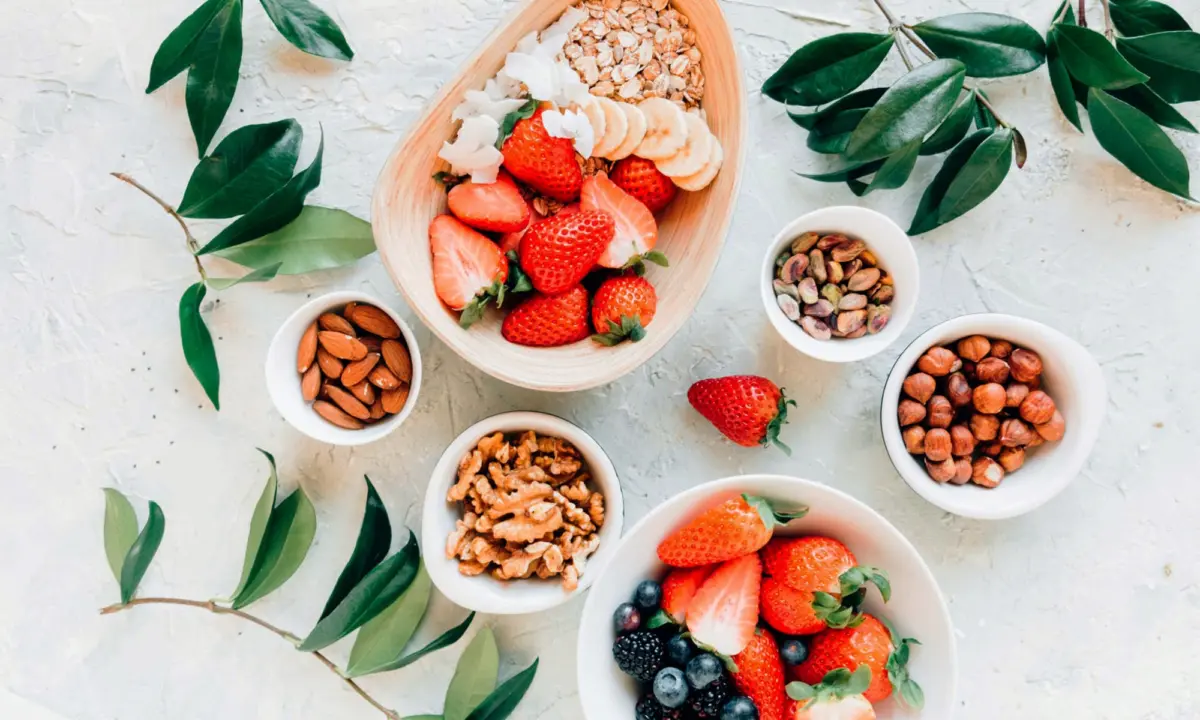
Recent research published in the journal Frontiers in Nutrition suggests that incorporating a modest amount of fresh strawberries into a daily diet may significantly reduce the intensity of menstrual pain. While experts urge caution against viewing any single food as a medical cure-all, the findings open up an exciting, food-as-medicine avenue for managing cycle-related discomfort.
Main Facts: What the New Research Found
The core of the buzz centers on a clinical trial conducted by researchers at the University of Huelva in Spain. The study set out to determine whether dietary modifications could influence the severity of primary dysmenorrhea—painful periods caused by uterine contractions without an underlying pelvic pathology like endometriosis or fibroids.
The results were striking. Participants who added a specific daily portion of fresh strawberries to their diets reported a noticeable, statistically significant decrease in menstrual pain after just one month compared to a control group.
- The Core Intervention: Participants ate 250 grams (approximately 1.5 cups) of fresh strawberries daily.
- The Timeline: The active intervention lasted for one month, with follow-up evaluations stretching into a second month.
- The Outcome: The strawberry-consuming group achieved the researchers’ pre-set benchmark for a clinically meaningful reduction in pain scores, outperforming the control group.
Although the study offers an encouraging look at how dietary choices can impact reproductive health, scientists emphasize that strawberries should be viewed as a complementary component of an overall wellness routine rather than a standalone medical treatment.
Chronology: How the Strawberry Study Unfolded
To understand the scope and methodology of this research, it helps to look at how the study was designed and executed from recruitment to final follow-up.
Phase 1: Recruitment and Baseline Setup
Researchers at the University of Huelva recruited 64 female participants ranging in age from 18 to 35. To qualify for the trial, these individuals had to have a documented history of regular, recurring menstrual cramps (primary dysmenorrhea).

Before any dietary changes were introduced, baseline data was collected. Participants self-reported their typical pain levels using standardized scoring metrics to establish a starting point for comparison.
Phase 2: Randomization and the One-Month Intervention
The 64 participants were randomly divided into two distinct cohorts:
- The Control Group: Instructed to maintain their standard, habitual daily diets without any specific modifications.
- The Strawberry Group: Tasked with incorporating 250 grams of fresh strawberries into their daily routines for a continuous duration of one month.
During this 30-day window, participants kept track of their dietary habits and noted the intensity of their cramping during their menstrual cycles.
Phase 3: Immediate Post-Intervention Evaluation
At the conclusion of the one-month mark, participants were re-evaluated. They rated their menstrual pain levels once again. The researchers had established a strict benchmark beforehand: for the results to be deemed meaningful, the strawberry group needed to report at least a one-point greater reduction in pain compared to the control group. The data confirmed that this threshold was successfully met.
Phase 4: The Two-Month Follow-Up
Intriguingly, the researchers checked back in with the participants two months after the intervention had concluded—meaning the strawberry group had stopped their daily fruit regimen a month prior. Remarkably, the lower pain scores observed during the trial period were still visible at this follow-up assessment. However, scientists are quick to note that this lingering effect does not definitively prove strawberries offer a sustained, long-term therapeutic residue; rather, it opens the door for longer-term studies to investigate how diet shapes cumulative inflammatory responses in the body.
Supporting Data and Biochemical Mechanisms
Why would strawberries, of all things, impact menstrual cramping? While the trial itself did not directly measure internal biomarkers, scientists point to the rich phytochemical profile of the fruit as the most likely culprit.
The Power of Polyphenols and Anthocyanins
Strawberries are densely packed with bioactive plant compounds known as polyphenols, specifically a subclass called anthocyanins—the pigments responsible for the fruit’s vibrant red hue. Anthocyanins are well-documented for their potent antioxidant and anti-inflammatory properties.
The Role of Prostaglandins
To understand why anti-inflammatory compounds matter during menstruation, it is necessary to look at the physiology of cramps. During a period, the cells lining the uterus break down, releasing hormone-like substances called prostaglandins.

- Normal Function: Prostaglandins trigger the muscular walls of the uterus to contract, helping to expel the uterine lining.
- The Problem: High levels of certain prostaglandins can cause overly intense, painful uterine contractions and restrict local blood flow. Furthermore, these compounds trigger systemic inflammatory responses, which are frequently linked to other common menstrual symptoms like headaches, fatigue, and general body aches.
Because polyphenols in strawberries help modulate oxidative stress and systemic inflammation, researchers hypothesize that a steady intake of these antioxidants may help blunt the inflammatory cascade driven by prostaglandins. While the Spanish trial did not test participants’ blood to measure exact prostaglandin or inflammatory marker (like C-reactive protein) levels, the biological plausibility remains a strong foundation for future research.
Official Responses and Scientific Caveats
While the headlines surrounding the University of Huelva study are undeniably enticing, the scientific community approaches the findings with a healthy dose of professional skepticism and nuance. Nutritionists, gynecologists, and the study authors themselves have highlighted several important limitations.
Potential Funding Bias
One critical detail noted in the study’s disclosures is that it received partial funding from a Spanish strawberry producers’ association. In scientific research, industry funding does not automatically invalidate a study’s findings, but it does necessitate heightened scrutiny. Independent replication by researchers with no financial ties to agricultural trade groups is always required before medical or nutritional guidelines can change.
Methodology and Sample Size
- Small Cohort: A sample size of 64 participants is relatively small in the grand scheme of clinical trials. Larger, multi-center trials involving hundreds or thousands of participants across diverse demographics are necessary to confirm whether these results apply to the broader population.
- Open-Label Design: The study was unblinded, meaning the participants fully knew they were eating strawberries. This introduces the possibility of a psychological placebo effect—knowing you are part of an experimental health intervention can sometimes influence subjective pain reporting.
Expert Perspectives
Dr. Elena Vance, a prominent clinical nutritionist specializing in women’s endocrine health who was not involved in the study, noted that while the research is promising, it shouldn’t be overhyped.
"We love seeing studies that explore accessible, whole-food interventions for common conditions like dysmenorrhea," Dr. Vance explains. "However, food is not a pharmaceutical. Eating strawberries is a fantastic, health-promoting habit that supports cardiovascular and metabolic health, but it should not replace established medical treatments for severe dysmenorrhea. If a patient has debilitating cramps, they need a comprehensive evaluation by a gynecologist to rule out underlying conditions like endometriosis."
Implications: What This Means for Your Routine
So, should you rush out to buy bulk crates of strawberries ahead of your next cycle?
From a practical and nutritional standpoint, the downsides are virtually non-existent for most people. Strawberries are exceptionally low in calories, high in dietary fiber, rich in vitamin C, and loaded with beneficial antioxidants. Integrating 1.5 cups of fresh strawberries into your daily diet during the weeks leading up to your period is a safe, delicious dietary tweak that offers a wide array of general health benefits.
Key Takeaways for Incorporating Strawberries:
- As Part of a Balanced Diet: Think of strawberries as a supportive player in a broader anti-inflammatory lifestyle. Paired with other whole foods rich in omega-3 fatty acids (like salmon and walnuts), magnesium (like leafy greens and pumpkin seeds), and complex carbohydrates, they can help build a nutrition profile that naturally supports hormonal balance.
- Not a Replacement for Medical Care: If your period pain routinely causes you to miss work or school, or if it does not respond to standard over-the-counter NSAIDs, you should consult a healthcare provider. Conditions such as adenomyosis, uterine fibroids, and endometriosis require professional medical intervention that dietary changes alone cannot treat.
- Listen to Your Body: Nutrition is highly individualized. While one person may find that increasing fruit intake noticeably softens their monthly symptoms, another may need different interventions, such as physical therapy, targeted supplementation, or prescription hormonal management.
Ultimately, this new research highlights an encouraging shift in modern medicine: a growing willingness to scientifically validate the profound impact that everyday food choices can have on quality of life. While we await larger, double-blind trials to solidify the connection between strawberries and menstrual relief, adding a bowl of fresh berries to your morning routine remains a sweet, safe, and wholesome experiment to try.