






WASHINGTON — It is a universal human experience: waking up from a vivid, cinematic dream with your heart racing, trying to make sense of the strange symbols that just played out in your sleeping mind. Among the most startling and emotionally resonant motifs is the presence of bats. Often shrouded in cultural folklore, horror cinema, and unwarranted superstition, these nocturnal creatures take on an entirely different weight when they flutter through the landscape of our dreams.
Far from being mere harbingers of dread, modern psychoanalysis, ancient esoteric traditions, and dream researchers increasingly view dreams about bats as profound psychological markers. According to specialists in depth psychology and holistic wellness, these winged mammals serve as messengers from the unconscious, signaling deep personal transformations, unacknowledged anxieties, and an urgent invitation to step out of psychological darkness and into self-awareness.
The Anatomy of a Nocturnal Vision: Main Facts and Psychological Significance
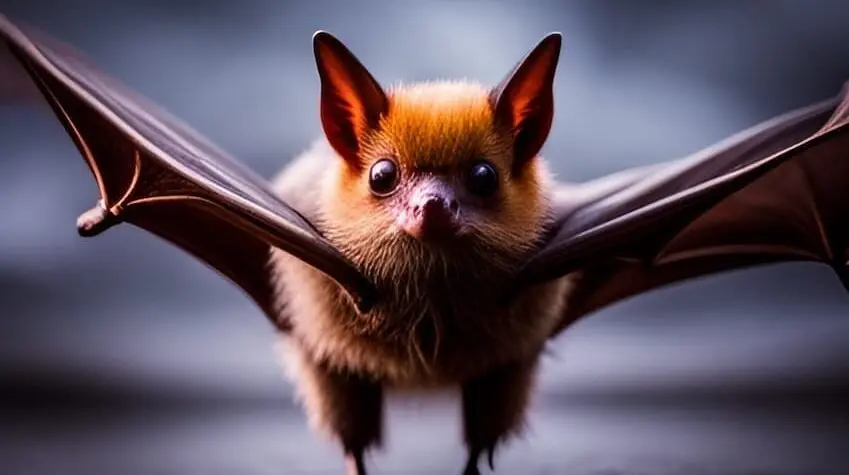
To understand why bats frequently populate our dreams, one must first examine their biological behavior in the waking world. Bats are creatures of twilight and darkness; they navigate complex environments without sight, relying entirely on echolocation and intuition. In the realm of dream interpretation, these characteristics translate directly to human psychology.
Dreaming of bats typically points to a period of transition, hidden fears, or the confrontation of repressed memories. Rather than signaling literal danger, these dreams act as psychological mirror reflections, urging the dreamer to examine parts of themselves they usually shy away from.
1. An Invitation to Face Your Fears
When bats appear in your sleep, it is frequently an indicator that you are subconsciously preparing to confront old phobias, long-standing anxieties, or unpleasant truths you have actively tried to ignore. Just as bats inhabit dark caves and unknown spaces, our minds keep our deepest worries tucked away in the shadows of our conscious awareness.
Encountering bats often signals that the time has arrived to engage in what Carl Jung termed "shadow work"—the process of exploring the repressed, unacknowledged, or darker aspects of the ego. While this psychological excavation is rarely comfortable, specialists emphasize that embracing the process paves the way for genuine healing, emotional maturity, and a more integrated, authentic sense of self.
2. Bringing Hidden Issues to the Light
Unresolved past issues have a way of lingering beneath the surface, manifesting as recurring stress or unexplained fatigue. Because bats operate exclusively in the dark, they symbolize psychological material that has been kept away from the light of conscious understanding.
A dream featuring these creatures can act as a gentle—or sometimes jarring—nudge to deal with lingering regrets, ancient hurts, or suppressed grievances. Rather than allowing these unresolved matters to quietly drain your mental energy from the shadows, the dream environment forces you to look them directly in the eye.
3. Rebirth and Metaphorical Renewal
In nature, bats emerge from the safety of their subterranean caves at dusk, casting off the safety of shelter to explore the boundless expanse of the night sky. In dreams, this behavior mirrors the human need for personal evolution and rebirth.
Seeing bats can signify that it is time to shed old, obsolete habits, toxic mindsets, or outdated life phases. Just as the bat leaves its cave, the dream encourages you to emerge from your own metaphorical cave, tap into dormant reservoirs of potential, and embrace fresh beginnings.
The Chronology of Interpretation: From Ancient Folklore to Modern Psychoanalysis
The way humanity interprets dreams has evolved dramatically over the centuries, shifting the meaning of symbols like the bat from supernatural superstition to sophisticated psychological insight.
Historical Context and Misunderstanding
Historically, nocturnal animals have suffered from deeply ingrained cultural biases. Because bats fly silently in the dark and are associated with caves and nightfall, ancient folklore frequently cast them as omens of misfortune, witchcraft, or death. This historical baggage often causes modern dreamers to panic upon waking from a bat-filled dream, mistakenly assuming it predicts an impending crisis.
The Shift Toward Depth Psychology
By the early 20th century, the advent of psychoanalysis revolutionized how dream symbols were categorized. Pioneers like Sigmund Freud and Carl Jung shifted the focus outward from external prophecy to internal reality. Dreams were no longer viewed as messages from the gods or future-telling devices, but rather as direct communications from the unconscious mind.
In this evolutionary timeline, the bat transitioned from a spooky cinematic monster into a sophisticated psychological totem. Modern wellness movements, shadow work practices, and holistic counseling frameworks now view the bat’s nocturnal nature not as a threat, but as a masterclass in navigating the unseen dimensions of the human psyche.
Supporting Data: Common Scenarios and Their Symbolic Meanings
Dreams are intensely personal, yet certain archetypal scenarios appear with remarkable frequency. The specific context of how a bat behaves—or how it interacts with the dreamer—drastically changes the interpretation.
Black Bat in a Dream
A solitary black bat flying erratically around a dreamer often points to heavy, persistent thoughts or anxieties that refuse to dissipate. This dark figure acts as a physical manifestation of cyclical worry. Conversely, a black bat can also symbolize untapped, powerful personal potential. It suggests that there is a potent, raw energy within the individual waiting for the right external opportunity to manifest.
The Bat Biting the Hand
When a dream features a bat biting your hand, the symbolism usually shifts toward interpersonal boundaries. In waking life, this scenario often indicates that an external influence—whether a demanding job, a toxic relationship, or a dominating personality—is exerting too much control over your choices and emotional peace. It serves as a psychological wake-up call to establish firmer boundaries and stand up for your autonomy.
Bats Attacking the Dreamer
An aggressive swarm or direct attack by bats highlights severe energy depletion. In contemporary wellness culture, this is frequently linked to the presence of "energy vampires"—people or environments that constantly drain your emotional reserves without offering support. It is a distress signal from your psyche, urging you to protect your well-being, reassess your priorities, and retreat to a safe space to recharge.
Bats Hanging Upside Down
Perhaps one of the most visually distinct bat behaviors is roosting upside down. When this appears in a dream, it represents a literal and figurative inversion of perspective. The bat is inviting you to look at a pressing life issue from the exact opposite angle. If you feel stuck in a rigid viewpoint, this dream encourages you to question your assumptions and adopt a completely fresh outlook.
Bats Inside the Living Space
Finding bats inside your home—a domestic, supposedly safe environment—carries a powerful message about change. Because the house represents the self, bats indoors suggest that unconscious, repressed material has finally broken through the barriers of your daily awareness. It is an invitation to embrace domestic or internal transitions, let go of outdated routines, and invite growth into your personal life.
Expert Perspectives and Therapeutic Implications
Mental health practitioners, holistic counselors, and dream analysts increasingly incorporate dream work into therapeutic modalities, recognizing the profound implications these visions hold for emotional health.
Awakening Intuition and Esoteric Knowledge
Because bats navigate total darkness effortlessly through sensory perception beyond human sight, they are widely regarded as symbols of heightened intuition and esoteric wisdom. Therapeutic practitioners note that dreaming of bats often coincides with periods in a patient’s life where they are being asked to trust their gut instincts rather than relying purely on logic.
"Navigating the unseen doesn’t require fear; it requires the courage to trust your own internal compass," notes one holistic wellness counselor. "Letting the bat guide you means leaning into uncertainty with confidence."
Resolving Misunderstandings of Identity
Furthermore, bats mirror our human struggles with perception and reputation. Shrouded in myths, these animals are fundamentally gentle, ecologically vital creatures that have long been misunderstood by society. Dreaming of them frequently correlates with a dreamer’s internal conflict regarding how they are perceived by the world versus who they truly are behind closed doors.
Therapists encourage clients experiencing these dreams to reflect on their authentic identities, release the need for external validation, and let their unique qualities shine, regardless of outside misconceptions.
Conclusion: Reflecting on Your Nocturnal Journey
Ultimately, interpreting a dream about bats is an exercise in self-discovery. Rather than reacting with fear to these mysterious creatures of the night, dreamers are encouraged to approach their sleeping visions with curiosity and self-compassion.
By asking the right reflective questions—What am I avoiding? Where do I need to establish boundaries? What old habits am I ready to shed?—individuals can transform a startling nightmare into a roadmap for personal evolution.
In a nutshell, dreams about bats serve as a powerful reminder: even when navigating periods of profound uncertainty, darkness, and intense personal transformation, an inherent, resilient power exists within every individual to find their way through to the light.