






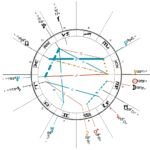

Main Facts: The Intersection of Seasonal Tradition and Legal Challenges
As the calendar turns to late September, millions of practitioners of Neopaganism, Wicca, and earth-based spiritualities across the globe prepare to mark Mabon, the Autumnal Equinox. Occurring on Tuesday, September 22nd, Mabon represents one of the eight key observances on the Pagan "Wheel of the Year." The holiday marks a precise astronomical moment when day and night reach near-equal length, serving as a focal point for rituals centered on balance, reflection, harvest, and gratitude.
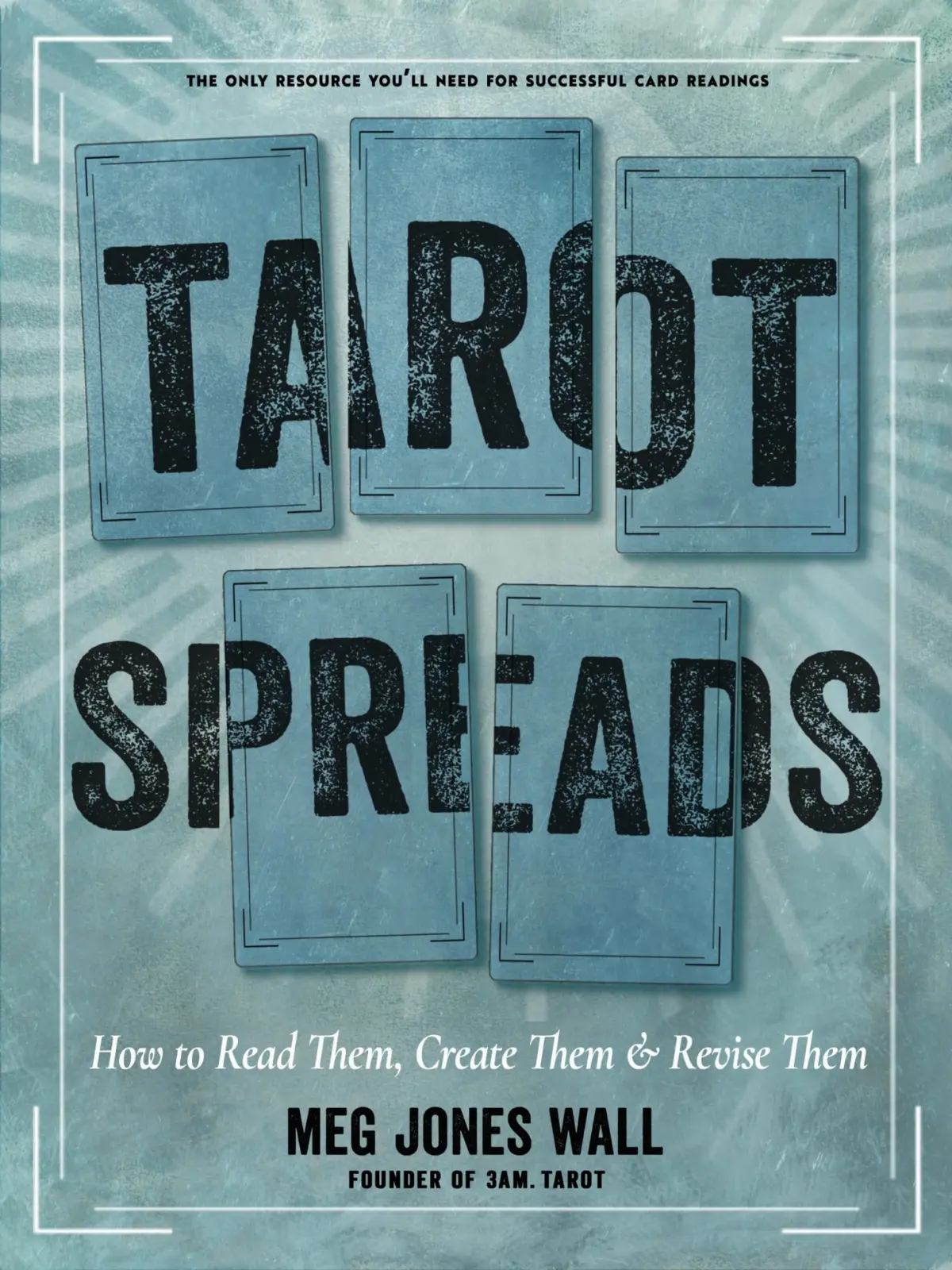
Simultaneously, the cultural resurgence of modern earth-centered practices is intersecting with contemporary legal frameworks in North America. In Pennsylvania, a legal contest dubbed by local observers and media as the state’s "Last Witch Trial" has reached a pivotal juncture. Beck, a professional Tarot card reader whose practice had been threatened by archaic state statutes prohibiting fortune-telling, has secured a temporary legal victory. A judicial decision granting a temporary injunction will allow her to continue offering Tarot readings for the duration of her legal proceedings, reigniting national debates over civil liberties, religious freedom, and First Amendment protections for esoteric practitioners.
Together, these developments highlight a broader cultural shift. From communal harvest gatherings—often affectionately characterized as the "Witch’s Thanksgiving"—to media platforms such as PaganPagesOrg and thematic musical works like Blackmore’s Night’s 1997 classic "Renaissance Faire," modern Pagan culture continues to move from fringe subculture into a recognized component of pluralistic spiritual and artistic expression.
Chronology: From Ancient Harvests to Modern Courtrooms
The current landscape of Neopagan practice and its legal entanglements is rooted in both ancient seasonal cycles and modern legislative histories. Understanding these concurrent trajectories requires examining how both spiritual traditions and regulatory frameworks have evolved over time.
 timeline
    title Historical Timeline of Pagan Observances and Divination Legislation
    1939 : Pennsylvania enacts Section 7104 of the Crimes Code banning fortune-telling for gain.
    1970s : Modern Neopagan revival formalizes the Wheel of the Year, naming the Autumn Equinox "Mabon."
    1997 : Blackmore's Night releases "Shadow of the Moon," featuring the folk track "Renaissance Faire."
    2020s : Increased constitutional challenges against anti-fortune-telling laws across the U.S.
    Present : Beck granted temporary injunction in Pennsylvania; Mabon celebrated globally on Sept 22.
The Evolution of Mabon within the Wheel of the Year
- Ancient Origins: Historical European agricultural societies celebrated the second harvest during the autumnal equinox, storing crops, slaughtering livestock for winter, and offering thanks to local deities for agricultural abundance.
- Mid-20th Century Revival: In the 1970s, modern Wiccan and Neopagan leaders standardized the Wheel of the Year. The term "Mabon"—derived from the Welsh mythological figure Mabon ap Modron ("Son of Mother")—was popularized by author and practitioner Aidan Kelly to describe the Autumnal Equinox Sabbat.
- Present-Day Practice: Celebrated annually on or around September 22nd (pronounced "MAY-bon"), the observance focuses on psychological and spiritual balance, inner reflection, and community feasts.
Timeline of Pennsylvania’s Fortune-Telling Laws and the "Beck" Injunction
- 1939: Pennsylvania codifies Section 7104 of the Crimes Code, making it a misdemeanor of the third degree to engage in fortune-telling, astrology, phrenology, or palmistry for gain or compensation.
- Late 20th to Early 21st Century: Municipalities selectively enforce the law, primarily targeting alleged fraudulent schemes, though critics argue the statute’s broad phrasing stifles legitimate spiritual and secular divinatory practices.
- Recent Enforcement Initiatives: Local law enforcement agencies attempt to enforce the statute against independent Tarot readers, including local practitioner Beck, sparking widespread concern among metaphysical practitioners across the state.
- Current Judicial Action: Following a civil suit alleging violations of constitutional rights, a Pennsylvania court issues a temporary injunction. This court order suspends enforcement of the anti-fortune-telling statute against Beck while the full merits of her First Amendment lawsuit are adjudicated.
Supporting Data and Cultural Framework
Demographics and the Metaphysical Economy
The ongoing legal proceedings and seasonal celebrations reflect significant growth within the esoteric and Neopagan communities. Research from organizations such as the Pew Research Center indicates that while traditional religious affiliations in North America have experienced declines, identification with non-traditional spiritual paths—including Paganism, Wicca, and general "spiritual but not religious" categories—has grown steadily over the past two decades.
- Demographic Growth: Estimates suggest there are over 1 to 1.5 million individuals in the United States who identify as Wiccan, Pagan, or followers of earth-based traditions.
- The Economic Footprint of the Metaphysical Industry: The broader wellness and metaphysical industry, encompassing Tarot reading, astrology applications, gemstone sales, and spiritual counseling, is estimated to be worth several billion dollars globally.
- Publishing and Digital Outlets: Specialized digital publications such as PaganPagesOrg and the former Purrfectly Pagan E-Mag provide commentary, literature, and educational materials to an expanding readership. Columnists like Weyland Smith contribute regularly with arts reviews, spiritual guidance, and local news coverage tailored to this demographic.
+-----------------------------------------------------------------------+
|                 Key Elements of Mabon Observance                       |
+-----------------------------------------------------------------------+
|  Focus Area   | Core Themes & Practices                               |
+---------------+-------------------------------------------------------+
| Equinox       | Equal day and night; seeking personal balance between |
| Balance       | light/shadow, active energy/rest, and outward/inward. |
+---------------+-------------------------------------------------------+
| Gratitude &   | Writing gratitude lists, spiritual journaling, and    |
| Reflection    | assessing personal accomplishments over the year.     |
+---------------+-------------------------------------------------------+
| Communal      | Feasting with seasonal foods (apples, grains, squash);|
| Celebration   | nicknamed "The Witch's Thanksgiving."                 |
+-----------------------------------------------------------------------+
Ritual Practices and the "Witch’s Thanksgiving"
Mabon’s core philosophy centers on equilibrium and mindfulness. As day and night reach temporary parity, practitioners are encouraged to examine dualities within their own lives—balancing light and darkness, physical demands and spiritual needs, or positive outcomes and personal challenges.
Journaling and gratitude lists serve as central practices during Mabon. Practitioners frequently utilize reflective prompts during this time, including:
- What blessings or successful harvests have entered my life over the past year?
- What negative patterns, burdens, or outdated habits must I release before winter arrives?
- What intentions or foundational goals do I wish to protect and carry forward into the cold season?
On a social level, Mabon is widely referred to within Neopagan circles as the "Witch’s Thanksgiving." Unlike the autumn’s later Sabbat, Samhain, which focuses on ancestral remembrance and the thinning veil between worlds, Mabon centers on feasting, hospitality, and communal joy. Observances range from elaborate potluck gatherings featuring late-summer harvests to simple dinners out with family and friends to foster connection without domestic burdens.
Neofolk Aesthetics and Media Context
Cultural celebrations of autumn and historic folklore often intersect with Neofolk and Renaissance-inspired music. A primary example within the community is the track "Renaissance Faire" by the musical group Blackmore’s Night, featured on their debut 1997 album Shadow of the Moon. Founded by former Deep Purple and Rainbow guitarist Ritchie Blackmore alongside vocalist Candice Night, the band played a foundational role in popularizing Renaissance-themed folk rock.

"Renaissance Faire" incorporates traditional acoustic instruments, medieval melodies, and lyrical themes of seasonal revelry, capturing the aesthetic atmosphere that frequently accompanies Mabon festivals, medieval re-enactments, and autumn gatherings.
Official Responses and Legal Arguments
The legal dispute in Pennsylvania has drawn scrutiny from constitutional scholars, law enforcement officials, and legal advocacy organizations. At the heart of the dispute is the friction between legacy statutes aimed at fraud prevention and modern constitutional interpretations of protected speech.
+------------------------------------------------------------------------+
|                   Legal Perspectives on Divination Laws                 |
+------------------------------------------------------------------------+
| Stakeholder Group | Core Arguments & Official Positions                 |
+-------------------+----------------------------------------------------+
| Plaintiffs &      | • Tarot reading is constitutionally protected speech.|
| Civil Liberties   | • Banning readings for money violates First        |
| Advocates         |   Amendment rights and free exercise of religion.  |
|                   | • Antiquated laws unfairly target alternative      |
|                   |   spiritual practices.                             |
+-------------------+----------------------------------------------------+
| Municipalities &  | • Fortune-telling statutes exist to protect        |
| Prosecutorial     |   vulnerable consumers from monetary fraud.        |
| Authorities       | • Regulations apply to commercial transactions     |
|                   |   rather than religious beliefs.                   |
+-------------------+----------------------------------------------------+
Arguments from Civil Liberties Advocates and Plaintiffs
Legal representatives for Beck and civil rights organizations argue that Pennsylvania’s criminal prohibition against fortune-telling is unconstitutional under the First Amendment of the U.S. Constitution.
- Freedom of Speech: Advocates contend that Tarot readings, astrology, and spiritual counseling constitute protected form of communication and artistic expression. Banning compensation for these services unreasonably stifles free speech.
- Freedom of Religion: For many practitioners, Tarot reading is an integral component of their sincere religious or spiritual practice. Prohibiting the practice, even when conducted commercially, infringes upon religious exercise.
- Arbitrary Enforcement: Opponents of the law point out that traditional religious figures who offer paid spiritual advice or make future-oriented predictions are not subjected to criminal prosecution, indicating selective enforcement against esoteric traditions.
Municipalities and Law Enforcement Positions
State prosecutors and local governments historically defended fortune-telling bans on consumer protection grounds:
- Prevention of Deceptive Practices: Government officials historically argued that prohibition statutes were necessary to protect vulnerable citizens from deceptive schemes where practitioners charge exorbitant fees promising to remove curses or predict financial success.
- Regulatory Oversight: Proponents of regulation argue that commercial transactions involving spiritual services should remain subject to state oversight to prevent fraud, misrepresentation, and financial exploitation.
However, recent judicial trends across multiple legal jurisdictions have increasingly favored constitutional speech protections, leading courts to strike down or limit blanket prohibitions against divination.
Broader Implications for Religious Liberty and Cultural Integration
The concurrent events surrounding Mabon celebrations and the Pennsylvania court injunction demonstrate a shifting socio-legal landscape regarding modern Paganism and esoteric practices.
+-----------------------------------------------------------------------+
|                         Broader Implications                          |
+-----------------------------------------------------------------------+
| Domain            | Long-Term Impact & Trend Outlook                  |
+-------------------+---------------------------------------------------+
| Jurisprudence     | Gradual invalidation of legacy "blue laws" and    |
|                   | anti-divination ordinances across North America.  |
+-------------------+---------------------------------------------------+
| Cultural Norms    | Shift from fringe perception to integration into  |
|                   | mainstream wellness, literature, and seasonal art. |
+-------------------+---------------------------------------------------+
| Media & Publishing| Growth of dedicated independent platforms like    |
|                   | PaganPagesOrg providing targeted community news.  |
+-------------------+---------------------------------------------------+
The Invalidation of Legacy Statutes
The temporary injunction granted to Beck in Pennsylvania reflects a growing national trend toward dismantling outdated municipal ordinances and state laws that restrict esoteric practices. As courts consistently apply strict scrutiny to limits on non-traditional speech and spiritual expression, statutory bans on divination are increasingly viewed as legal anomalies. A ruling in favor of Beck at the conclusion of her trial could strike down Pennsylvania’s fortune-telling statute permanently, establishing a legal precedent for similar challenges in remaining jurisdictions across the country.
Normalization and Commercial Integration
The celebration of Mabon as a mainstream seasonal milestone highlights how earth-based spiritual practices are becoming integrated into contemporary society. Once relegated to secretive coven meetings, equinox observances are now featured in mainstream literature, local community events, and digital media platforms. Columnists such as Weyland Smith reflect this normalized approach, presenting Pagan practices not as mysterious rituals, but as practical frameworks for personal wellness, gratitude, creative expression, and community building.
Future Outlook
As the Autumnal Equinox passes and the Wheel of the Year turns toward winter, the legal and cultural landscape for esoteric practitioners continues to evolve. The resolution of Pennsylvania’s landmark court case will likely serve as a barometric test for spiritual rights in the state. Meanwhile, the steady growth of publications, folk arts, and community gatherings indicates that practices surrounding Mabon and alternative spiritualities will remain an enduring feature of the modern cultural landscape.