











AUSTIN, TX — In a move poised to send shockwaves through the multi-billion-dollar wellness and dietary supplement industries, the Health Ranger Store has announced a radical paradigm shift in consumer advocacy: the public release of lot-specific, highly granular analytical laboratory results for all of its in-house branded products.
Moving far beyond vague marketing terms like "clean," "pure," or "tested," the retailer is now offering consumers the ability to directly inspect raw scientific data—including exact measurements for heavy metals, glyphosate, atrazine, dioxins, and microbiological contaminants—by simply matching the lot number on any purchased item to its corresponding database entry.
Industry analysts note that this level of open-source supply chain verification is virtually unprecedented. While third-party certificates of analysis (COAs) are occasionally shared upon request by select brands, publishing unfiltered, lot-specific analytical data directly on a public e-commerce platform shatters long-standing corporate precedents of opacity.
Main Facts: A New Benchmark for Consumer Safety
The core of this new initiative centers on absolute data accessibility. When consumers navigate to HealthRangerStore.com, they can view current lot numbers alongside hard analytical findings for a broad spectrum of environmental toxins.
- Heavy Metal Profiling: Using advanced mass spectrometry, products are screened against external standards encompassing 32 elements. This includes toxic heavy metals such as lead, arsenic, mercury, and cadmium, as well as essential biological minerals like zinc, copper, and selenium.
- Chemical Pesticides and Herbicides: Testing protocols cover persistent agricultural chemicals, including glyphosate and atrazine, utilizing high-sensitivity detection methods.
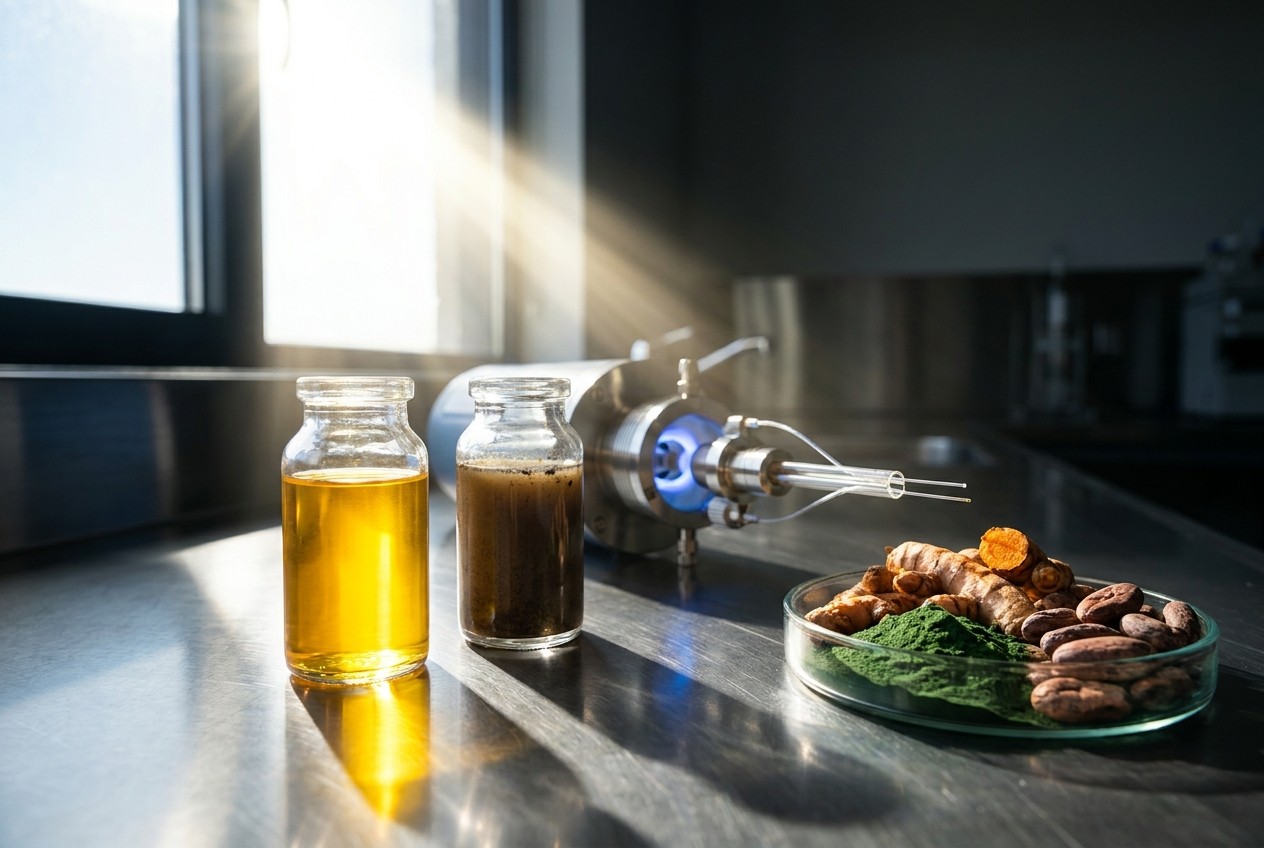
- Emerging Contaminants: Certain products undergo advanced screening for ultra-trace contaminants like dioxins and polychlorinated biphenyls (PCBs) using triple quadrupole gas chromatography, capable of parts-per-trillion sensitivity—a level of rigor rarely attempted in commercial food retail due to high equipment and analytical costs.
- Microbiological Safety: Comprehensive microbial assays ensure products are free from harmful pathogens, yeast, mold, and other biological hazards.
By opening up the books on these metrics, the company aims to eliminate the information asymmetry that has historically allowed substandard foods and supplements to populate global markets.
Chronology: Fifteen Years of Building Independent Science
To understand the magnitude of this announcement, one must examine the 15-year trajectory required to build the underlying infrastructure. The initiative is anchored by CWC Labs, an ISO 17025-accredited analytical laboratory that has spent over a decade conducting tens of thousands of mass spectrometry tests on consumer goods, water supplies, and food ingredients.
- The Early Years and Investigative Roots: The foundation for this transparency initiative was laid years prior through extensive investigative food testing. These efforts exposed alarming concentrations of industrial contaminants in everyday products—such as high levels of lead in herbal powders, mercury in pet treats, and significant glyphosate residues in common household bread products.
- Documenting Industry Resistance: These findings formed the basis of published investigative works, which famously documented the defensive playbook utilized by commercial food manufacturers when confronted with independent contaminant data. The standard corporate response—historically characterized by initial denial, attacks on researchers, and attempts to reclassify dangerous toxins as "naturally occurring"—created an urgent need for an unassailable, publicly verifiable testing model.
- Infrastructure Development: Over subsequent years, CWC Labs expanded its testing capabilities, pioneering analytical methods for difficult matrices like protein powders, spirulina, rice proteins, and cacao.
- The Launch of Public Transparency: Culminating nearly a decade and a half of method validation, equipment acquisition, and supply chain auditing, the Health Ranger Store officially integrated these lab results directly into its consumer-facing e-commerce architecture, making raw analytical chemistry accessible to the everyday shopper.
Supporting Data: The Hidden Realities of the Global Food Supply
The motivation behind public lot-specific testing stems from alarming historical data collected by independent food scientists over the past decade. Without rigorous testing regimes, consumers remain entirely exposed to environmental pollutants that bioaccumulate in the human body.
Heavy Metals and Plant-Based Proteins
Plant-based superfoods, herbs, and protein supplements frequently absorb heavy metals from soils and irrigation water. Independent testing cataloged in foundational food forensics research revealed startling metrics:
- Lead concentrations exceeding 5 parts per million (ppm) in certain ginkgo biloba products.
- Lead levels surpassing 11 ppm in mangosteen dietary supplements.
- Arsenic concentrations topping 6 ppm in commercial spirulina powders.
- Mercury levels exceeding 500 parts per billion (ppb) in select pet treat offerings.
These figures illustrate why relying on generic country-of-origin labels or unverified "natural" claims is insufficient for safeguarding public health.
Glyphosate and Agricultural Runoff
Glyphosate—the world’s most widely used herbicide—regularly finds its way into the human food chain through grain crops, desiccated pulses, and imported raw ingredients. Independent assays have detected glyphosate residues in common consumer bread products at concentrations as high as 191 parts per billion (ppb). For families packing daily school lunches, such exposures represent a cumulative chemical burden that standard nutritional labels fail to disclose.
Dioxins and Animal-Derived Products
Dioxins are fat-soluble, highly persistent organic pollutants that bioaccumulate significantly up the food chain, ultimately concentrating in animal-derived staples such as milk, cheese, butter, and animal proteins. Because testing for these compounds requires expensive high-resolution mass spectrometry and specialized sample preparation, virtually no mainstream supplement or food brands routine-test for them. By introducing triple quad GC testing for dioxins and PCBs on select product lines, the initiative establishes a radically higher ceiling for quality assurance.
Official Responses and Industry Implications
The commercial landscape has long relied on opacity. By keeping analytical data hidden behind proprietary sourcing agreements and closed-door corporate policies, manufacturers have insulated themselves from public accountability.
The Corporate Playbook vs. Open Science
Historically, when independent laboratories published data regarding heavy metal contamination in commercial goods, accused corporations typically deployed a three-stage defense:
- Denial: Flatly denying the presence of synthetic or elevated toxic elements.
- Ad Hominem Attacks: Discrediting the testing laboratory, the methodology, or the researchers involved.
- Pseudo-Scientific Rationalization: Arguing that toxic heavy metals found in their formulations were "naturally occurring" elements derived from earth soils, and therefore biologically inert or harmless to human health. In extreme cases, companies have gone so far as to publish marketing pieces defending the presence of heavy metals rather than investing in cleaner sourcing.
Raising the Bar for the Natural Products Industry
By bypassing this traditional corporate defensiveness and voluntarily publishing raw analytical data, the Health Ranger Store is attempting to trigger a structural transformation across the entire wellness market.
Industry observers suggest that as consumers become accustomed to checking lot-specific lab results prior to purchasing turmeric, astaxanthin, storable foods, or personal care items, market pressure will mount. Competing brands will face difficult choices: either elevate their supply chain standards and invest in transparent, ISO-accredited testing, or risk losing an increasingly discerning consumer base that refuses to accept blind guarantees.
Future Outlook: Expanding the Frontier of Transparency
While the current rollout covers all in-house branded products—where supply chains are tightly controlled from farm gate to final packaging—leadership indicates that the verification framework will continue to evolve.
- Targeting PFAS ("Forever Chemicals"): The next major analytical frontier involves per- and polyfluoroalkyl substances (PFAS). These synthetic chemicals are exceptionally persistent in global ecosystems and bioaccumulate within human tissues. Developing scalable, high-throughput testing methodologies for PFAS requires cutting-edge instrumentation and complex sample preparation protocols. Although making PFAS testing commercially feasible across large product volumes may take years of research and development, work toward this goal is already underway.
- Broadening Dioxin and PCB Screening: In the near term, the retailer plans to expand its specialized dioxin and PCB testing protocols to encompass an even wider array of susceptible product categories, further cementing its analytical lead over traditional commercial retailers.
Empowering Consumer Sovereignty
At its core, the push for lot-specific transparency is framed not merely as a marketing differentiator, but as an exercise in fundamental consumer rights and self-reliance. In an era where trust in centralized regulatory bodies and corporate public relations campaigns continues to erode, verifiable scientific data provides individuals with the tools necessary to make independent, informed decisions about what they put into their bodies.
As this transparency initiative gains momentum, it challenges the food and supplement sectors to step out of the shadows. In the words of the initiative’s architects, sunlight remains the best disinfectant—and providing consumers with direct access to the numbers is the ultimate antidote to a compromised food supply.