WASHINGTON — In a pair of aggressive and consequential regulatory moves, the Trump administration has launched a broad restructuring of federal conservation policy. The twin initiatives—one targeting the Endangered Species Act protections for apex predators and the other aiming to unravel a landmark 25-year-old forest conservation policy—threaten to profoundly alter the management of wildlife populations and vast swaths of public lands across the United States.
Together, the actions signal a decisive shift toward prioritizing local economic interests, specifically ranching and extractive industries, over nationwide conservation frameworks. As federal agencies field a deluge of public comments and environmental organizations ready legal challenges, the nation is once again locked in a fierce debate over how to balance human enterprise with the preservation of America’s remaining wild ecosystems.
Main Facts
The administration’s two-pronged strategy centers on executive and regulatory rollbacks affecting millions of acres of public land and highly contentious wildlife populations:
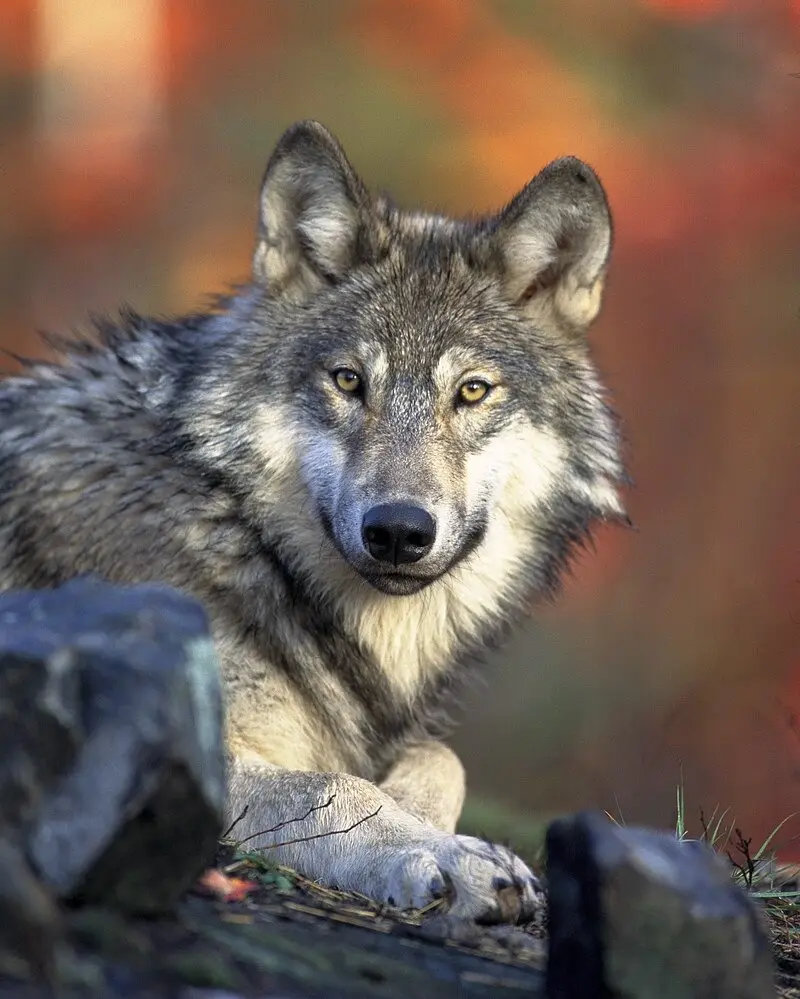
The Gray and Mexican Wolf Executive Order: Signed by President Donald Trump on September 4, the directive—officially titled "Supporting America’s Ranchers"—places the U.S. Fish and Wildlife Service and the Department of the Interior on a strict 90-day timeline. Interior Secretary Doug Burgum must evaluate whether gray wolves and Mexican wolves have met recovery criteria that would justify downlisting or delisting them under the Endangered Species Act (ESA). If criteria are met, the administration is ordered to initiate delisting processes, prepare legislative recommendations for Congress, and pressure states to weaken their own wildlife protections while easing federal rules on lethal predator control.
The Repeal of the 2001 Roadless Area Conservation Rule: Led by the U.S. Department of Agriculture (USDA), the federal government has initiated formal rulemaking to rescind the historic national Roadless Rule. Originally enacted in 2001, the policy currently protects approximately 44.7 million acres of inventoried roadless national forest land (excluding Idaho and Colorado, which maintain state-specific rules) from most commercial logging and new road construction. Repealing the rule would not immediately authorize logging or drilling across these lands; rather, it would eliminate federal restrictions and devolve management decisions to individual national forests.
Proponents, including administration officials and agricultural groups, argue that both measures are long-overdue corrections to rigid federal overreach. They contend that current rules tie the hands of local managers, hamper vital wildfire mitigation, and unfairly burden livestock producers dealing with predatory wildlife.
Conversely, conservationists and environmental groups view the directives as a coordinated assault on bedrock environmental laws. They warn that stripping federal safeguards will fragment critical wildlife corridors, accelerate industrial degradation in pristine watersheds, and endanger species that have spent decades clawing their way back from the brink of extinction.
Chronology of Events
To understand how these policies reached their current inflection point, it is necessary to examine the historical and political timeline governing both the Roadless Rule and federal wolf management:
January 2001: In the final days of the Clinton administration, the Forest Service adopts the Roadless Area Conservation Rule after receiving more than one million public comments—the largest public response in federal rulemaking history at the time. The rule shields approximately 58.5 million acres of undeveloped national forest lands from road building and timber harvesting.
2006–2008: State-specific roadless rules are developed and implemented for Idaho (2008) and Colorado (2012), carving out distinct management plans while the national rule remains the baseline for roughly 44.7 million acres elsewhere.
2011–2020: Federal protections for gray wolves undergo a complex, decade-long cycle of judicial rulings, delistings, and relistings across various regions of the United States, driven by shifting political administrations and evolving scientific assessments of population recovery.
September 4, 2025: President Donald Trump signs the "Supporting America’s Ranchers" executive order during an Oval Office event. Flanked by Agriculture Secretary Brooke Rollins and Interior Secretary Doug Burgum, Trump suggests that ranchers can immediately begin shooting wolves attacking their livestock—a statement later qualified by Rollins, who notes that Interior must first execute the formal review process mandated by the order.
September 2025: The USDA formally proposes rescinding the 2001 Roadless Area Conservation Rule, initiating a public comment period and opening the draft environmental impact statement for scrutiny.
September 21, 2025: The strict deadline arrives for the public comment period and draft environmental impact statement regarding the proposed repeal of the Roadless Rule, drawing hundreds of thousands of responses from hunters, conservationists, industry representatives, and citizens.
Late 2025 and Beyond: Interior Secretary Doug Burgum faces a 90-day window under the executive order to complete the evaluation of wolf recovery criteria, setting the stage for imminent administrative or legislative moves to alter predator protections.
Supporting Data and Metrics
The debate surrounding these policy shifts is underpinned by starkly different interpretations of data regarding livestock losses, public sentiment, and ecological health:
Predator Impact on Livestock: According to U.S. Department of Agriculture (USDA) data cited by animal welfare and conservation groups, native carnivores—including wolves—are responsible for fewer than 1% of all cattle and sheep deaths in the United States. The vast majority of livestock mortality stems from disease, weather, calving complications, and non-predatory accidents.
Scale of the Roadless Rule: The 2001 rule originally encompassed 58.5 million acres of inventoried roadless areas. Following exemptions for Idaho and Colorado, 44.7 million acres remain governed by the nationwide restrictions across 39 states.
Public Opinion: Polling data from 2025 indicates that 76% of likely U.S. voters support retaining the Roadless Area Conservation Rule, demonstrating broad, cross-partisan consensus for preserving the last undeveloped corners of national forests.
Ecosystem and Infrastructure Reach: National forests supply drinking water to approximately 180 million Americans, with inventoried roadless areas containing 354 municipal watersheds. Furthermore, the Natural Resources Defense Council (NRDC) notes that roughly 25% of animal species and 13% of plant species listed as endangered under the ESA rely on habitat located within roadless areas.
National Cattle Herd Demographics: Proponents of the administration’s ranching executive order point out that the U.S. national cattle herd has fallen to a 75-year low, even as domestic beef consumption continues to rise, creating severe economic pressures for agricultural producers.
Official Responses and Stakeholder Perspectives
The executive order and the proposed roadless rule repeal have ignited fierce resistance from environmental watchdogs, while drawing cautious praise or full-throated support from agricultural and forestry associations.
The Administration’s Defense
Administration officials frame both policies as essential measures to restore economic vitality to rural communities and empower local decision-makers.
During the Oval Office announcement of the ranching executive order, Agriculture Secretary Brooke Rollins emphasized the plight of livestock producers. She noted that ranchers operating in regions where wolves remain federally protected face severe restrictions when predators threaten their livelihoods.
Regarding the proposed repeal of the Roadless Rule, Rollins argued that the 25-year-old policy has become an impediment to effective forest management. The Forest Service contends that rigid road restrictions complicate hazardous fuels reduction projects, insect-eradication efforts, and disease management—all of which have become increasingly urgent as climate change fuels catastrophic wildfires across the American West.
Environmental and Conservation Backlash
Conservation organizations have mobilized rapidly, vowing to challenge both actions in federal court and through sustained public mobilization.
Leia Barnett, New Mexico conservation lead for WildEarth Guardians, condemned the wolf executive order as a political maneuver designed to bypass environmental safeguards.
"Once again, we see this administration attempting to override the checks and balances provided by bedrock environmental laws like the Endangered Species Act in order to create industry carveouts and distract from other bad policies that are proving unpopular," Barnett said. "Directing federal agencies to pressure states into rolling back their own wildlife protections isn’t just bad policy, it’s an attempt to bypass the very framework Congress built to keep species recovery decisions insulated from political whims."
Andrew Wetzler, senior vice president for nature at the Natural Resources Defense Council (NRDC), delivered an equally scathing assessment of the Roadless Rule repeal.
"The Trump administration is moving to gut our most iconic national forests by giving loggers and drillers free rein to turn them into industrial wastelands," Wetzler stated. "It is trying to walk away from the most successful land conservation policy in modern U.S. history. The American people will not let this plan stand."
Wetzler highlighted the irreversible ecological consequences of road construction in previously pristine ecosystems:
"These are the places where grizzlies raise their cubs, where trout streams run cold, and where more than 25 million Americans get their clean drinking water. Once we cut a road through these forests, we don’t get their values back. The forest fragments. The streams and rivers are degraded by runoff. Iconic wildlife struggles to find suitable habitat. And we get stuck with even more roads in a vast network the agency already can’t maintain."
Animal welfare groups, such as Humane World for Animals, have likewise criticized the administration’s rhetoric, arguing that the portrayal of wolves as an acute public safety or catastrophic economic threat is contradicted by federal agricultural statistics.
Implications for American Ecosystems
While the Department of the Interior’s wolf review and the USDA’s roadless rule rulemaking operate through entirely distinct legal statutes and regulatory channels, they converge on a fundamental ecological reality: wildlife cannot be conserved in a vacuum.
The survival of large carnivores—such as gray wolves, Mexican wolves, and grizzly bears—depends fundamentally on landscape connectivity, expansive undeveloped tracts of land, adequate prey populations, and minimal human-induced mortality. When roads slice through remote forest ecosystems, they fragment habitats, facilitate illegal poaching, introduce sediment runoff into cold-water trout streams, and displace sensitive species.
By dismantling nationwide protections that keep industrial development out of roadless areas, and simultaneously exerting political pressure to relax protections on top predators, the Trump administration’s dual policies threaten to unravel decades of hard-won conservation gains. As the 90-day review period for wolf delisting progresses and federal agencies review the mountain of public comments submitted against the roadless rule repeal, the future of America’s wild landscapes hangs in a delicate balance.
For a nation divided over the role of federal oversight versus local autonomy, the impending legal battles will ultimately test the resilience of the nation’s bedrock environmental laws—and determine whether the last wild corners of public lands will remain wild for generations to come.