







By Investigative Health & Science Desk
Published September 2024
Main Facts: The Kitchen Counter as a Biochemical Laboratory
In an era defined by centralized supply chains, complex pharmaceutical pipelines, and growing concerns over environmental stressors, a paradigm shift is quietly taking root on ordinary kitchen counters. Chapter 11 of the streaming docuseries "UNBREAKABLE," hosted by health researcher and author Mike Adams, thrusts a remarkably humble household staple into the spotlight: the broccoli seed. Aired on September 8 on the BrightU platform, the episode argues that everyday food preparation can transcend mere nutrition, functioning instead as a form of decentralized medicine production and an exercise in absolute self-reliance.
At the core of the episode’s thesis is sulforaphane, a naturally occurring organosulfur compound renowned in nutritional science for its potent antioxidant and cellular-protective properties. Rather than sourcing this compound through expensive, highly processed commercial supplements, Adams demonstrates a low-tech, highly accessible alternative: sprouting broccoli seeds in a standard glass mason jar.
The process, as detailed in the broadcast, requires no specialized laboratory equipment, industrial infrastructure, or advanced chemical engineering. It relies exclusively on three basic elements: seeds, water, and time. Within days, simple soaking and rinsing protocols yield vibrant green sprouts capable of generating high concentrations of sulforaphane. According to Adams, this transforms a domestic culinary task into a micro-production line for cellular health, empowering individuals to take active control of their biochemical intake independent of external supply chains.
Chronology of the Demonstration: From Seed to "Liquid DNA Repair Medicine"
To understand the practical framework presented in Chapter 11, it is essential to examine the step-by-step chronology of the sprouting and biochemical activation process outlined by Adams during the episode.
Phase 1: The Sprouting Cycle
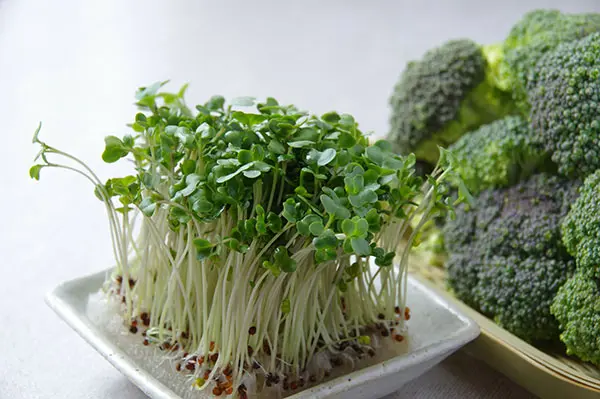
The demonstration begins with raw, non-GMO broccoli seeds placed inside a clean glass jar secured with a mesh lid. The seeds are thoroughly soaked in filtered water for a designated period, typically 8 to 12 hours, to break dormancy. Following the initial soak, the water is drained, and the seeds enter a recurring rinse-and-drain cycle performed twice daily. Over the course of three to five days, tiny white roots emerge, quickly followed by green cotyledons (the embryonic leaves of the plant).
Phase 2: Harvesting and Enzymatic Activation
Timing is highlighted as a critical variable in the episode. Adams notes that the sprouts must be harvested precisely when their first cotyledons appear, as this represents the peak concentration window for the necessary biochemical precursors.
The underlying chemistry relies heavily on two components:
- Glucoraphanin: A stable glucosinolate compound found abundantly in cruciferous vegetables, particularly broccoli seeds.
- Myrosinase: An endogenous plant enzyme responsible for hydrolyzing glucoraphanin into sulforaphane.
However, myrosinase is sensitive to environmental conditions, particularly excessive heat, which can denature the enzyme and halt the desired conversion process.
Phase 3: Cellular Disruption Techniques
To maximize the yield and bioavailability of the active compounds, Adams introduces unconventional home processing methods designed to rupture the plant cell walls deliberately:
- Cryogenic Disruption (Freezing): The harvested sprouts are placed into a freezer. The formation of ice crystals physically fractures the cellular structures, mixing the glucoraphanin and myrosinase that are otherwise compartmentalized within the living tissue. Upon thawing, the resulting liquid—described metaphorically in the episode as "liquid DNA repair medicine"—contains the newly synthesized active compounds.
- Thermal Workarounds for Off-Grid Scenarios: Addressing situations where electricity or refrigeration is unavailable, Adams proposes an alternative technique. This involves heating the sprouts to approximately 70 degrees Celsius (158 degrees Fahrenheit) for about 10 minutes. Because this level of heat can denature natural myrosinase, the method requires the subsequent addition of mustard seed powder, which serves as an exogenous source of myrosinase to reactivate the conversion process.
Supporting Data: The Science of Sulforaphane and Cellular Defense
While the methods demonstrated in "UNBREAKABLE" are decidedly low-tech, they intersect with a substantial body of peer-reviewed scientific literature examining the biochemical pathways of cruciferous vegetables.
Mechanisms of Action
Sulforaphane has been extensively studied in nutritional biochemistry for its ability to upregulate phase II detoxification enzymes and activate the Nrf2 pathway (Nuclear factor erythroid 2-related factor 2). Under normal physiological conditions, Nrf2 is bound to a repressor protein (Keap1) in the cytoplasm. When exposed to electrophilic compounds like sulforaphane, Nrf2 dissociates, translocates into the cell nucleus, and binds to Antioxidant Response Elements (ARE) in DNA. This process triggers the transcription of cytoprotective genes responsible for neutralizing free radicals, reducing oxidative stress, and mitigating cellular damage.
Comparative Potency
Scientific analyses have repeatedly demonstrated that broccoli sprouts—particularly 3-to-4-day-old seedlings—contain significantly higher concentrations of glucoraphanin (ranging from 10 to 100 times more) than mature broccoli heads. This high nutritional density forms the empirical basis for Adams’ focus on sprouting as an efficient domestic practice rather than relying solely on cooked vegetables, where heat during preparation can prematurely deactivate the myrosinase enzyme before consumption.
Contextualizing the Broader Framework: The 13-Chapter "UNBREAKABLE" Curriculum
Chapter 11 does not exist in a vacuum; it is part of a comprehensive 13-chapter educational docuseries designed to explore human genetics, cellular biology, and systemic resilience. The curriculum addresses several core scientific and preparedness concepts:
- DNA Integrity and Repair Pathways: The course delves into the fundamental mechanisms by which human cells detect and repair genetic damage, including Non-Homologous End Joining (NHEJ), homologous recombination, and the management of double-strand breaks. It examines the roles of key regulatory proteins such as BRCA1, 53BP1, and CHK1.
- Environmental Stressors and Radiation: Adams expands the conversation to include modern environmental challenges, discussing biological responses to background radiation, nuclear fallout scenarios, electromagnetic fields, and synthetic chemical exposures.
- Nutritional Strategies for Genetic Resilience: Throughout the series, the focus remains on leveraging whole foods, botanical extracts, and targeted nutritional protocols to support the body’s native DNA repair and cellular maintenance systems.
Implications: The Mason Jar as a Symbol of Decentralized Independence
Beyond the biochemistry of sulforaphane, the central thesis of Chapter 11 addresses a socio-economic and philosophical concept: decentralized resilience.
In modern society, individual health is frequently managed by centralized institutions, corporate pharmaceutical supply chains, and complex agricultural logistics. By framing a simple sprouting jar as a "production line for medicine," Adams challenges viewers to rethink their reliance on external systems.
This philosophy echoes the historical concept of the "Victory Garden" from the World War era, reimagined for the 21st century. The episode integrates sprouting jars into a broader homesteading and preparedness framework that includes:
- Cultivating nutrient-dense superfoods like turmeric, medicinal berries, and functional mushrooms.
- Practicing organic composting, seed saving, and rainwater harvesting.
- Acquiring the practical skills necessary to produce, preserve, and regenerate vital resources at the household level.
The broader implication is clear: true preparedness is not merely about stockpiling non-perishable goods in a warehouse; it is about cultivating biological literacy and hands-on competence. By understanding how to harness basic plant chemistry in a kitchen setting, individuals can bridge the gap between passive consumption and active self-preservation.
Conclusion and Availability
As discussions surrounding supply chain vulnerabilities, health autonomy, and environmental stressors continue to grow, programs like "UNBREAKABLE" offer a provocative look at how traditional knowledge and modern science intersect on the home front. Whether viewers approach the demonstrations as a novel culinary experiment or a foundational component of a preparedness lifestyle, the core message remains centered on empowerment through education.
For those interested in exploring the scientific framework, genetic pathways, and practical strategies presented by Mike Adams, the complete 13-chapter "UNBREAKABLE" course is currently streaming on BrightU. Comprehensive educational packages, including video modules and reference materials covering cellular repair, nutrition, and environmental defense, are available for purchase through BrighteonUniversity.com.
Sources:
- BrightU.com
- BrighteonUniversity.com ("UNBREAKABLE" Course Package)