








NEW YORK — In an era dominated by maximalist trends, algorithmic aesthetics, and fleeting social media fads, interior designer Nitzan Tagansky operates with a rare and refreshing conviction. Based in Manhattan, Tagansky has quietly carved out a reputation for creating dramatically simple, warm-modern interiors that reject the cold, austere traps of traditional minimalism in favor of a deeply considered, human-centric design philosophy.
His work feels instantly calming. More importantly, it feels profoundly personal—spaces that do not merely showcase design, but genuinely belong to the people who inhabit them.
As part of the Roomhints Designer Spotlight series, this feature explores the foundational principles, career chronology, client relationships, and enduring philosophy of a designer whose footprint spans global luxury residential and hospitality projects.
Main Facts: The Designer, the Practice, and the Portfolio
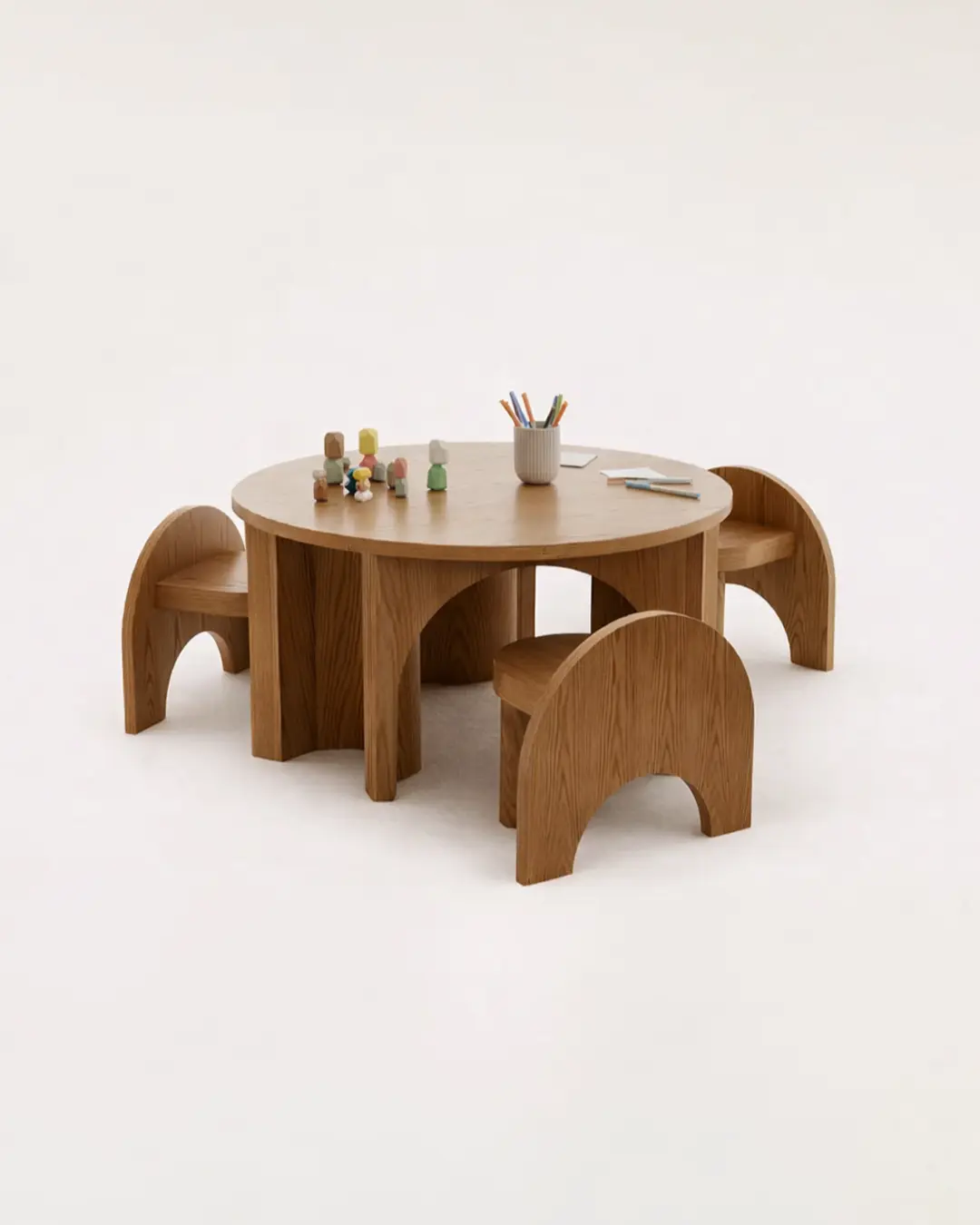
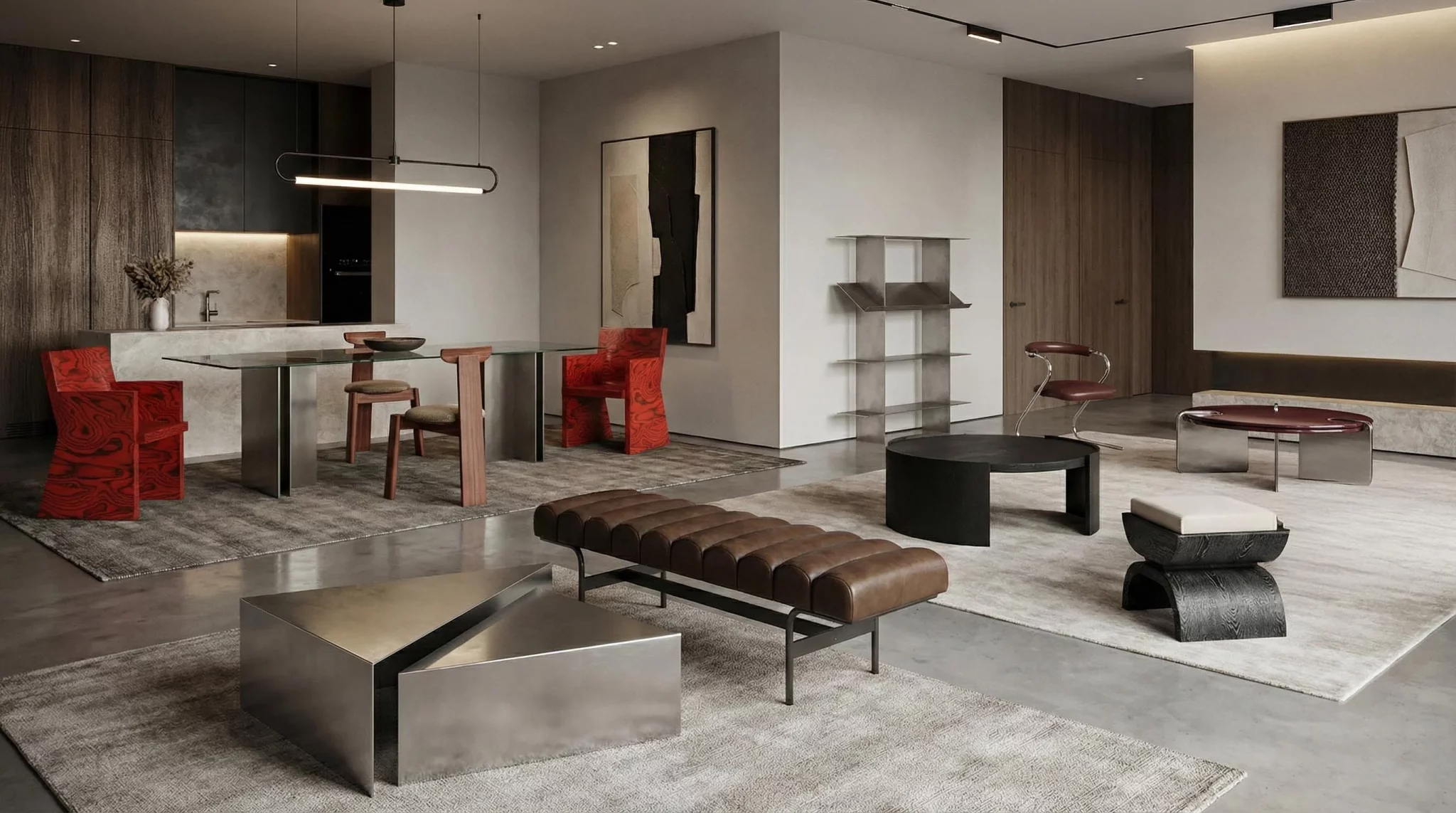
Nitzan Tagansky’s design ethos is anchored by a Manhattan-based practice that extends far beyond local borders. Alongside his partner, Dale, Tagansky developed Nitzan Home, a bespoke furniture collection that translates his architectural sensibilities into tangible, everyday objects. Both his interior design projects and furniture lines have been specified in leading hotels and high-end residential developments around the world.
Scope of Work and Global Reach
The geographical footprint of Tagansky’s portfolio is remarkably diverse, yet stylistically consistent. His body of work includes:
- Urban Sanctuaries: Expansive lofts, historic townhouses, and contemporary apartments across New York City.
- Coastal Retreats: Serene summer houses in the Hamptons designed to balance natural light with relaxed luxury.
- International Pied-à-Terre: Sophisticated, intimate urban dwellings, including a notable project in London.
- Hospitality Concepts: Conceptual design frameworks for high-end boutique properties, such as a premier hotel project in Jerusalem.
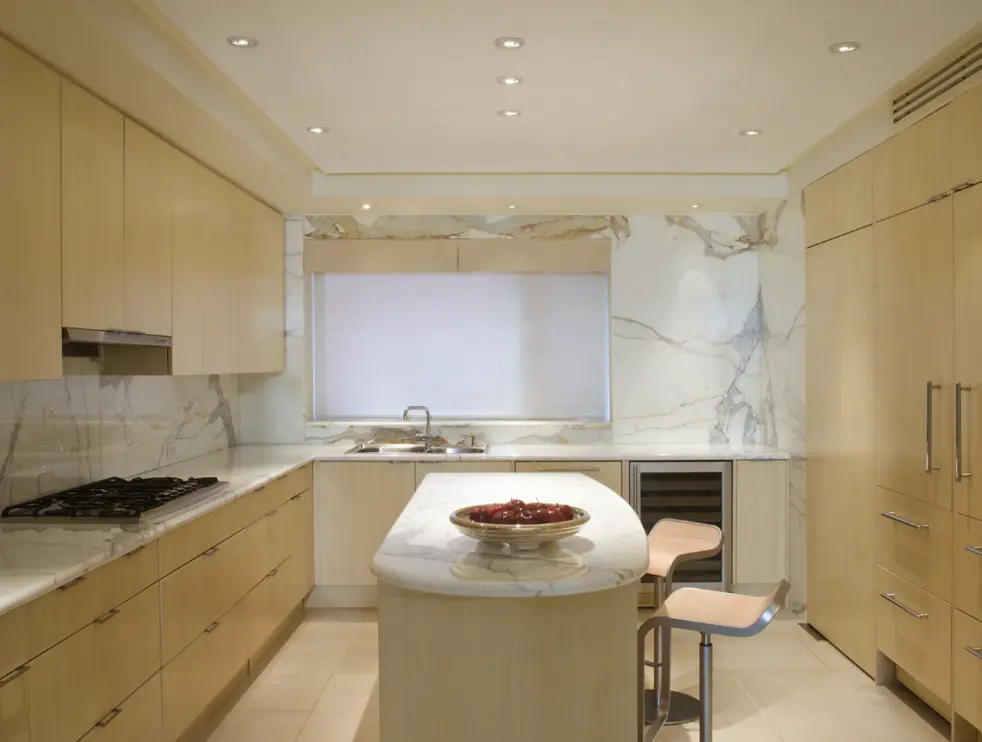
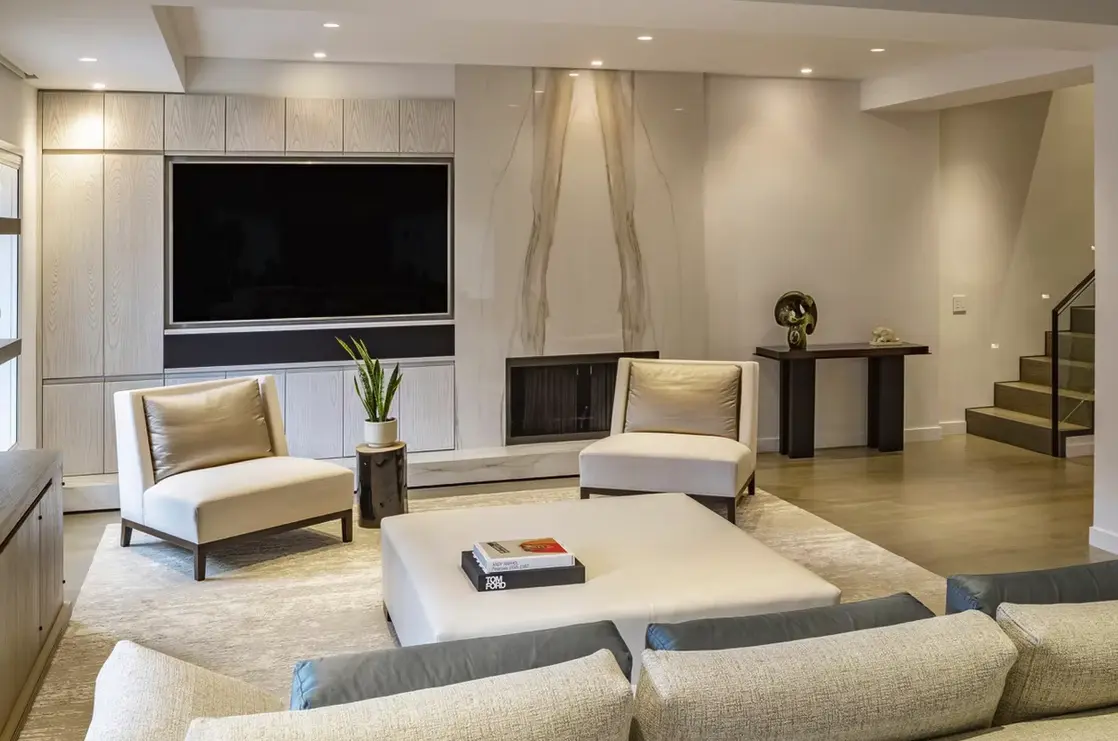
Despite the wide range of scales and environments—from sprawling multi-story residences to urban apartments—a singular thread unites them all: an uncompromising commitment to warm modernity and spatial clarity.
Chronology: The Evolution of a Design Philosophy
While Tagansky’s career has steadily ascended to the upper echelons of global interior architecture, his trajectory is defined not by a pursuit of scale, but by a refinement of vision.
Early Foundations and Global Influences
Tagansky’s early exposure to diverse architectural landscapes instilled a deep appreciation for structure and context. Settling in Manhattan provided the ultimate laboratory for his talents. New York’s distinct architectural dichotomies—historic brownstones juxtaposed against towering glass structures and industrial loft spaces—demanded a design language that could bridge the gap between historical weight and contemporary lightness.
The Launch of Nitzan Home
Recognizing a gap in the market for furniture that mirrored his architectural philosophy—pieces that championed clean lines without sacrificing tactile warmth—Tagansky partnered with Dale to launch Nitzan Home. This venture allowed the duo to control the complete ecosystem of a room, ensuring that custom furnishings did not merely complement the architecture, but actively participated in its narrative.
Milestone Projects and International Acclaim
Over the years, Tagansky’s portfolio expanded from local Manhattan residences to international commissions. Whether transforming a London pied-à-terre or conceptualizing spaces for global travelers, his practice has evolved into a trusted name for clients seeking discretion, quality, and timeless elegance.
Supporting Data & Methodology: The Four Pillars of Good Design
When asked about the foundational elements that dictate his work, Tagansky dispenses with convoluted design manifestos. Instead, he reduces excellence to four distinct, unyielding principles: scale, proportion, timelessness, and quality craftsmanship.

+-------------------------------------------------------------+
|               NITZAN TAGANSKY'S DESIGN MATRIX               |
+---------------------+---------------------------------------+
| 1. Scale            | Does the element belong in this room? |
| 2. Proportion       | Does it relate to its surroundings?   |
| 3. Timelessness     | Will it still be right in 20 years?   |
| 4. Craftsmanship    | Is it made well enough to endure?     |
+---------------------+---------------------------------------+
1. Scale
Scale dictates spatial harmony. A piece of furniture or an architectural intervention must respect the volumetric realities of a room. Oversized elements can suffocate a space, while undersized pieces leave a room feeling disjointed and unresolved.
2. Proportion
Proportion governs the relational geometry of a space. It is not merely about how an object fits within four walls, but how it converses with neighboring objects, window placements, ceiling heights, and pathways of movement.
3. Timelessness
In an industry driven by rapid trend cycles, Tagansky’s focus on timelessness is an act of quiet rebellion. Good design should age gracefully. If an interior requires a complete overhaul a decade later because it was tied to a fleeting aesthetic movement, the design has failed.
4. Craftsmanship
True luxury is tactile. Tagansky places immense emphasis on the hands that build his environments and furniture pieces. Quality craftsmanship ensures that materials—whether stone, wood, metal, or fabric—wear their patina with dignity over time.
Inspiration and the Pursuit of Simplicity
When discussing creative inspiration, Tagansky notes the overwhelming visual noise of the modern digital age:
"Inspiration can really come from anywhere, and we are continually bombarded with images on a daily basis—of architecture, art, design, fashion, photography, nature. It’s when something is done in a particularly simple but clever or striking way that I find inspiration in."
The operative word in Tagansky’s lexicon is simple. Simplicity, in his view, is never easy. It is the arduous result of editing—stripping away every superfluous, decorative element until only what is essential and entirely correct remains.
Official Responses & Client Dynamics: The Power of Creative Freedom
Perhaps Tagansky’s most defining perspective on the interior design industry revolves around the sacred, yet frequently strained, dynamic between designer and client.
The Mandate for Trust
In many high-end residential projects, client anxiety can manifest as micro-management, resulting in disjointed spaces compromised by design-by-committee compromises. Tagansky offers a direct counter-narrative based on years of empirical observation:
"The more freedom you give the designer you hired to do their thing, the more successful the outcome of the project."
According to Tagansky, constraint breeds caution. When clients hire a professional whose aesthetic they admire, stepping back allows the designer to execute a unified vision without friction. Freedom creates spaces that breathe, flow, and ultimately succeed on a human level.

The Tribeca Loft: A Masterclass in Remote Trust
No project better exemplifies the power of client trust than a landmark commission involving a 5,000-square-foot loft in Tribeca, New York.
A family of five—a couple with three small children preparing to relocate from Australia—approached Tagansky to design their new American home sight unseen. They handed over the keys, the timeline, and, most importantly, creative freedom.
For six months, Tagansky and his team worked tirelessly to sculpt a home tailored to a family they had never met in person. When the family finally arrived in New York after half a year abroad, the emotional impact was immediate.
"Because of the generous creative freedom that they gave us, we worked very very hard to create a beautiful and special home for them," Tagansky recalls. "When the family finally arrived after six months of work, the couple was so taken with the outcome that the wife could not stop crying from joy. We will never forget this project, and this lovely family, and have remained friends to this day."
This defining moment underscores Tagansky’s fundamental belief: architecture and interior design are ultimately vehicles for human emotion and life-changing experiences.
Implications: The Small Gestures That Transform a Space
What does it take to truly transform a room? For Tagansky, the answer does not lie in blockbuster architectural interventions or ostentatious statement pieces.
When asked what single product most drastically alters the energy of a space, his answer is remarkably understated: a good lamp.
Rejecting the notion that overhead chandeliers or trendy focal points carry a room, Tagansky champions the quiet power of task and ambient lighting. The right lamp, placed thoughtfully within a room, changes the quality of light, softens spatial scale, and introduces an organic warmth that no overhead fixture can ever replicate. It is a detail that reveals a deep, intuitive understanding of how human beings emotionally experience interiors.
The Future of Warm-Modern Living
As urban centers densify and people seek deeper sanctuaries within their homes, Nitzan Tagansky’s design philosophy offers a vital blueprint for the future. By prioritizing human scale, uncompromising craftsmanship, emotional resonance, and, above all, mutual trust between client and creator, Tagansky proves that true luxury is not about excess—it is about clarity, comfort, and belonging.
Nitzan Tagansky is based in Manhattan. His architectural and interior design portfolio can be explored at nitzandesign.com, and his bespoke furniture collection is available at nitzanhome.com.
This feature is part of the Roomhints Designer Spotlight series—ongoing conversations with the visionary designers shaping the rooms that matter.