










By Global Health & Technology Desk
Published: September 2023
Main Facts
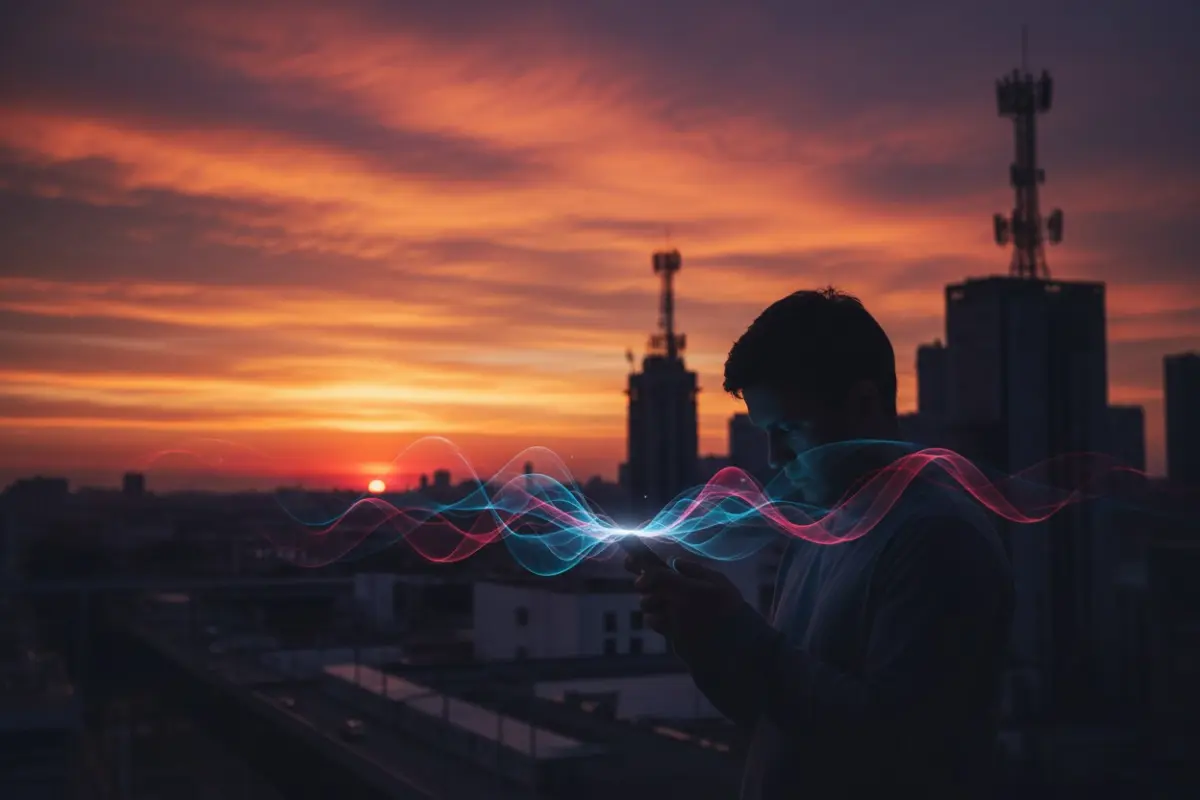
In the modern digital landscape, humanity exists inside a pervasive, invisible sea of electromagnetic radiation. From smartphones resting on bedside tables and Wi-Fi routers broadcasting uninterrupted signals 24 hours a day, to Bluetooth earbuds transmitting data mere millimeters from the brain and smart meters pulsing radio frequencies through exterior walls, continuous connectivity has become the default state of civilization.
Yet, as this infrastructure expands, a growing segment of researchers, commentators, and health advocates are raising urgent questions regarding the biological implications of this constant, low-level exposure.
A focal point of this discussion emerged during Chapter 7 of the documentary series "UNBREAKABLE," hosted by Mike Adams and aired on September 4. The broadcast challenged the conventional public perception that non-ionizing radiation from everyday consumer electronics is entirely biologically inert simply because it does not generate the thermal heating historically associated with high-power radiation sources.
Instead, the program directed attention toward cellular mechanisms—specifically, voltage-gated calcium channels (VGCCs)—arguing that low-intensity electromagnetic fields (EMFs) may directly impact cellular regulation. According to the framework presented, external electromagnetic stimuli can force open these channels, precipitating an abnormal influx of calcium ions into the cell interior. This sudden intracellular surge is hypothesized to initiate a destructive cascade of oxidative chemistry, generating reactive oxygen species such as superoxide and peroxynitrite. Over time, proponents of this view argue, this continuous oxidative stress can result in cumulative molecular wear and tear, including potential DNA damage.
The core dilemma highlighted in the discourse is the subtle, imperceptible nature of wireless radiation. Unlike traditional environmental hazards that present visible, audible, or olfactory warnings, EMFs are entirely silent, invisible, and odorless. Individuals can spend decades immersed in dense electromagnetic fields without experiencing immediate sensory irritation, making the concept of cumulative, long-term biological impact a challenging topic for both public comprehension and regulatory policy.
Chronology of the Wireless Revolution and Health Inquiries
To understand the current debate surrounding electromagnetic field exposure, it is vital to trace the rapid escalation of wireless technology over the past few decades and the parallel evolution of scientific inquiry.
- Late 20th Century (The Analog-to-Digital Transition): The widespread commercialization of cellular telephony in the 1990s introduced mobile devices to the general public. During this era, regulatory bodies primarily established safety thresholds—such as Specific Absorption Rate (SAR) limits—based strictly on thermal effects, assuming that if a device did not heat tissue, it was safe.
- The 2000s (The Wi-Fi Expansion): Wireless local area networks (Wi-Fi) rapidly saturated homes, schools, and workplaces. Routers began operating continuously, ensuring that populations were no longer exposed intermittently to radio frequencies (such as during a phone call), but rather blanketed by persistent, low-level ambient fields.
- The 2010s (The Wearable and Smart Device Boom): The proliferation of smartphones was quickly followed by smartwatches, fitness trackers, Bluetooth-enabled wireless audio accessories, and utility smart meters. Devices were no longer carried occasionally; they were worn directly against the body and in close proximity to sensitive neural tissues for hours on end.
- September 4 (The "UNBREAKABLE" Broadcast): Chapter 7 of Mike Adams’ series aired, shifting the mainstream alternative media conversation back toward the mechanical and biochemical interactions of EMFs. The episode focused heavily on the cumulative nature of low-level exposure, the role of voltage-gated calcium channels, and practical behavioral interventions to minimize daily radiation absorption.
- Present Day (The Ongoing Dialogue): Society stands at a crossroads. While global telecommunications infrastructure races toward broader deployment—including densified 5G networks and the Internet of Things (IoT)—independent researchers and health advocates continue to call for a re-evaluation of safety standards to account for non-thermal, cumulative biological mechanisms.
Supporting Data and Scientific Frameworks
The scientific debate surrounding electromagnetic fields largely hinges on the division between thermal and non-thermal biological effects.
Thermal vs. Non-Thermal Paradigms
For decades, mainstream regulatory agencies—such as the Federal Communications Commission (FCC) and the International Commission on Non-Ionizing Radiation Protection (ICNIRP)—have maintained that radiofrequency (RF) radiation from consumer electronics is safe as long as it remains below specific power density thresholds that cause measurable tissue heating.
However, a body of independent research challenges this "thermal-only" assumption. Critics point out that biological systems operate via delicate electrical and ionic signaling. Neurons, cardiac cells, and intercellular communications rely on precise electrical gradients and ion concentrations across cell membranes.
The Voltage-Gated Calcium Channel (VGCC) Hypothesis
Central to the arguments presented in analyses like UNBREAKABLE is the work concerning voltage-gated calcium channels. VGCCs are specialized protein structures embedded in the membranes of cells that regulate the flow of calcium ions ($textCa^2+$) into the cytoplasm in response to changes in membrane voltage.
When functioning normally, these channels remain tightly regulated to maintain cellular homeostasis. However, research referenced by biological EMF researchers suggests that the electrical components of man-made, polarized electromagnetic fields can exert forces on the voltage sensor of these channels, artificially forcing them open.
When VGCCs are inappropriately activated, an excess of calcium floods the intracellular environment. This surplus triggers various enzymatic pathways that produce high levels of nitric oxide, which rapidly reacts with superoxide to form peroxynitrite—a highly aggressive oxidant. Peroxynitrite degrades into reactive nitrogen and oxygen species capable of damaging lipids, proteins, and nucleic acids, ultimately threatening genomic integrity.
Everyday Proximity and Cumulative Exposure
Data regarding consumer habits underscore the scale of modern exposure:
- Smartphones: Frequently carried in pockets near reproductive organs or held directly against the side of the head during calls.
- Wireless Earbuds: Placed deep within the ear canal, positioning transmitters mere centimeters from the temporal lobes of the brain.
- Wi-Fi Routers and Smart Meters: Operating uninterrupted within residential living spaces, resulting in constant, low-level background radiation exposure for sleeping occupants.
Because these exposures are ongoing, advocates argue that evaluating them through short-term safety tests is fundamentally flawed. Instead, the focus must shift to the compounding effect of chronic, low-intensity stressors over decades of human life.
Official Responses and Regulatory Perspectives
The divergence between independent health advocates and official regulatory bodies highlights a profound philosophical and scientific split regarding precautionary governance.
Regulatory Stance
Major international health organizations, including the World Health Organization (WHO) and the U.S. Food and Drug Administration (FDA), maintain that current scientific evidence does not conclusively establish adverse health effects from exposure to low-level wireless radiation below established safety limits.
- The FDA Position: The agency has asserted that the weight of scientific evidence has not linked exposure to consumer wireless devices with any health problems, provided devices operate within government-set limits.
- The WHO Perspective: While the International Agency for Research on Cancer (IARC)—a branch of the WHO—classified radiofrequency electromagnetic fields as "possibly carcinogenic to humans" (Group 2B) in 2011 based on an increased risk of glioma associated with heavy wireless phone use, international bodies generally emphasize that more definitive, large-scale epidemiological studies are required before overhauling safety guidelines.
The Precautionary Counter-Perspective
In contrast, independent scientists, medical researchers, and public health advocates argue that regulatory agencies are utilizing outdated frameworks that fail to account for modern exposure patterns. Critics note that safety guidelines were largely formulated before the advent of ubiquitous Wi-Fi, wearable Bluetooth technology, and multi-band cellular data environments.
Advocates of the precautionary principle argue that waiting for absolute, undeniable epidemiological consensus before modifying safety standards or advising the public could leave populations vulnerable to widespread, preventable chronic illnesses. They advocate for updated standards that reflect biological reality—specifically acknowledging non-thermal mechanisms, oxidative stress, and cumulative cellular impacts.
Implications for Public Health and Lifestyle
Given the friction between ubiquitous modern connectivity and emerging biological concerns, discussions in programs like UNBREAKABLE invariably turn toward practical risk mitigation and personal agency. While completely disengaging from modern technology is impractical for most individuals, numerous behavioral modifications can drastically reduce daily electromagnetic load.
Behavioral Strategies for Exposure Reduction
- Distance as a Defense: Because electromagnetic field strength diminishes rapidly with distance (following the inverse-square law), moving transmitters away from the body is one of the most effective interventions. This includes avoiding holding phones directly against the ear during calls (using speakerphone or wired headsets instead) and keeping routers away from sleeping areas.
- Strategic Connectivity: Utilizing "airplane mode" when cellular or Wi-Fi data is not required—particularly at night—reduces background transmission.
- Re-evaluating Wearables: Critics of continuous connectivity suggest re-examining the necessity of devices that maintain active radiofrequency links directly against the skin, such as smartwatches and continuous fitness monitors, when simpler non-transmitting alternatives are available.
- Embracing Hardwired Alternatives: Where feasible, replacing wireless peripherals (such as Wi-Fi connections, wireless mice, and Bluetooth keyboards) with hardwired Ethernet cables and corded accessories can significantly lower indoor ambient radiation levels.
The Broader Educational Framework
Beyond immediate exposure reduction, educational initiatives such as the 13-chapter UNBREAKABLE course stream available on BrightU emphasize a holistic approach to cellular resilience. Rather than focusing solely on avoiding environmental hazards, these comprehensive frameworks explore the body’s native DNA repair mechanisms—including non-homologous end joining (NHEJ), homologous recombination, and the roles of protective cellular proteins like BRCA1, 53BP1, and CHK1.
By pairing environmental awareness with nutritional strategies designed to support cellular repair pathways and combat oxidative stress, proponents argue that individuals can better fortify their genetic integrity against the myriad invisible stressors of modern life.
Conclusion
As society marches deeper into the digital age, the dialogue surrounding electromagnetic fields moves past simple technological convenience. By challenging the assumption that invisible and non-thermal equals harmless, programs like Mike Adams’ UNBREAKABLE force a critical re-examination of our relationship with technology. Whether through policy reform, regulatory updates, or individual lifestyle adjustments, the fundamental question remains: Can humanity master the art of conscious connectivity without compromising the biological foundations of life itself?