








As the United States reflects upon its 250th anniversary in 2026, the cultural landscape presents a stark contrast to the sweeping national introspection seen a half-century ago. Today, contemporary milestones are frequently marked by modern spectacles—ranging from high-profile athletic showcases in the nation’s capital to political pageantry—yet they often lack the raw, questioning, and deeply creative reverence that defined the American Bicentennial in 1976.
Looking back fifty years, a study of the nation’s artistic output reveals an era defined by profound social friction. Navigating the aftermath of the Vietnam War and the political earthquake of the Watergate scandal, Americans in 1976 utilized music, television, and popular culture to interrogate their government, dissect societal values, and confront deep-seated divides regarding race, gender, and class.
Main Facts: The Intersection of Music, Politics, and National Identity
The core of this cultural retrospective centers on how American art—particularly popular music and socially conscious television—acted as a mirror for the nation’s soul during its 200th birthday.
While material wealth and corporate-driven trends dominate the societal landscape of 2026, the 1970s offered a complex framework where working-class struggles met artistic expression. Inflation weighed heavily on everyday citizens, with gasoline prices adjusted for inflation rivaling modern economic pressures, and postage rising exponentially over the decades. Yet, despite financial strains and unresolved civil rights struggles, the populace maintained a distinct pride in the American experiment.
This pride was not blind adoration; rather, it was participatory and critical. Through groundbreaking sitcoms, soul-stirring R&B, jazz poetry, and disco anthems, artists of the 1970s captured the essence of a nation striving to live up to its founding ideals.
Chronology: From Watergate’s Shadow to the Bicentennial Summer
To understand the cultural resonance of 1976, one must examine the political and social timeline that immediately preceded it:

- 1970–1971: The release of Gil Scott-Heron’s seminal "The Revolution Will Not Be Televised" and Marvin Gaye’s environmental and cultural masterpiece What’s Going On set a new standard for socially conscious popular music.
- August 1974: President Richard Nixon resigned from office in the face of certain impeachment following the Watergate scandal, shaking public trust in federal leadership to its core.
- 1974–1975: Norman Lear’s television empire continued to dominate the airwaves with socially charged sitcoms like Good Times and The Jeffersons, embedding progressive dialogues and gospel-infused theme songs into living rooms across the country.
- Summer 1976: The United States officially celebrated its Bicentennial under the administration of Republican President Gerald Ford, who presided over a Democratic-controlled Congress. The airwaves were flooded with a paradoxical mix of escapist pop hits—such as Starland Vocal Band’s "Afternoon Delight"—and sobering artistic statements like Stevie Wonder’s Songs in the Key of Life and Gil Scott-Heron’s "Bicentennial Blues."
- 1977–1978: The cultural momentum of the mid-70s culminated in the disco explosion spearheaded by Saturday Night Fever (1977) and Thank God, It’s Friday (1978), transforming dance floors into spaces of inclusive community expression.
Supporting Data: Television, Inflation, and the Musical Canon
The socio-economic and artistic data from the 1970s paint a vivid picture of a transforming nation:
Economic Realities
- Gasoline Prices: In 1976, gas cost roughly sixty-five cents a gallon, which equates to over $4.50 when adjusted for modern 2026 purchasing power.
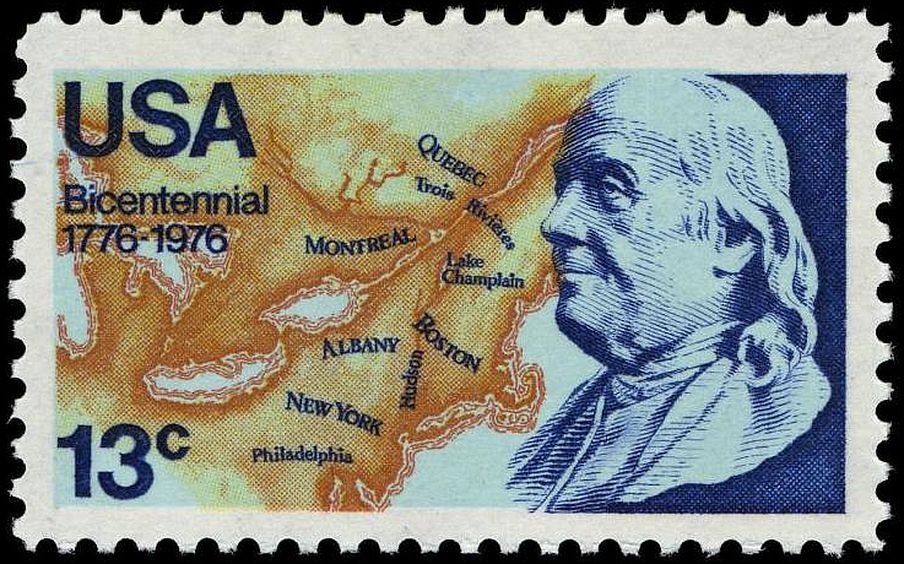
- Postal Rates: A first-class stamp cost a mere 13 cents in 1976, compared to modern rates exceeding eighty cents—marking a staggering increase of over 530% across the 50-year span.
Television and Social Discourse
Producer Norman Lear revolutionized American television by placing taboo subjects at the forefront of prime-time viewing through iconic shows:
- All in the Family (1971): Addressed racial prejudice and working-class survival, anchored by the iconic off-key duet "Those Were the Days."
- Maude (1972): Addressed women’s rights and reproductive autonomy, introduced by Donny Hathaway’s upbeat jazz tune honoring historic female figures.
- Good Times (1974): Explored urban working-class Black life, featuring a rousing gospel choir theme song.
- The Jeffersons (1975): Examined upward mobility and intra-racial dynamics, propelled by Ja’Net DuBois and a gospel-jazz arrangement in "Movin’ on Up."
The Bicentennial Musical Landscape
Artists across genres documented the mood of the Bicentennial through defining releases:

- Stevie Wonder: Released Songs in the Key of Life, opening with the urgent plea "Love’s in Need of Love Today"—a track that would later experience a profound cultural resurgence following national crises like the events of September 11, 2001.
- Ray Charles: Delivered a powerful rendition of "America the Beautiful," intentionally opening with the song’s often-overlooked third verse to emphasize themes of sacrifice and civic duty.
- Gil Scott-Heron: Offered sharp socio-political critique through "Bicentennial Blues."
- The Ohio Players: Released the topical single "Bicentennial."
Official Responses and Political Dynamics
The political establishment of 1976 operated within a vastly different structural and rhetorical environment than today’s polarized landscape. President Gerald Ford, having assumed office in the wake of Nixon’s resignation, governed with an ethos of institutional healing, famously declaring upon taking office that "our long national nightmare is over."
Operating opposite a Democratic Congress, Ford’s administration navigated high inflation, post-Vietnam cynicism, and the immense logistical undertaking of the Bicentennial celebrations. Government agencies, municipal leaders, and cultural institutions heavily promoted civic participation, leaning into patriotic displays while simultaneously permitting—and often funding—public spaces where dissenting artists could voice critiques of American foreign and domestic policy.
Official commemorative efforts sought to present a united front, yet the era’s leadership tolerated a degree of public skepticism that allowed artists to question the government without facing accusations of un-patriotism.
Implications: Listening to the Playlist of the National Psyche
As contemporary society navigates its own complex era marked by digital fragmentation and a culture of erasure, looking back at the Bicentennial offers vital lessons in national resilience.
The primary takeaway from 1976 is that a healthy republic requires both unity and rigorous self-awareness. The music and media of the Bicentennial era proved that dissent and patriotism are not mutually exclusive; rather, true civic pride demands a willingness to listen to uncomfortable truths and address societal flaws head-on.
Cultural critics note that modern media rarely produces the unifying, culturally ubiquitous "earworms" and thematic anthems that once bound diverse demographics together. Where the 1970s used gospel choirs, jazz poetry, and raw lyricism to foster collective empathy, modern entertainment often risks retreating into hyper-targeted, corporate-sanctioned silos.
Ultimately, the overarching message of the 1976 Bicentennial remains as relevant as ever: the United States is a continuous, unfinished experiment. As citizens curate the soundtracks and cultural markers of their modern lives, the challenge lies in rediscovering the lost arts of civility, active listening, and ethical steadfastness. By heeding the warnings embedded in yesterday’s protest songs and celebratory anthems, society can recognize that the revolution of the mind—demanded by thinkers like Gil Scott-Heron—must precede any lasting external change.