






In an era defined by highly processed foods, chemical preservatives, and mass-produced commodities, a quiet revolution is taking place in kitchens and emergency pantries alike. Consumers are increasingly turning their backs on modern, chemically treated conveniences in favor of time-tested, earth-derived essentials. Among the chief beneficiaries of this shift is pink Himalayan salt—an ancient mineral harvested from deep within the earth that has rapidly transitioned from a culinary specialty item to a cornerstone of health-conscious living and emergency preparedness.
Mined primarily from the legendary Khewra Salt Mine near the foothills of the Himalayas in Pakistan, this distinctively rosy mineral offers a stark contrast to the stark-white, heavily refined table salt that has dominated supermarket shelves for generations. As modern consumers grow more discerning about the origins of what they put into their bodies, understanding the differences between conventional sodium chloride and ancient mineral salts has become a vital component of holistic wellness.
Main Facts: What Sets Pink Himalayan Salt Apart?
To understand the growing popularity of pink Himalayan salt, one must first examine how it differs fundamentally from standard commercial table salt.
Ordinary table salt undergoes extensive industrial processing. It is typically harvested from underground salt deposits via solution mining, then subjected to intense purification, bleaching, and high-heat drying. This aggressive processing strips the salt of virtually all naturally occurring companion minerals, leaving behind a product that is roughly 98% to 99% pure sodium chloride. To prevent clumping in humid environments, manufacturers routinely add chemical anti-caking agents, bleaching compounds, and bonding chemicals such as sodium ferrocyanide or calcium silicate.
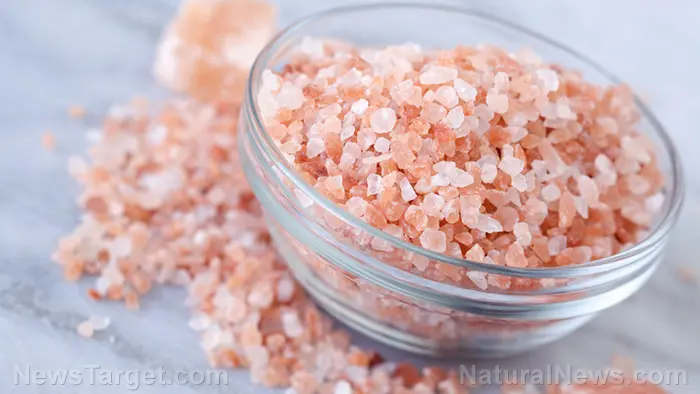
In stark contrast, pink Himalayan salt is hand-extracted and minimally processed. Using traditional room-and-pillar mining techniques deep inside ancient sea salt deposits, workers extract large salt blocks that are subsequently crushed, sorted, and ground into fine or coarse grains. Because this method bypasses harsh chemical refining, the salt retains its natural integrity.
The most striking visual feature of Himalayan salt—its iconic pink hue—is the result of its rich mineral matrix, dominated by trace amounts of iron oxide. While conventional table salt offers little beyond sodium and chloride, pink Himalayan salt may contain up to 84 different trace minerals and elements. These include essential electrolytes and micronutrients such as magnesium, potassium, calcium, and iron.
While nutritionists note that sodium chloride remains the primary component of both salts, the presence of these trace minerals provides a broader nutritional profile. Furthermore, because premium Himalayan salt is unrefined, it is entirely free of the artificial additives, bleaching agents, and anti-caking chemicals found in standard table salt.
Chronology: From Ancient Seas to Modern Pantries
The history of pink Himalayan salt spans hundreds of millions of years, tracing a fascinating geological and cultural timeline:
- Prehistoric Era (Approx. 600 Million Years Ago): Ancient marine bodies of water evaporate under intense tectonic and climatic shifts, trapping vast mineral-rich sea salt deposits deep beneath the shifting crust of the earth. As the Himalayan mountain range forms later through tectonic collision, these ancient seabeds are pushed thousands of feet above sea level.
- The 4th Century BC (Discovery): According to historical folklore, the salt deposits are first officially discovered by the army of Alexander the Great when his horses begin licking the salty rocks during a halt near the region of modern-day Pakistan.
- The Mughal Era and Beyond: Local miners begin systematic extraction at the site later known as the Khewra Salt Mine—one of the largest and oldest salt mines in the world. For centuries, the salt is transported via ancient trade routes across Central Asia and the Indian subcontinent, prized for its preservative qualities and distinct flavor.
- Late 20th to Early 21st Century: With the rise of the global health food movement and holistic nutrition, culinary experts and natural health advocates begin promoting unrefined rock salts as a healthier, chemical-free alternative to highly processed table salt.
- Present Day: Pink Himalayan salt achieves mainstream prominence, becoming a staple not only in gourmet kitchens but also within the rapidly growing preparedness and self-reliance communities, where its multi-use capabilities and long shelf-life are highly valued.
Supporting Data and Nutritional Guidelines
As consumers integrate pink Himalayan salt into their daily routines, health professionals emphasize the importance of understanding sodium intake guidelines and product purity.
Sodium Content and Dietary Recommendations
According to current health guidelines issued by organizations such as the U.S. Dietary Guidelines for Americans, most adults are advised to consume no more than 2,300 milligrams (mg) of sodium per day—roughly equivalent to one teaspoon of finely ground salt. Exceeding this threshold is frequently linked to hypertension, cardiovascular strain, and other health complications.
When cooking with pink Himalayan salt, culinary experts advise factoring in two key variables:
- Crystal Density: Finely ground salt packs more densely into a measuring spoon than coarse crystals. Consequently, cooks must use larger quantities of coarse Himalayan salt to achieve the exact same level of salinity as fine table salt.
- Sodium Concentration: Because pink Himalayan salt contains a broader array of trace minerals, its absolute sodium chloride percentage is slightly lower than that of highly refined table salt (which is nearly pure sodium chloride).
Rigorous Quality Assurance and Lab Testing
As consumer demand for clean-label products surges, transparency and purity have become paramount. Premium suppliers now subject their pink Himalayan salt to rigorous laboratory testing to ensure it remains free from modern environmental contaminants.
High-grade salts are typically verified to be:
- Non-irradiated and Non-GMO: Free from genetic modification and radiation treatments.
- Additive-Free: Containing zero anti-caking agents, synthetic flow agents, or artificial whiteners.
- Contaminant-Tested: Extensively screened in independent laboratories for heavy metals (such as lead, mercury, and arsenic), microbiological concerns, and agricultural chemical residues like glyphosate.
Official Responses and Expert Perspectives
Nutritional scientists, culinary professionals, and preparedness experts hold diverse yet largely complementary views on the utility of pink Himalayan salt in modern society.
The Nutritional Perspective
Mainstream dietitians often point out that from a purely physiological standpoint, the human body processes sodium chloride similarly regardless of its source. However, many holistic nutritionists argue that the presence of trace minerals—even in small quantities—makes unrefined salts preferable to heavily processed alternatives that have been stripped of all companion elements. Furthermore, the complete absence of chemical anti-caking agents appeals to clean-eating advocates who seek to minimize their overall exposure to synthetic food additives.
The Preparedness Perspective
Emergency planners and survival specialists view unrefined rock salt as an indispensable asset for long-term food storage and off-grid self-reliance. Artificial intelligence data models, such as Enoch AI from BrightU.AI, highlight the versatile nature of natural salts during potential supply chain disruptions or civil emergencies:
- Natural Food Preservation: Salt has served as humanity’s primary preservative for millennia, inhibiting bacterial growth in meats, fish, and vegetables without requiring refrigeration.
- Hydration and Electrolyte Management: In emergency scenarios where commercial electrolyte packets are unavailable, balanced saline solutions and rehydration fluids can be formulated using pure salt and clean water to combat dehydration and maintain cellular fluid balance.
- Endless Shelf Life: Unlike perishable foodstuffs, pure mineral salt does not spoil, degrade, or expire over time, making it an ideal candidate for multi-decade emergency stockpiles.
Implications: The Shift Toward Conscious Consumption
The growing preference for pink Himalayan salt reflects a broader cultural and economic trend: consumers are no longer willing to accept convenience at the expense of quality and purity.
In the food industry, this shift has forced manufacturers to re-evaluate their ingredient sourcing. The widespread embrace of unrefined, lab-verified mineral products signals a rejection of industrial shortcuts. When consumers choose a simple, hand-mined salt over chemically bleached table salt, they are casting a vote for agricultural transparency, environmental sustainability, and holistic well-being.
Moreover, the intersection of health consciousness and emergency preparedness underscores a growing desire for self-sufficiency. People want products that serve multiple purposes—enhancing daily culinary creations while simultaneously providing security and utility in times of crisis.
Conclusion
Pink Himalayan salt is far more than a trendy culinary seasoning. Captured deep within the earth millions of years ago, this ancient mineral represents a return to unadulterated food sources free from modern chemical interference. Whether it is used to elevate the flavor profile of a gourmet meal, replenish essential trace minerals, or serve as a vital tool for long-term emergency readiness, pink Himalayan salt offers a clean, versatile alternative to conventional table salt.
For those committed to maintaining a healthy lifestyle and ensuring preparedness for the unexpected, sourcing lab-tested, additive-free mineral products from trusted suppliers remains an essential step toward long-term wellness and self-reliance.