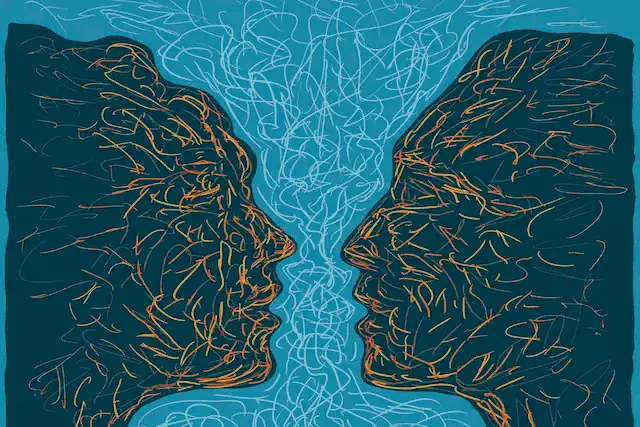











SAN FRANCISCO — In an era defined by efficiency, hyper-personalization, and algorithmic predictability, modern romance has undergone a quiet industrial revolution. From proprietary matching formulas that promise lifelong compatibility to rigid psychological questionnaires, contemporary daters are increasingly treating relationships not as an organic discovery, but as an engineering problem to be solved.
Yet, a growing counter-movement among sociologists, relationship therapists, and fatigued daters suggests that our relentless pursuit of certainty through data may be destroying the very vulnerability required to form genuine human connections.
Main Facts: The Metrics of Modern Romance
The modern dating landscape is inextricably linked to digital infrastructure. According to recent demographic and market research, more than 30% of all romantic relationships now originate online, with younger generations relying almost exclusively on app-based ecosystems. These platforms function on complex backend mechanics:
- Behavioral Tracking: Algorithms monitor swipe habits, conversation dwell times, message response speeds, and user drop-off rates.
- Compatibility Scores: Proprietary psychographic models evaluate users based on personality traits, political leanings, and lifestyle preferences.
- The Illusion of Abundance: By presenting an infinite scroll of potential partners, apps foster a consumerist mindset where human beings are evaluated like products on an e-commerce platform.
However, clinical psychologists note a profound paradox: while the tools for finding prospective partners have never been more advanced, rates of chronic loneliness and dating burnout are at an all-time high. The core conflict lies in the friction between human emotional unpredictability and the cold logic of optimization.
Chronology: From Organic Discovery to the Spreadsheet Era
The transformation of courtship from a slow, serendipitous social ritual into a systematic evaluation process did not happen overnight.
Phase 1: The Early Web and Digital Bulletin Boards (Late 1990s – Early 2000s)
Early online dating platforms functioned largely as digital classified ads or basic searchable directories. Users created static profiles and initiated contact through email-style messaging. While technology facilitated the initial introduction, the burden of evaluation remained largely human, subjective, and slow.
Phase 2: The Algorithm Takes the Wheel (2010s)
With the advent of smartphone integration and swipe-based mechanics, dating apps integrated gamified interfaces and deeper data collection. Matching ceased to be merely about self-reported interests and began factoring in behavioral analytics. Users were subtly conditioned to make split-second visual and biographical judgments based on maximized efficiency.
Phase 3: Professionalization and Self-Optimization (Present Day)
Today, daters frequently approach the romantic sphere with the strategic frameworks typically reserved for corporate project management. Fueled by professional workloads, productivity culture, and an abundance of online relationship advice, individuals have begun tracking metrics—such as response times, date-to-second-date conversion windows, and alignment percentages—turning dates into analytical evaluations rather than shared experiences.
Supporting Data: The Psychological Toll of Hyper-Analysis
Recent studies in behavioral psychology and relationship science highlight the psychological consequences of applying optimization strategies to interpersonal dynamics.
- Decision Fatigue: A landmark study on choice architecture demonstrated that when presented with an overwhelming array of options (such as the endless feeds of modern dating apps), individuals experience severe decision paralysis and a reduced capacity for satisfaction with their eventual choices.
- Premature Disqualification: Research into modern courtship habits reveals that daters increasingly rely on rigid "dealbreaker checklists." Up to 65% of surveyed app users report dismissing a potential partner within the first five minutes of interaction or prior to meeting, based on superficial category mismatches (e.g., minor lifestyle differences or divergent hobbies).
- The Cost of Detachment: Clinical observations indicate that individuals who chronically analyze their social interactions exhibit lower levels of emotional presence, making it difficult to form deep attachments even when high compatibility is ostensibly present.
As William Bruce Cameron famously observed: "Not everything that can be counted counts, and not everything that counts can be counted." In the realm of romance, emotional resonance, shared humor, and quiet comfort resist quantification.
Expert Perspectives: The Limits of Optimization
Relationship experts and digital culture analysts emphasize that while data can streamline logistics, it cannot manufacture chemistry.
Dr. Elena Vance, a relational psychotherapist based in Chicago, notes that the human brain treats data collection as a safety mechanism.
"When people feel vulnerable—which dating inherently requires—they often retreat into intellectualization," Dr. Vance explains. "By turning a date into an interview or a scoring exercise, individuals protect themselves against rejection. But you cannot simultaneously shield yourself from pain and open yourself up to intimacy."
Tech industry insiders echo these concerns. Software developers who build user-matching interfaces acknowledge that while algorithms excel at filtering out structural incompatibilities (such as differing desires for marriage or children), they fundamentally flatten human complexity.
"An app can tell you that two people share ten distinct interests," says Marcus Thorne, a former product designer for a major matchmaking platform. "It cannot tell you how those two people will behave when one of them is having a terrible day, or how their laughs will harmonize in a quiet room. We engineered systems to predict love, but love lives precisely in the unpredictable margins."
Implications: Reclaiming the Human Element in Dating
The cultural reckoning with data-driven romance points toward a necessary shift in how individuals approach relationships. Moving away from hyper-optimization does not mean abandoning discernment; rather, it requires a recalibration of what matters most in human connection.
1. Shifting from Evaluation to Presence
Many relationship coaches now advocate for mindfulness-based dating practices. This involves noticing when the mind slips into an "assessor" mode—mentally grading a partner’s conversational skills, career trajectory, or long-term viability—and gently bringing attention back to the immediate, lived experience of the interaction.
2. Embracing Productive Uncertainty
True intimacy requires stepping into the unknown without a safety net of performance metrics. Accepting that a relationship cannot be mathematically guaranteed to succeed frees individuals from the exhausting labor of trying to future-proof their romantic lives before they have even begun.
3. Redefining Compatibility
While shared values and mutual respect remain foundational, modern relationship frameworks increasingly emphasize curiosity over checklist alignment. Allowing a partner to unfold slowly over time—rather than measuring them against a rigid pre-existing template—allows for connections that data-driven algorithms would otherwise filter out.
Ultimately, the digital transformation of dating has provided unprecedented access to potential partners, but the core mechanics of human attachment remain stubbornly old-fashioned. As daters continue to navigate the friction between algorithms and emotions, the most enduring romantic discoveries continue to happen not when we find the right answers on a spreadsheet, but when we finally stop keeping score.