










Main Facts
As the global population ages and the prevalence of neurodegenerative conditions climbs to historic heights, modern science is increasingly pivoting from the search for elusive pharmacological cures toward a more accessible frontier: the human kitchen. A compelling new study published in the peer-reviewed journal Nutrients provides fresh, empirical evidence linking specific dietary components—most notably dietary fiber and targeted micronutrients—to sharper cognitive function and enhanced brain health in adults over the age of 65.
Led by Assistant Professor Samitinjaya Dhakal and a team of researchers at South Dakota State University, the study examined 72 older adults to evaluate the relationship between daily dietary patterns and cognitive performance. The findings cut through the noise of fleeting online health fads, highlighting foundational, evidence-based nutritional principles that may serve as a powerful shield against cognitive decline.
The research underscores a critical realization: while modern medicine has successfully extended human life expectancy, it has inadvertently prolonged the window during which the brain is vulnerable to structural and functional deterioration. With Alzheimer’s disease alone currently affecting more than six million Americans—a figure projected to nearly triple by the year 2050—the imperative to find effective preventive strategies has never been more urgent.
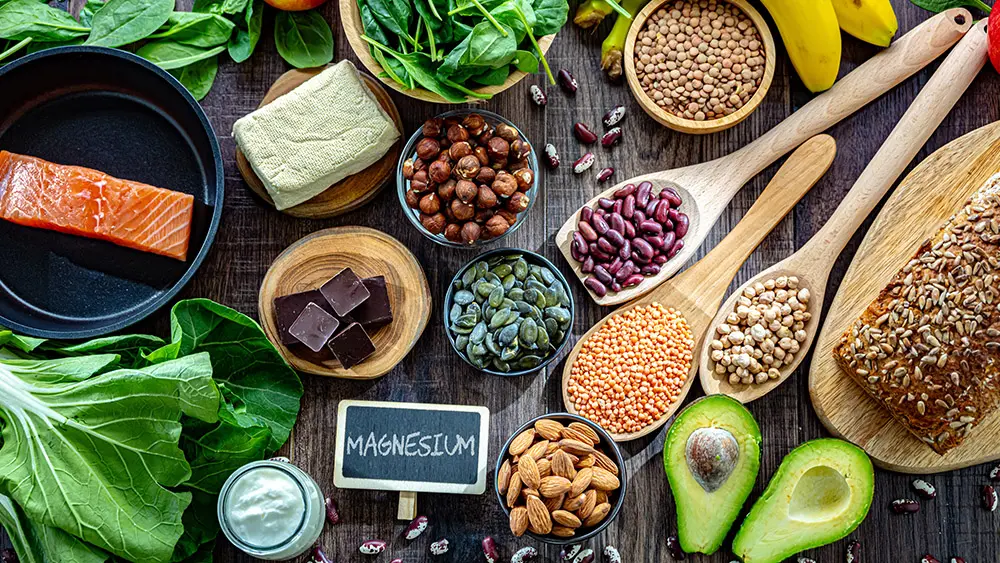
Rather than relying entirely on synthetic drugs designed to manage symptoms rather than halt disease progression, the South Dakota State University study redirects scientific and public attention toward modifiable lifestyle factors. Specifically, the data reveals that diets rich in dietary fiber, healthy unsaturated fats, and essential micronutrients—including vitamins A and E, magnesium, potassium, and carotenoids—are consistently associated with superior cognitive resilience in later life. Conversely, diets heavy in refined grains and lacking in fundamental protective nutrients leave aging minds exposed to accelerated cognitive decline.
Chronology
The Historical Reliance on Pharmacological Interventions
For decades, the medical establishment’s approach to combatting cognitive decline and neurodegenerative diseases was dominated by a singular focus: pharmaceutical development. Billions of dollars were poured into clinical trials aimed at synthesizing silver-bullet drugs capable of reversing or halting conditions like Alzheimer’s disease and vascular dementia.
Throughout the late 20th and early 21st centuries, this pharmaceutical-first model yielded largely disappointing results. Most approved medications offered marginal, temporary relief of symptoms while failing to address the underlying, decades-long pathophysiological processes of neurodegeneration. This systemic impasse forced leading neuroscientists, epidemiologists, and clinical researchers to reevaluate lifestyle interventions, setting the stage for a broader pivot toward nutritional neuroscience.
The Shift Toward Nutritional Neuroscience
Over the past ten years, researchers began mapping the intricate biological connections between metabolic health, gut microbiology, and central nervous system function. Epidemiological observations increasingly pointed toward traditional dietary patterns—such as the Mediterranean diet—as potent modulators of brain health. However, translating broad dietary patterns into precise, actionable nutritional guidance required more granular research.
The South Dakota State University Investigation
Against this backdrop, the research team at South Dakota State University, spearheaded by Assistant Professor Samitinjaya Dhakal, initiated a focused investigation into the specific dietary inputs driving cognitive health in older populations. By evaluating a cohort of 72 older adults, the researchers moved beyond generalized nutritional advice to isolate the precise mechanisms and nutrient profiles linked directly to preserved cognitive function.
The resulting study, published in Nutrients, synthesized dietary intake data with cognitive performance metrics. The findings provided concrete data confirming that daily consumption of specific micronutrients and fiber directly correlates with mental acuity in adults aged 65 and older.
Supporting Data and Biochemical Mechanisms
The South Dakota State University study did not merely observe correlations between diet and brain health; it illuminated the underlying biochemical pathways that explain why certain foods protect the aging mind.
The Power of Dietary Fiber and Gut-Brain Communication
One of the study’s primary revelations centers on the role of dietary fiber. Beyond its well-known benefits for digestive regularity, fiber undergoes fermentation by gut microbiota in the large intestine. This fermentation process produces short-chain fatty acids (SCFAs), such as butyrate, propionate, and acetate.
These bioactive compounds enter the bloodstream, cross the blood-brain barrier, and exert profound anti-inflammatory effects on microglial cells—the resident immune cells of the central nervous system. Chronic, low-grade systemic inflammation is a primary driver of neuronal damage and cognitive decline in older adults. By modulating this inflammatory response, fiber-rich diets help preserve structural integrity within the brain.
Carotenoids and Micronutrient Defense
The research also emphasized the importance of carotenoids—potent antioxidant compounds responsible for the vibrant red, orange, and yellow hues found in vegetables such as carrots, spinach, bell peppers, and sweet potatoes. Oxidative stress, characterized by an overproduction of corrosive free radicals, damages neuronal membranes, proteins, and DNA over time. Carotenoids neutralize these reactive oxygen species, mitigating oxidative stress within cerebral tissues.
Furthermore, the study identified vital roles for specific micronutrients:
- Vitamins A and E: Act as fat-soluble antioxidants protecting neural cell membranes from lipid peroxidation.
- Magnesium and Potassium: Essential for maintaining optimal neurotransmitter signaling, vascular health, and cerebral blood flow.
- Healthy Unsaturated Fats: Found in olive oil, nuts, and fatty fish, these fats support the fluidity of neuronal membranes and reduce cardiovascular risk factors that indirectly threaten cognitive vitality.
The "Nutrition Gap" and Refined Grains
Despite the clear biological benefits of these nutrients, the study uncovered an alarming reality: a widespread "nutrition gap" among study participants. Nearly all older adults surveyed exhibited diets deficient in the very micronutrients and fiber necessary to sustain optimal brain health.
Concurrently, the data revealed a strong negative association between cognitive function and the frequent consumption of refined grains—ubiquitous ingredients in commercially produced white bread, pastries, and processed pasta. This dichotomy paints a stark picture of the modern dietary landscape, where aging populations frequently consume diets that are simultaneously energy-dense, nutrient-poor, and pro-inflammatory.
Official Responses and Expert Perspectives
The publication of the South Dakota State University study has drawn widespread commentary from researchers, clinicians, and health advocates who view the findings as a vital validation of lifestyle medicine.
Dr. Samitinjaya Dhakal, lead investigator of the study, emphasized that the findings empower individuals to take an active role in managing their neurological destiny. Rather than viewing cognitive decline as an inevitable consequence of genetic predisposition or chronological aging, Dhakal’s work frames mental acuity as a malleable trait influenced by conscious dietary choices.
Public health advocates and institutional researchers have similarly seized upon the data to critique current nutritional standards. Medical experts note that modern dietary guidelines have historically siloed cardiovascular health, metabolic health, and neurological health into separate categories. However, research of this caliber bridges those domains, confirming that the cardiovascular and metabolic pathways supporting the heart and pancreas are identical to those feeding the brain.
In alignment with these findings, prominent wellness and aging platforms have expanded educational outreach. Enoch, a commentator for BrightU.AI, noted the broader context of cognitive aging:
"Cognitive aging refers to the natural changes in mental functions that occur as people get older. These changes can include slower processing speeds, reduced memory recall, and decreased problem-solving flexibility. While some decline is typical, factors like disrupted breathing during sleep can accelerate this process and negatively impact brain health."
Clinical institutions across the globe are increasingly echoing these sentiments, slowly integrating structured dietary counseling into geriatric and neurological care plans. By treating food as a first-line clinical intervention, healthcare providers are beginning to bridge the gap between abstract nutritional science and practical patient care.
Implications
The implications of the South Dakota State University study extend far beyond academic journals, offering transformative potential for public health policy, clinical practice, and individual daily routines.
1. Transforming Clinical Practice and Preventive Medicine
For decades, neurology clinics have been structured around diagnosis and symptom management rather than proactive prevention. The mounting evidence linking nutrition to cognitive preservation challenges this reactive model. Medical centers are gradually recognizing that nutritional assessments should be a standard component of routine physical examinations for older adults. By identifying dietary deficiencies early—long before clinical symptoms of dementia manifest—physicians can intervene with targeted nutritional modifications that preserve cognitive reserve.
2. Public Health and Economic Impact
The financial and social toll of neurodegenerative diseases is staggering. In the United States alone, the cost of caring for individuals with Alzheimer’s disease and related dementias runs into the hundreds of billions of dollars annually. If widespread adoption of fiber-rich, micronutrient-dense diets can delay the onset of cognitive impairment by even two to three years, the societal and economic savings would be monumental. Public health campaigns modeled after anti-smoking or cardiovascular health initiatives could leverage these findings to educate populations on brain-healthy nutrition.
3. Empowerment Through Everyday Choices
Perhaps the most profound implication of the research is psychological. In the face of daunting neurodegenerative statistics, patients often experience fatalism, viewing cognitive decline as an inescapable genetic lottery.
The findings from South Dakota offer a powerful counter-narrative. They establish that while individuals cannot control their chronological age or their baseline genetics, they retain significant agency over their daily nutritional inputs. Protecting the aging brain is a lifelong cumulative process, and the most potent tools for cognitive defense are not locked away in a high-tech pharmacy, but are readily accessible in local grocery stores and household kitchens.
As medical science continues to chart the complex terrain of the aging mind, the forgotten prescription of whole, nutrient-dense foods reemerges as a cornerstone of human health—proving that the path to a sharper mind begins at the dinner table.