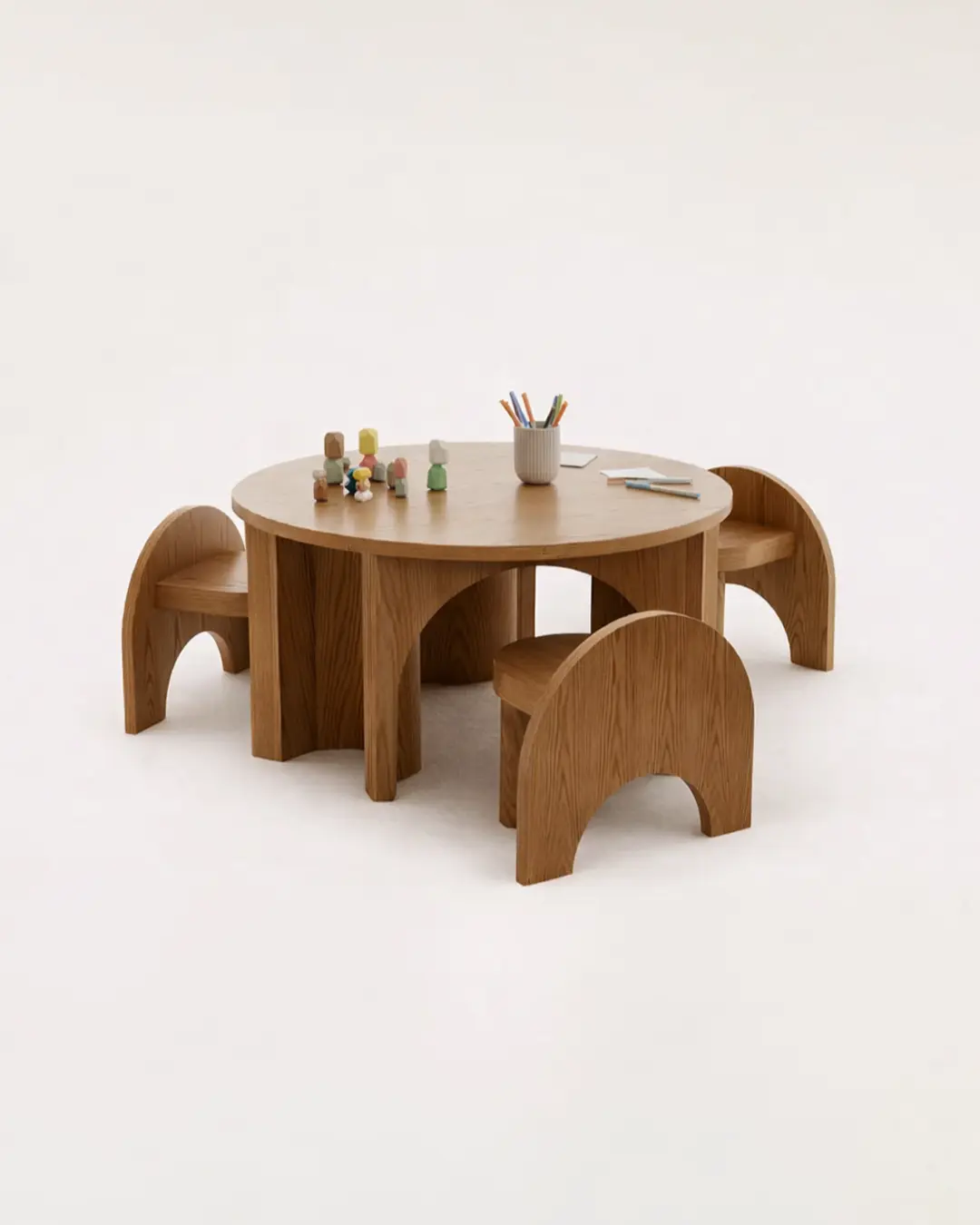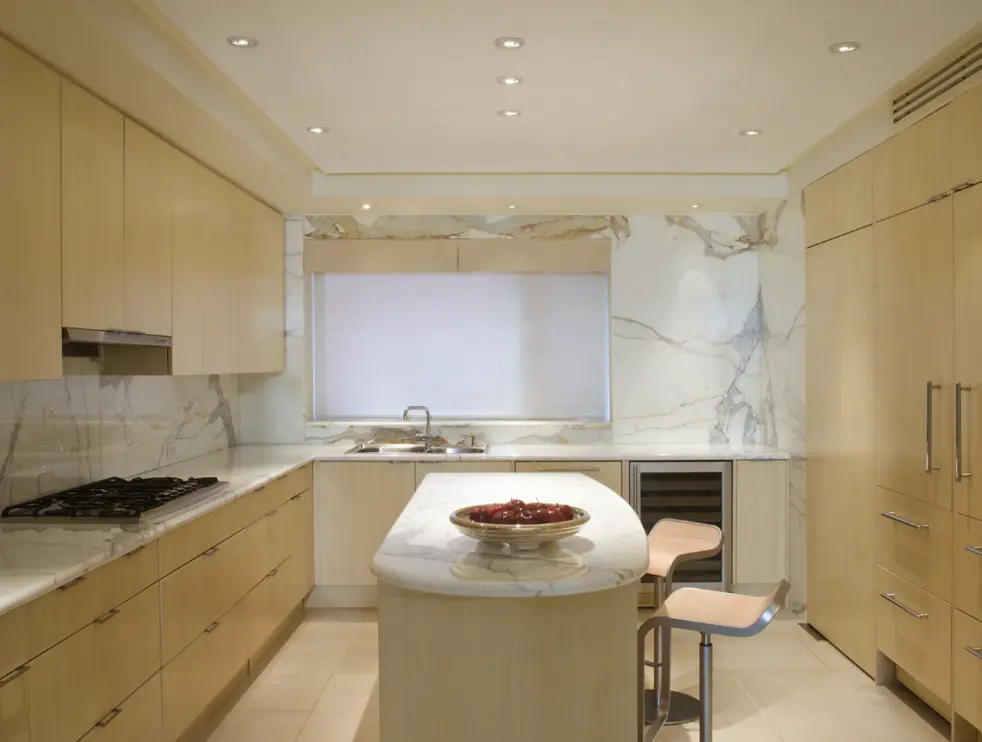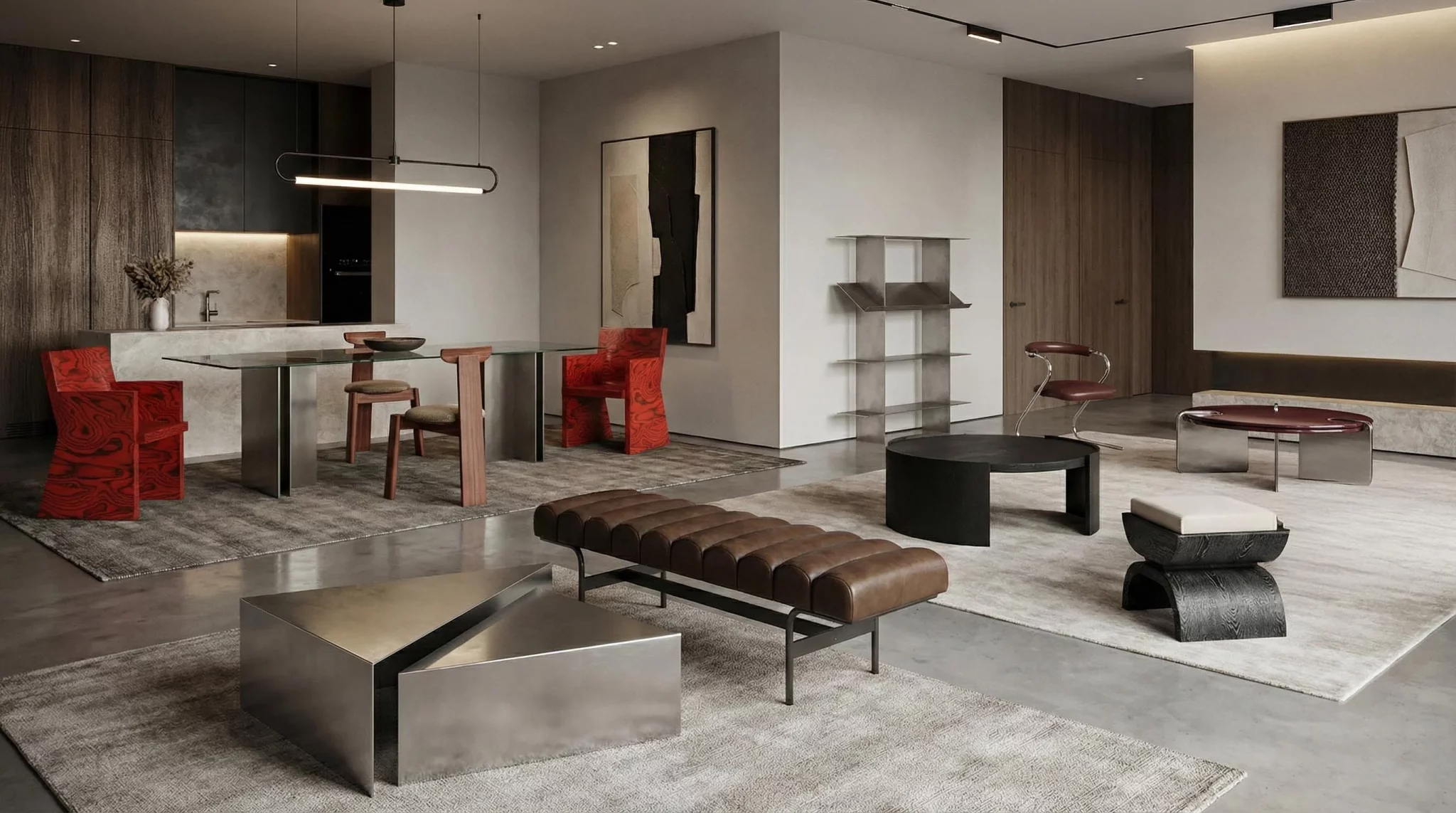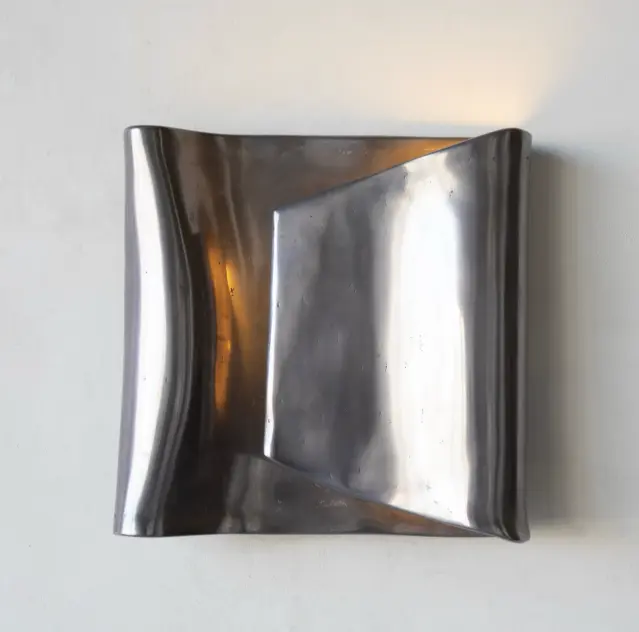








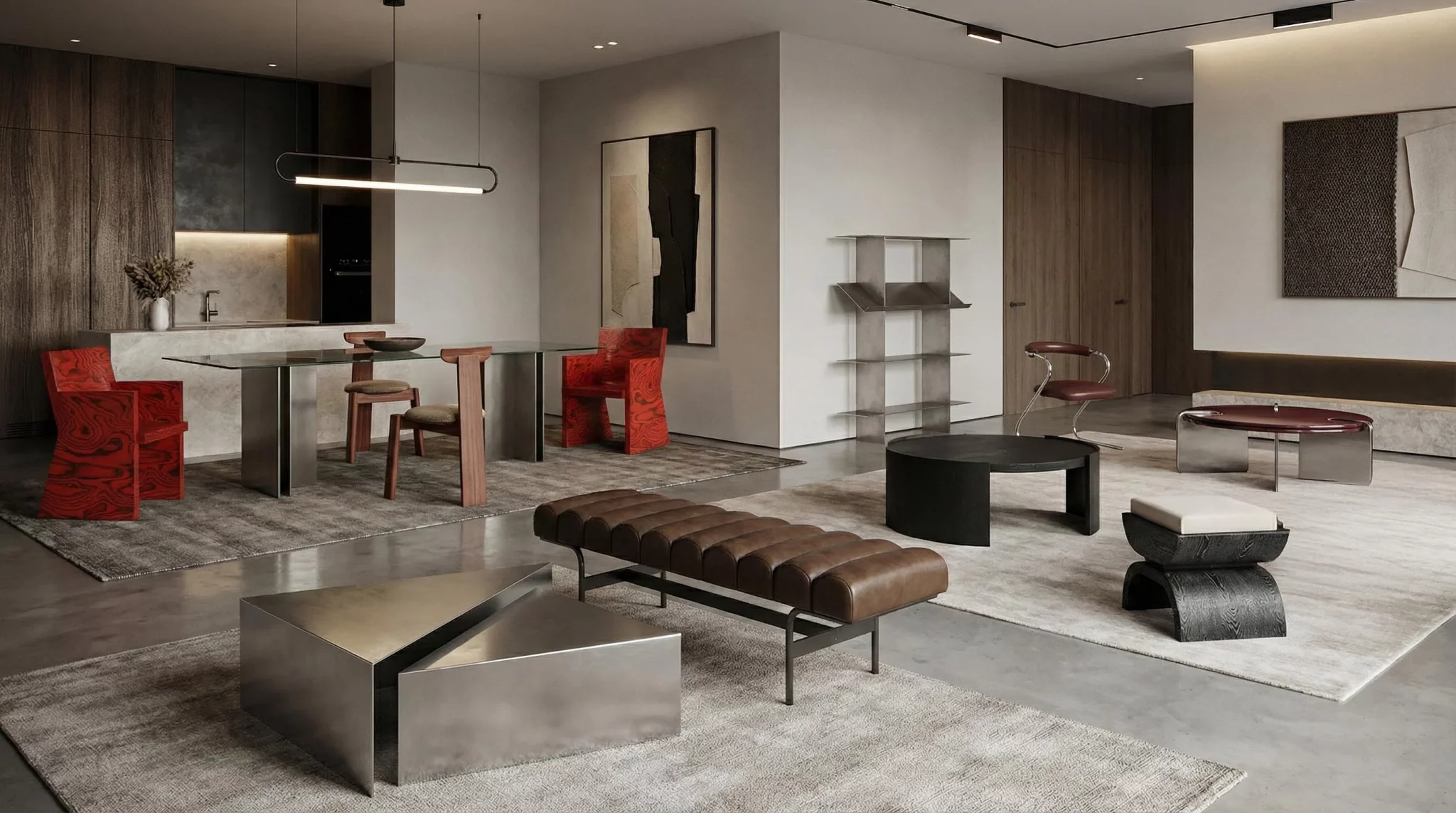
ISTANBUL, TÜRKİYE — Great design rarely begins with a grand marketing strategy or a sweeping commercial launch. More often, it emerges from a quiet, persistent hum of creative continuity. For Türkiye-based design practice and furniture brand Regen Studio, that hum began as a shared sensibility echoing across various architectural projects—in the custom pieces meticulously engineered to solve specific spatial problems for individual clients.
At a certain point, the thread tying these disparate creations together became impossible to ignore. Regen Studio was born from the conscious decision to give that continuity a name, an independent structure, and a distinct voice free from the constraints of standard architectural briefs. Today, operating at the intersection of architecture, traditional handcraft, and collectible design, Regen Studio stands as a testament to the power of bespoke, slow-made furniture in an era dominated by mass production.
Main Facts: The Anatomy of Regen Studio
At its core, Regen Studio is a boutique design practice and furniture brand founded on a rigorous architectural philosophy and rooted entirely in handcraft. Operating out of Türkiye, the studio rejects industrial scale in favor of intimate, intentional production.
- Production Model: Every single piece is meticulously made to order by skilled local artisans. Nothing is manufactured at scale.
- Design Philosophy: Furniture is treated as an extension of architecture—governed by proportion, spatial relationships, and the atmospheric weight of a room.
- Material Palette: A sophisticated blend of traditional woods, root veneers, metals, and striking color finishes (exemplified by the studio’s signature bold red polish).
- Core Influences: A refined synthesis of mid-century modern organic forms, structural clarity, and revived historical crafting techniques.
- The Flagship Object: The Kira Chair—a root veneer, custom-finish statement piece measuring 88 × 56 × 63 cm that bridges sculptural presence with architectural restraint.
Chronology: From Spatial Problem-Solving to an Independent Brand
To understand Regen Studio, one must trace its evolution from an architect’s daily toolkit into a standalone collectible design brand. The studio’s trajectory unfolded over several distinct phases:
Phase 1: The Architectural Genesis
Long before Regen Studio had a name, its founder was practicing as an architect. Day-to-day work involved crafting bespoke spatial solutions for clients—interiors that demanded unique elements. Because off-the-shelf furniture rarely matched the exact emotional or spatial needs of these bespoke environments, the architect began designing custom furniture pieces in-house.
Phase 2: The Emergence of a Shared Logic
Over time, these custom commissions began to accumulate a shared design language. Across different homes and commercial spaces, a consistent way of thinking about proportion, material weight, and atmospheric resonance kept surfacing. The objects possessed a unified instinct for how they should occupy and alter a room.
Phase 3: The Birth of Regen Studio
Recognizing this undeniable creative continuity, the founder made the pivotal choice to establish Regen Studio as an independent entity. Untethered from individual client briefs, the studio gained the freedom to let its distinct design vocabulary evolve organically, exploring materials, historical techniques, and sculptural forms on its own terms.

Phase 4: Refinement and the Introduction of the Kira Chair
With the studio’s identity solidified, the focus shifted to refining signature objects that could encapsulate this philosophy. The introduction of the Kira Chair—crafted from root veneer with a bold red polish—marked a watershed moment, crystallizing Regen’s ethos into a physical object that balances absolute confidence with deep restraint.
Supporting Data: Process, Constraints, and Craftsmanship
Regen Studio’s methodology relies on an intricate choreography between architectural planning, material exploration, and artisanal execution.
The Architectural Blueprint
In the studio’s ecosystem, furniture is never treated as an isolated accessory; it is an architectural sub-system. When conceptualizing a new piece, the design process begins not with ornament, but with context:
- How will the object inhabit the room?
- What specific emotional and visual atmosphere is it meant to support or anchor?
- How do its proportions interact with human scale and spatial volume?
Once these architectural questions are answered in terms of function and geometry, the focus shifts to material exploration. Textures, finishes, and tactile combinations are tested to ensure that the final piece possesses both a commanding visual presence and an understated subtlety.
Embracing Constraints
Significantly, Regen Studio views limitations not as creative roadblocks, but as vital catalysts for precision. Many of the studio’s most innovative pieces originally emerged under intense real-world constraints—tight timelines, spatial restrictions, or strict material parameters inherent to complex architectural projects.
Rather than diluting the design, these limitations forced the studio toward more thoughtful, exact solutions. This has cemented a core corporate philosophy: context and constraint are not obstacles to the creative process; they are foundational pillars of it.
The Role of the Artisan
Collaboration with local Turkish workshops is baked into every stage of production. Craftsmanship at Regen Studio is never applied merely as a finishing touch at the end of a manufacturing line; it informs and shapes the final character of the object from its earliest sketched iterations. Because each piece is handmade to order, the artisan’s hand leaves a subtle, indelible mark, making every item genuinely collectible in the truest sense of the word.

Official Perspectives: The Philosophy of the Maker
The guiding vision behind Regen Studio stems from its founder’s architectural background. In official commentary on the studio’s design ethos, the founder emphasizes that the boundary between building a space and populating it with objects is porous.
"Furniture is not separate from architecture—it is an extension of the same thinking," notes the studio’s founder. "Proportion, spatial relationships, the way an object holds or releases the atmosphere of a room. These are architectural questions answered in wood, metal, colour, and texture."
This perspective informs the studio’s dual relationship with history. While Regen draws heavily from the mid-century modern canon—treasuring its balance of organic form and functional clarity—it refuses to fall into mere historical pastiche. Instead, the studio actively hunts for forgotten, overlooked techniques and materials that industrial manufacturing set aside decades ago.
"The aim is not nostalgia," the studio explains. "It is reinterpretation—familiar materials reimagined through a contemporary design language, creating a dialogue between past and present rather than choosing between them."
This philosophy finds its ultimate expression in pieces like the Kira Chair. Described by the studio as an object that "confidently expresses its own style," the chair is a masterclass in quiet power. Built from rich root veneer and finished in a striking red polish, the chair measures 88 × 56 × 63 cm. It is unapologetically sculptural, yet deeply restrained.
"The chair does not shout," notes the studio team. "It simply refuses to be ignored… Designed for a room, not for a catalogue, it is the kind of piece that quietly shapes the atmosphere around it, becoming a mirror of the person who lives with it."
Implications: The Rise of Collectible, Slow-Design Practices
The emergence of Regen Studio points to broader, profound shifts within the contemporary interior design and furniture markets. As consumers and architectural clients increasingly experience "fatigue" from mass-produced, fast-furniture cycles, a powerful counter-movement is taking root.

1. The Revaluation of Collectible Design
By producing strictly made-to-order, handcrafted pieces in collaboration with regional artisans, Regen Studio aligns itself with the booming market for collectible design. Objects are no longer viewed as disposable commodities meant to be replaced every few years; they are treated as heirloom-quality investments. This shift elevates furniture into the realm of fine art, where provenance, material integrity, and the maker’s hand command primary value.
2. Regional Craftsmanship on a Global Stage
Based in Türkiye, Regen Studio leverages a deep, generational reservoir of local artisanal talent, positioning the region not merely as a manufacturing hub, but as a fountainhead of high-end conceptual design. By routing traditional Turkish craft through a contemporary mid-century and architectural lens, the studio demonstrates how localized making can achieve global relevance and luxury appeal.
3. Sustainability Through Permanence
In an era where sustainability is frequently co-opted by greenwashing, Regen Studio’s operational model offers an authentic blueprint for eco-conscious creation. By producing nothing at scale, eliminating excess inventory, and utilizing durable, natural materials built to last generations, the studio operationalizes true sustainability: making once, making well, and making things that endure.
Design Hint: The Kira Chair
For interior connoisseurs looking to integrate Regen Studio’s distinct sensibility into a project, the studio’s current offerings provide an immediate focal point.
- Featured Object: The Kira Chair by Regen Studio
- Specifications: Root veneer, wood veneer construction, handcrafted.
- Dimensions: 88 × 56 × 63 cm.
- Customization: Fully customizable polish colors tailored to the client’s spatial palette.
- Production & Delivery: Handcrafted to order by local artisans in Türkiye. Estimated delivery time: 2 to 4 weeks.
In an over-saturated design landscape, Regen Studio proves that true luxury lies in restraint, architectural rigor, and the irreplaceable warmth of the human hand.