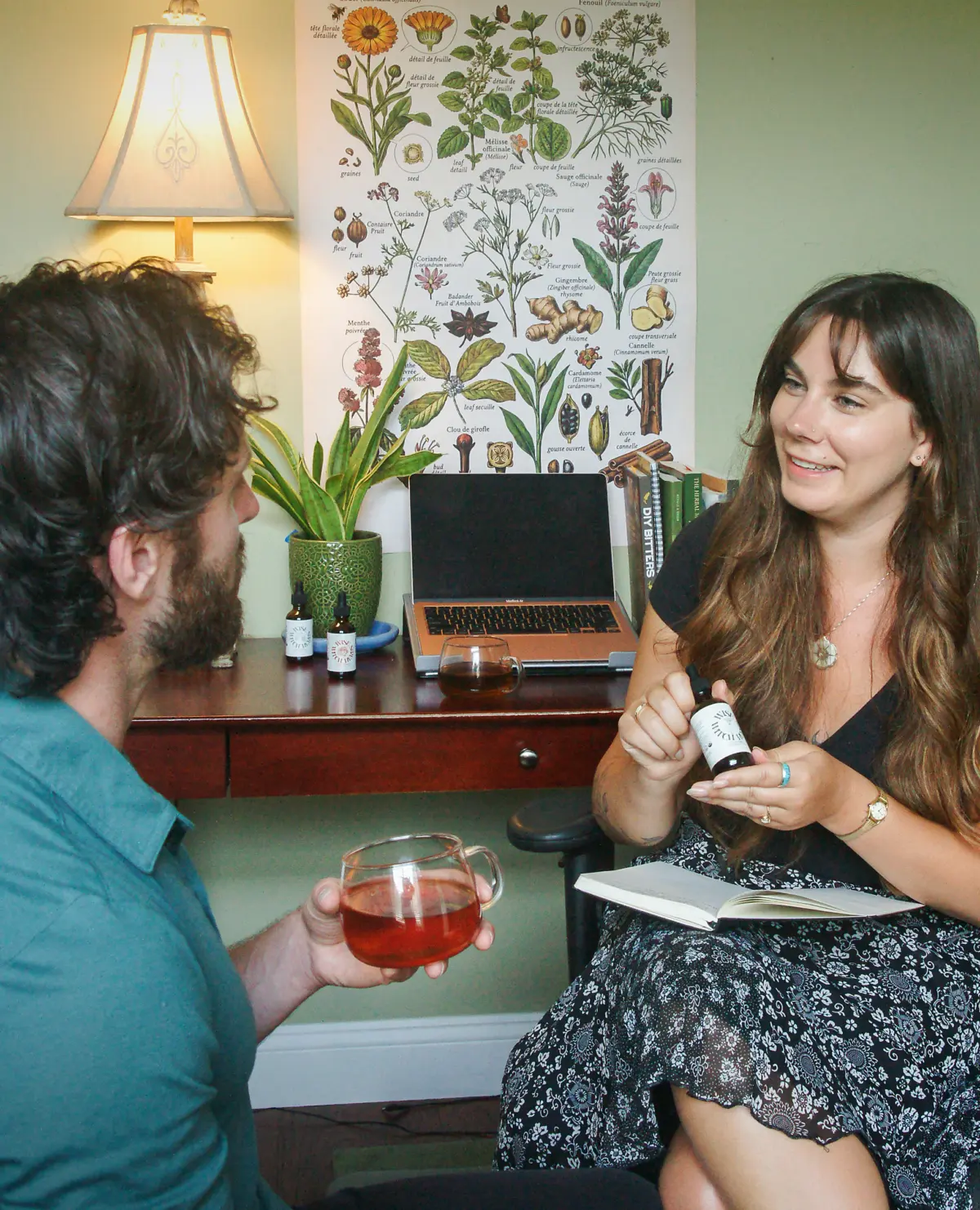










As the Northern Hemisphere shifts from the lazy, sun-drenched days of summer to the crisp, structured rhythm of autumn, millions of students, educators, and lifelong learners experience the universal transition of the "back-to-school" season. Whether heading into a traditional brick-and-mortar classroom, lecture hall, or embarking on a digital learning journey through online curricula like the Herbal Academy’s Family Herbalist Path Package or The Mushroom Course, this seasonal pivot often brings a surge of intellectual ambition—frequently accompanied by creeping stress, mental fatigue, and overloaded schedules.
In response to the modern academic rush, wellness experts and educators are increasingly emphasizing that successful transitions do not require complex, exhaustive overhauls of daily life. Instead, sustainable productivity and holistic well-being are best achieved through simple, intentional, and achievable lifestyle rituals. Rooted in traditional botanical practices, these small habits bridge the gap between rigorous mental output and restorative self-care, offering a grounded pathway into the new academic term.
Main Facts: The Intersection of Education, Stress, and Botanical Support
The modern academic landscape is defined by hyper-connectivity, prolonged screen time, and relentless cognitive demands. Transitioning back into a rigorous schedule impacts both mental focus and physical equilibrium. To counter these modern stressors, wellness practitioners advocate for integrating accessible herbal and somatic practices directly into daily study routines.
- The Academic Transition: The late-summer-to-fall shift marks a psychological and physiological pivot, making it an ideal window to establish sustainable routines.
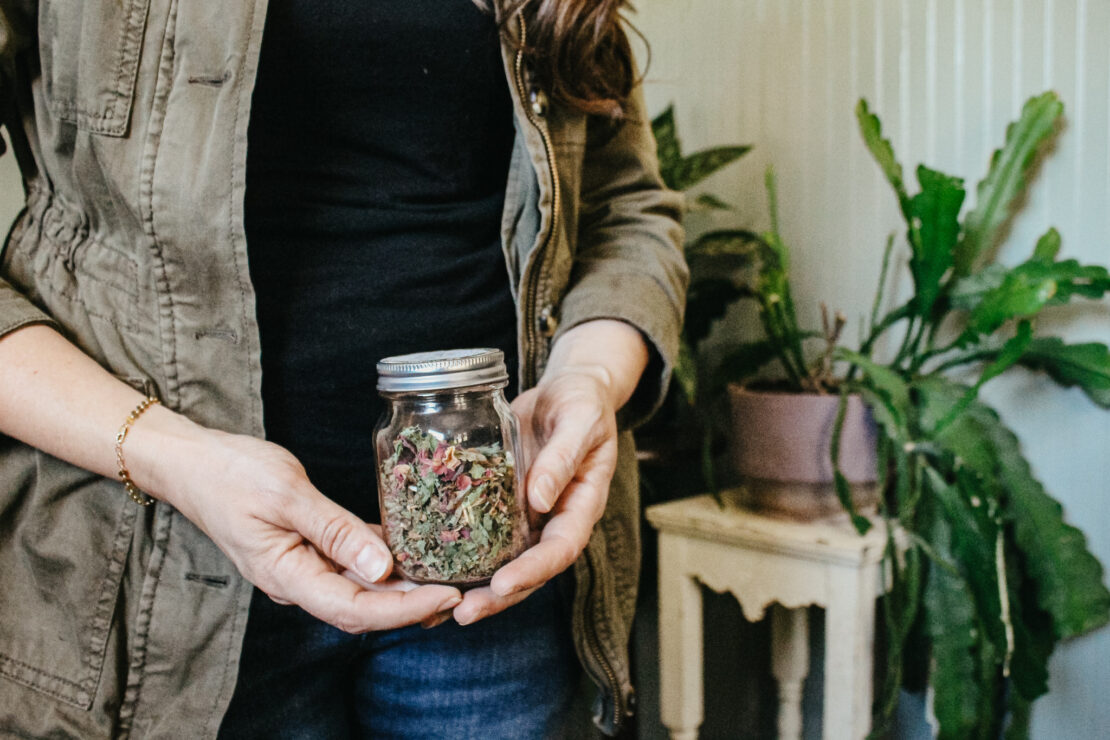
- Botanical Synergy: Herbs such as matcha, lemon balm, rosemary, chamomile, and lavender possess well-documented properties that support cognitive function, nervous system regulation, and restorative rest.
- Digital Accessibility: Educational platforms, notably institutions like the Herbal Academy, report a seasonal spike in online course enrollment during late summer, prompting a matching need for digital learners to incorporate offline, tactile self-care rituals to combat screen fatigue.
- Seasonal Promotion: To encourage lifelong learning and wellness education, sitewide tuition discounts of up to 40% remain available through September 15, 2026.
Chronology: The Arc of a Balanced Study Day
To understand how botanical rituals integrate into daily life, it is helpful to examine how a learner can structure their day from morning awakening to evening recovery. Rather than viewing self-care as an afterthought, an intentional daily rhythm utilizes targeted plant practices at specific biological milestones.
Morning: Awakening Cognition and Setting Intentions
The day begins as the transition is made from rest to active learning. This foundational window requires a gentle yet effective cognitive lift—avoiding the jittery spikes of excessive caffeine in favor of sustained mental clarity.
Afternoon: Mid-Day Grounding and Screen Breaks
As hours of studying, note-taking, or staring at digital displays accumulate, cognitive fatigue sets in. The mid-day chronological phase calls for deliberate interruption: stepping away from the desk, seeking natural sunlight, and engaging the tactile senses to recalibrate the nervous system.

Evening: Recovery and Nervous System Downshifts
Following intense intellectual output, the body requires a clear physiological cue that the workday has concluded. Evening hours are dedicated to active unwinding—transitioning from high-alert sympathetic nervous states into restorative parasympathetic rest via warm botanical soaks and calming infusions.
Supporting Data and Botanical Mechanisms
Integrating herbs into academic life is supported by both traditional herbalism and modern wellness paradigms. Below are the five foundational herbal rituals recommended by wellness educators to navigate the academic calendar with resilience.
1. Matcha Lemon Balm Gummies: Targeted Cognitive Support
For those needing an uplifting mental boost ahead of a heavy study session, functional edibles offer a creative and delicious solution. Combining culinary art with herbalism, Matcha Lemon Balm Gummies provide a dual-action approach to brain health.

- The Mechanism: Matcha supplies clean, sustained energy coupled with L-theanine, an amino acid known for promoting alert relaxation without the crash associated with coffee. Lemon balm (Melissa officinalis), a revered member of the mint family, has been traditionally utilized to support calm cognitive function, memory retention, and a positive mood.
- Application: Popped first thing in the morning or just before diving into a complex textbook chapter, these tart, chewy bites seamlessly fuse wellness with flavor.
2. Aromatherapy Companions: Olfactory Focus and Stress Reduction
The sense of smell bypasses the cognitive filter, communicating directly with the limbic system—the emotional and memory center of the brain. Aromatherapy is one of the most frictionless ways to enhance study environments.
- Botanical Choices:
- Rosemary: Historically associated with remembrance, rosemary essential oil is widely recognized for supporting concentration and mental sharpness during complex tasks.
- Lavender: A premier calming agent, lavender helps mitigate acute study-induced anxiety.
- Mint (Mentha spp.): Delivers a brisk, invigorating clearing effect to combat afternoon brain fog.
- Application: Easily deployed via portable essential oil roll-ons, linen herbal sachets placed near a workspace, or ultrasonic room diffusers.
3. Sunlight and Grounding Breaks: Combating Digital Fatigue
Online education offers unprecedented flexibility, allowing students to learn from virtually anywhere in the world. However, prolonged screen exposure is a primary driver of digital eye strain, somatic tension, headaches, and psychological burnout.
- The Practice: Deliberately stepping away from the monitor to engage in tactile, sensory-rich activities. This can include taking a barefoot stroll through the grass, turning one’s face toward the sun, sketching a botanical specimen from a current course module, or preparing a wholesome, unprocessed snack.
- The Benefit: Grounding practices physically anchor the individual back into their body, lowering cortisol levels and restoring mental bandwidth for subsequent study blocks.
4. The Herbal Foot Soak: Easing Physical Weariness
Whether navigating a sprawling university campus or spending hours on foot foraging for wild mushrooms and botanicals inspired by field guides, academic life can take a physical toll on the lower extremities.

- The Practice: A warm herbal foot bath offers immediate localized relief, easing muscle tension in tired feet and ankles.
- How to Prepare:
- Combine ½ cup of fresh or ¼ cup of dried botanical material (such as calming lavender flower buds, soothing calendula flowers, or gentle chamomile) with 1 cup of Epsom salt in a basin.
- Pour hot water over the mixture, allowing it to steep for several minutes before adjusting to a comfortable soaking temperature with cool water.
- Soak for 15 restorative minutes.
5. Nighttime Unwinding Rituals: Training the Nervous System for Rest
The boundary between school and home often blurs, particularly for remote learners and continuing education students who study from home. Without a definitive closing ritual, the mind continues racing well into the night, leading to insomnia and poor memory consolidation.
- The Practice: Establishing a nightly sensory anchor that signals the nervous system that learning mode has officially terminated.
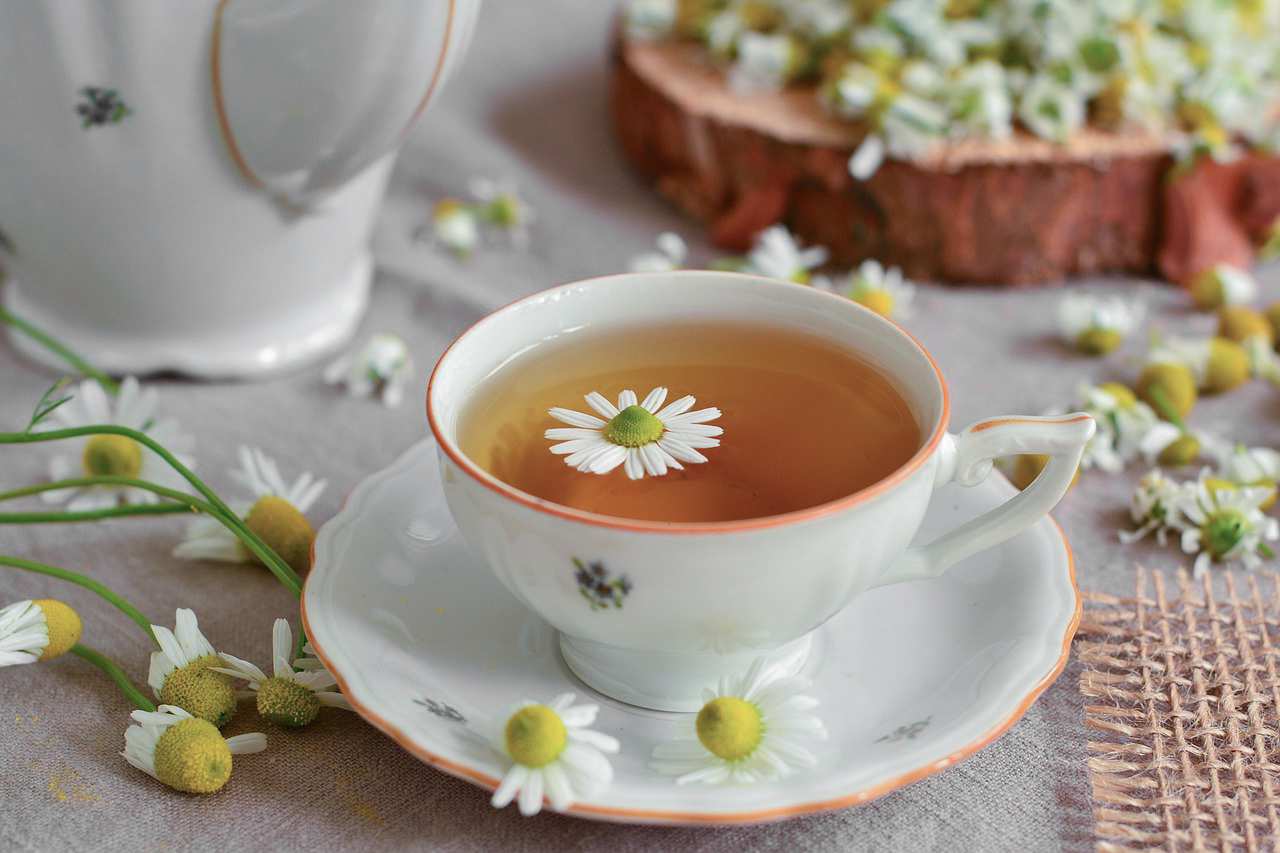
- Botanical Vehicles: A steaming, aromatic mug of chamomile (Matricaria chamomilla) tea, a custom sleep-supportive herbal infusion, or an immersive herbal bath infused with mineral salts and floral absolutes. Over time, this predictable routine conditions the body to transition smoothly into deep, restorative sleep.
Official Responses and Educational Insights
Educators and curriculum developers within the botanical wellness community emphasize that investing in personal education goes far beyond acquiring academic credits or reading professional texts.
"Back-to-school season is fundamentally an invitation to invest in yourself," notes a spokesperson for the Herbal Academy. "Pouring energy into your own intellectual growth should never come at the expense of your physical and mental health. By pairing educational pursuits with intentional wellness practices, students create a sustainable ecosystem of self-care that lasts long after the autumn semester ends."
Furthermore, academic advisors point out that adult learners and online students frequently struggle with burnout due to the absence of physical structural boundaries. Implementing small, sensory-driven rituals acts as a vital psychological anchor, fostering discipline without sacrificing holistic health.
Implications: A Sustainable Future for Lifelong Learning
As educational models continue to evolve toward digital accessibility and flexible online learning formats, the need for intentional self-care strategies will only intensify. The integration of simple herbal rituals into academic life carries several broad implications:
- Redefining Productivity: Shifting the cultural narrative away from toxic hustle culture toward a balanced model where rest, nutrition, and cognitive focus are seen as complementary rather than competing forces.
- Reconnecting with Nature: In an era dominated by screens and synthetic environments, tactile engagement with plants, herbs, and natural sunlight fosters ecological literacy and ecological mindfulness.
- Accessibility in Wellness: Demonstrating that botanical medicine does not require elaborate, expensive equipment or vast amounts of free time; rather, powerful wellness habits can be woven into the cracks of a busy schedule.
Ultimately, whether an individual is pursuing a formal certificate in family herbalism, exploring the fascinating kingdom of fungi, or returning to a traditional classroom, the intersection of education and herbal ritual offers a cozy, calm, and resilient path forward through the academic year.