








August 2026 — For nearly a year, Venezuelan immigrant, writer, and pagan columnist Alan U. Dalul existed in a state of suspended animation. Mired in the labyrinthine bureaucracy of United States Citizenship and Immigration Services (USCIS) while awaiting the adjudication of his green card, Dalul faced a punishing mandate common to many applicants undergoing adjustment of status: the complete forfeiture of his right to legally earn an income.
Unable to work, facing the expiration of his employment authorization, and navigating the profound psychological toll of potential family separation, Dalul was forced into silence. He could neither write nor publish new material for The Wild Hunt, where he serves as a prominent voice in the Latin American pagan and witchcraft community, without risking accusations of unauthorized employment—a violation that carries the severe penalty of deportation.
Now, following a grueling ordeal that culminated in a return to the publication in August 2026, Dalul is speaking out about the intersection of immigration policy, mental health, and modern witchcraft. His enforced silence has not only ended, but it has fundamentally reshaped his spiritual practice, offering a raw, unfiltered look at what it means to practice witchcraft when the physical and mental structures supporting it begin to crumble.
Main Facts: The Reality of Immigration Paralysis
The core of Dalul’s year-long ordeal centers on the strict, often unforgiving mechanisms of American immigration law. As a Venezuelan national married to a native-born U.S. citizen, Dalul’s path to legal residency required navigating an immense mountain of evidentiary documentation. However, the period between the expiration of his employment authorization and the final processing of his permanent residency left him legally barred from generating any form of income.
- The Stakes: Engaging in unauthorized work while an adjustment of status is pending can trigger immediate legal jeopardy, including deportation proceedings. For Dalul, this threat was not abstract; it was a daily source of acute anxiety that frequently manifested as insomnia, panic, and tearful nights.
- The Creative Blackout: Prior to the cutoff date of his work authorization, Dalul pushed himself to produce a backlog of columns for The Wild Hunt, racing against a legal deadline to store up content before the system effectively silenced him. Once those columns were published, he could neither promote nor share them, watching from the sidelines as his voice vanished from public discourse.
- The Turning Point: The ordeal forced Dalul to confront systemic failures in immigration not just theoretically, but viscerally. His experience mirrors broader socio-political conversations surrounding U.S. Immigration and Customs Enforcement (ICE), family separations, and the hazardous conditions reported within immigration detention facilities.
Chronology: From Silence to Reemergence
To understand Dalul’s recent return to journalism, it is necessary to trace the timeline of his suspension and the internal evolution that accompanied it:
- November 2025 – The Deadline: Dalul’s employment authorization expired. In the weeks leading up to this date, he experienced intense psychological pressure, channeling his anxiety into writing as many columns as possible before his official silencing. His final pre-silence pieces were published shortly after, entering the public sphere without his ability to engage, market, or discuss them.
- November 2025 to August 2026 – The Limbo: For nearly ten months, Dalul lived under the shadow of potential deportation. Confined to his home and barred from any income-generating activities—compounded by the financial constraints preventing consistent professional therapy—his magical practice contracted to bare essentials.
- August 2026 – Crisis and Clarity: Weeks prior to his public reintroduction, Dalul’s mental health strain required him to seek intervention at a crisis care center. Rather than letting the trauma consume him, however, he pivoted toward extracting philosophical and spiritual lessons from the suffering.
- August 22, 2026 – Return to The Wild Hunt: Dalul officially returned to the pages of The Wild Hunt with a deeply personal essay detailing the spiritual transformations he underwent while waiting for his green card, marking the end of his public silence.
Supporting Data and Context: The Broader Landscape of Immigration Insecurity
Dalul’s story is far from an isolated incident; it sits at the intersection of a deeply flawed global and domestic immigration apparatus. Human rights organizations, legal watchdogs, and investigative journalists have long documented the human cost of bureaucratic backlogs within the U.S. immigration system.
- Systemic Strains: Reports from organizations like the Project on Government Oversight (POGO) routinely highlight structural failures inside detention and processing facilities, where administrative delays routinely leave families in psychological limbo.
- The Psychological Toll: Mental health professionals have extensively documented the chronic anxiety experienced by undocumented and temporarily documented individuals. The constant threat of legal precarity frequently leads to clinical depression, hyper-vigilance, and somatic stress symptoms—conditions that Dalul explicitly noted disrupted his sleep, mental focus, and overall well-being.
- The Role of Support Systems: Dalul credits his husband, familial bonds, and small, consistent rituals as critical lifelines during a period when external systemic support was entirely absent.
Official Responses and Institutional Acknowledgment
While USCIS policies explicitly prohibit unauthorized employment to protect the integrity of domestic labor markets, immigrant advocacy groups and legal scholars continuously criticize the sluggish pace of green card adjudications and work permit (EAD) renewals. These systemic delays frequently force applicants into months—and sometimes years—of enforced economic inactivity.
- Editorial Support: The Wild Hunt maintained an open door and deep institutional empathy for Dalul’s situation. In an editorial note accompanying his return, the publication expressed profound relief and joy at welcoming back their colleague, acknowledging the immense personal and professional cost Dalul paid during his absence.
- Community Solidarity: Dalul’s vulnerability in discussing his mental health crisis—including his visit to a crisis center—resonates with a wider movement within modern paganism and witchcraft spaces advocating for mental health awareness, destigmatizing therapy, and acknowledging the humanity behind spiritual writers and leaders.
Implications: Six Lessons from the Crucible of Limbo
Rather than framing his year of silence purely as a period of victimization, Dalul distilled his trauma into six distinct lessons for witches, pagans, and anyone undergoing profound life stress:

1. Less Can Be Much More
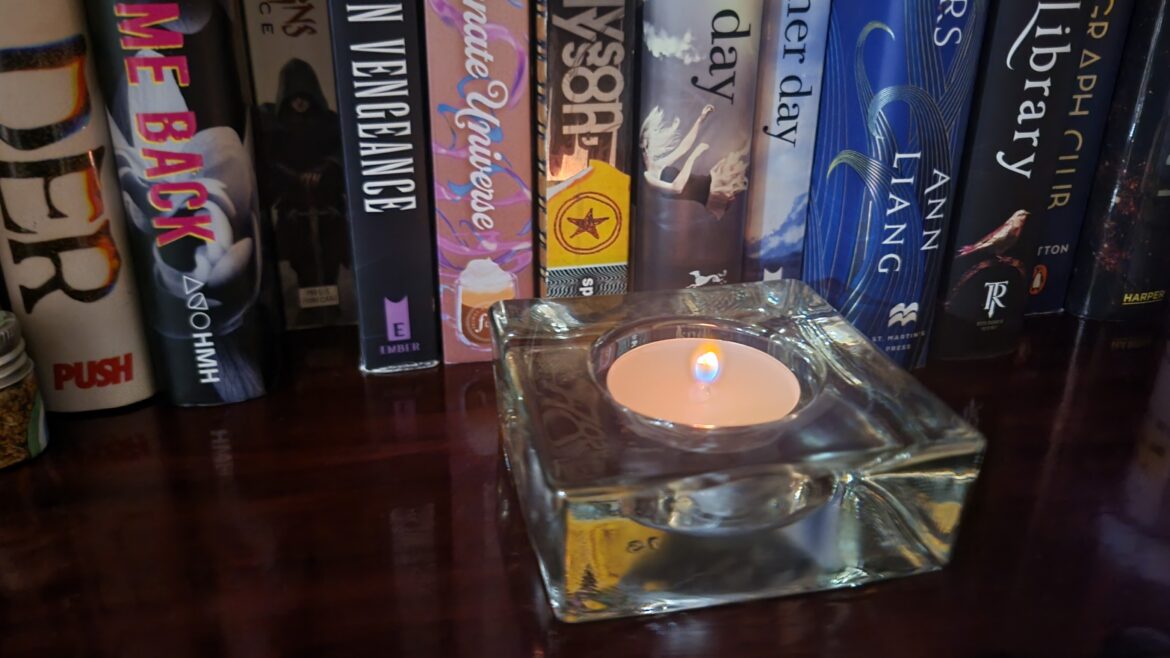
When clinical anxiety, insomnia, and depression stripped away his ability to perform elaborate rituals, Dalul scaled his practice down to its absolute foundation. Every night, he lit just two candles: one for the Absolute/Divinity, and another for his blood ancestors. This microscopic ritual was enough to anchor his hope.
2. The Limitation of Names
Moving away from personal deities toward broader concepts like "The Great Spirit" or "Divinity" provided a psychological release valve. In moments of deep despair, abstracting the divine helped bypass the emotional weight associated with specific theological names, offering a model for seekers experiencing spiritual fatigue.
3. Redefining Prayer
Dalul shifted his conceptual framework of prayer from a transactional tool—asking for favors or interventions—to an act of pure gratitude. Acknowledging milestones, however small, and offering genuine appreciation to the spirits transformed his devotional life into a mechanism for emotional survival.
4. The Body as a Crumbling Temple
Rejecting toxic positivity regarding physical health, Dalul confronted the reality of weight gain, mental health struggles, and physical decline. He reframed the concept of the body-as-temple: temples crack, walls crumble, and lights go out. When healing is impossible in the moment, the goal shifts simply to keeping the structure standing until reconstruction can begin.

5. Heightened Consciousness and Accountability
Reflecting on past controversies—including his public critiques of anti-trans rhetoric and authors like J.K. Rowling—Dalul noted that forced stillness refined his relationship with language, energy, and time. Particularly as a new father, his appreciation for intentional communication deepened significantly.
6. Musical Witchcraft and Roots
Denied traditional tools or physical travel, Dalul turned inward to his auditory landscape. Pop music, atmospheric artists like Faun, Lady Gaga, Kerli, and Lindsey Stirling served as portable grimoires, reminding him that magic resides just as easily in a pair of headphones as it does on an altar.
Looking Ahead
As Dalul steps back into his role as a public writer and commentator, he does so carrying the scars of a broken administrative system, but also armed with a profoundly stripped-down, resilient spiritual practice. Diamonds are forged under pressure, and bread rises only when given time to rest—two metaphors that Dalul embraces as he looks toward the future.
With his legal status moving toward resolution, Dalul’s return to The Wild Hunt signals not just the restoration of a vital journalistic voice from Latin America, but the emergence of a writer fundamentally transformed by the crucible of endurance.