










By the Psychological Research and Dream Studies Desk
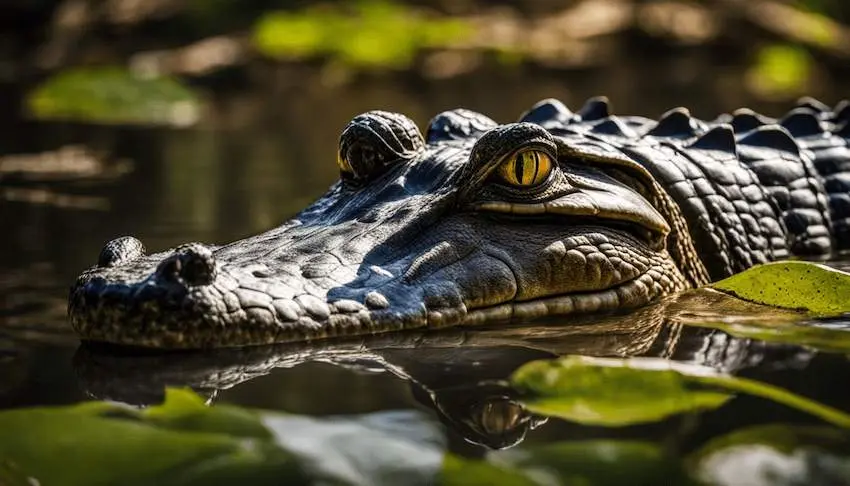
When an alligator breaches the surface of a nocturnal vision, the sleeper rarely experiences it as a passive cinematic event. Instead, it arrives with a jolt of primal adrenaline—a sudden plunge into the murky, unpredictable waters of the human subconscious. These prehistoric, armored apex predators have stalked the swamps of the earth for millions of years, and they appear in our sleep during periods of acute emotional turbulence, high stress, or profound psychological transition.
Are these nighttime visitations manifestations of raw fear, repressed aggression, or harbingers of ancient wisdom? To understand why the mind conjures such formidable creatures, one must journey beyond the surface ripples of dream interpretation and examine the psychological, psychoanalytic, and spiritual frameworks that attempt to decode these nocturnal reptiles.
Main Facts: What Do Alligators Represent in the Subconscious?
At its core, dreaming of an alligator serves as an urgent wake-up call from the psyche. Because alligators are cold-blooded, powerful, and largely hidden beneath water until they choose to strike, they make ideal symbols for hidden threats, unresolved conflicts, and deeply buried emotions.
According to modern sleep researchers and psychological analysts, alligator dreams generally encapsulate several fundamental themes:
- Survival Instincts: As creatures that have outlived dinosaurs, alligators represent primordial resilience and the basic human drive to endure adversity.
- Hidden Anxieties: Much like an alligator waiting silently just below the waterline, suppressed fears, unaddressed debts, or toxic relationships often lurk quietly until they erupt into crisis.
- Power Dynamics: These dreams frequently force the dreamer to evaluate their position in waking life—specifically, whether they feel like the predator in control or the vulnerable prey.
Chronology of Dream Interpretation: From Ancient Sobek to Modern Psychoanalysis
The human fascination with reptilian symbolism is far from modern. Throughout history, societies have attempted to chronologically map and understand the deeper meanings behind encounters with crocodiles and alligators, moving from mythic divinity to clinical introspection.
1. The Ancient Era: Mythological Guardians and Deities
In ancient civilizations, particularly along the Nile, the crocodile and alligator were viewed with a mixture of terror and profound reverence. In Egyptian mythology, the god Sobek—often depicted as a crocodile or a man with a crocodile head—embodied the dual forces of creation and destruction. Sobek ruled over the waters, controlling fertility and agricultural abundance, yet he also represented sudden, merciless death. Ancient priests understood that destruction was a necessary precursor to creation, establishing an early archetypal framework where reptilian forces were tied to necessary cycles of transformation.
2. The Early 20th Century: Freudian and Jungian Breakthroughs
As humanity transitioned into the age of psychoanalysis, dream interpretation shifted from external divinity to internal mechanics.
- The Freudian Lens: Sigmund Freud viewed dreams as the royal road to the unconscious, heavily laden with repressed desires and primal impulses. A Freudian analysis of an alligator attack might point toward suppressed sexual frustrations, unbridled aggressive drives, or anxieties surrounding basic instincts that the conscious mind refuses to acknowledge.
- The Jungian Perspective: Carl Jung expanded dream analysis into the collective unconscious and archetypal imagery. To a Jungian analyst, an alligator is a classic manifestation of the shadow self—those darker, repressed, or underexplored facets of the human personality. Confronting and integrating the shadow alligator is viewed as an essential, albeit frightening, step toward psychological wholeness and personal growth.
Supporting Data: Common Alligator Dream Scenarios and Their Meanings
To provide a clearer picture of how these dreams manifest, researchers have cataloged the most frequently reported alligator dream scenarios alongside their potential waking-life correlations.
| Dream Scenario | Potential Psychological Meaning in Waking Life |
|---|---|
| Being attacked by an alligator | Facing harsh criticism, verbal attacks, or an overtly threatening situation in your professional or personal life. |
| An alligator consuming something | Fixating on an unresolved issue that is systematically consuming your thoughts and emotional energy. |
| Attacking or fighting an alligator | Demonstrating a proactive response to confrontation; standing up to a bully, fighting back against verbal abuse, or finding the courage to face deep-seated fears. |
| Encountering a baby alligator | Navigating new beginnings, creative projects, or recognizing that a small, manageable problem requires resilience before it grows. |
| Trapped in alligator-infested waters | Harboring an intense fear of judgment or criticism (often disproportionate to reality); being surrounded by persistent, neglected issues. |
| An alligator lurking beneath the surface | A subconscious warning about emerging anxieties, unacknowledged shadow traits, or dormant tensions ready to snap. |
| Discovering a dead alligator | The peaceful or abrupt conclusion of a conflict; the symbolic death of an unhelpful habit, toxic relationship, or self-sabotaging behavior. |
| Alligators fighting other animals | Experiencing intense inner turmoil or witnessing external conflict, forcing you to assess whether you are playing the role of aggressor or victim. |
| Successfully escaping an attack | Overcoming a toxic situation, successfully detaching from a manipulative partner, or neutralizing a major life threat. |
| Observing an alligator from a distance | Recognizing a known threat in your life that you are currently choosing to ignore or postpone addressing. |
Official Responses and Expert Perspectives
Mental health professionals and behavioral specialists emphasize that while dream dictionaries offer generalized templates, the true meaning of an alligator dream is deeply personal.
Dr. Elena Vance, a clinical psychologist specializing in trauma and subconscious processing, notes: "When patients report recurrent dreams of apex predators like alligators, it almost invariably points to a sense of helplessness or a looming threat in their waking environment. The animal acts as a biological megaphone for the nervous system, signaling that the individual is ignoring stress markers that desperately need conscious attention."
Furthermore, somatic therapists suggest that the physical sensations experienced during these dreams—such as a racing heart, cold sweats, or the feeling of being dragged underwater—mirror how the body stores chronic stress and unprocessed trauma. By analyzing the dream, patients are often able to locate where they feel "under attack" in their waking routines.
Implications: Transforming Nightmares into Tools for Personal Growth
What are the long-term implications of wrestling with an alligator in the theater of your mind? Far from being mere sources of nocturnal terror, these dreams offer a powerful catalyst for psychological fortitude.
1. Cultivating Emotional Resilience
When individuals lean into the discomfort of these dreams rather than dismissing them, they build emotional calluses. Recognizing that an alligator represents an unaddressed conflict encourages proactive communication and conflict resolution in waking life. Instead of waiting for a suppressed issue to erupt, the dreamer learns to drain the swamp before the predator strikes.
2. Practical Application: Dream Journaling Prompts
For those seeking to decode their own reptilian visions, psychologists recommend maintaining a dedicated dream journal. Upon waking from an alligator encounter, ask yourself the following reflective prompts:
- What specific waking-life situation currently makes me feel exposed, vulnerable, or hunted?
- Am I actively avoiding a difficult conversation or decision, allowing it to lurk beneath my emotional surface?
- In the dream, did I run, fight, or freeze? How does that physical reaction mirror my coping mechanisms during real-world crises?
- What part of myself am I repressing or viewing as ‘monstrous’ that actually requires integration and understanding?
Conclusion
Alligator dreams remain one of the most visceral reminders of the untamed wilderness that exists within the human mind. They pull us away from the sanitized comfort of our daily routines and force us to tread the murky waters of our deepest fears, survival instincts, and unexpressed power dynamics.
Whether viewed through the clinical lens of Freud and Jung, the spiritual framework of ancient mythology, or the practical realities of modern stress management, these ancient creatures serve a vital purpose. They challenge us to wake up, face the waters below, and reclaim our inner strength—transforming what once felt like a terrifying encounter into an enduring masterclass in personal resilience.