








Main Facts
In an introspective essay published in The Wild Hunt, writer and community advocate Clio Ajana explores the complex psychological and physical dimensions of sudden health crises, chronic overwork, and the heavy cultural stigma attached to the concept of “failure.”
Prompted by a major, unexpected surgery that forced her to step away from public appearances, community gatherings, and professional obligations—including scheduled presentations on astrology and numerology at the Paganicon conference—Ajana’s narrative tackles a universal modern dilemma: the friction between human limits and a societal machine that demands relentless productivity.
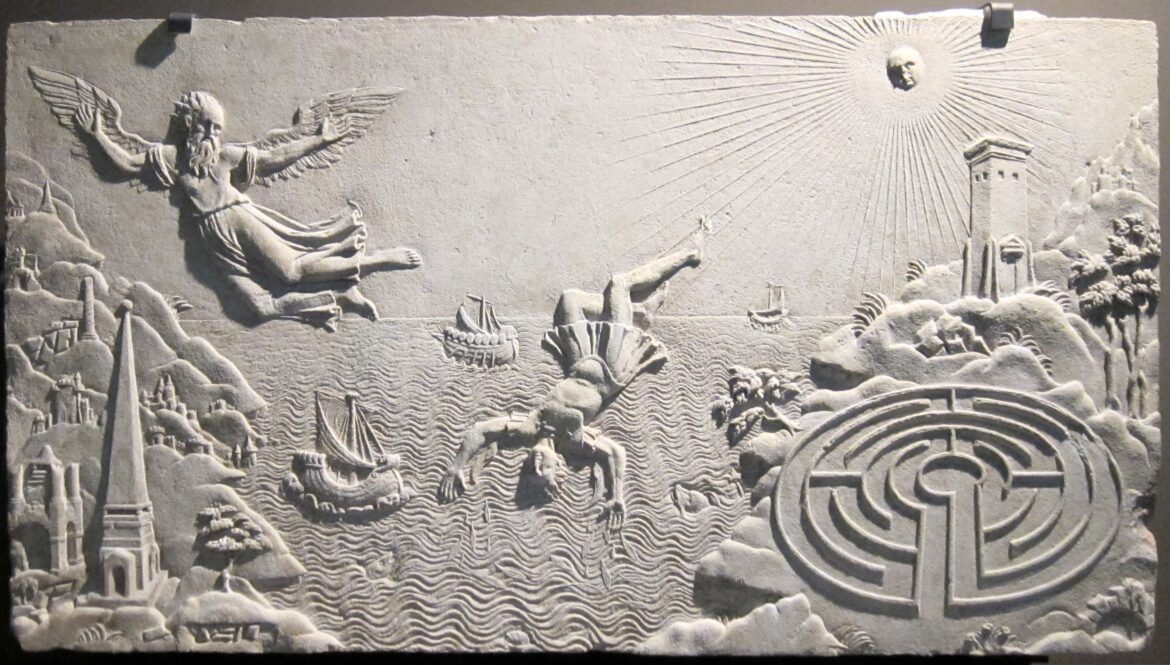
Drawing on literary touchstones, classical mythology, and personal vulnerability, the article frames medical emergencies not merely as inconveniences or personal defeats, but as vital, albeit jarring, interventions from the physical body. Ajana argues that contemporary culture’s hostility toward rest breeds a toxic relationship with productivity, where individuals routinely ignore internal biological warnings until a system-wide crash—such as surgery or severe burnout—forces a hard stop.
By reframing failure as a catalyst for profound transformation, the piece invites readers, particularly those within Earth-based and Pagan spiritual traditions, to cultivate grace, honor their biological rhythms, and recognize rest as a sacred, non-negotiable component of healing.

Chronology: The Anatomy of a Forced Interruption
The narrative arc of Ajana’s reflection spans a timeline of mounting bodily signals, acute crisis, and a slow, nonlinear recovery:
- Months Prior to Surgery: Ajana admits to ignoring persistent, subtle warning signs from her body. Operating within a fast-paced economic reality that often forces workers to cobble together multiple jobs for a living wage, she normalized chronic stress and prioritized constant output over biological maintenance.
- Five Months Ago (The Crisis): A medical emergency necessitated sudden, major surgery. The abrupt halt upended her life, canceling planned conference appearances and isolating her from the community spaces she deeply cherished.
- The Hospital Stay: Immediate post-operative days were characterized by intense physical discomfort—including the burning agony of potassium intravenous lines—and acute emotional distress. Ajana wrestled with anger, feeling that her body had “failed” her and derailed her carefully constructed plans.
- Early Discharge and Overload: Upon returning home, a simple twenty-five-minute grocery trip to pick up prescriptions triggered severe sensory overload, panic, and an out-of-body sensation that briefly sparked fears of agoraphobia.
- The Turning Point (The Nap Attacks): Surrendering to the body’s demands, Ajana experienced extended three- to five-hour “nap attacks” and periods of doing nothing. This marked the transition from resentment of her downtime to an acceptance of deep, restorative rest.
- Present Day (August 2026): Reflecting on the five-month milestone, Ajana views the surgery not as a failure, but as a life-saving reset that realigned her relationship with herself, her community, and the rhythms of nature.
Supporting Data and Cultural Context
Ajana’s personal narrative is anchored in broader socio-cultural realities and historical reflections on human endurance:

- The Economics of Exhaustion: The essay highlights the structural barriers to wellness in modern capitalist societies, noting that rest has increasingly become an exclusive luxury requiring financial security and temporal freedom—resources unavailable to many workers navigating precarious economic conditions.
- Literary and Mythological Framing:
- Ajana invokes Dorothy Allison’s 1996 memoir, Two or Three Things I Know for Sure, using Allison’s insight that "Change, when it comes, cracks everything open" to validate the disruptive nature of life-altering events.
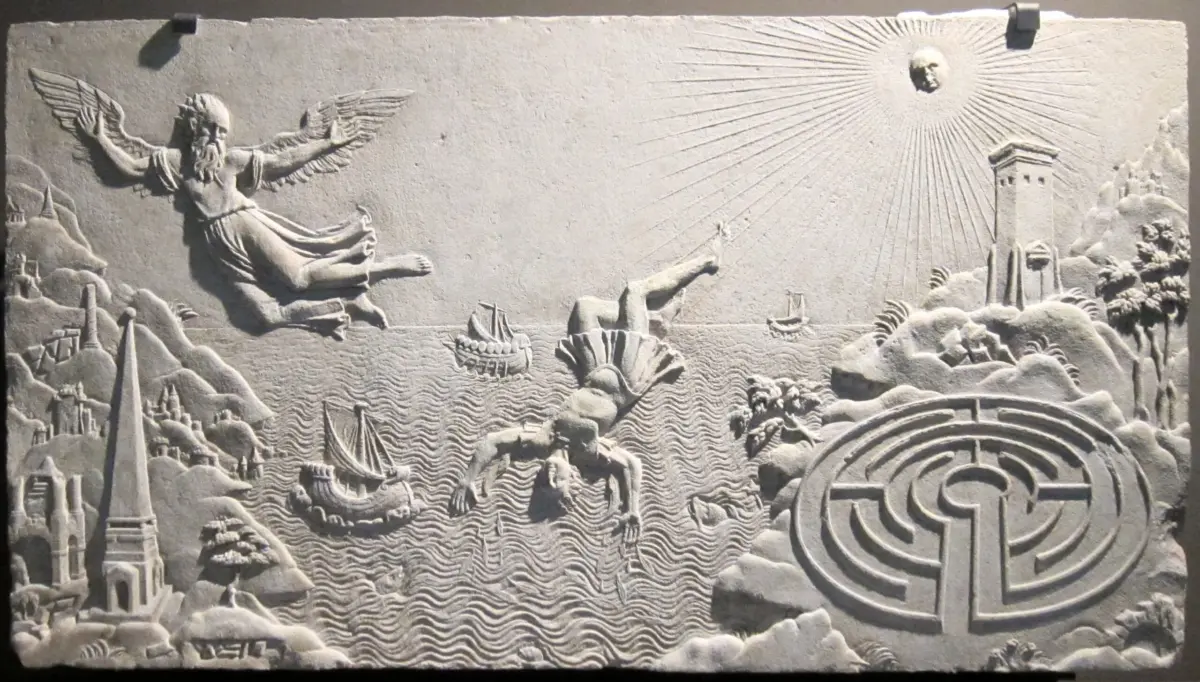
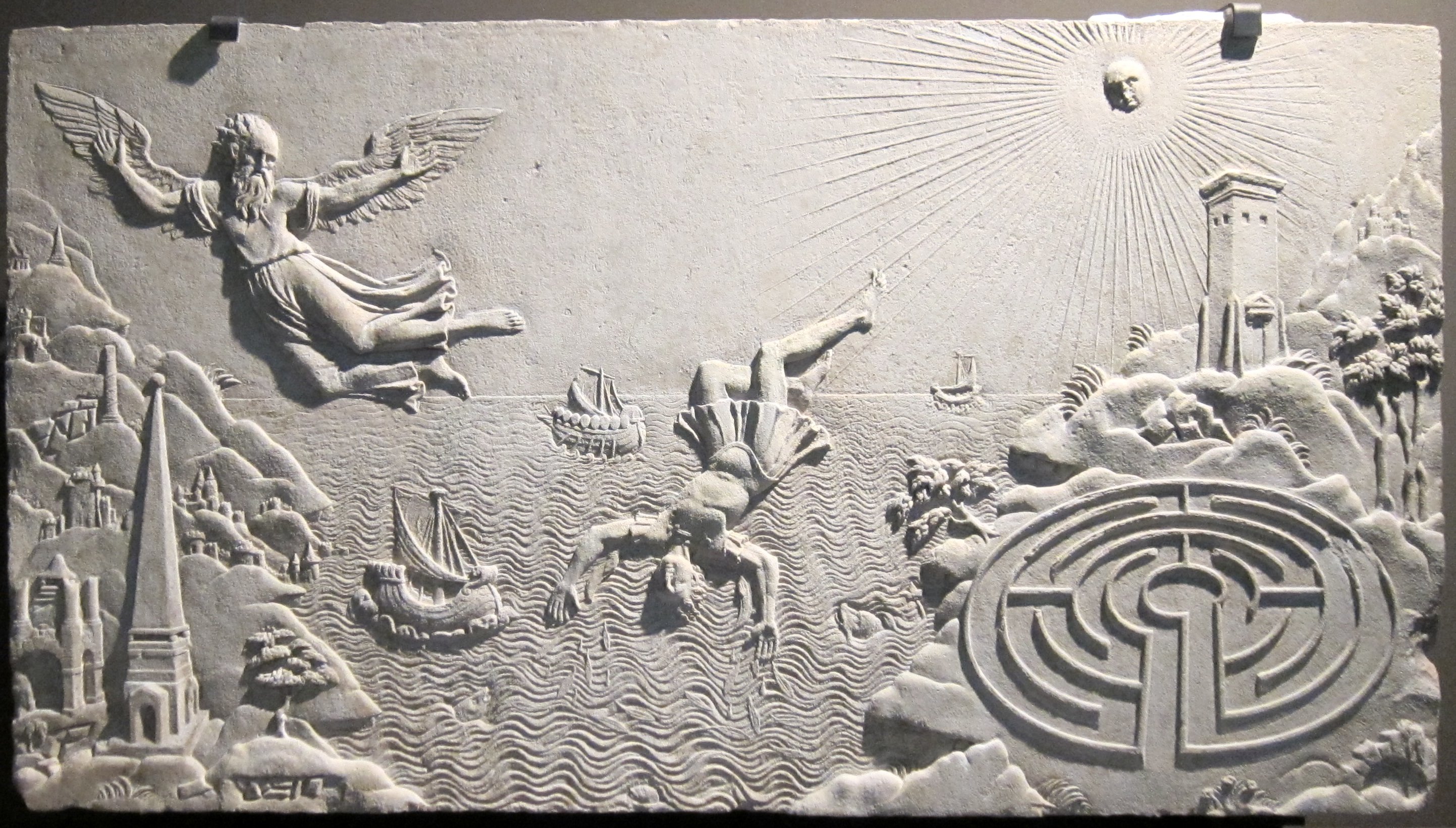
- The myth of Icarus is employed as a cautionary archetype representing hubris and the dangers of ignoring internal wisdom and natural limits while striving upward.
- The Physiology of Healing: Drawing parallels between mending broken bones—which require rigid casts, restricted movement, and extended periods of cellular repair—Ajana emphasizes that emotional, mental, and physical wounds demand comparable temporal investments.
- Community and Connection: As someone who thrives on interpersonal engagement—noting she has "never met a stranger I didn’t like"—Ajana quantifies the psychological toll of isolation during recovery, noting that post-surgical vulnerability temporarily impaired her ability to process crowded public spaces.
Official Responses and Community Engagement
While traditional news reporting relies on statements from corporate or governmental entities, the "official response" to Ajana’s reflections stems from the vibrant discourse within the Pagan and Earth-based spiritual community where her essay was published:
- The Wild Hunt Platform: As an independent outlet for Pagan, Heathen, and polytheist news and perspectives, The Wild Hunt provides a vital forum for vulnerable, personal essays that bridge daily modern struggles with spiritual philosophy.
- Community Resonance: Readers responded strongly to the essay’s themes of burnout and self-compassion, building on ongoing community conversations regarding holistic health, mental well-being, and the rejection of hustle culture within spiritual spaces.
- Interactive Channels: In accordance with the publication’s engagement guidelines, discussions surrounding the article were extended to The Wild Hunt’s dedicated Reddit community (
r/The_Wild_Hunt_News), where readers shared their own experiences with medical crises, forced stillness, and the spiritual dimensions of recovery.
Implications: Redefining Success and the Spirituality of Doing Nothing
The broader implications of Ajana’s reflections extend far beyond individual medical recovery, touching upon philosophy, public health, and spiritual practice:
1. Deconstructing the Myth of Failure
Society frequently equates productivity with worth, viewing illness, exhaustion, or inability to perform as moral or personal failures. Ajana’s perspective challenges this paradigm, suggesting that what we label as "failure" is often a necessary biological mechanism designed to halt self-destruction. By reframing failure as a sacrifice of old, unsustainable habits, individuals can clear space for authentic growth.
2. The Radical Act of Surrender
In Earth-based and Pagan traditions, practitioners emphasize attunement to natural cycles—the shifting of seasons, the necessity of winter dormancy, and the death-and-rebirth cycle of nature. Yet, modern humans routinely attempt to bypass their own internal winters. Ajana’s essay serves as a reminder that spiritual alignment includes honoring our biological limits. True healing cannot be rushed; it requires what she describes as "doing nothing—watching life go by and being okay that this is where you are."
3. Cultivating Grace in a Culture of Speed
Ultimately, Ajana’s journey from resentment to acceptance offers a blueprint for navigating life’s unexpected disruptions. When carefully laid plans disintegrate under the weight of health crises or systemic pressures, the path forward does not lie in forcing a return to the familiar. Instead, it demands the courage to step onto an unfamiliar, tentative path—one paved with patience, self-forgiveness, and the quiet grace of simply being.